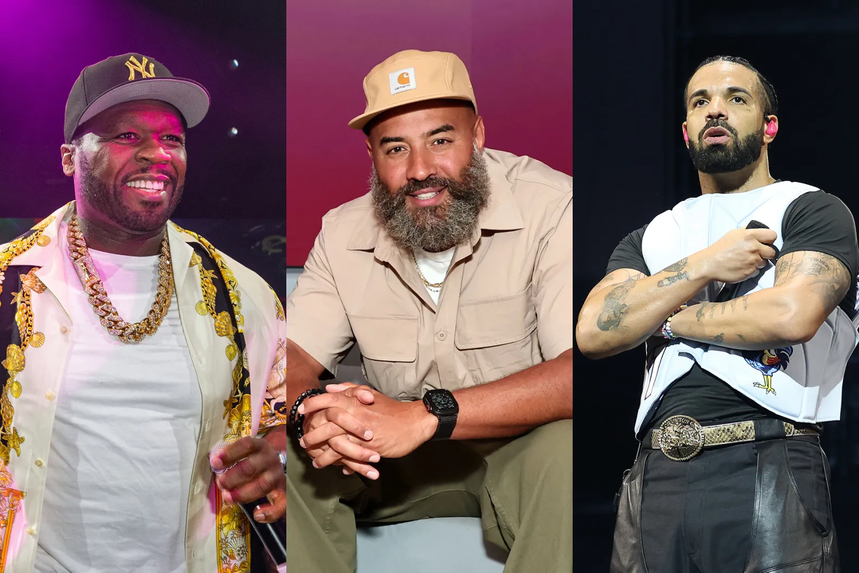

The conversation started playful, but it didn’t stay that way for long. 50 Cent and Hot 97’s Ebro went head to head over one of rap’s most loaded questions: who actually made it harder for New York artists to break through over the past two decades?
Both men came in with strong opinions, and neither was willing to let the other off easy. The debate circled around a few key suspects, including the artists themselves, radio programmers, major labels, and the gatekeepers who controlled what got heard and what got buried.
Ebro, who spent years at the center of New York radio as a program director at Hot 97, has long been a polarizing figure in these conversations.
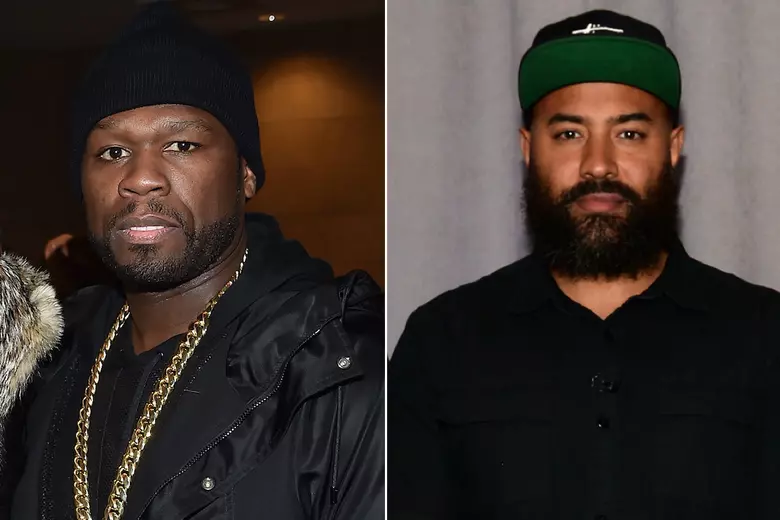
Some fans and artists credit him with championing New York talent, while others have blamed radio’s conservative playlist choices for suffocating a generation of local rappers who never got a fair shot at mainstream exposure.
50 Cent, never one to soften his takes, has made it clear in multiple interviews over the years that he thinks the industry infrastructure around New York rap failed the city.
He has pointed to a culture of gatekeeping that prioritized certain sounds and relationships over raw talent, and he has not been shy about naming the system as a problem even when he benefited from it himself.
What makes this debate interesting is that both men are implicated in it. 50 built his career by breaking out of New York and going global with a sound that leaned into pop crossover appeal, which some critics at the time said was a departure from the city’s rawer traditions.
Ebro, sitting on the other side of the mic for years, made real decisions about what got spins and what didn’t, decisions that shaped careers whether he intended that or not.
The question of artist accountability also came up, because it always does in these conversations. Some argue that New York rappers in the mid-2000s and beyond were too slow to adapt to shifting tastes, too attached to a specific aesthetic at a time when Atlanta and then the South broadly were rewriting what commercial rap could sound like.
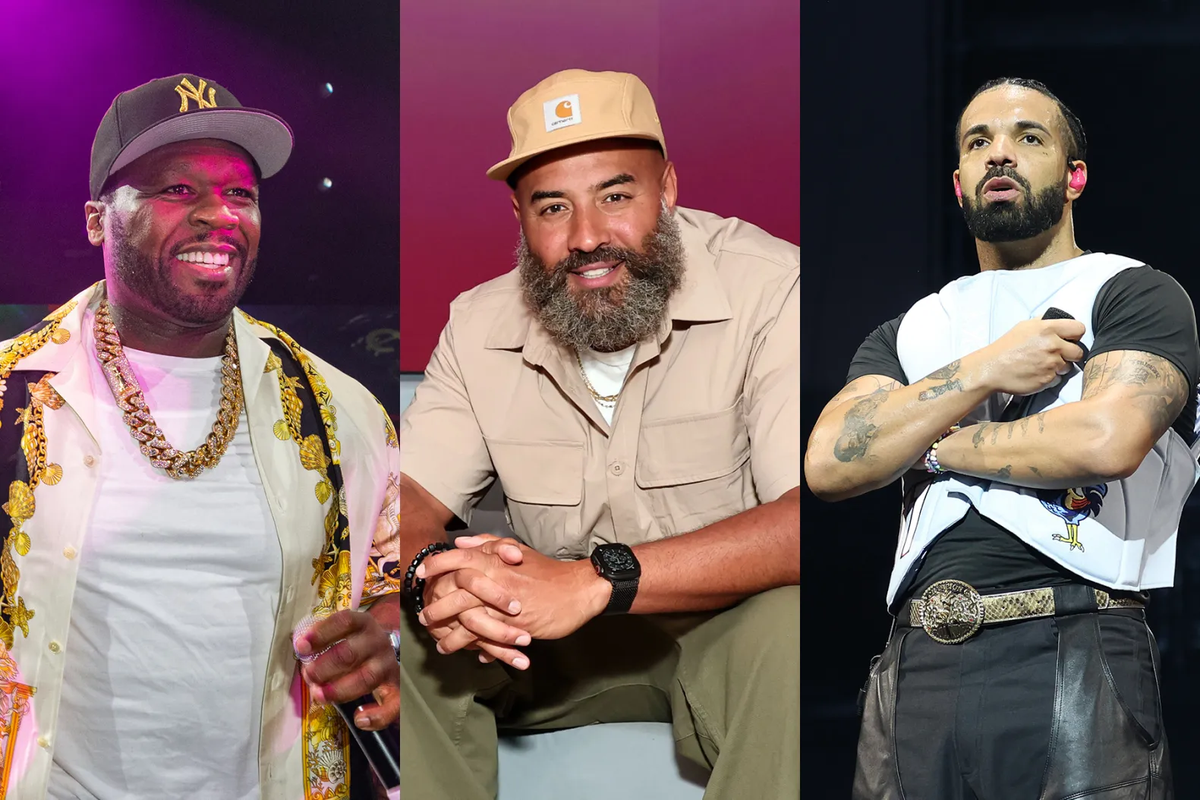
Others push back hard on that framing, saying the artists were ready but the infrastructure around them, radio, A&R departments, marketing budgets, simply did not show up.
The clip circulating online has been pulling in reactions from fans who have clearly been sitting on these feelings for a while.
New York rap loyalists are using it as a jumping-off point to relitigate everything from the Dipset era to the drill wave to why certain artists with serious buzz never made it past regional status.
Neither 50 nor Ebro landed on a clean answer, which is probably the honest outcome here. The full video is available on Facebook, and the comments section alone tells you this conversation is far from settled.