

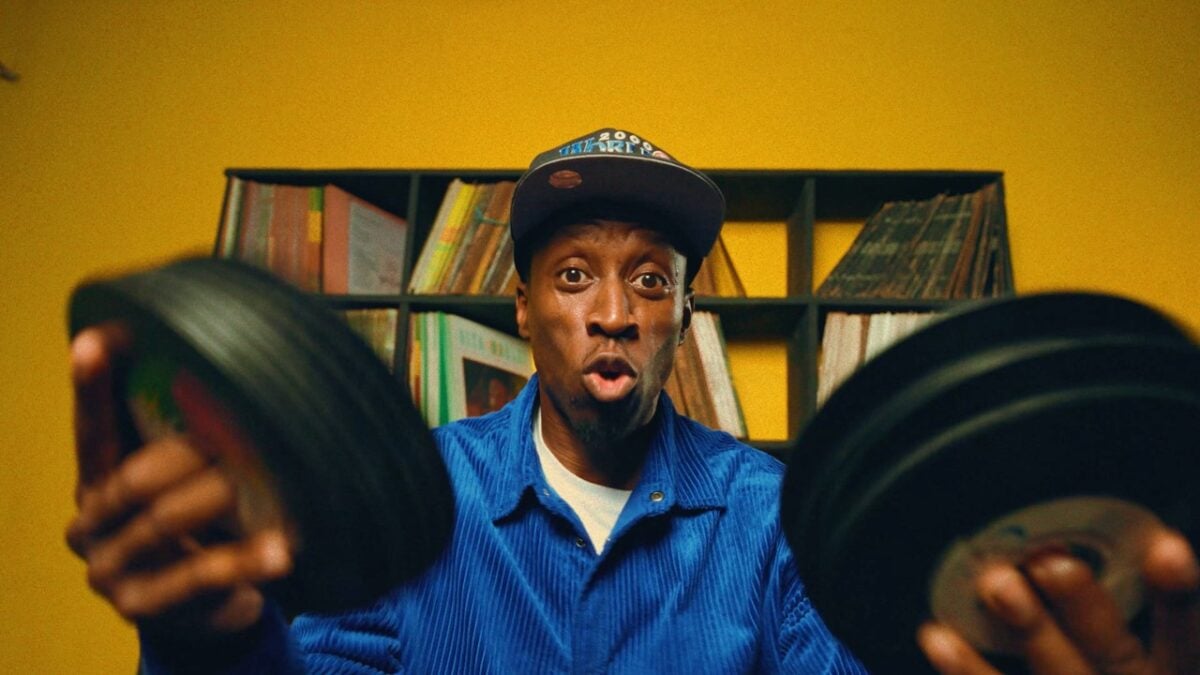
The most telling detail about “My Sound” isn’t who made it, it’s what it’s actually about. Christopher Ellis built the track as a direct tribute to Jamaica’s sound system culture, the selectors, the clashes, the yards, the crowds who kept the whole thing alive long before reggae became a global export.
Produced by Damian “Jr. Gong” Marley and released through Ghetto Youths International, the single puts Ellis right in his element. The rhythm is heavy and up-tempo, designed for the dancehall floor rather than a streaming playlist algorithm.
Damian Marley’s production credit here carries real weight. As someone who grew up inside Jamaican music royalty and has spent decades working across reggae and hip-hop, he understands exactly what a track like this needs to feel authentic rather than nostalgic.
Ellis is the son of Alton Ellis, the Rocksteady pioneer whose influence on Jamaican music runs so deep it’s almost structural. That lineage follows Christopher everywhere, and on “My Sound” he seems to be leaning into it deliberately, connecting the dots between what his father’s generation built and what the culture still looks like today.
That’s not a small thing to pull off. There’s always a risk when an artist from a famous family makes heritage-focused music that it reads as tribute act energy rather than genuine artistic ownership. Ellis sidesteps that here by making the song feel lived-in rather than reverential.
The track arrives at a moment when Ellis has real international momentum behind him. He recently performed at SXSW London and followed that with a sold-out headline show in the city, which suggests his audience outside Jamaica is growing and paying close attention.
London has always had a deep relationship with Jamaican sound system culture, arguably deeper than most cities outside the island itself. The fact that Ellis is selling out shows there while releasing a song that directly celebrates that tradition isn’t a coincidence.
From a cultural standpoint, “My Sound” is doing something that a lot of contemporary reggae doesn’t bother with. It’s pointing back at the infrastructure of the music, the sound systems and selectors who were the original tastemakers before radio, streaming, or social media existed.
Some listeners will hear it as a purist move, a conscious decision to anchor the sound in tradition at a time when dancehall keeps splintering into new hybrid forms. Others will just hear a well-made reggae track with a strong groove and a clear sense of purpose.
Ghetto Youths International has a track record of releasing music that takes the culture seriously, and pairing Ellis with Damian Marley in that context feels deliberate. This isn’t a one-off feature arrangement; it reads more like a statement about where Ellis is planting his flag.
With the London momentum still fresh and this single now out in the world, the conversation around Christopher Ellis as a serious force in reggae rather than just a famous surname is only getting louder.