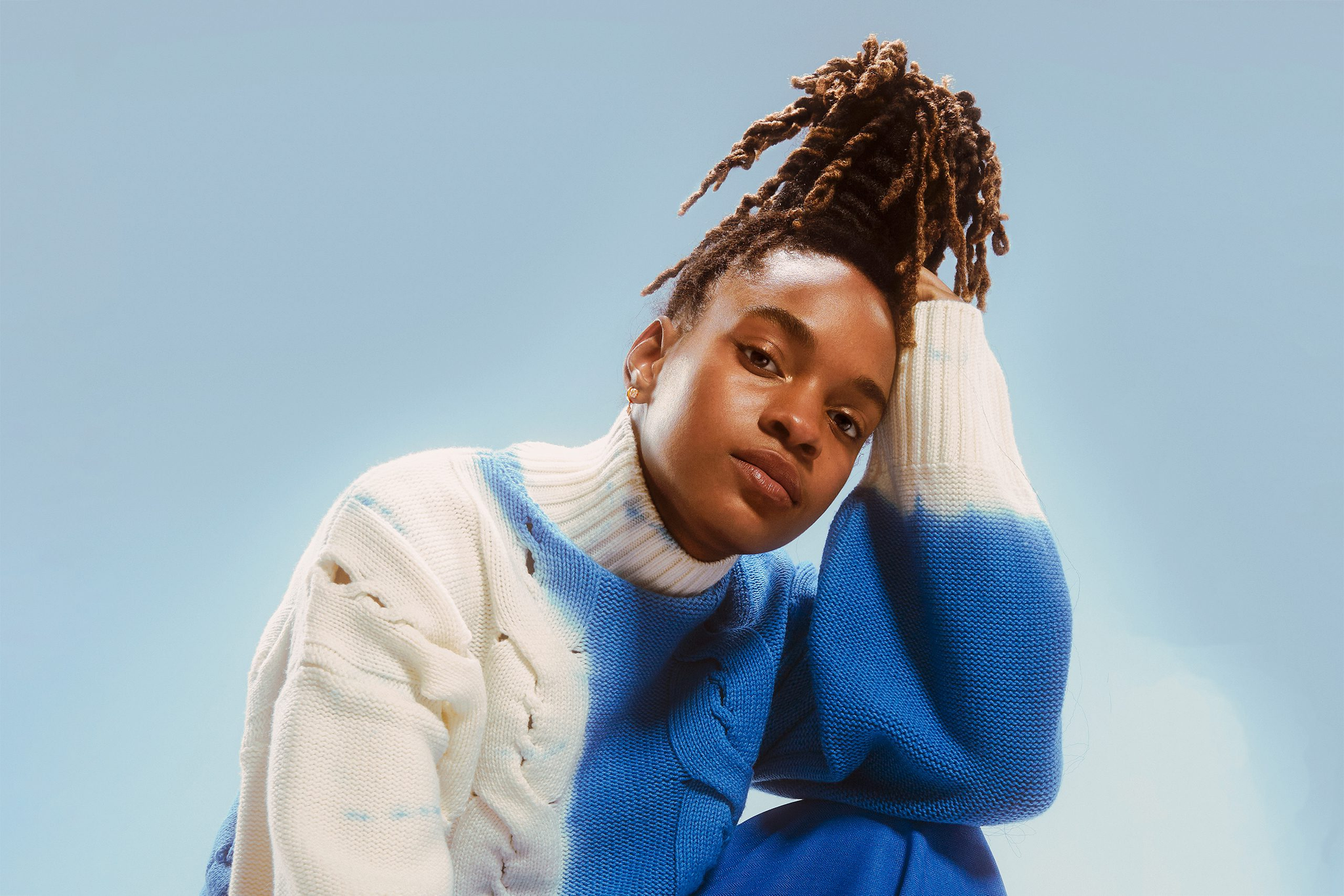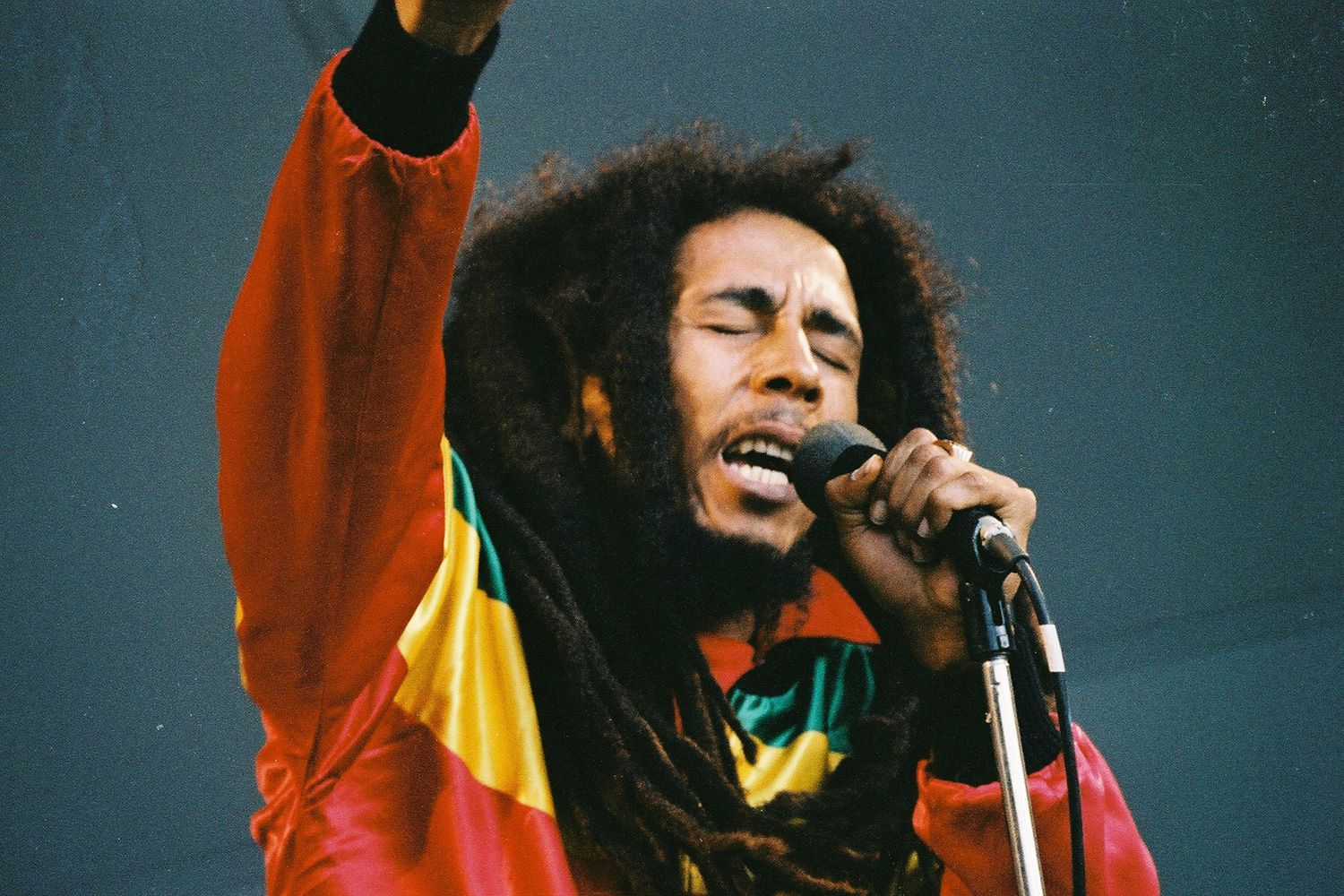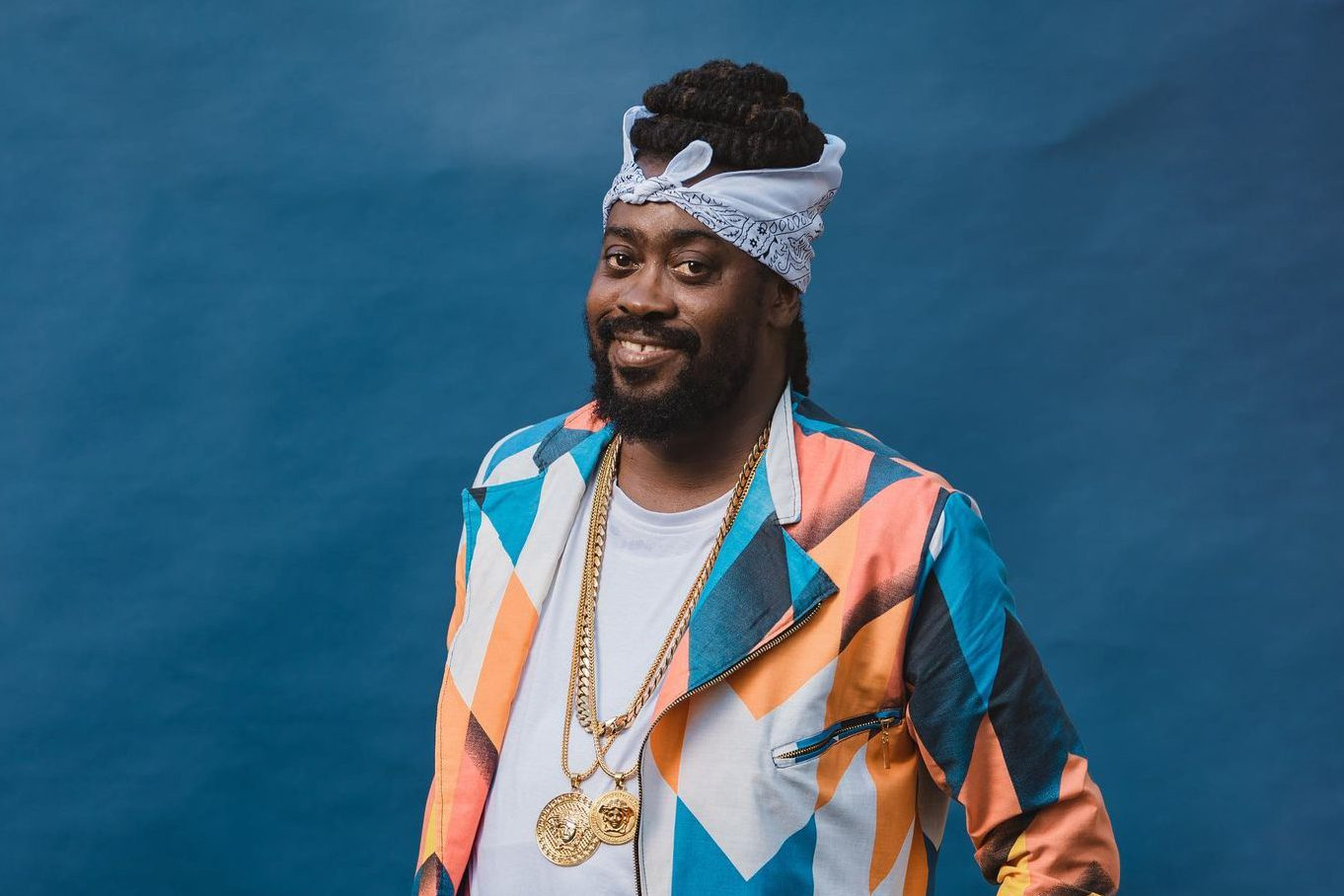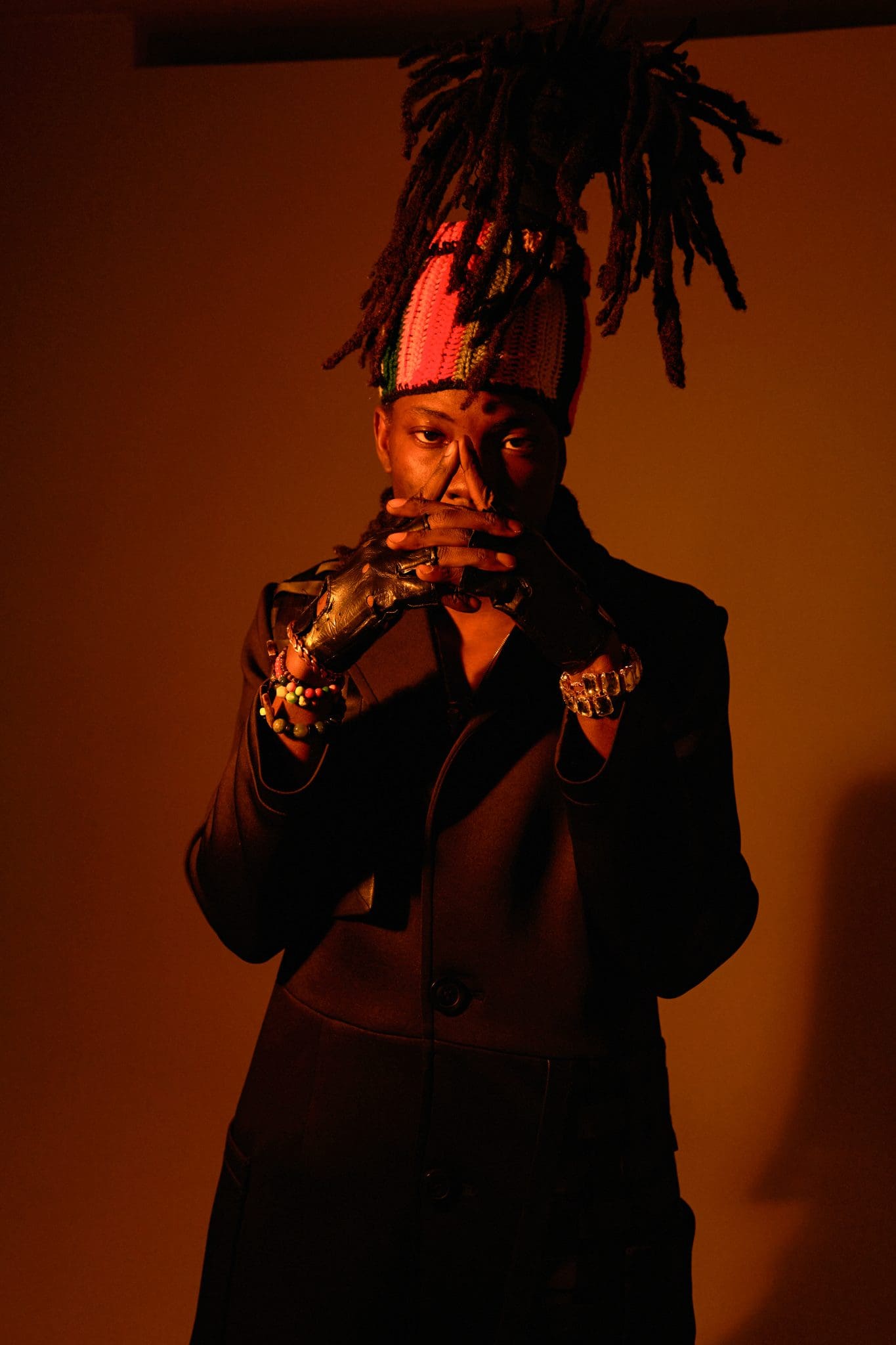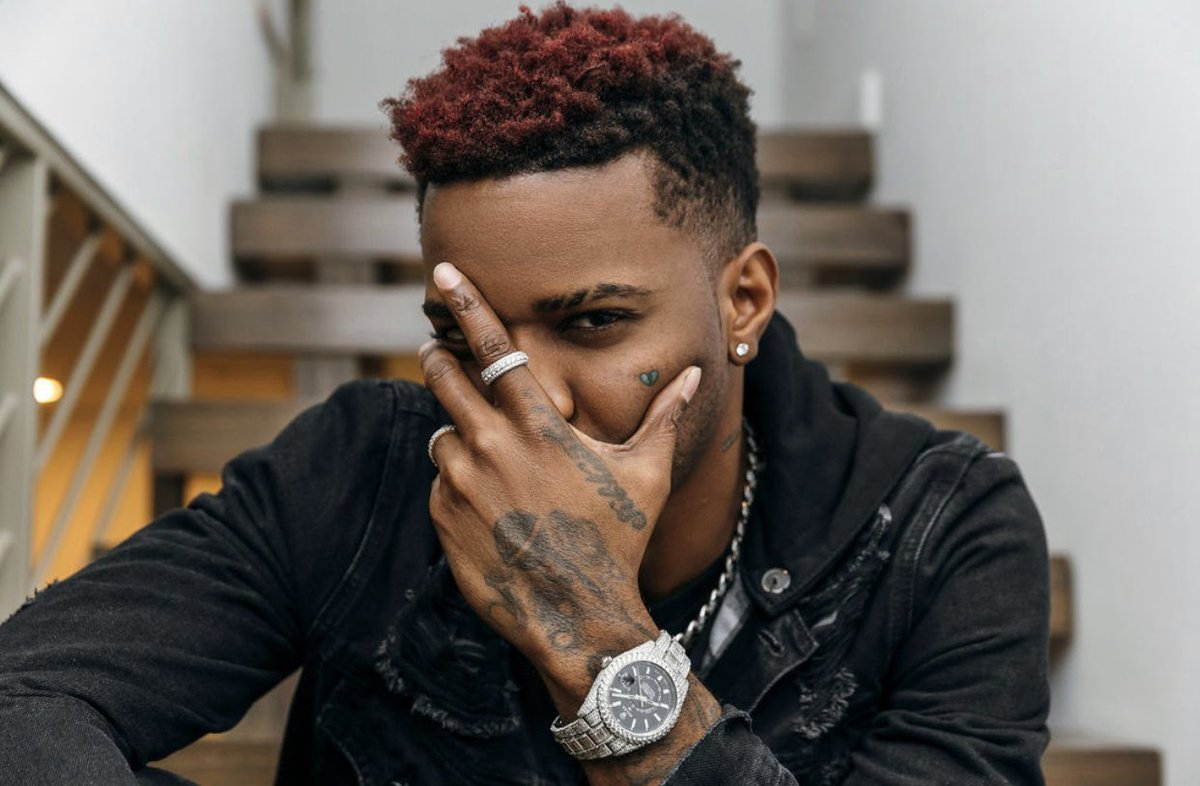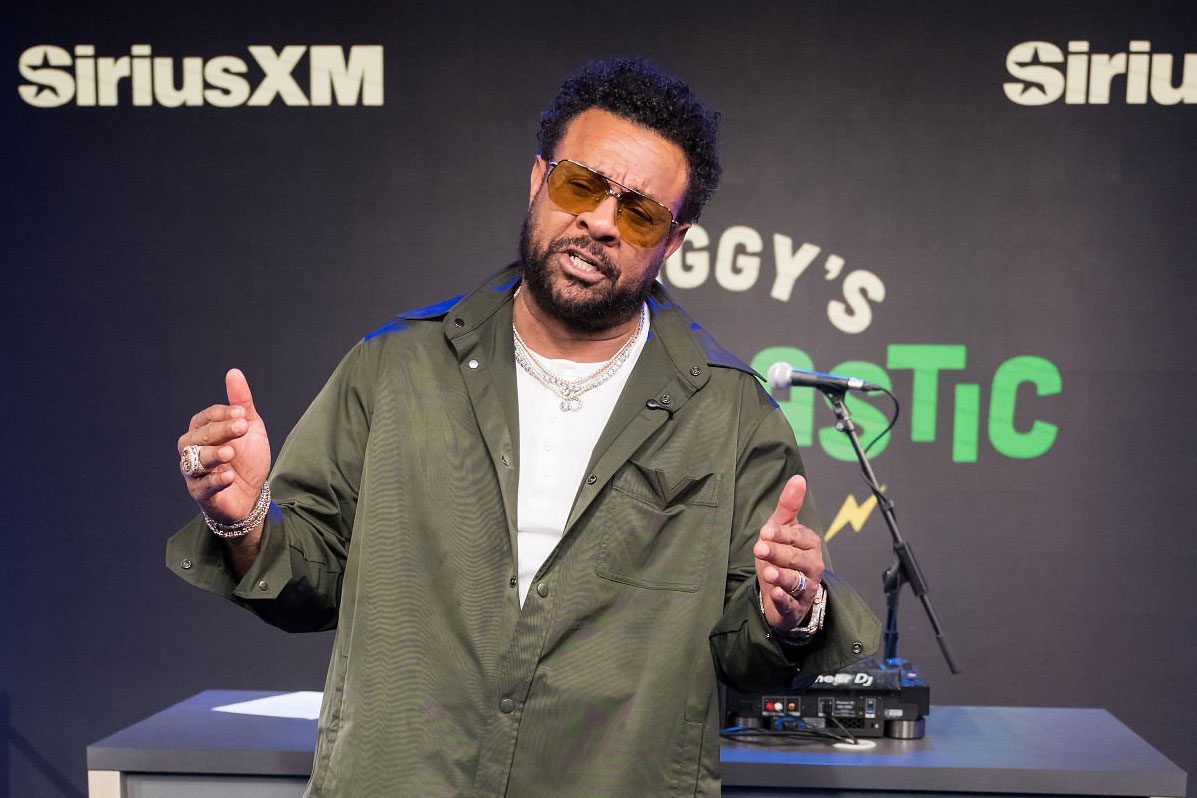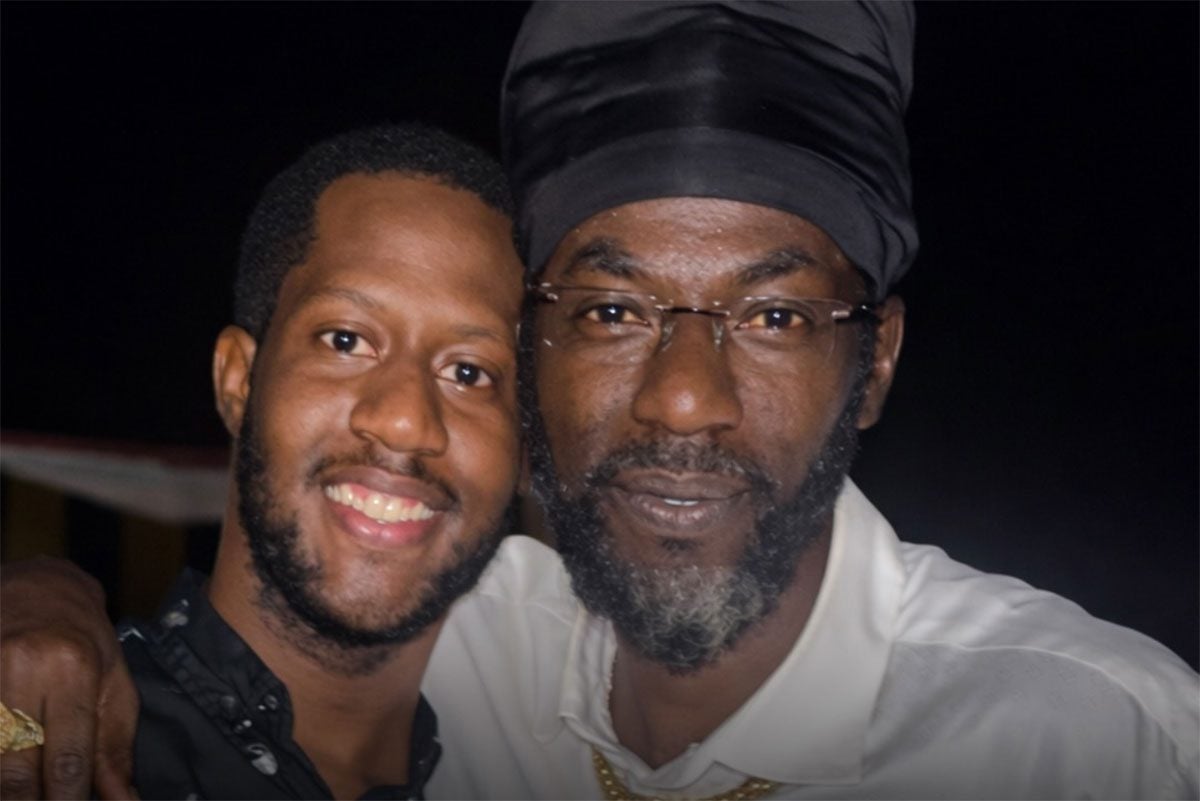

Buju Banton’s son Jahazeil Myrie has said he ‘almost turned gay,’ but that faith and his father’s 1992 song Boom Bye Bye dragged him back toward church.
Jahazeil, himself a recording artist, made the comments on Sheena Power Talk, a faith-based podcast hosted by Sheena Lyn Hanson, in an episode posted to YouTube on Sunday.
“Bwoy Father God, I hope they don’t judge me wrong…I literally almost turn fish,” he said, using a Jamaican slur for a gay man. “Because you know say Satan manipulate your mind and your character.”
“My father’s song dragged back my memory. Mi seh wait nuh, my father sing Boom Bye Bye? …I got up the next day and walk go a church. This is it,” he continued.
Pressed by Hanson on what he meant, Jahazeil affirmed that he had not acted physically on anything. “Almost turned gay because the enemy had my mind a way,” he said.
When asked if he had been lusting after men, he replied, “I wouldn’t say lust still, but the idea of it.”
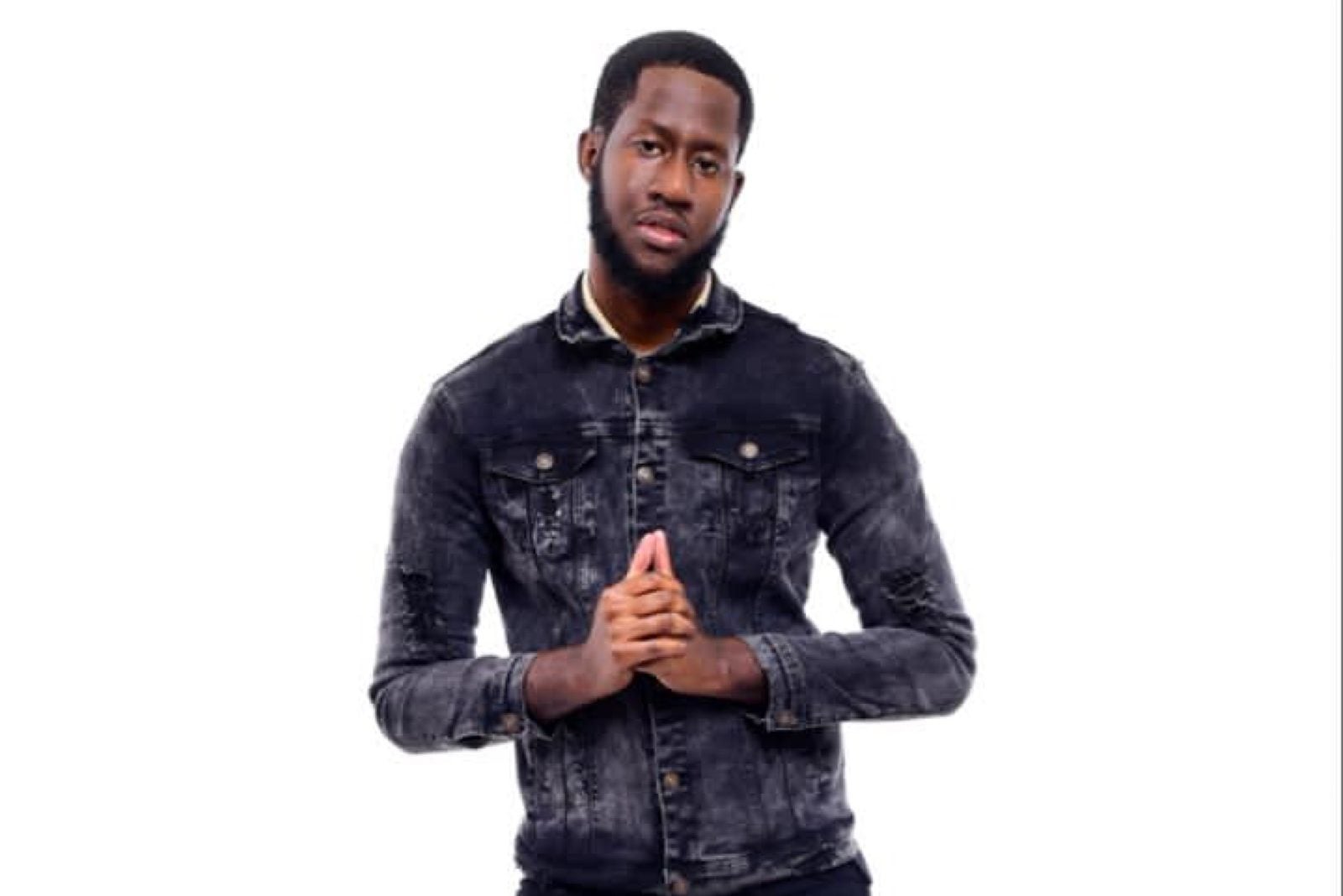
Jahazeil also linked that period to rejection and disappointment in his relationships with women.
“While me never fully understand what I was dealing with, I was facing rejection too. [I felt] like that door was closed at one point with women,” he said, adding that repeated hurt had contributed to the confusion he felt at the time.
Jahazeil has been publicly leaning into Christianity since his baptism in 2024.
On the podcast, he said baptism alone had not solved everything.
“Boy, I checked that it could have helped me, but I realised that you have to do the inner work,” he said. He also credited God with guiding both his music career and his wider spiritual life, saying, “God always shows up every time I am about to give up.”
Banton’s Boom Bye Bye, produced by Clifton ‘Specialist’ Dillon in 1992 when the singer was 19, has long been condemned for lyrics that advocate violence against gay men.
He stopped performing the track after signing the Reggae Compassionate Act in 2007, according to the UK Guardian. The song was later removed from streaming platforms in 2019, and Buju said then that it had caused pain to listeners, his fans, his family, and himself.
According to the Guardian, Buju has also said the song was written when he was a teenager and was aimed at a man in his community who had allegedly molested boys, not at gay men broadly.