

Every visit to Jamaica eventually comes down to one question: what should you eat first?
The answer starts with a breakfast plate of ackee and saltfish, runs through smoky roadside jerk and hot patties tucked into coco bread, and ends at a Kingston table where a young chef is reworking a dish your grandmother would recognise.
This Jamaican food guide covers the plates that matter and where to find them.
Jamaican cooking is a story of arrivals. Taíno, African, Spanish, Portuguese, French, Scottish, Irish, English, Indian, Chinese and Middle Eastern hands all shaped what lands on the plate.
The result is bold, layered and built on scotch bonnet heat, thyme and pimento. One rule holds almost everywhere: the best versions are usually found away from the tourist strip.
Start With Breakfast: Ackee and Saltfish
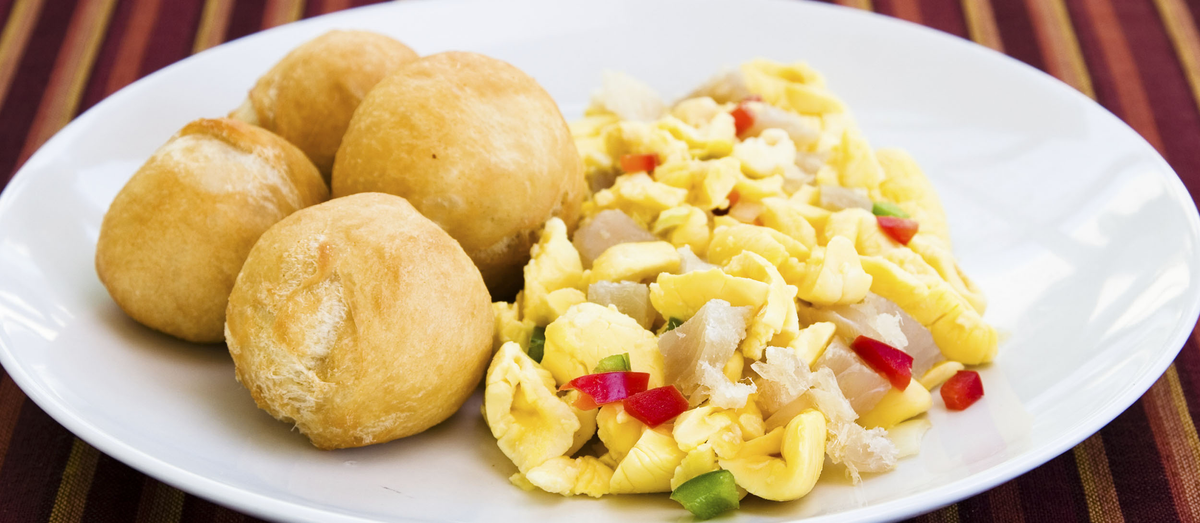
Ackee and saltfish is widely regarded as Jamaica’s national dish, and ackee is the national fruit. The dish has never been made official by law, but nobody on the island needs a statute to know what it means.
Boiled ackee is sautéed with desalted cod, onions, tomatoes, thyme and scotch bonnet. Once cooked, the ackee turns soft and golden, so it looks like scrambled eggs, which suits its role as a traditional breakfast.
It is also a fusion dish. Ackee is native to West Africa, and neither the fruit, the salted cod nor the cooking style is indigenous to Jamaica. History made it Jamaican.
Eat it with fried dumplings, boiled green bananas, yam or roasted breadfruit. Expect to pay roughly $6 to $10 a plate. Vegetarians can order the ackee without the saltfish.
Ackee demands respect. Unripe fruit contains hypoglycin A, which causes what doctors call “Jamaican vomiting sickness.”
Symptoms include vomiting and severe low blood sugar, and serious cases can lead to seizures and coma. Heat does not fix the problem.
As the FDA puts it, “Cooking an unripe fruit will not reduce the level of hypoglycin A.” Even ripe ackee carries high levels in its seeds and rind, so only the cleaned yellow flesh is eaten.
The traveller’s rule is simple: ackee that has not opened on its own is unripe, so leave it alone. In practice, restaurants and home cooks on the island know the fruit well.
Back in the United States, the FDA banned canned ackee in 1973, and Jamaican processors later won an exemption in 1998 after developing safety plans.
Canned ackee is legal there only from processors on the FDA “Green List,” and fresh ackee is very rarely sold.
Jerk: Follow the Smoke
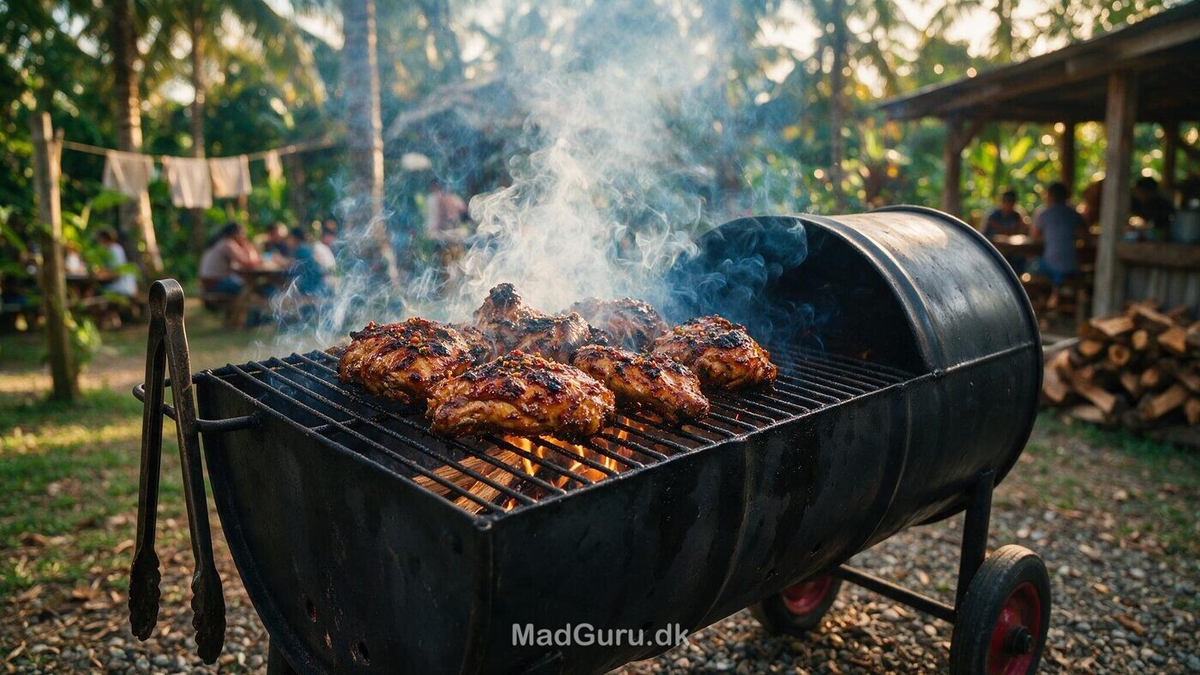
Jerk is generally traced to the Maroons, who seasoned meat and slow-cooked it over pimento wood in underground pits, reportedly to keep the smoke hidden from the British. The Gleaner notes that the Taíno had a similar technique.
The flavour is unmistakable: scotch bonnet fire, thyme and the warm, clove-like depth of allspice, which Jamaicans call pimento.
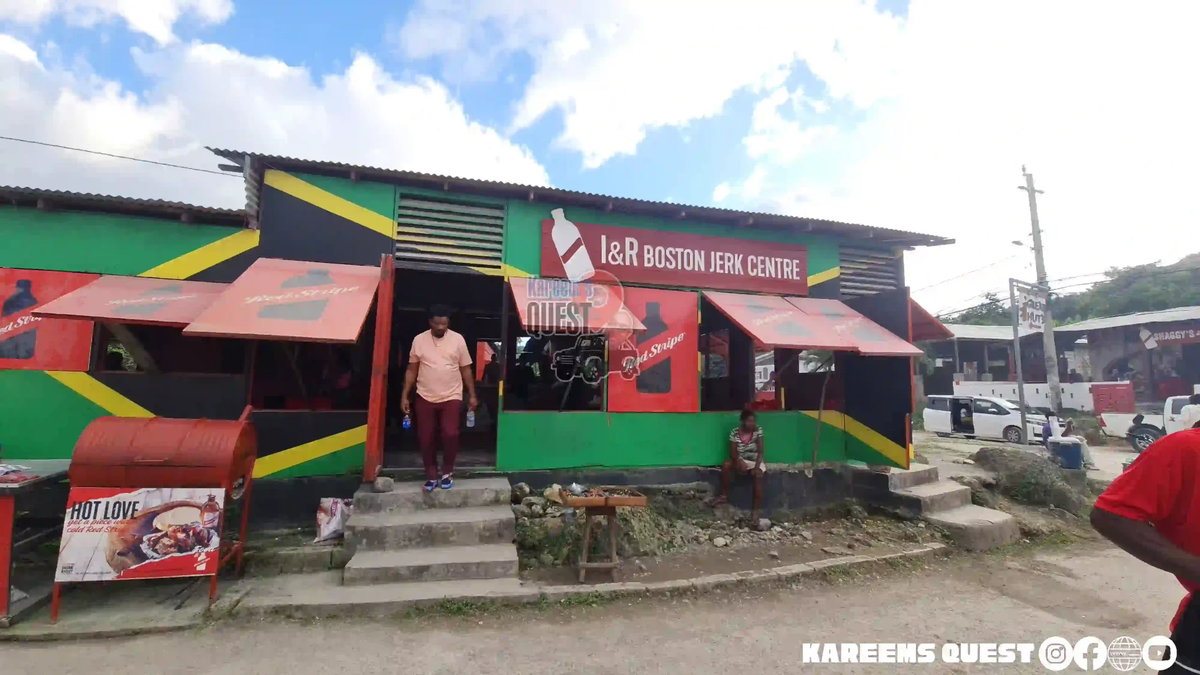
Boston Bay in Portland is widely considered the birthplace of jerk, and the Boston Jerk Centre is the pilgrimage. It is a cluster of family-run pits and stalls rather than a single restaurant.
Pork and chicken come off the fire with festival, hard-dough bread and roast breadfruit. Stroll the stalls, accept a “taste and buy” sample, and head for whichever pit has the busiest smoke.
Names to know include Gurley Aston Jerk Center, Little David’s Jerk Centre and Mickey’s Jerk Pit. Recipes are guarded closely.
Speaking around 2024, Donovan Thompson of Mickey’s recalled that “my Uncle Taric told me never to tell anyone exactly what’s in our jerk.” Budget roughly $5 to $8 a meal.
You do not have to drive to Portland, though. Roadside jerk huts sit in nearly every town. In Kingston, jerk men turn steel drums into pits, and resorts in Montego Bay, Ocho Rios and Negril put jerk on their buffets.
Patties and Coco Bread
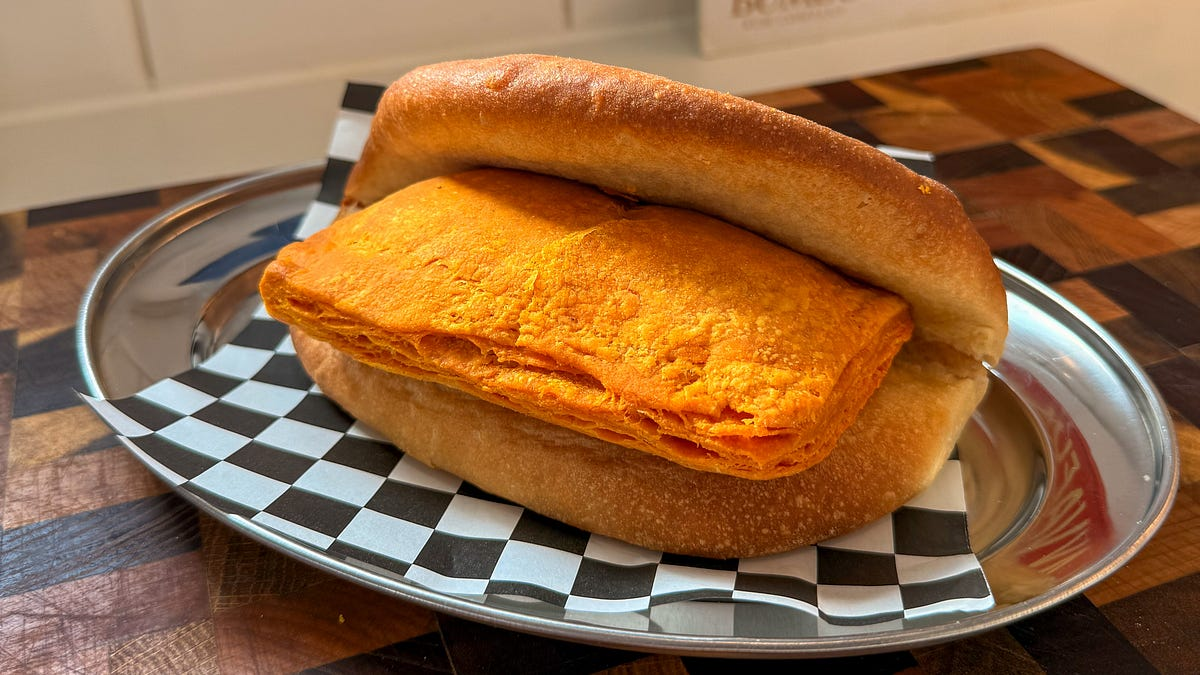
The Jamaican patty carries traces of the Cornish pasty, the Spanish turnover and Indian spice, all folded into flaky golden pastry.
Chinese Jamaican families took it commercial in the 1960s. Vincent Chang founded Tastee in 1966, and Jukie Chin founded Juici Patties in 1978, opening the first shop in May Pen in 1980.
Mother’s followed in 1981, and Bruce’s Patties in Kingston is said to date back to 1930. Juici has since crossed the water, with four Florida restaurants as of 2024.
Order beef first, then explore. Tastee does a jerk chicken patty, Juici pioneered shrimp and lobster, and ackee and saltfish patties exist too. Slide yours into soft, slightly sweet coco bread and you have a full meal for very little money.
More Plates to Order
If you want to ease in, start with brown stew chicken and rice and peas before moving on to jerk and escoveitch fish. Then work through the classics: oxtail, jerk pork and curry goat.
Curry goat arrived with East Indian indentured labourers and remains the centrepiece of weddings and family gatherings.
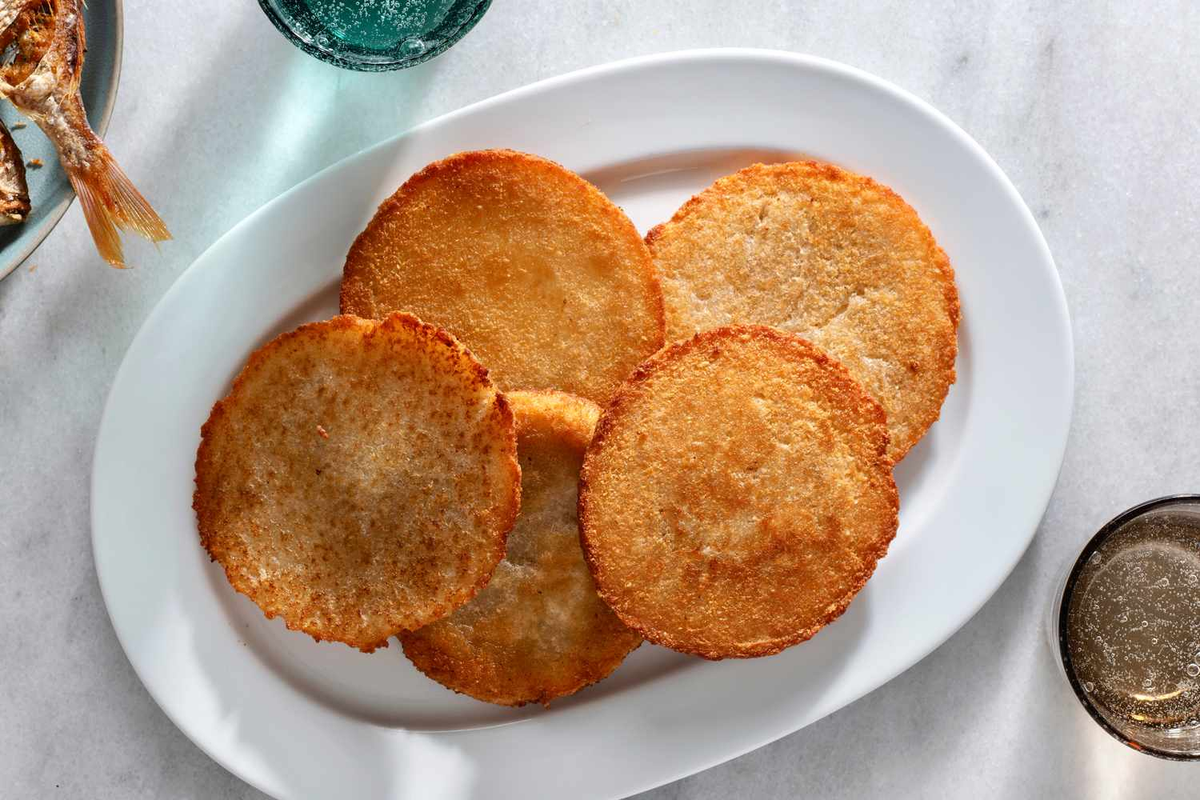
Learn the sides, because they matter as much as the mains. Bammy is a cassava flatbread handed down from the Taíno. Festival is a sweet fried dumpling that cools a jerk burn.
For breakfast beyond ackee, try callaloo and saltfish, mackerel rundown (a mackerel stew cooked down in coconut milk), cornmeal or peanut porridge, and a cup of chocolate tea or Blue Mountain coffee. Plant-based eaters should look for Ital, the cooking of Rastafari.
Where to Eat
Boston Jerk Centre comes first, no argument. Piggy’s Jerk Centre is another strong stop for jerk and festival, while Ballaz serves homestyle cooking when you want a break from the smoke.
The capital rewards an appetite. M10 Bar & Grill is the call for oxtail, and Plantation Smokehouse on Constant Spring Road does curry goat. Kingston Jerk is often named by locals as the city’s top jerk spot.
Out in Port Royal, Y-Knot Bar & Grill handles seafood, and Gloria’s Rendezvous is the place for steamed fish and bammy by the water.
For a glimpse of where the cuisine is heading, Broken Plate serves a modern fusion menu that includes curried goat sushi rolls, one sign of how Kingston’s newer chefs are reshaping old dishes.
For casual stops, grab a patty at Tastee or a treat at Devon House Bakery. Hours and menus change, so check before you set out.
On the north coast, the resort buffets will give you a decent introduction. The real reward comes from the roadside hut with a queue and a drum pit, the same rule that applies from Montego Bay to Kingston.
Why It All Tastes Like Home
Jamaican food works like the island’s music: many influences, one unmistakable voice.
A plate of ackee and saltfish holds West Africa, the Atlantic cod trade and Jamaican breakfast tables all at once.
A jerk pit in Boston Bay carries the memory of the Maroons in every curl of pimento smoke. A patty from a Chinese Jamaican bakery tells you how migration made something new.
Eat widely, ask questions, take the sample when it is offered, and follow the smoke. The country explains itself best one plate at a time.