

Every July, the road into Montego Bay fills with people chasing one thing: a night under the stars when dancehall and reggae meet on the biggest stage in the Caribbean.
Reggae Sumfest is billed as the largest music festival in Jamaica and the region, and its story is one of nerve, timing and a city that refused to give up its claim on live music.
The Reggae Sumfest history begins in 1993, when a group of Montego Bay businessmen saw a gap opening in the island’s festival calendar and moved to fill it.
Three decades later the festival has survived ownership changes, a pandemic, the loss of its founding visionary and a hurricane.
Here is how it got from a cleared swamp in Catherine Hall to a brand with ambitions well beyond Jamaica’s shores.
Born in the Shadow of Sunsplash
To understand Sumfest, you have to start with the festival that came before it. Reggae Sunsplash first lit up Jarrett Park in Montego Bay in June 1978, promoted as the “biggest reggae festival in the history of the world.” Tony Johnson’s company Synergy launched it with partners Ronnie Burke, John Wakeling and Don Green.
It made no profit that first year, but it changed the culture. “It brought back live entertainment in Jamaica and established MoBay as a place for music,” Burke later reflected.
Sunsplash moved venues several times over the years. By one account, its fortunes slipped in the early 1990s after it left its original Montego Bay home. The event eventually folded in 1998 at White River Reggae Park near Ocho Rios.
Long before that final curtain, Montego Bay’s business community had already sensed the vacuum and decided the city would not lose its title as Jamaica’s music capital.
The Founders and the First Night
Robert “Ducksie” Russell was central to that decision. Born in 1948 and raised in Kingston, Russell had worked as assistant director to Perry Henzell on The Harder They Come, the film that carried Jamaican music to the world.
The two men later founded Sumfest together under the company Summerfest Productions Limited. Russell went on to own Pier One, the waterfront eatery that became a Sumfest institution in its own right.
The first edition landed in August 1993 at what was then the Bob Marley Entertainment Centre in Catherine Hall.
The bill set the template the festival still follows: a Roots and Culture Night featuring Bunny Wailer and Sugar Minott, and a Singers/International Night closed by Barrington Levy alongside the American hip-hop group Naughty by Nature.
Jamaican foundation artists and international stars on one weekend made for a mix that would define Sumfest for decades.
Building the grounds was a feat of its own. “We took what was swamp, Catherine Hall, and in 13 weeks transformed it into what it is now,” Russell told the Gleaner in 2007.
He began by running security for the festival and by then had served as chairman for seven years, with Red Stripe as title sponsor.
Growing Into a Week
What started as a few nights grew into a week-long programme, complete with seminars and workshops alongside the concerts.
The 2025 schedule, which ran July 13 to 19, shows how far the format stretched: a Family Funday, a street dance, the All White party at Pier One, Blitz, and Global Fête, a reimagined take on the old Global Sound Clash. Crowds of more than 30,000 patrons a year now make the pilgrimage to St James.
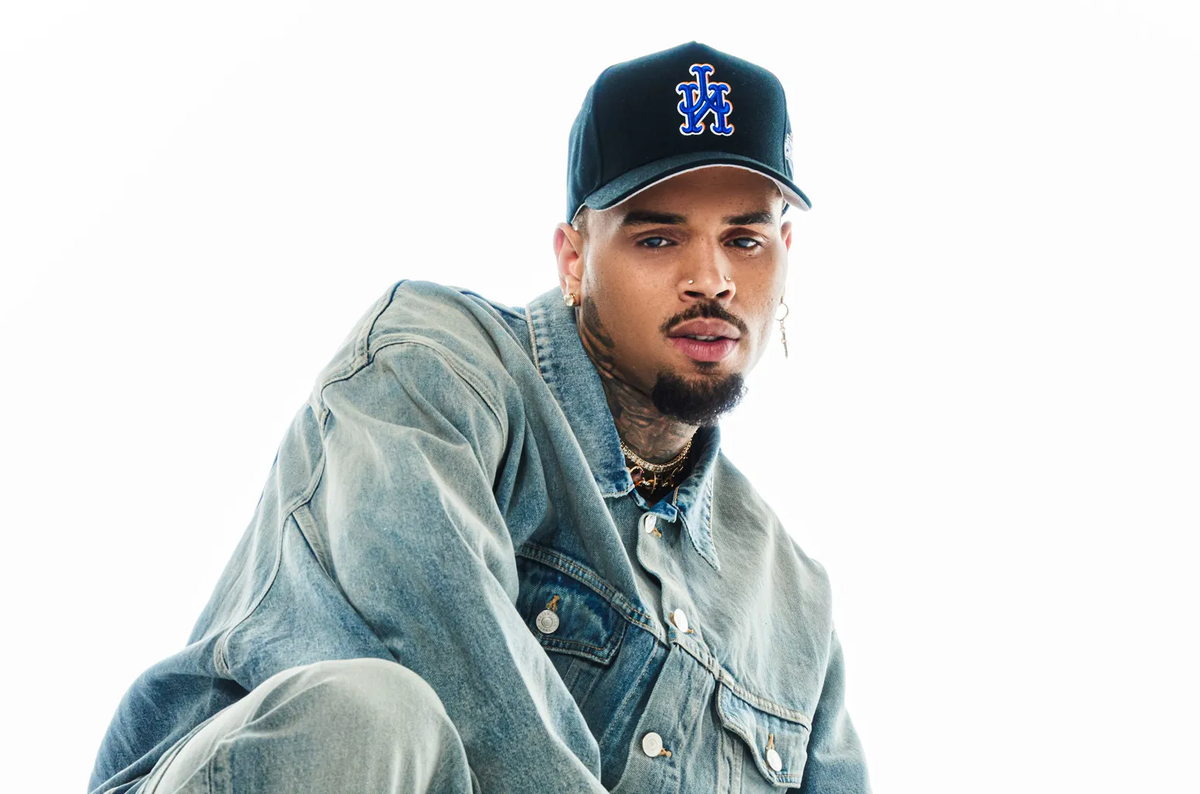
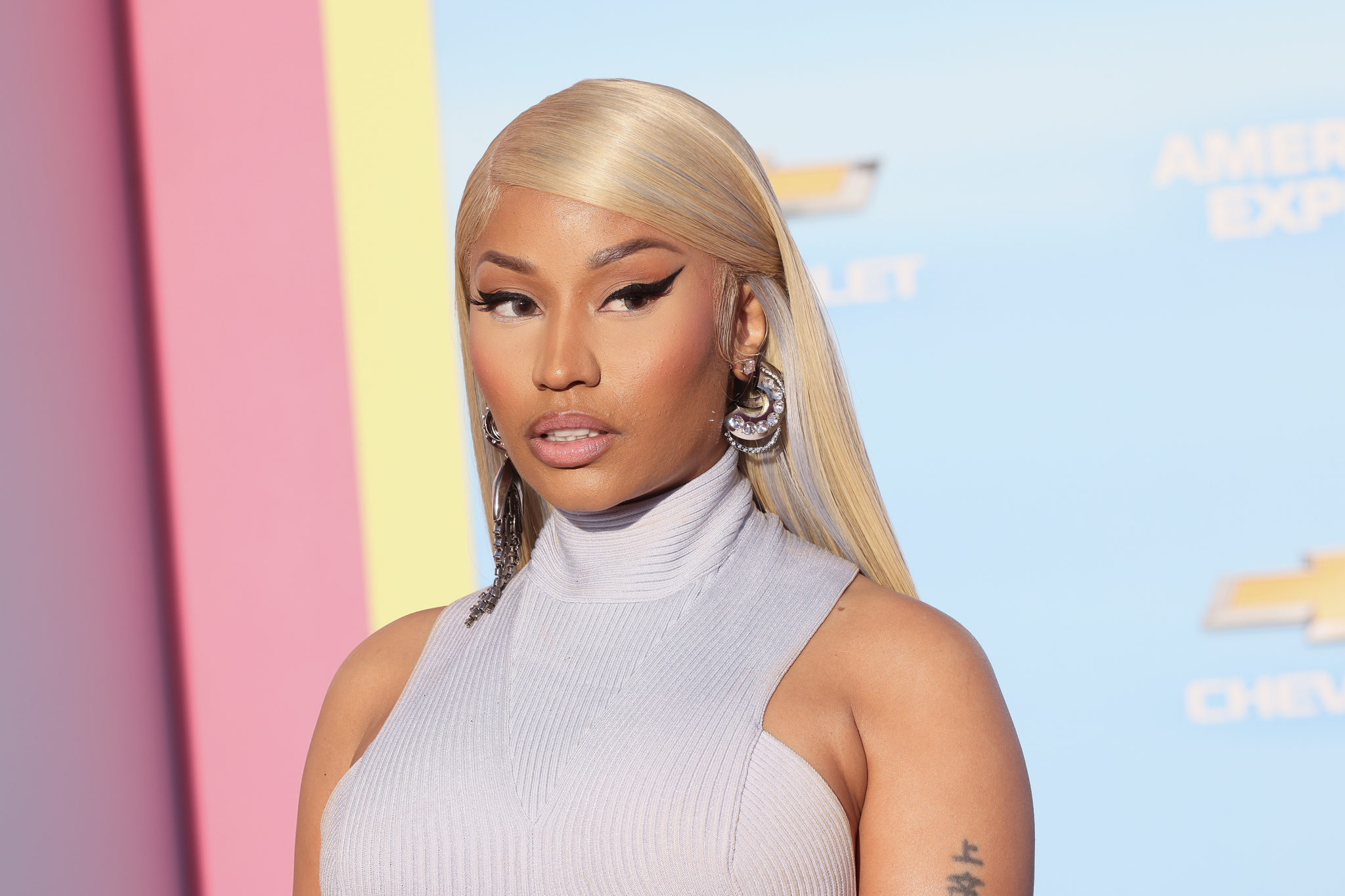
The international bookings grew too. Over the years, the festival’s stages hosted Rihanna, Kanye West, Chris Brown, Nicki Minaj, Wiz Khalifa, Usher and Destiny’s Child. Usher headlined in 2010.
The festival also used its platform to honour pioneers, presenting its Reggae Icon award to E.T. Webster in 2011.
Inside Catherine Hall, a Wall of Fame carries portraits of Jamaican artistes. Russell is one of the few non-performers to earn a place on it.
The DownSound Era
In April 2016, Summerfest Productions sold the festival and its trademark to DownSound Records, opening a new chapter under CEO Joe Bogdanovich. His plans have been big from the start.
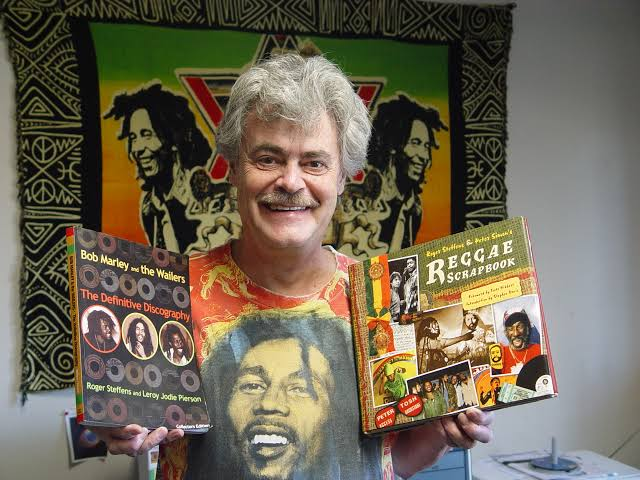
In 2022 he announced he would permanently house Roger Steffens‘ reggae archive at Catherine Hall. He has also spoken about securing a 30-year lease on the venue, with ideas that include restaurants, boardwalks and a reggae museum.
The festival weathered COVID-19 by going virtual in 2020, then returned to celebrate its 30th anniversary staging in 2023.
Russell predicted record overseas attendance that year, adding, “Sponsors are just anxious to be identified.”
Losing Ducksie, Crowning a King
Russell died on December 11, 2024, aged 75. Tourism Minister Edmund Bartlett called him “the mastermind behind the greatest reggae show on earth.”
Sumfest 2025 became the first staging without him, and DownSound honoured him posthumously on Saturday night, July 19.
That 2025 edition delivered some of the festival’s most talked-about moments. On Festival Night One, Spice crowned Vybz Kartel “King of the Dancehall” in front of a massive crowd.
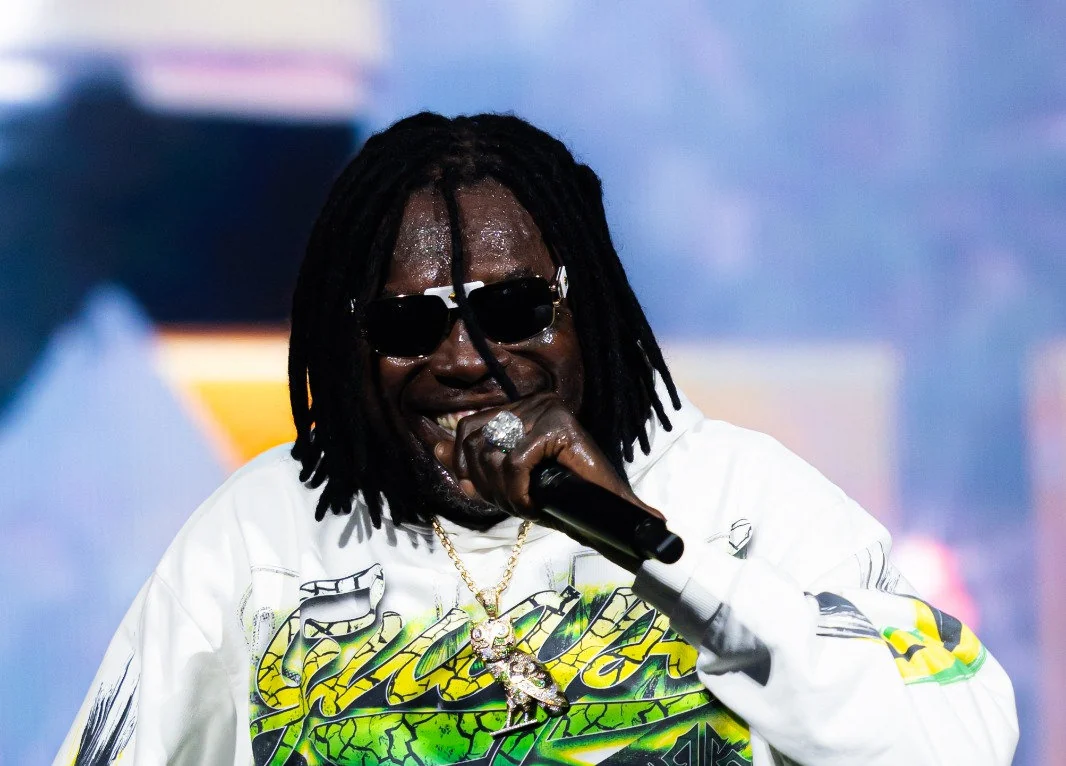
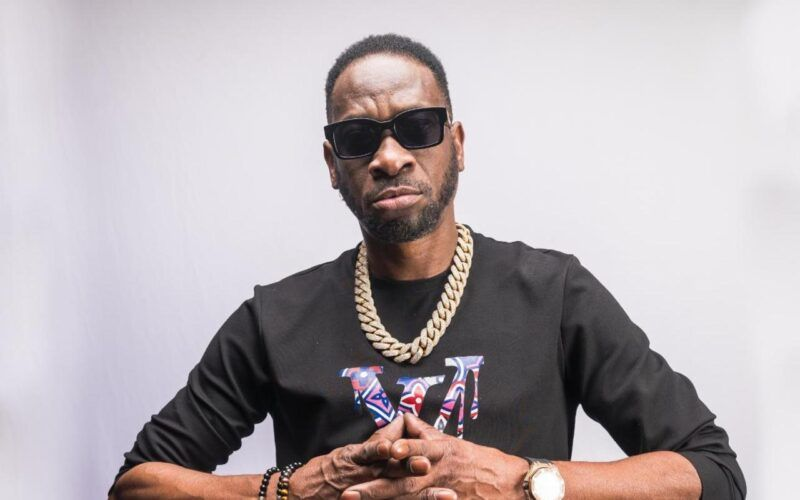
Bugle made a triumphant return after nine years away, while R&B star Toni Braxton drew criticism for a weak headlining set.
“This has been the largest crowd I’ve seen at Reggae Sumfest,” Bartlett said, though patrons also complained about pickpockets and the risk of a stampede.
Hurricane Melissa and a Night for the History Books
Then came Hurricane Melissa on October 28, 2025. Montego Bay took heavy damage, and flood waters broke part of Catherine Hall’s perimeter wall and the murals painted on it. The UDC set a target of August 2026 to complete repairs, too late for the July festival.
DownSound pivoted. Sumfest 2026 became “A Taste of Reggae Sumfest,” a one-night event on Saturday, July 18, at Plantation Cove in St Ann. Bogdanovich was quick to reassure the faithful: “this is not a relocation of the festival from Catherine Hall Entertainment Complex,” he said. “Montego Bay remains the home of Reggae Sumfest.”
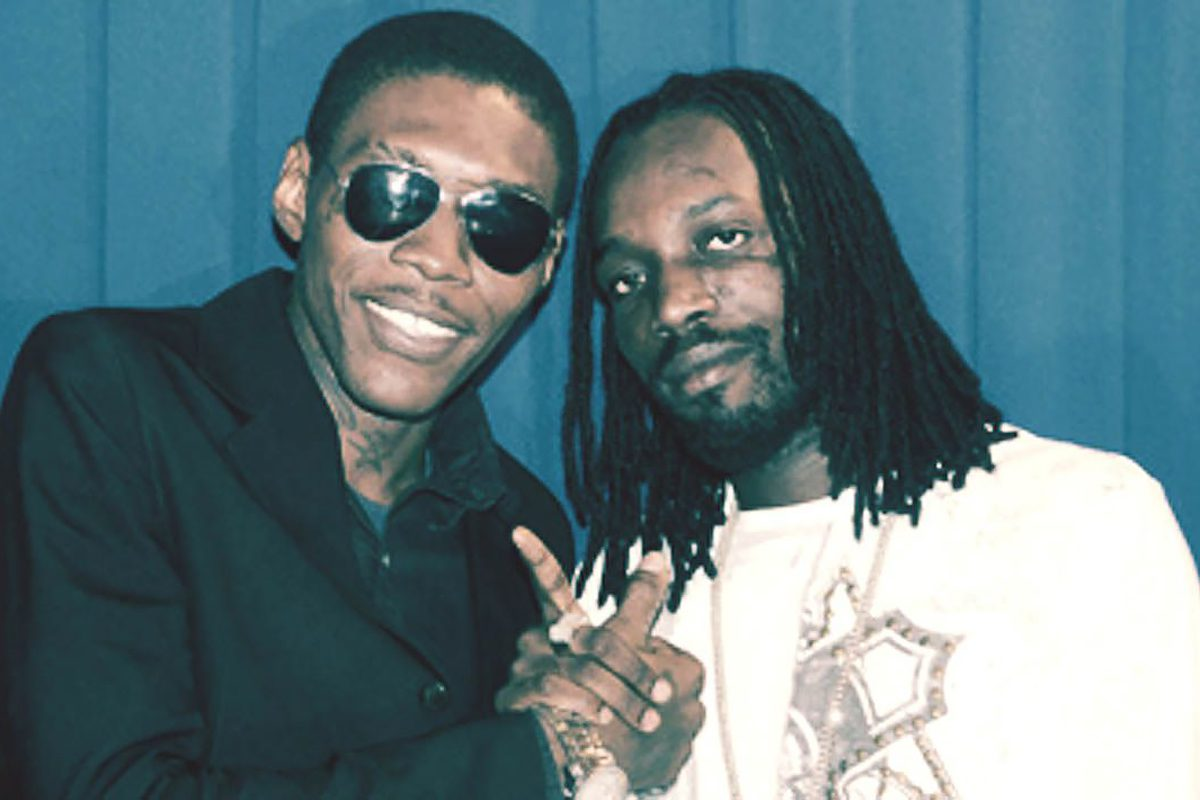
The headline booking was seismic. Vybz Kartel and Mavado, billed as “Gaza vs Gully,” shared a stage for the first time since 2008.
Bogdanovich framed it carefully: “this moment is about celebrating that legacy, not conflict.” Queen Ifrica, Ayetian, Jamal, Marcy Chin, Young Wild Apache, Shawn Storm and Harry Toddler filled out the bill, with J. Wray & Nephew’s Magnum now title sponsor and Red Stripe still the official beer.
Part of the proceeds were earmarked for rebuilding St James and Catherine Hall. The Observer summed up the result as “a night for the dancehall history books.”
Why Sumfest Still Matters
The thread running through the Reggae Sumfest history is resilience. It rose out of the space Sunsplash left behind, turned a swamp into a home for Jamaican music, and kept the gates open through a pandemic, the passing of its founder and a hurricane that tore through its host city. Each time, the festival found a way to put the artists and the crowd back together.
Now the brand is reaching outward, with a Miami launch in May 2026 and plans for international pop-ups and showcases. Questions remain about where 2027 will land, with no talks yet held on the next staging.
But for anyone who has stood in that July night air waiting for a selector’s first tune, Sumfest has always been about more than a venue. It is Montego Bay’s promise that the music will play on.