

Eminem’s camp has opened a new front in the long fight over what songwriters get paid, and this time the target isn’t a streaming giant.
Eight Mile Style and Martin Affiliated, the companies that administer his compositions, are pushing back on a proposed industry deal that would set royalties on vinyl, CDs and downloads from 2028 through 2032.
Their objection arrives just as a smaller raise lands for 2027. The Copyright Royalty Board’s new rule, published November 27, lifts the statutory rate to 13.6 cents per composition, or 2.62 cents per minute or fraction of a minute, whichever pays more.
That’s up from 13.1 cents per song, or 2.52 cents per minute, in 2026. The bump is a cost-of-living adjustment and runs from January 1 through December 31, 2027.
In practical terms, the change is modest. A record with ten four-minute songs would generate $1.36 in composition royalties per copy instead of $1.31, before rights holders split it up.
These payments cover the song itself, meaning the music and the lyrics, not the master recording a performer or label might own. The rule also leaves on-demand streaming rates untouched.
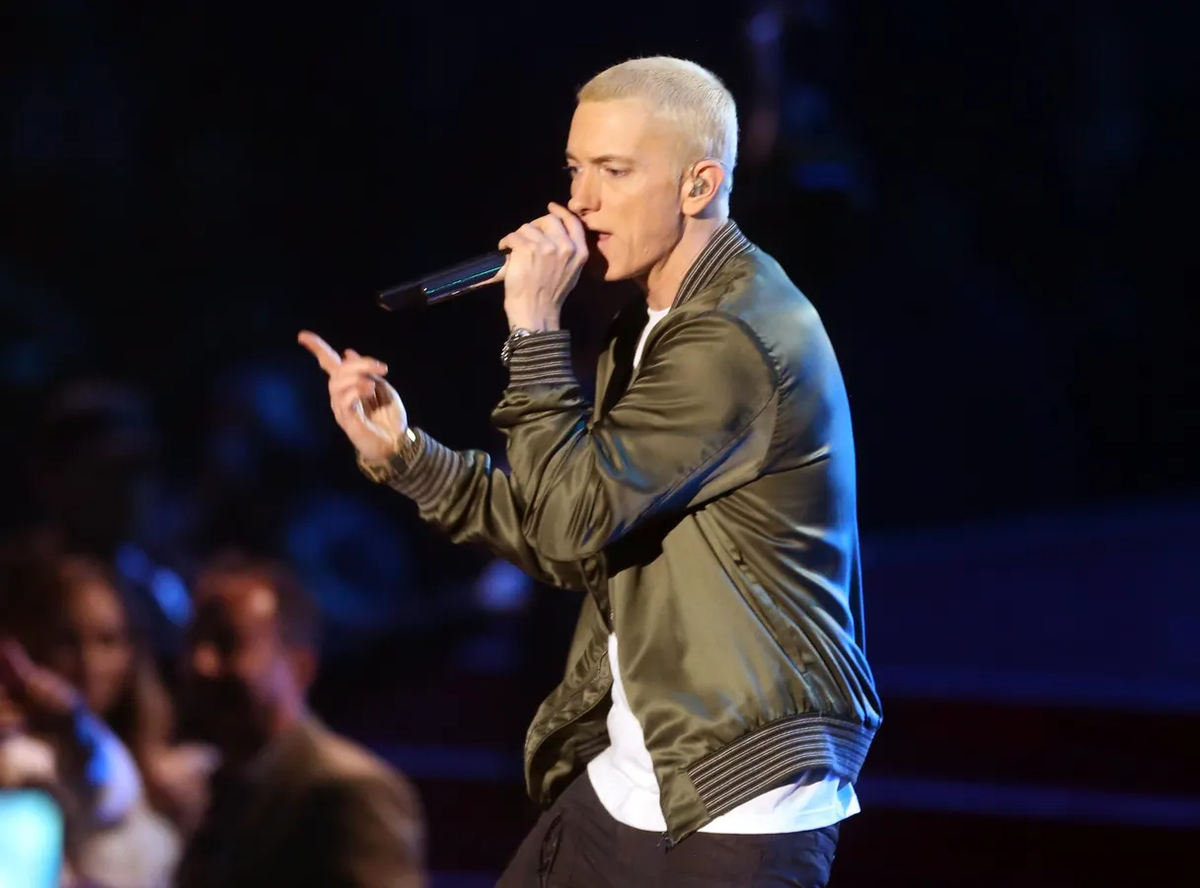
The bigger argument is about what comes next. Eight Mile Style and Martin Affiliated have teamed up with Bridgeport Music and Southfield Music, publishers whose catalogs lean heavily on funk, soul and gospel, to oppose the settlement on the table for 2028 to 2032.
Their issue is the starting line. The deal keeps 12 cents, the 2023 rate, as the base for calculating inflation, and the four publishers want the 2028 rate set at 15.6 cents per song instead, with yearly inflation adjustments through 2032.
“Supporters of the Proposed Settlement will claim it calls for a rate increase; however, an inflation stabilizer is no true rate increase,” they wrote.
The other side sees it differently. Three groups backing the proposal argued that 12 cents is only a reference point, not what any songwriter would actually collect in 2028.
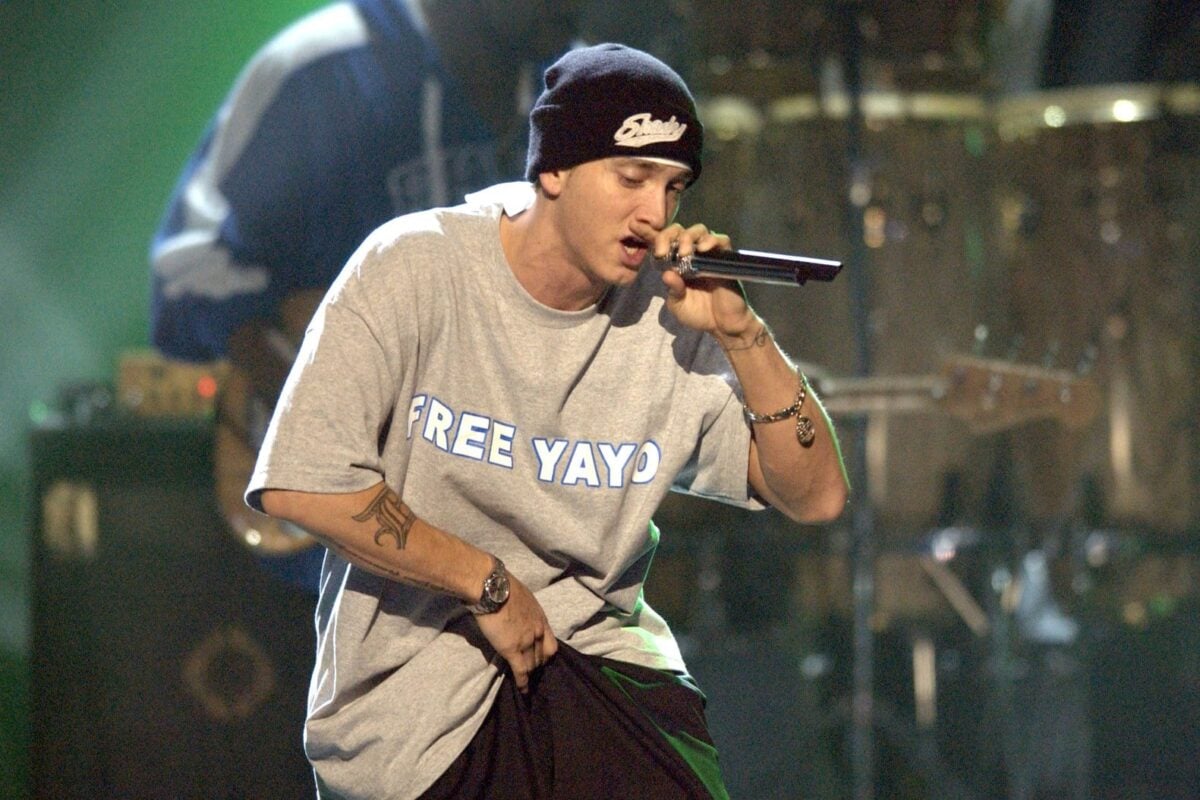
They said running the same formula to track cumulative inflation would land at the same number, give or take rounding.
Back in October, the National Music Publishers’ Association, Nashville Songwriters Association International and Music Artists Coalition said the formula “ensures that the royalties for downloads and physical products continue to keep pace with inflation.
None of this is unfamiliar territory for Eight Mile Style. The publisher sued Spotify in 2019 over how Eminem’s catalog was licensed for streaming, and Bridgeport has spent decades in court protecting its funk holdings, including a well-known sampling case over a Funkadelic recording.
That history makes their stance here easy to read. Both companies have shown they’re willing to break from the wider industry when they think the math shortchanges writers.
The 2028 proceeding is already crowded. Alongside the fight over physical sales and downloads, a separate battle over what streaming services should pay is underway, with Amazon Music pushing for lower rates.