

The Laing family’s thank-you note pulls back the curtain on two years most fans never saw.
Before Lt. Stitchie’s funeral last Saturday, there was a long illness, and a circle of people quietly paying for medical care, bringing food and arranging transportation.
The message, shared on the artiste’s own Facebook page and signed by “The Laing Family,” thanks everyone who “stood with us throughout the past two years, from the time our beloved Cleve Aman Laing, affectionately known as Lt. Stitchie, became ill, to his final farewell.”
The family doesn’t name the illness. They describe the stretch as “filled with difficult moments, emotional challenges, prayers, hope and, ultimately, the painful reality of saying goodbye.”
What stands out is how practical the gratitude gets. The family thanks people who offered financial help, contributed to his medical care, provided food, transport and “other necessities,” along with the doctors and nurses who treated him. They stress that “whether your contribution was large or small, every gesture made a difference.”
One name gets singled out above everyone else: Olivia “Babsy” Grange. The family offers a “very special” thank you to the minister, citing her “support, generosity, compassion and willingness to assist our family throughout this difficult journey.”
Grange has long been closely tied to Jamaica’s entertainment and culture portfolio, so her presence in a veteran deejay’s final chapter will not surprise many in the industry.
That shout-out raises a familiar question in Jamaican music circles. Many of the artistes who built dancehall’s global reach have had to lean on fundraising, friends and political goodwill when their health fails. The note doesn’t comment on that directly, but it is plain that community support carried much of the load.
The family also thanks everyone who turned the funeral into what they call “a beautiful and dignified celebration of his life.”
The list covers ministers of religion, musicians, speakers, entertainers, funeral service providers, media, the entertainment fraternity, his church family, and people who “travelled from near and far.
The final paragraphs show how Stitchie’s two worlds met at the end. He rose as one of dancehall’s sharpest deejays and later became a gospel artiste and minister.
The family addresses those “who considered Cleve more than an artiste, who knew him as a brother, friend, uncle, mentor and servant of God,” and thanks them for “celebrating the man behind the music.
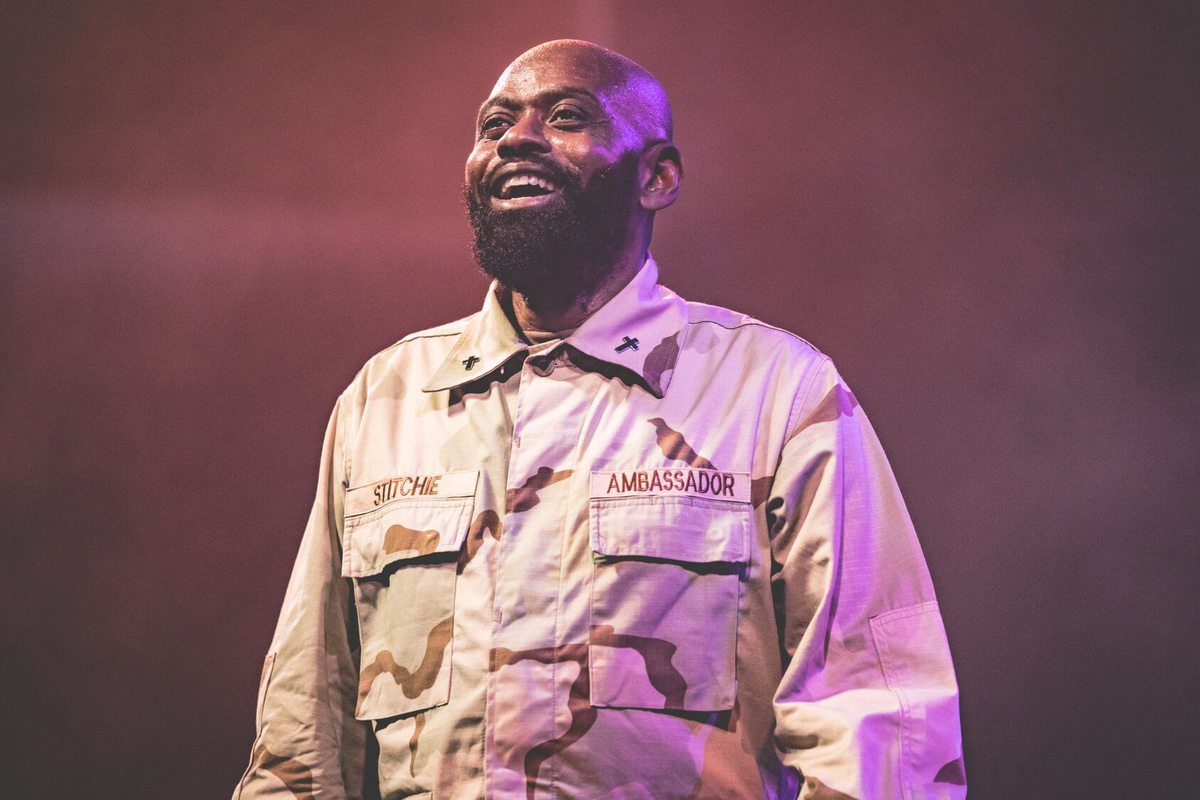
For longtime dancehall fans, Stitchie is still the deejay with the quick wit and the hits. For the church community he joined in later years, his “ministry” mattered just as much. The family’s note doesn’t choose between the two. It says both will “continue to live on.”
They admit they can’t reach everyone personally, so the post serves as a blanket thank-you to the people who “stood with us during the fight.” The sign-off, “Forever grateful.
Forever remembering. Forever celebrating the life and legacy of Lt. Stitchie,” points to a remembrance that the people who loved him on both sides of his career are still carrying forward.