Before the dubplate became a weapon, before “clash” was a word a whole nation understood, two sets were stringing up speaker boxes on opposite ends of Kingston’s imagination.
Stone Love vs Killamanjaro is more than a matchup. It is a story about two philosophies of the dance: one built on polish and the joy of the session, the other built on war.
So who were they, and when did the rivalry peak? Killamanjaro came first, in 1969, and found its killer instinct in the early 1980s.
Stone Love arrived in the early 1970s as an uptown sound and grew into a global movement. Their paths kept crossing through the late 1980s and 1990s at Skateland, Prison Oval and beyond. The tapes from those nights still circulate like scripture.
1969: Papa Jaro Climbs the Mountain
Noel “Papa Jaro” Harper founded his sound in 1969 and named it after Africa’s highest peak, Mount Kilimanjaro. The respelling came later, once the set had earned a reputation for burying rivals.
“Kill-a-man-jaro” said it plainly: this was a sound that ended careers. In a culture where a sound system’s name was its calling card, few announced their intentions so boldly.
Early 1970s: Wee Pow Builds Something Different
Winston “Wee Pow” Powell, an ex-policeman, built Stone Love around Torrington Lane, powering it with locally built amplifiers.
From the start it carried a different energy. Stone Love was an uptown sound, and it would not be taken into the downtown ghetto dances until 1983.
That outsider route shaped its personality: clean, selective, and obsessed with how the music actually sounded in the air.
1982 to 1985: Golden Rosters and a Young Selector
In 1982 a selector named Rory joined Stone Love, beginning a run that would stretch across four decades.
Over at Killamanjaro, the sound truly arrived in the early 1980s, when Ainsley Grey took over the selection. The microphone side became a who’s who of the deejay era.
Early B and Super Cat both joined in 1983, alongside names like Jim Kelly, Burro Banton, Ninja Man, Lone Ranger and Charlie Chaplin. Reggae historian Don Sinclair describes Killamanjaro as near untouchable from 1983 to 1985.
Then came the raid. In mid-1985, Skeng Don lured Super Cat, Burro Banton and Ainsley away to his Sturmars set.
It was the kind of blow that could have sunk a lesser sound. Instead, Patcheye stepped up as chief selector and the mountain kept standing.
1988 to 1989: Skateland Showdowns
Skateland in Half Way Tree was a cathedral of the dancehall, and both sounds took the stage there. A tape labelled April 1988 sums up the contrast in a single line from its uploader: “one Rub a dub sound and one juggling sound.”
It is a neat shorthand for two schools of selecting, one rooted in the deejay riding the riddim, the other in the selector’s art of mixing tune after tune into a nonstop flow.
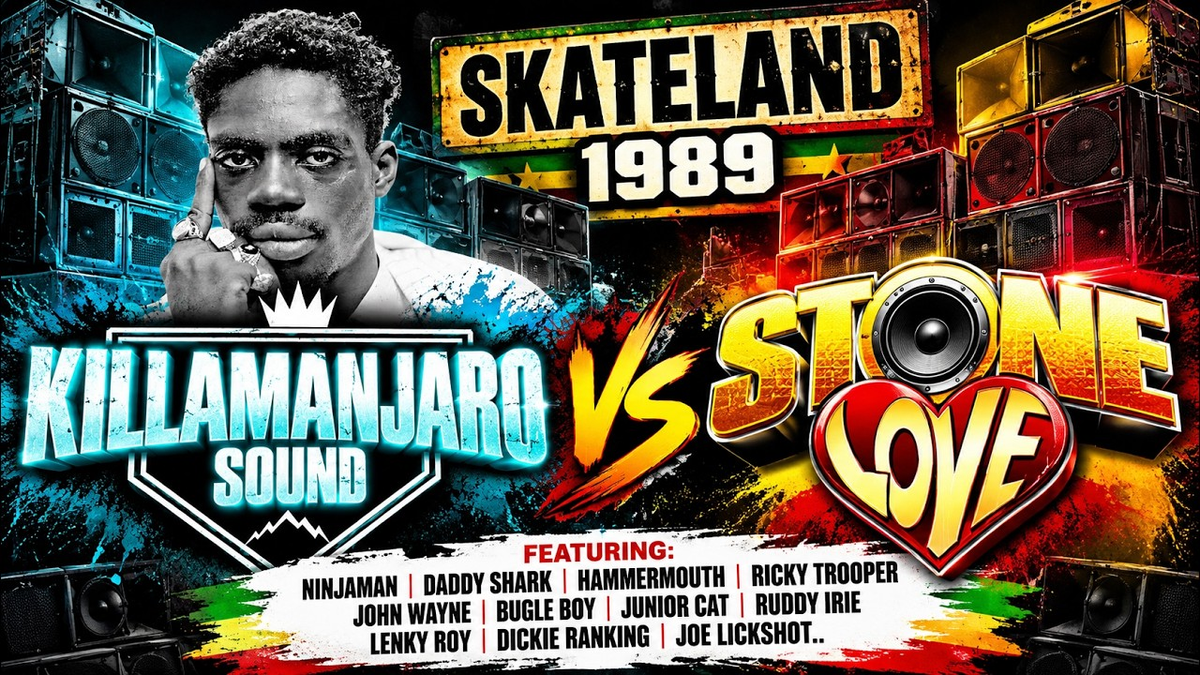
Another Skateland recording, dated 1989, keeps the conversation going and shows how firmly the rivalry had taken root by decade’s end.
Around this time a young deejay named Garfield McKoy, better known as Ricky Trooper, joined Killamanjaro.
He had come up around Coptic Hi Power, and his reason for living this life was simple. “It’s the love of the music, I can’t really explain it,” he once said.
1992: Prison Oval and the Trooper Era
By the early 1990s Trooper had become Killamanjaro’s main selector, and the sound entered its most ferocious phase. His run on the mic and the turntables is credited with a 1990s “killing spree” against rival sets.
In March 1992 the two titans met at Prison Oval in Spanish Town. Wee Pow, Rory and Chico held down Stone Love, while Trooper led the charge for Killamanjaro.
Picture the setting: an open-air ground, speaker boxes stacked high, the crowd pressing forward for every dubplate special. Collectors still prize that recording.
The same year produced a “Dub Clash” tape that one blog hailed as a meeting of Jamaica’s two greatest sounds.
The rivalry had become a series of staged events, a draw for crowds who wanted to see the uptown champion tested by the clash specialists.
1993 to 1994: Three-Way Wars and Country Sessions
The circuit was crowded with contenders. Stone Love faced Metro Media at Up Park Camp in 1993, and in 1994 the rivalry left Kingston.
A 1994 session in St Ann put veteran artists including Josie Wales and Hugh Brown in the mix with Trooper’s Killamanjaro.
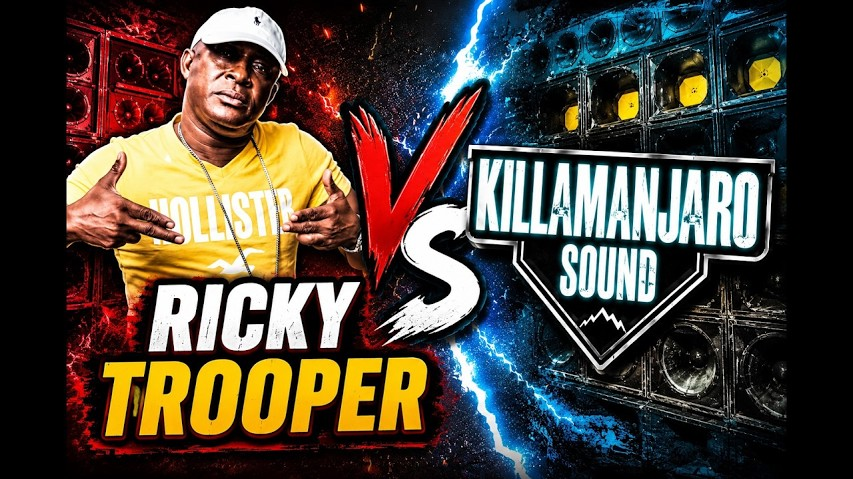
Then, on 14 September 1994, Portland hosted a three-way clash pitting Stone Love and Killamanjaro against Metro Media.
Like Prison Oval, that night is still treasured by tape collectors. Who won is a debate that lives on in dances and comment sections to this day, and that is part of the fun.
Late 1990s: Stone Love Goes Global
While Killamanjaro sharpened its blades, Stone Love built an empire. Reggae-Vibes put it well: Stone Love may not have been the most aggressive clash sound, but it was one of the most complete, with top equipment, strong selectors and unprecedented access to dubplates.
By the late 1990s the movement had franchises in several countries, so Stone Love could be playing in more than one place on the same night.
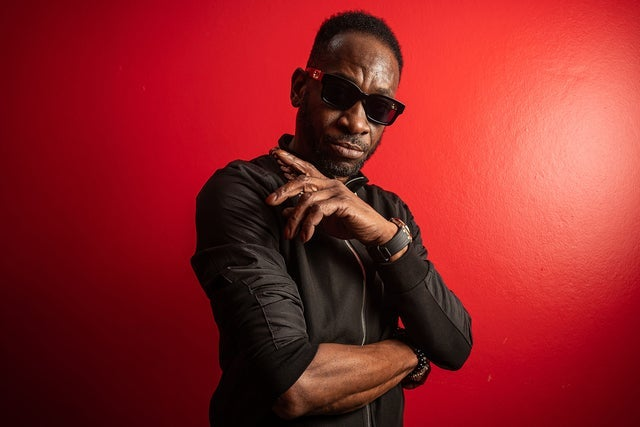
Its labels, Stone Love and Father Pow, released hits by Bounty Killer, Capleton and Tanya Stephens.
VP Records carried the brand into record shops with compilations such as Go Go Wine in 1997 and It’s A Stone Love Thing in 1998.
A deep bench of selectors, Rory, Geefus, Billy Slaughter, Billy Cosby, Jazzy and Genius among them, kept the name ringing from the US to the UK to Japan.
2000 to 2015: Changing of the Guard
In 2000 Trooper left Killamanjaro to build his own set, Sound Trooper, and in 2006 he won World Clash’s “Death b4 Dishonor.”
Freddy Krueger took over the selector duties until 2004, and by 2015 he was back on the set alongside DJ Tarick. Stone Love kept documenting its own story, releasing Stone Love Live in 2005 on November Records.
2025 to 2026: Still Standing
The old rivals have never stopped playing. On 8 February 2025 Stone Love and Killamanjaro shared a bill with Bass Odyssey at the Clarks and Sneakers party.
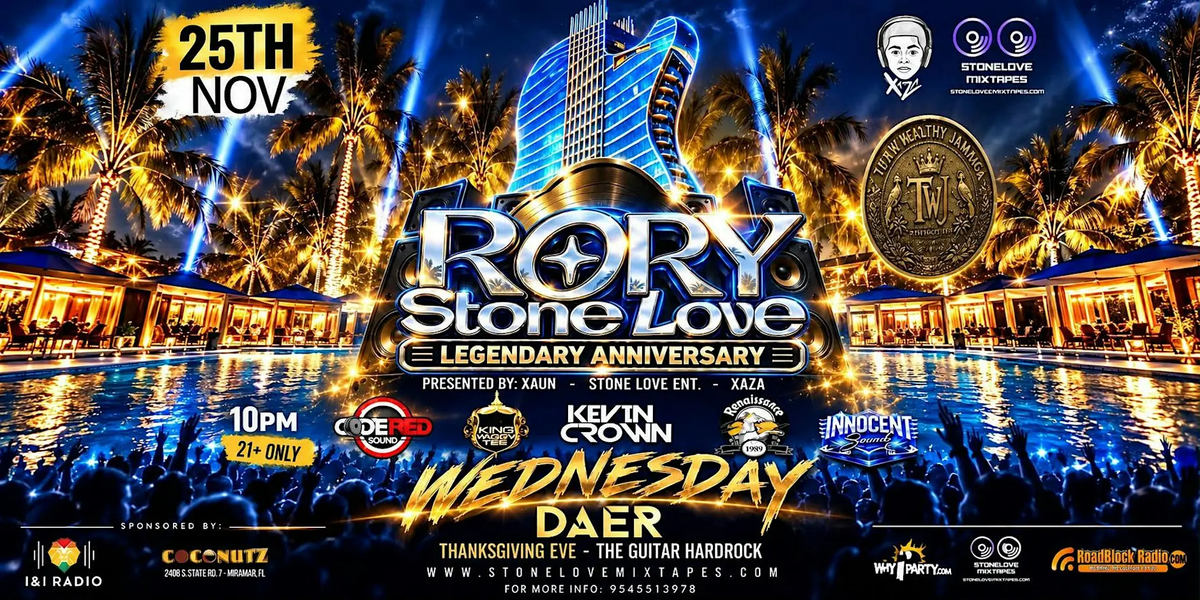
In March 2026 Killamanjaro brought the mountain to Cool Runnings Hall in Texas. And on 25 November 2026, Rory celebrates 40 years in music at DAER Nightclub in Hollywood, Florida.
Why the Rivalry Still Matters
Every modern clash, from dubplate wars at World Clash to the selector battles that go viral online, owes something to these two sets.
Killamanjaro proved that a sound could be a fighter, rebuilding itself after raids and departures and handing the controls to selectors who treated every dance like a title bout.
Stone Love proved that a sound could be a movement, crossing borders and turning a Kingston name into a worldwide brand without losing its feel for the people on the floor.
Put them together and you get the full picture of Jamaican sound system culture: craft and combat, uptown shine and downtown grit.
More than five decades after Papa Jaro and Wee Pow first strung up their boxes, both names still draw crowds. That is the only scorecard that truly counts.