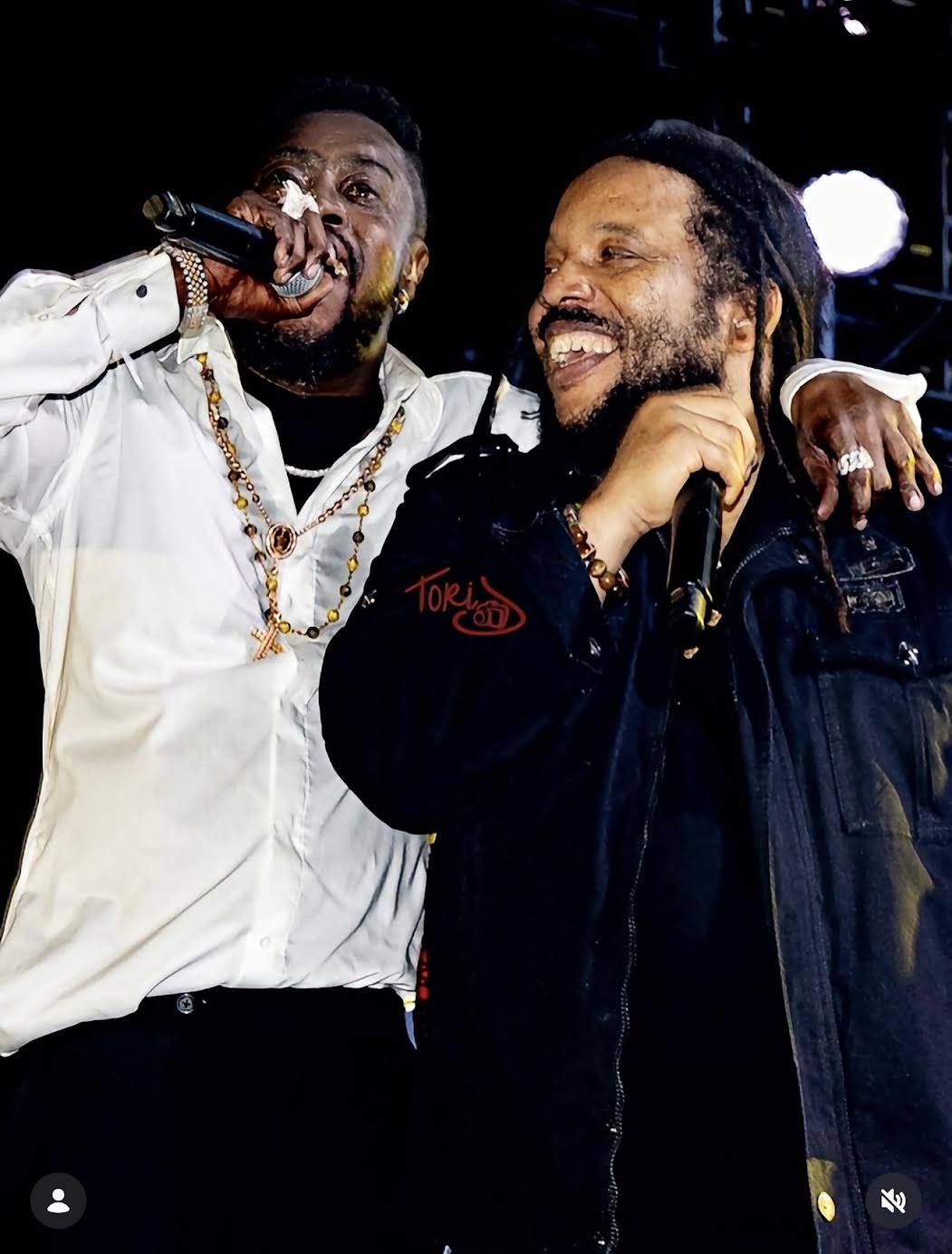
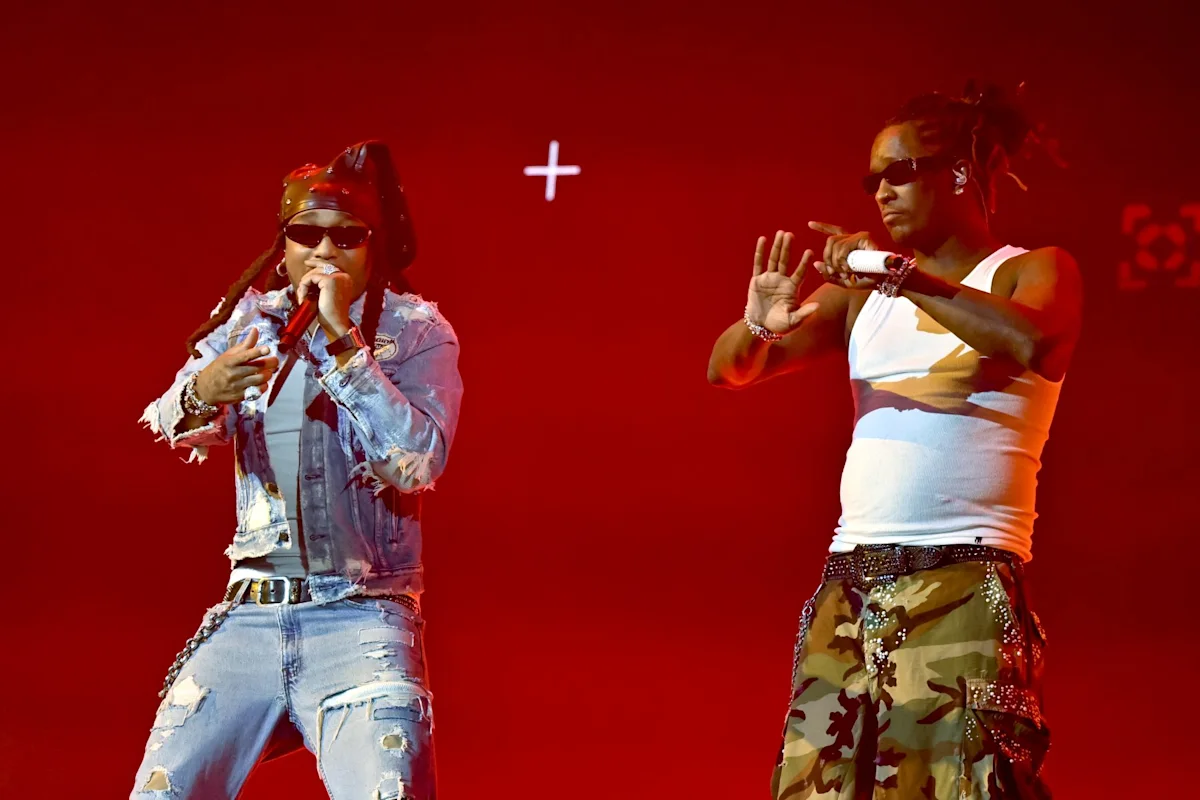
Ask anyone raised around a Kingston sound system what is bashment and you will probably get a grin before you get an answer. A bashment is a party, but not just any party.
It is the loud, packed, sound system kind of night where the bass sits in your chest and the whole lawn moves together. Say “di bashment tun up laas nite” and everybody knows the session was a madness.
Somewhere between Jamaica and London, though, the word picked up a second job. In Britain, bashment often names the music itself, and that is where the arguments start.
So is bashment just dancehall under another name, or something different? The short answer is that it is the same music, wearing a different name tag depending on where you stand.
What Bashment Means in Jamaica
The word is built simply: “bash,” as in a big celebration, plus the Patois-friendly “-ment” ending.
In Jamaican speech it has always meant the event: a party, a dance, a session. “Tonite wi a guh tuh a bashment” is a plan for the evening, not a comment on genre.
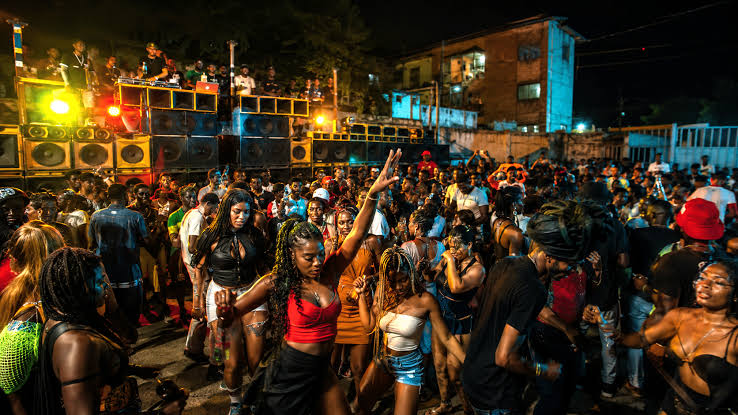
What separates a bashment from a regular party is energy. A party can be quiet, even formal. A bashment cannot.
The word carries the full picture of the dancehall space: loud music, dancing, performance, the drinks, the styles, the crews parring at the edge of the crowd.
It describes a vibe as much as a venue, and that vibe is shaped by dancehall’s rhythm, language and intensity. You do not go to a bashment to sit down.
Where Dancehall Comes From
Dancehall grew out of late-1970s Kingston, with deep roots in reggae, dub, toasting, ska and rocksteady.
Like bashment, the word started out describing a place. The dance halls were the physical spaces where DJs, and later toasters, performed over sound systems.
The music itself was not formally named until the 1980s, when “dance” and “hall” were joined into one word for the sound coming out of those rooms.
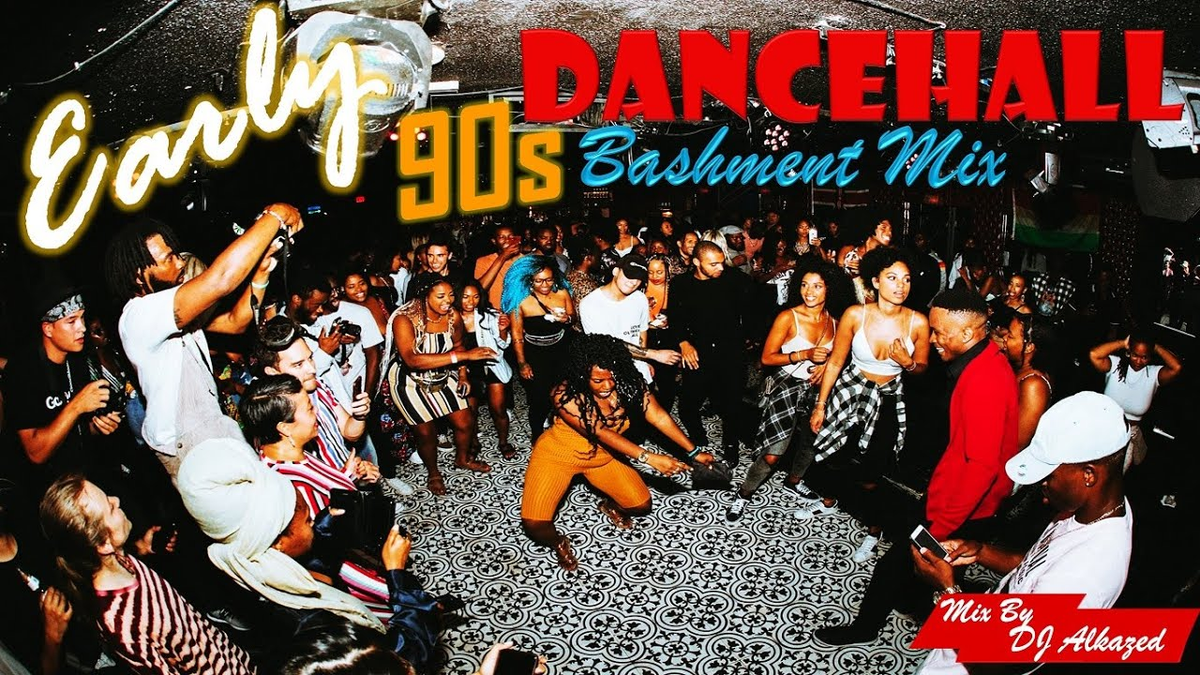
It was born in political turbulence, and it became Jamaica’s dominant music through the 1980s and ’90s.
Its defining traits are clear to anyone who has stood in front of a speaker box: Jamaican Patois rather than standard English, and a heavy focus on the riddim, the shared instrumental that dozens of artists can voice.
The genre also goes by ragga, and from its earliest days it has drawn criticism for violent lyrics, which grew out of the gang and political violence of the era that produced it.
So Is There a Difference?
Musically, no. Bashment does not have its own drum pattern, tempo or production style that sets it apart from dancehall.
Dictionaries list the word in two ways: as slang for a party or rave, and as another name for dancehall music. The difference lives in language and context, not sound.
In Jamaica, “bashment” leans toward the event and the feeling, while “dancehall” covers both the music and the wider culture around it. One useful way to put it: all bashment is tied to dancehall, but not all dancehall gets called bashment.
A Vybz Kartel tune on a bus speaker in Portmore is dancehall. The packed street dance where that tune drops is the bashment.
How Britain Turned Bashment Into a Genre Word
In the UK, and especially within London’s Afro-Caribbean communities, the word slid from event to music until “bashment” became almost interchangeable with dancehall.
Clubs advertised bashment nights, radio shows billed bashment hours, and artists such as Stylo G, who is UK-based with Jamaican roots, became part of a scene that most British fans simply called bashment.
That shift caused real confusion in the 2000s. On music forums of the era, some listeners believed bashment was a fresh British update of dancehall that pulled in hip hop, R&B, soca and reggaeton.
Others pushed back hard, insisting it was only a UK word for the same Jamaican music. The mix-up is understandable.
The early 2000s also brought dancehall pop, a sub-genre blending dancehall with pop, R&B and hip hop and centred on partying, dancing and sexuality, so the sound in British clubs really was broadening, even if the name did not describe a separate style.
Dancehall’s influence on British music runs far deeper than one word anyway. UK garage counts dancehall among its stylistic origins, and grime draws on jungle, dancehall and hip hop. The word also found its way into British culture beyond the dance.
Roots Manuva put “Bashment Boogie” on his 2001 album Run Come Save Me, and Rikki Beadle-Blair’s play and 2011 film Bashment took on homophobic lyrics in dancehall and a gay bashing at a reggae festival.
Why Beenie Man Wants It Called Dancehall
Not everyone is comfortable with the rebrand. In 2021 Beenie Man, the self-styled King of the Dancehall, objected to the growing habit of calling his genre “bashment music” in the UK.
His position was blunt: “My music is Dancehall, it have one name and no other name, Dancehall!”
His frustration speaks to a bigger worry. Critics of the British label argue that renaming the music strips away its essence and smooths over a genre built on the Afro-Jamaican post-colonial experience.
Dancehall is a name with history in it: the halls, the sound systems, the ghettos of Kingston. Swap it for a softer party word, the argument goes, and the music becomes easier to package and easier to detach from the people who made it.
For a Jamaican, “bashment” is the event the music creates. Using it to replace the music’s name can feel like losing the plot.
Bashment Across the Caribbean Diaspora
The word has kept travelling. In diaspora cities like Toronto it holds onto its original sense of a high-energy party heavy on dancehall and bass, while also stretching to cover the music that builds that feeling.

In Barbados it took on a fresh musical meaning entirely. Bashment Soca” fuses the weight of dancehall riddims with the celebratory spirit of soca, a genuine hybrid that shows how flexible the word has become once it leaves Jamaica.
Call It What You Want, but Know Where It Comes From
Bashment and dancehall are not rivals. They are two Jamaican words describing two sides of the same experience.
Dancehall is the music and the culture, born in late-1970s Kingston and carried across the world by sound systems and riddims. Bashment is what happens when that music hits a crowd and the night takes off.
The British habit of using bashment as a genre name is not wrong so much as local, a diaspora accent on a Jamaican idea. Still, Beenie Man’s point stands.
Whatever the flyer says, the riddim, the language and the attitude all come from Jamaica.
Go to the bashment, enjoy the bashment, but when someone asks what you are dancing to, the answer is dancehall.