
At the turn of the millennium, Shaggy was a man with something to prove. Boombastic had made him a global star, but the follow-up had stalled. Then came the Hot Shot Shaggy album, released in the US on 8 August 2000.
It crawled onto the charts, caught fire through a song nobody had planned to push, and became one of the biggest records of its era.
This is the story of how a set of songs Shaggy himself calls a compilation went to No. 1 on both sides of the Atlantic, ended the “one-hit-wonder” talk for good, and turned a dancehall deejay from Kingston into a household name. It begins with a dropped deal and ends with a run of hits that still fills dancefloors.
A Comeback Built on a Second Chance
By the late nineties, Shaggy’s momentum had cooled. Midnite Lover, released in 1997, followed the career-making Boombastic but never matched its impact.
In 1999 he was dropped by his label. He landed at MCA Records, and Hot Shot, his fifth studio album, arrived the following year.
Shaggy and his new label had high hopes, but nobody in the room expected what came next. The record’s success did more than sell units.
It erased the one-hit-wonder tag that had followed him since “Boombastic,” proving his crossover touch was a craft rather than a lucky accident.
“I Just Compile Albums”
Shaggy has never pretended Hot Shot was a grand concept. “I never made ‘albums.’ I just compile albums,” he told World Music Views, describing it as a collection of songs that were unfinished, half-started, or reshaped along the way.
That collection came from a deep well. His longtime collaborator RikRok, born Ricardo Ducent, has said the two wrote close to a hundred songs, with 14 making the final cut. RikRok co-wrote eight of them.
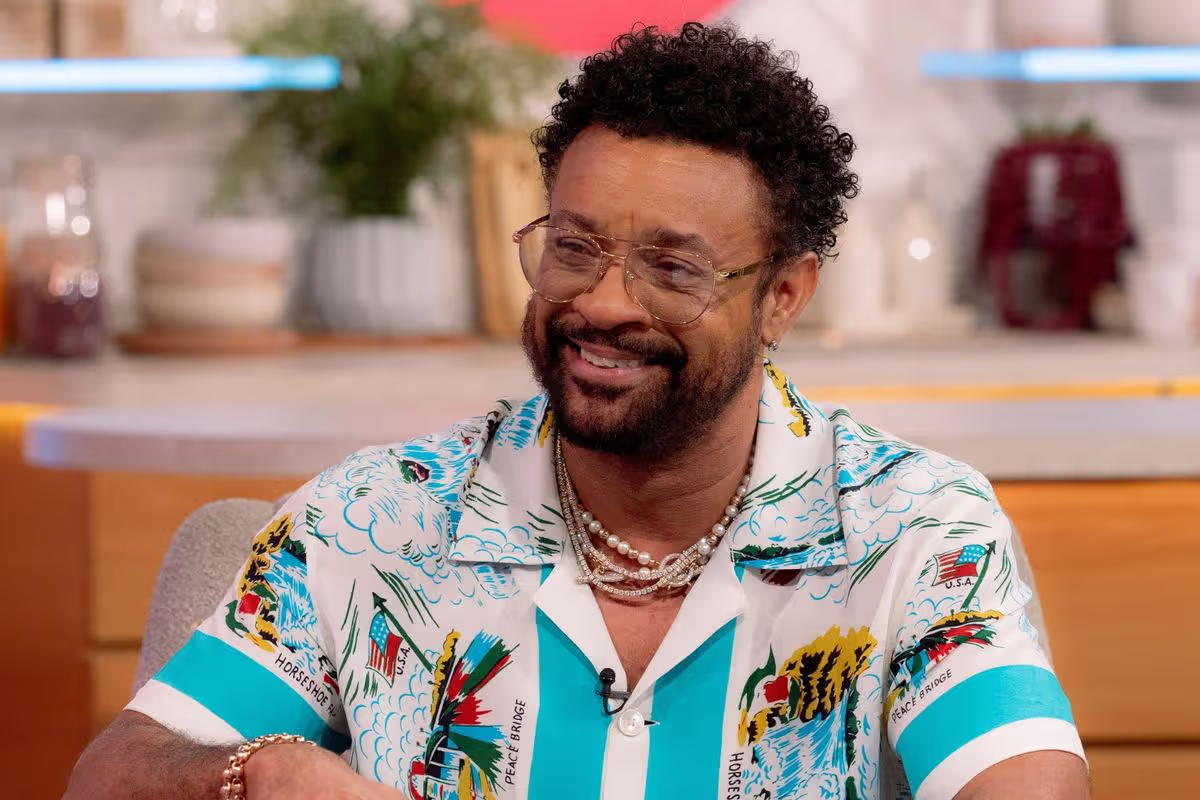
The production roster was just as broad, pulling together Shaggy’s own Big Yard circle in Robert Livingston and Shaun “Sting” Pizzonia, R&B heavyweights Jimmy Jam and Terry Lewis, plus Christopher Birch, Gordon Dukes, Dave Kelly and Tony “CD” Kelly.
The result sat comfortably in reggae fusion, with dancehall rhythms wrapped in pop and R&B polish.
The philosophy behind the songwriting was simple. “In writing songs to this day, I always write with a subject matter that is relatable to an average person,” Shaggy told Rolling Stone. Hot Shot is the purest proof of that idea.
The Single That Wasn’t Supposed to Be
“It Wasn’t Me” was never meant to be a single. The idea struck while Shaggy was watching Eddie Murphy Raw, where Murphy keeps repeating the title phrase as a cheating man’s last line of defence.
The melody arrived on its own legs. RikRok actually walked in singing that melody,” Shaggy recalled, and the pair finished the second verse and the bridge together.
The original vocal on the hook actually belonged to Rayvon, but with the Barbadian singer already featured on “Angel,” RikRok took the part.
Sonically, the track was a careful piece of strategy: a hip-hop beat carrying dancehall cadences, built that way because American radio was not playing dancehall-style records at the time.
Then the internet stepped in. After the album came out, Hawaiian DJ Pablo Sato downloaded it from a Napster-style MP3 site and pegged “It Wasn’t Me” as the standout.
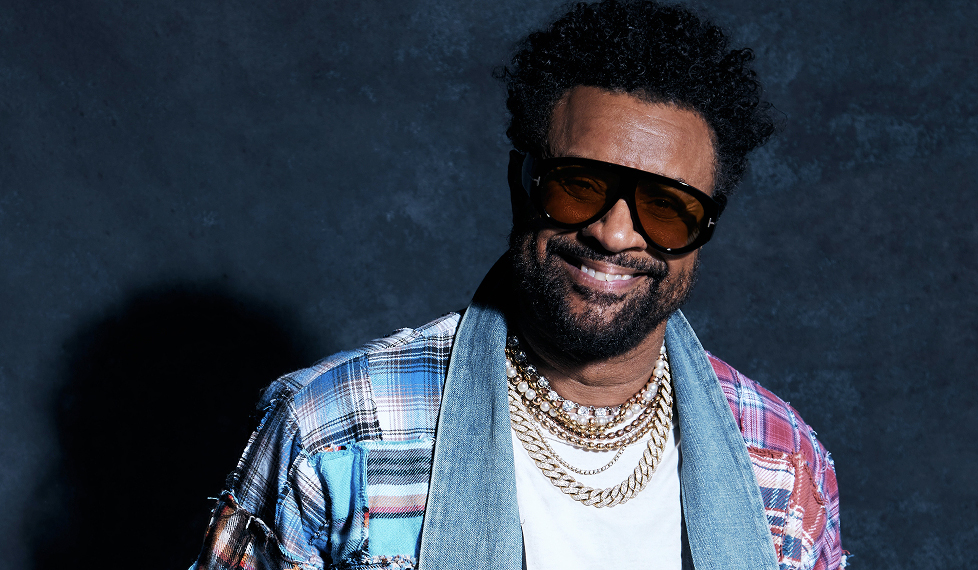
The label had its eye on a different single, but bootlegged copies kept reaching DJs and the song took off on its own.
It was officially released on 7 November 2000 and became Shaggy’s first Billboard Hot 100 No. 1 in February 2001.
“So ‘It Wasn’t Me’ being the first No.1 was a big deal because it literally made me into a household name,” he told Billboard. Decades later he still defends its moral core. “At the end of the song, it apologizes,” he told Us Weekly, calling it an anti-cheating anthem.
Not everyone heard it that way: Lady Saw answered with her own record, “Son of a Bit@h,” which picked up chart action of its own.
Angel, Luv Me and the Second Wave
If “It Wasn’t Me” was the bait, “Angel” was the hook that kept listeners on the line.
Featuring Rayvon, it borrowed from Steve Miller’s “The Joker” and Chip Taylor’s “Angel of the Morning,” two classic rock-radio staples flipped into a warm reggae-pop love song.
RikRok has said the pair wrote it at Shaggy’s apartment, reworking the original lyrics to be “more street.”
It debuted at No. 81 on the Hot 100 before going to radio on 9 January 2001, and it followed its predecessor all the way to the top, the second straight No. 1 that even Shaggy’s camp had not seen coming.
The momentum carried the trio onto one of the biggest stages of 2001, where Shaggy, Rayvon and RikRok performed both hits at Michael Jackson’s 30th anniversary special.
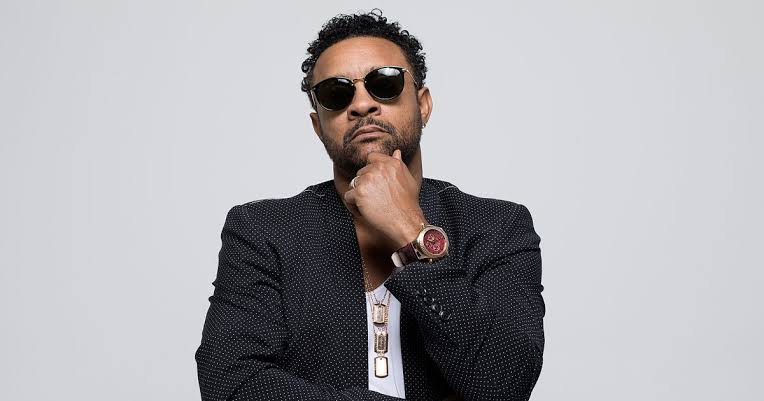
“Luv Me, Luv Me” came with its own backstory. The 1998 original featured Janet Jackson, but Virgin Records withheld the rights to her vocals, so Shaggy recut the song with Samantha Cole for the album.
“Dance & Shout / Hope” rounded out the single campaign, with “Dance & Shout” having already served as a Europe-only precursor that reached No. 42 in Australia.
UK fans got a slightly different record when it landed there on 9 October 2000, with a revised track listing that added “Why You Mad at Me?”
The Slow Climb to the Summit
Hot Shot did not explode out of the gate. It entered the Billboard 200 at No. 87 in the week of 26 August 2000, then spent months building as “It Wasn’t Me” spread.
On 17 February 2001 it reached No. 1, where it stayed for six weeks, and it logged 84 weeks on the chart overall. It also topped the UK Albums Chart.
The RIAA certified it 6× Platinum, and it finished as the second best-selling album in the US in 2001, behind only Linkin Park’s Hybrid Theory.
In Canada it was the year’s best seller and went 7× Platinum, with 4× Platinum awards in Australia and New Zealand and 3× Platinum in the UK.
Luminate figures reported by World Music Views put its US total at 8.8 million units, including 6.8 million in pure sales and over 1.2 billion on-demand streams, with more than 12 million sold worldwide.
It stands as the biggest album by a Caribbean act on Billboard’s 21st-century Billboard 200 ranking.
Life After Hot Shot
Success on that scale brings pressure. MCA wanted more quickly, and Shaggy wrote and recorded Lucky Day in about six weeks, calling it “probably the quickest album I’ve ever made.”
Released in October 2002, it went Gold with 352,000 US copies, respectable for most artists but a disappointment beside its predecessor. The Hot Shot Ultramix remix set also arrived in 2002, squeezing more life from the hits.
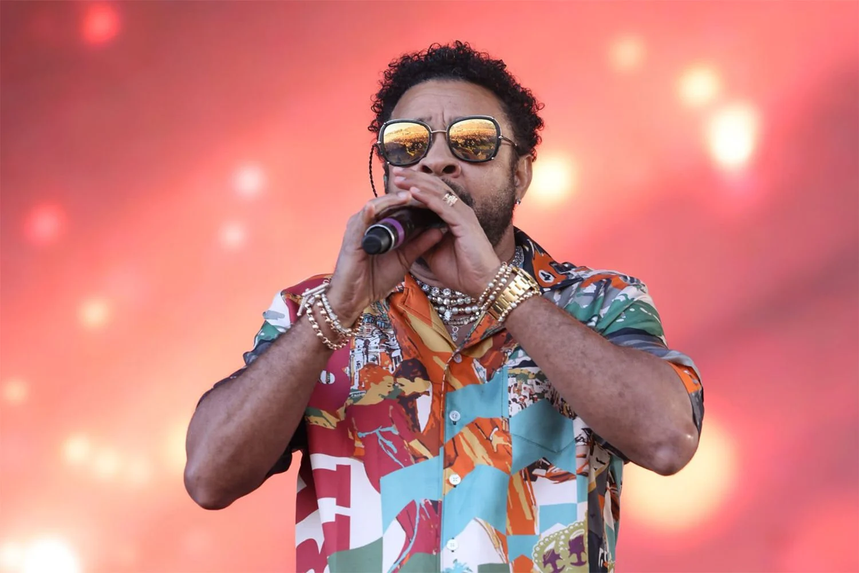
Twenty years on, Universal asked Shaggy whether he wanted to mark the anniversary, and Hot Shot 2020 followed on 10 July 2020.
The pandemic cut short plans for a bigger celebration, but the songs needed no help staying in circulation.
Why Hot Shot Still Matters
Hot Shot is a rare thing: a Jamaican artist’s album that conquered mainstream pop on its own terms without leaving dancehall behind.
Shaggy smuggled deejay cadences onto American radio inside a hip-hop beat, rode a bootleg to the top of the Hot 100, and followed it with a second chart-topper built from rock-radio samples and Caribbean warmth.
It also captured a pivot point for the music business, a record whose breakout owed something to file sharing and whose streaming numbers have kept it alive since.
More than anything, it showed that a song about getting caught, told with a wink and an apology, could make the whole world sing along in a Jamaican accent.