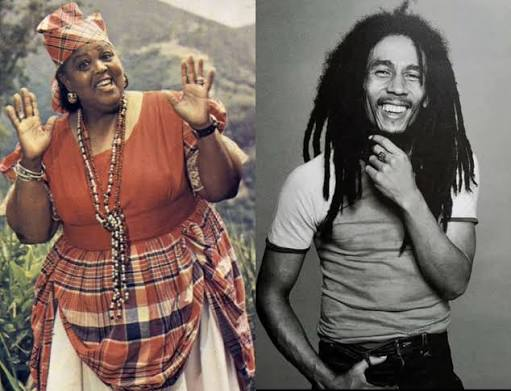

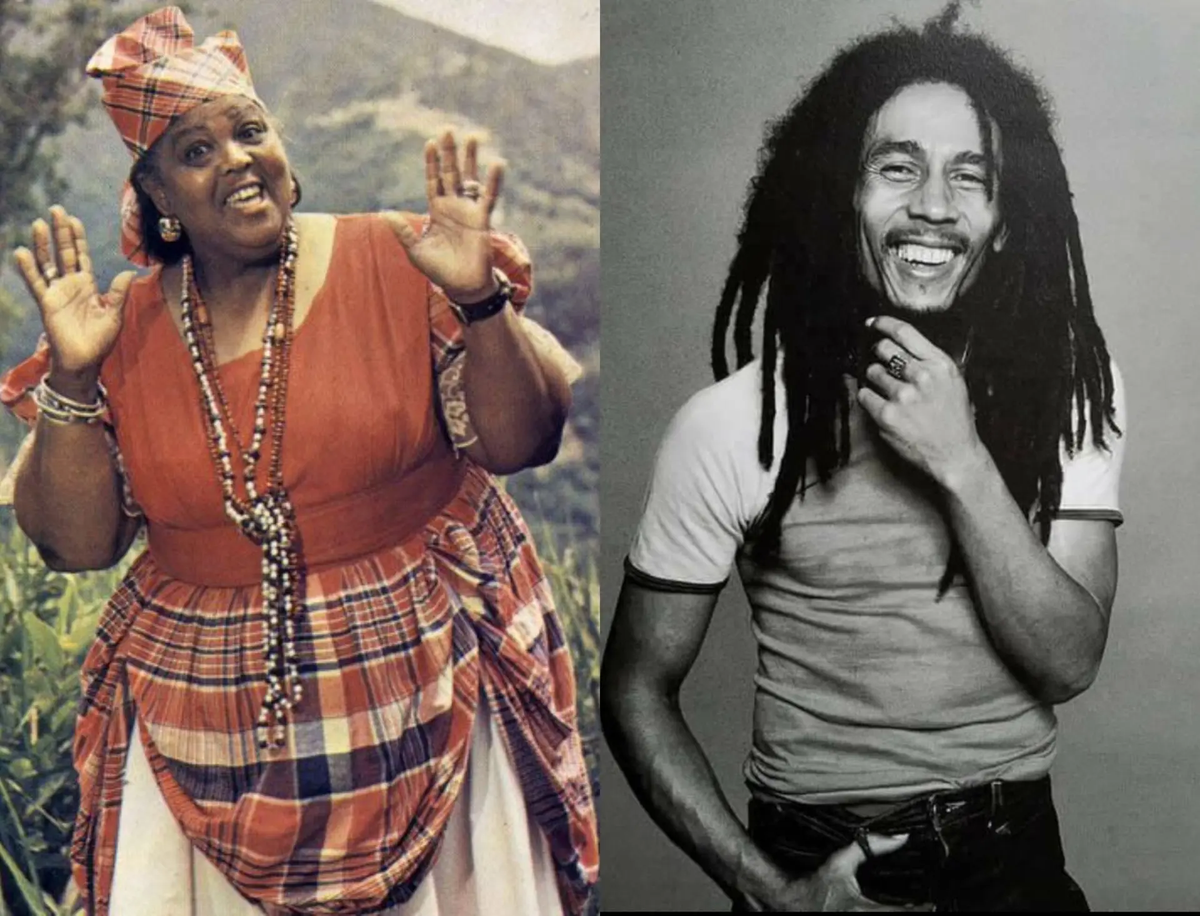
Jamaica has not added a name to its list of National Heroes since 1975, and Mark Golding wants Bob Marley and Louise Bennett-Coverley to be the next two.
The Opposition Leader renewed that push on Monday in his National Heroes Day message, putting reggae’s best known voice and the island’s beloved Miss Lou back in the national conversation.
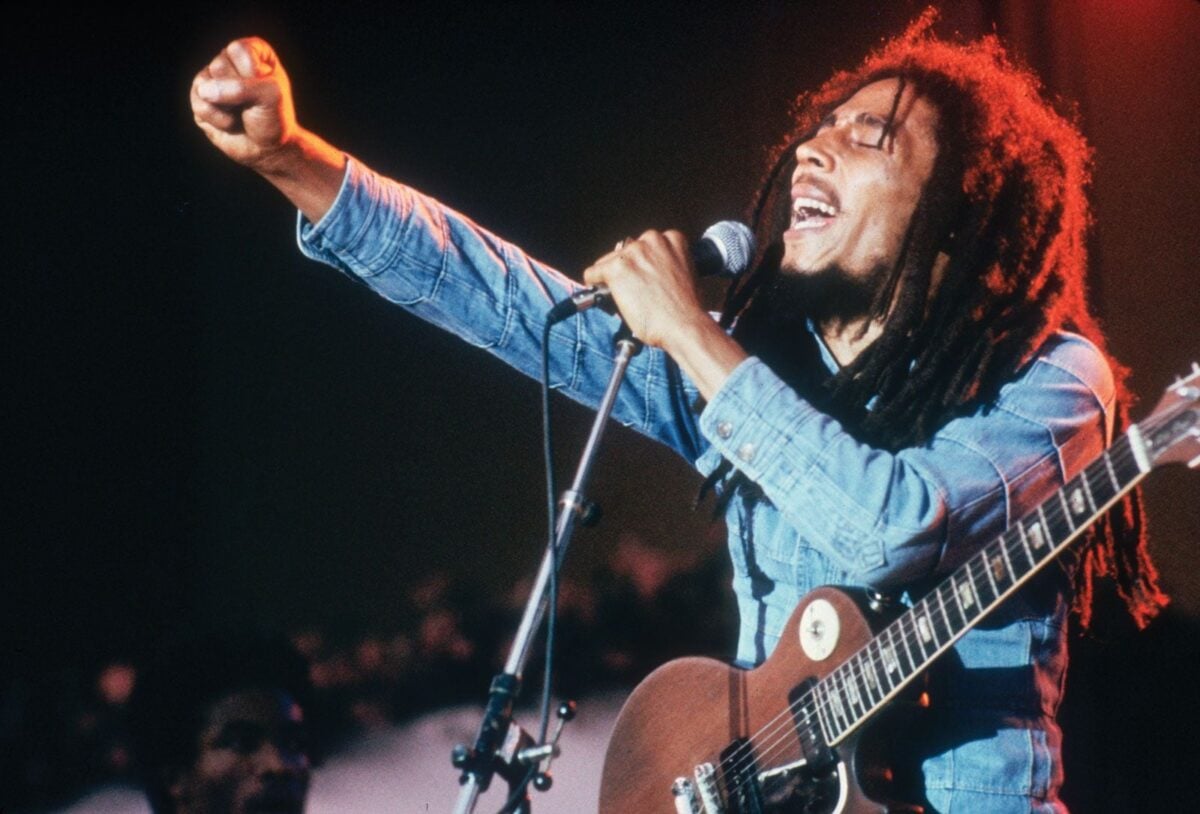
Golding pointed to Marley’s music as a force for resistance to oppression and for unity. For Bennett-Coverley, he highlighted her work preserving Jamaican language and cultural identity, a legacy that shaped how generations of Jamaicans see their own speech.
The current list stands at seven. Nanny of the Maroons, Sam Sharpe, Paul Bogle, George William Gordon, Marcus Garvey, Sir Alexander Bustamante and Norman Manley make up the roster, and Golding paid tribute to all of them, citing their roles in the fight for freedom, justice, workers’ rights and political independence.
Neither Marley nor Miss Lou is a stranger to state recognition. Marley received the Order of Merit in 1981, shortly before his death that May, and Bennett-Coverley was awarded the same honour in 2001, five years before she died.
The question Golding keeps raising is whether that level is enough for figures whose influence reaches so far beyond Jamaica’s shores.
It is a call that tends to resurface every October, and it lands differently depending on where you sit. For many fans, Marley already functions as a national symbol, his face and lyrics woven into how the world understands Jamaica.
For others, the title of National Hero carries a specific weight tied to the struggle for emancipation and independence, and widening it is a decision that deserves careful thought.
Golding is also speaking from the opposition benches, which means any change would have to come from the governing side.
That political reality hung over the rest of his message, where he insisted that “the national interest must always be given priority over political interests.”
He used the moment to press a wider agenda too. Golding urged Jamaicans to protect national institutions from corruption and to build a country with quality education, decent employment, affordable housing, accessible healthcare and public safety for everyone.
He described it as “a Jamaica where quality education, decent employment, affordable housing, accessible quality health care and public safety are realities for all rather than aspirations that are only available to a fortunate few.” He encouraged people to honour the country’s heroes through service, fairness, integrity and respect.
The timing added its own layer. On the same day, veteran percussionist Bongo Herman said he was happy to receive a national honour while he is still alive, and dancehall star Mr Vegas said he was humbled to be named to the Order of Distinction in the rank of Officer.
Those comments sit right alongside Golding’s appeal, a reminder that how and when Jamaica honours its musicians remains a live debate.
Whether Marley and Miss Lou ever join the seven is still a question waiting on an answer from Gordon House.