The man who built the low end of Bob Marley’s sound walked out of a London courtroom owing money, not collecting it.
Aston “Family Man” Barrett sued for more than $100 million in unpaid royalties and ended up facing an alleged $3 million legal bill instead.
Barrett died at a Florida hospital on February 3, aged 77. His passing has pulled that bitter chapter back into view, sitting awkwardly beside a career that shaped how reggae bass is played to this day.
Barrett’s route to Marley ran through Jamaica’s busiest studios. After backing the Uniques at a session in 1968, he and his younger brother, drummer Carlton Barrett, became regulars for Lee “Scratch” Perry and Bunny “Striker” Lee. That session work is what brought Family Man to Marley’s attention.
The nickname caused some confusion at first. Marley reportedly expected a seasoned veteran and was amused by how young Barrett actually was, though the name earned its keep later, with Barrett fathering at least 41 children.
Through the ’70s, the Wailers carried roots reggae around the world. When Marley died in 1981, Barrett kept the band on the road as musical director, still spreading the Rastafarian message night after night.
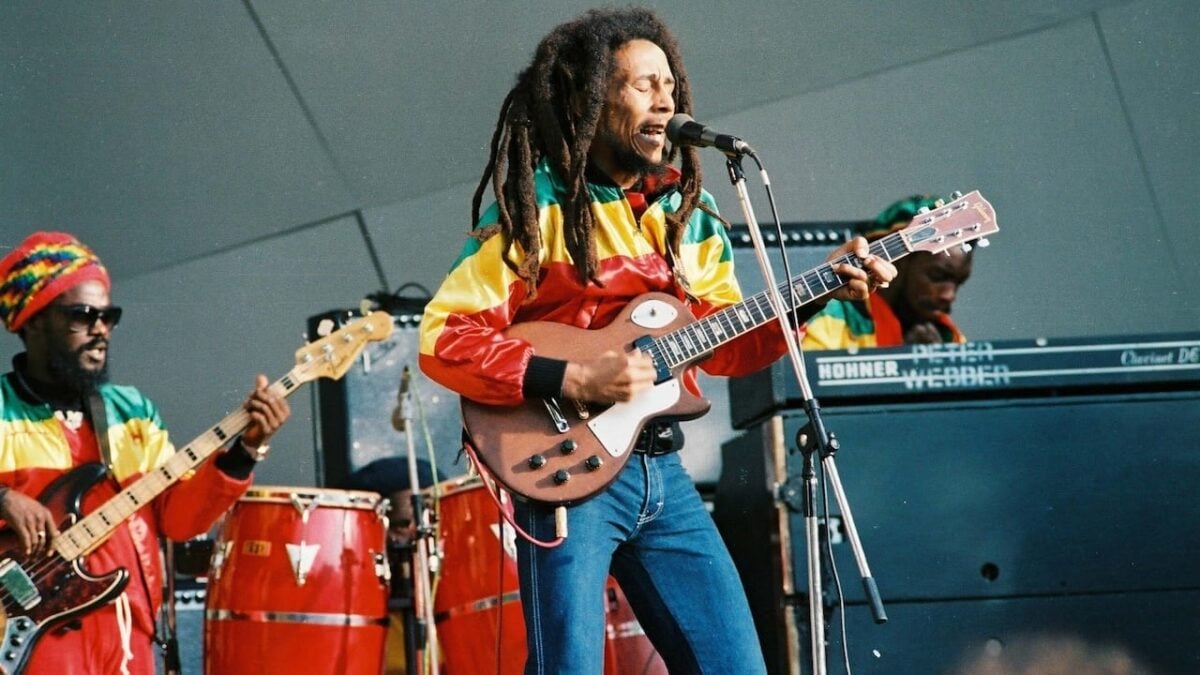
“I’ve played bass before Bob, with Bob, and after Bob, and along the way, I created a whole new concept of bass playing,” Barrett said in an October 2007 cover story. “That’s just my thing. That’s my destiny. We have to keep the music going for you all.”
He always spoke about Marley with deep respect, almost reverence. The Marley estate and Island Records got no such warmth.
In 2001, Barrett filed suit claiming he was owed royalties stretching back to the early ’70s. London’s High Court dismissed the case, so the legal system clearly didn’t see his claim the way he did, and the costs landed on him.
Barrett himself was careful about saying much. “All I can tell you is that when Bob was alive, there wasn’t any problem.
Everything was going cool and smooth, but after he passed, things got off track. That was created by greed,” he said. “What’s supposed to come from anything bad like that?”
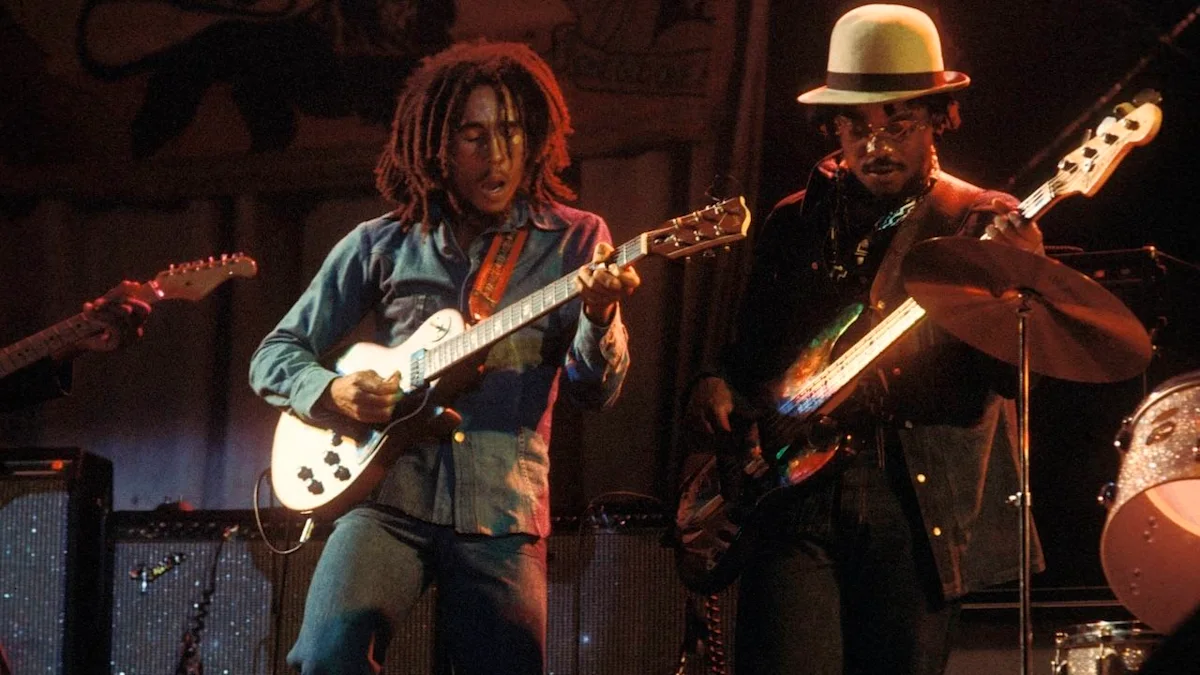
He didn’t let it sour the mission, at least not publicly. When we first decide to take reggae music to the next stage, we come together as singers and players to spread that message to the four corners of the earth,” he said. “And we are still on the same mission today, no matter the crisis.”
Nobody is likely to ever log every session Family Man played on. His fingerprints show up in reggae, dub, trip hop and two tone basslines that still fill radio playlists around the clock.
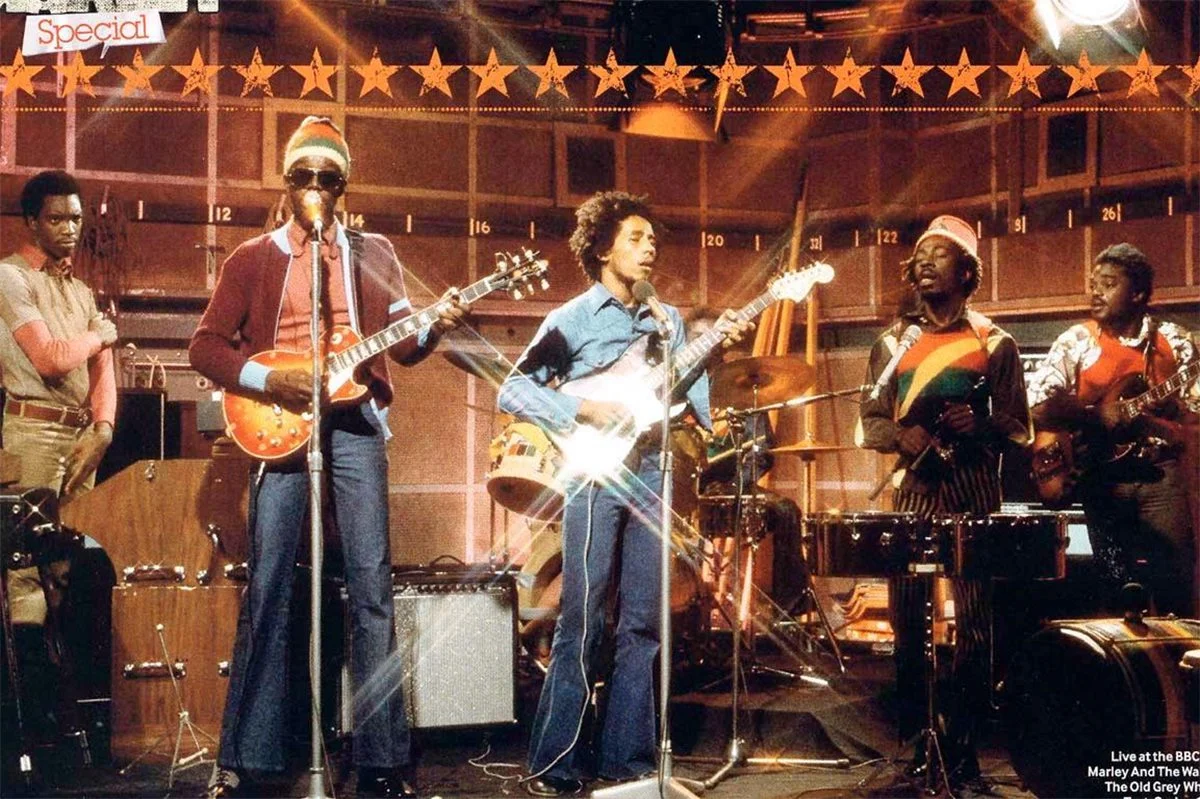
Plenty of fans will spend the coming weeks digging back through live cuts like “Stir It Up” from The Old Grey Whistle Test in 1973 or “Trenchtown Rock” from the Rainbow in 1977. The question of who profits from those grooves, and who got left out, hasn’t gone anywhere.