
Every dancehall session reaches a moment when the selector stops playing for the chest and starts playing for the waist.
The bass settles into a rolling groove, the room loosens, and nobody needs to be told what to do with their hips.
These are the best whine songs for that moment: records built for rotation, roll and slow grind, from Kingston yard dances to crossover clubs in London, Toronto and New York.
“Whine” is simply the Caribbean way of saying “wind up,” and dancehall has made it an art form. This list runs from dance-instruction anthems to slow, sticky lovers’ grooves, with a couple of crossover favourites that took the motion worldwide. We ranked them on one measure: how hard each record makes a waist move.
1. Tony Matterhorn, “Dutty Wine” (2006)
No record has made the whine more of a spectacle. Riding the Smash riddim, “Dutty Wine” turned a dance into a full-blown phenomenon: the neck-rolling, knee-pumping, hair-flinging move that young women took from street dances to every party on the island and beyond.
The song went to No. 1 and pushed the dance into the mainstream in 2006. That success came with a fight over who invented the move.
Several dancers have claimed it, among them dancehall queen Mad Michelle, who points to a video from 2003.
That argument has never fully gone away. Two decades later, Matterhorn’s voice calling the dance still brings out the bravest movers on any floor.
2. Sean Paul, “Get Busy” (2003)
Lenky Marsden’s Diwali riddim may be the most waist-friendly beat dancehall has ever produced.
Named for its Indian dance-music influence, it runs on syncopated handclaps that seem to tug the hips sideways, and Sean Paul rode it with the easy confidence of an artist at the height of his powers.
“Get Busy” gave the riddim its biggest hit, reaching No. 1 on the Billboard charts. Marsden went on to win ASCAP songwriter of the year in 2004.
The New York Times later called Diwali “one of the most popular reggae rhythms of all time.” Drop it today and the claps alone still do half the work.
3. Vybz Kartel, “Fever” (2016)
The circumstances behind “Fever” are nearly as remarkable as the groove. Kartel recorded the song in secret on an iPad while in prison, over a riddim he says he built with producer Linton “TJ” White.
White was the one who pushed to shoot the video. What came out is a hypnotic, swaying slow burn with a plucked melody, made for close, unhurried whining. Billboard called it “arguably the biggest dancehall crossover hit of the latter 2010s.”
The magazine counted more than 104 million official on-demand streams in the US alone. Remixes from Major Lazer and Diplo carried it further, but the TJ original is still the version that rules late-night sets.
4. Elephant Man, “Pon De River, Pon De Bank” (2002)
Elephant Man has always understood that the best dancehall songs are also instructions, and this one is a lesson plan.
The title is the dance itself, and the Energy God barks out the moves over the River Bank riddim with cartoonish, infectious energy.
Producers Donovan Bennett, Rupert Blake and Desmond Blake gave it a bouncy, playground-chant feel that suits group dancing, with the whole floor moving in unison.
VP Records placed it on the album Good 2 Go and later on its 2019 anniversary compilation Down In Jamaica: 40 Years Of VP Records. That spot confirms its place in the label’s story. It still pulls people off the wall at any old-school session.
5. Spice, “So Mi Like It” (2013)
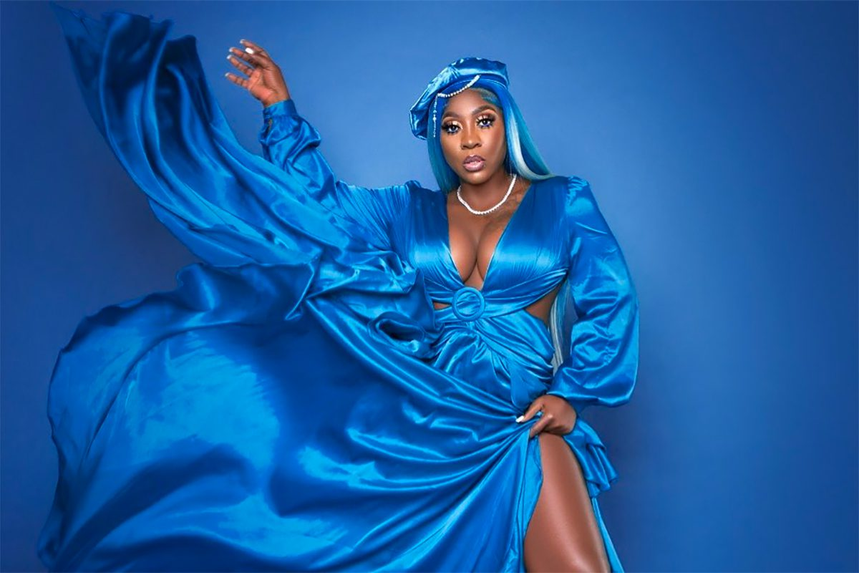
Spice has never been shy about owning the floor, and “So Mi Like It” is her most famous statement on the subject.
Released through VP Records, it is all brash attitude and flexing waistline: a woman setting the terms of the dance and daring everyone to keep up.
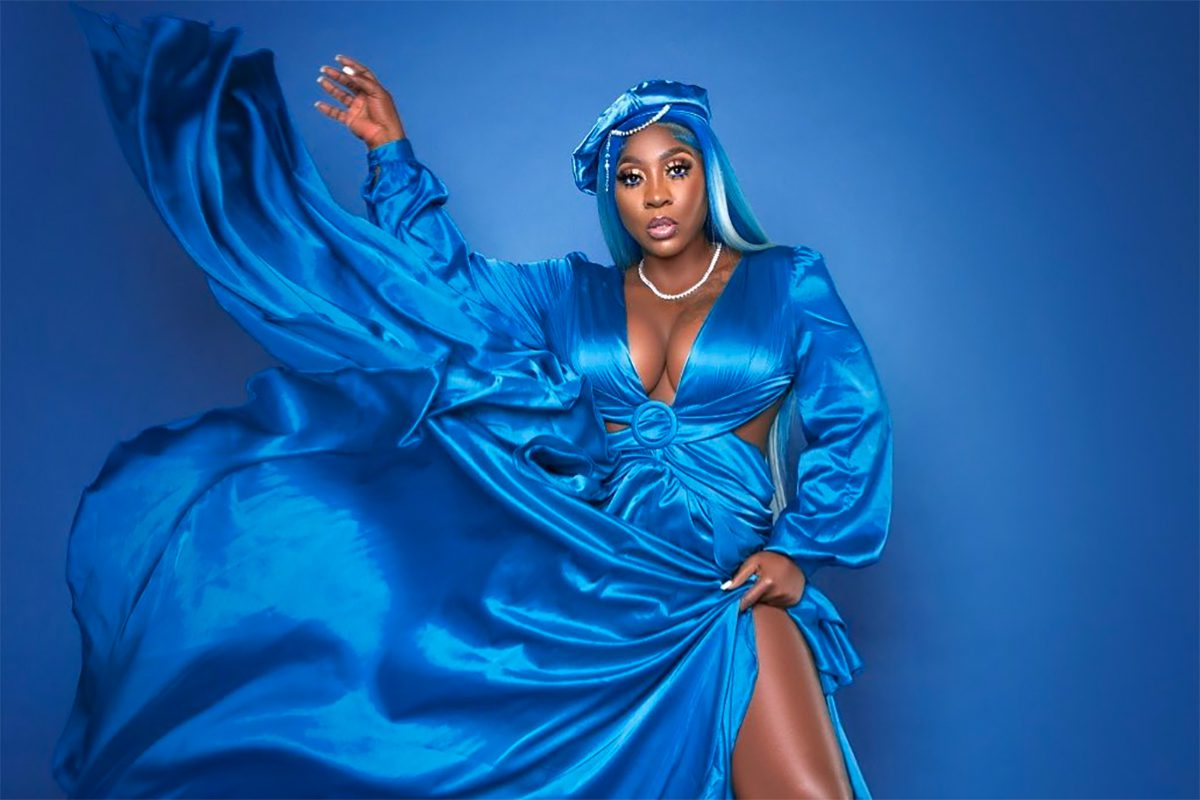
The video became the most-viewed on YouTube by a female Jamaican artist, passing 129 million views by early 2025.
The song also led her 2014 EP of the same name, which debuted at No. 14 on Billboard’s Top Reggae Albums. A Busta Rhymes remix followed.
Late certifications came too: Gold in Canada and Silver in the UK, both in 2024, long after the dances had made it a standard.
6. Gyptian, “Hold You” (2010)
Some whine songs are about acrobatics. “Hold You” is about closeness. Built by producer Ricky Blaze and released through VP and Columbia, it has a melodic hook so warm that whole dances sing it back. Billboard ranked it No. 6 among the best dancehall and reggaeton choruses of the century.
The single reached No. 77 on the Hot 100 and No. 16 in the UK, then kept climbing in value: RIAA Gold and BPI Platinum, with the Jamaica Observer reporting UK double Platinum in 2024.
A Nicki Minaj remix spent 15 weeks on the Hot 100. In 2025 Gyptian made his position clear, saying the song was already a mega-hit before that remix arrived.
7. Beenie Man, “Who Am I (Sim Simma)” (1997)
When the “Sim Simma” chant kicks in, a floor that had been standing still starts rolling. Jeremy Harding’s Playground riddim is sparse, rubbery and hard to resist, and Beenie Man attacks it with the swagger of the self-crowned King of the Dancehall.
Harding recalled that Beenie had heard the riddim several times and loved it before he ever voiced it, and that enthusiasm comes through in every bar.
Released through VP from the album Many Moods of Moses, it became one of the defining floor-fillers of late-90s dancehall. It still works as an instant reset button for any selector who needs the room moving again.
8. Kranium, “Nobody Has To Know” (2013)
This is the slow-wine choice, a dancehall love song with R&B softness that built its following one couple at a time.
Produced by Lamar “LMR” Reynolds and first released on Frequent Flyer Records, “Nobody Has To Know” grew so steadily that it landed Kranium a deal with Atlantic.
It reached No. 44 on Billboard’s Hot R&B/Hip-Hop Airplay chart in 2015, sold more than 39,000 copies that year, and picked up a Ty Dolla $ign remix.
The video passed 100 million YouTube views. In 2026 the song earned UK Gold, more than a decade after its first release. That tells you how long the slow grind lasts.
9. Shenseea, Konshens and Rvssian, “Hard Drive” (2018)
Some songs suggest a whine. “Hard Drive” spells out exactly what to do. Released on Rvssian’s Head Concussion Records on 15 June 2018, it pairs Shenseea’s sharp, playful delivery with Konshens, one of the genre’s best party technicians.
The “back it up” hook works like choreography set to a beat. Rvssian’s production is clean and punchy, with enough space for dancers to hit every cue the lyrics call out.
It captured a generation shift in dancehall too, with Shenseea stepping into the spotlight beside an established hitmaker. At any party where the crowd knows the words, the hook still sets off a wave of synchronised waists.
10. Aidonia, “Love How You Whine” (2012)
Sometimes the title says it all. Aidonia, among the most rhythmically agile deejays of his era, rode Rvssian’s Dynamite riddim on this Head Concussion release.
The result is pure appreciation: a deejay watching the floor and giving praise to the best mover in the room.
Aidonia’s clipped, percussive flow pushes the beat forward, and the riddim’s punch keeps dancers rolling instead of drifting.
It belongs to a lively early-2010s stretch for Rvssian’s camp, when Head Concussion riddims were all over dances and mixtapes.
Put it next to “Hard Drive” and you can hear how the producer’s sound for the whine developed over six years.
11. Kevin Lyttle, “Turn Me On” (2003)
This one is technically a soca record, but its roots go deep into dancehall. Lyttle recorded it in 2001 at Sky Studios in St. Vincent, and it first appeared as a soca ballad on VP’s Waist Line Muzik.
He told LargeUp he asked producer Adrian Bailey for the sound of old dancehall records on the Punanny riddim, and the melody interpolates 112’s “All My Love.”
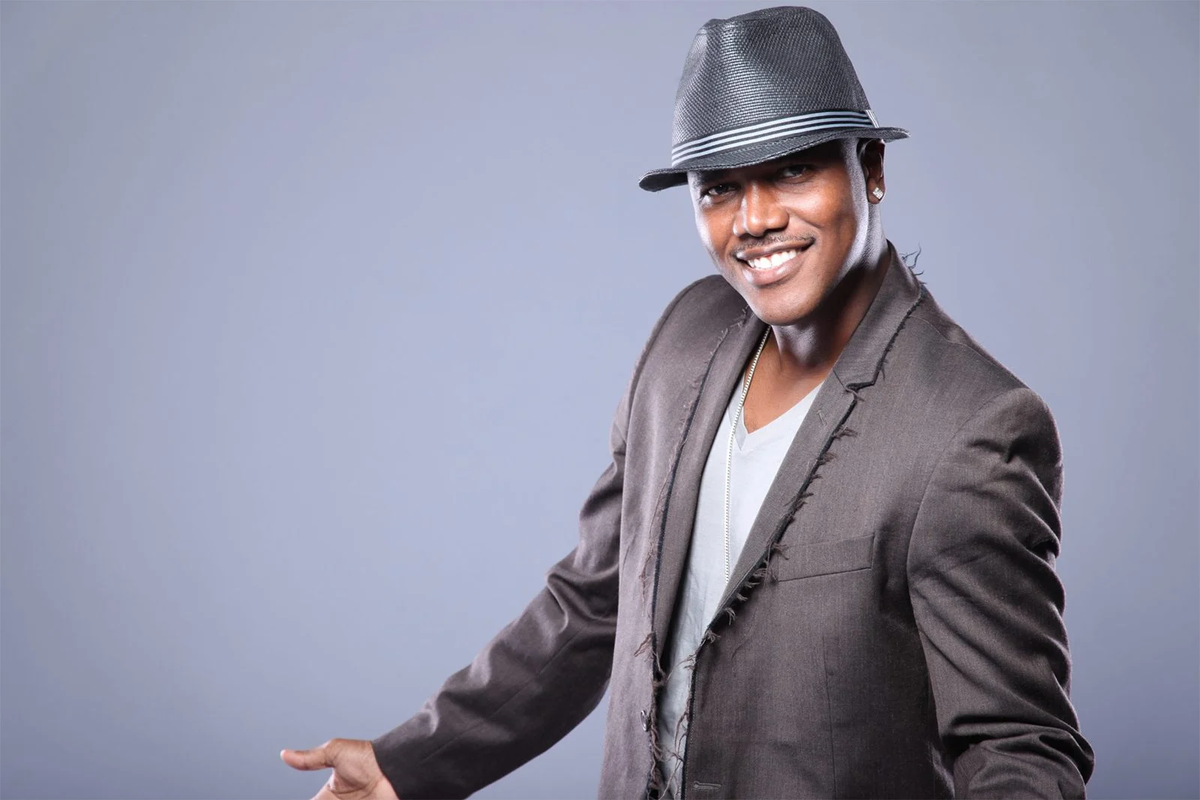
Through Atlantic, with a remix featuring Spragga Benz, it became a worldwide hit: No. 4 on the Hot 100, No. 2 in the UK and No. 1 in Denmark. Its tender vocal and swaying rhythm still make it an ideal slow-wine crossover.
12. Rihanna ft. Drake, “Work” (2016)
“Work” brought the whine to the top of global pop. Producer Boi-1da built it after Sevn Thomas pitched the idea of sampling an “old school dancehall rhythm,” and PartyNextDoor wrote the lustful lyric.
Rihanna delivered it in a blend of Bajan Creole, Jamaican Patois and English, which made it sound unmistakably Caribbean even on mainstream radio. It spent nine weeks at No. 1 on the Hot 100, giving Rihanna her 14th chart-topper and Drake his second.
It also earned Grammy nominations for Record of the Year and Best Pop Duo/Group Performance. For many listeners outside the culture, this was the first whine record they ever danced to.
Why the Whine Never Stops
Trends come and go in dancehall. Riddims rise and fade, slang changes, and new stars arrive every season. The whine stays. It connects a Diwali clap from 2003 to Kartel’s prison-recorded slow burn and links Beenie Man’s Playground bounce to Spice owning the floor on her own terms.
What these records share is respect for the body as part of the music. In dancehall, the dancers are not an afterthought. They decide which songs live on.
That is why these 12 songs keep coming back in sets around the world, from yard dances to stadium crossovers.
Each one either taught a dance, gave an existing one a soundtrack, or simply made the room move in a way nobody could resist. Turn one on, find some space, and let your waist lead.