Dancehall has always been a conversation. From the earliest sound system clashes to the studio combinations of the nineties, the music grew by putting two voices on one riddim and letting the sparks fly.
The best dancehall collabs do more than stack names. They put a rough deejay next to a sweet singer, a Kingston toaster inside a Hollywood pop record, or two bitter rivals back on the same track, and something new comes out of the friction.
This list covers both sides of that story. Some entries are pure yard business, built for the dance and the sound system.
Others carried Jamaican voices to the top of the Billboard Hot 100 and into rooms the music had never reached before.
All twelve changed how the world heard dancehall, and every one still gets a forward when the selector drops it.
1. Beyoncé feat. Sean Paul, “Baby Boy” (2003)
No collaboration put a Jamaican voice in more homes. Released in August 2003, “Baby Boy” sat atop the Billboard Hot 100 for nine consecutive weeks, Beyoncé’s longest run at No. 1 until “Irreplaceable” in 2007.
Produced by Scott Storch and Beyoncé, the track simmers on a reggae-raga rhythm that Sean Paul received as a demo before cutting his verses in Miami.
His rapid patois lands like a second heartbeat under Beyoncé’s breathy hook, which interpolates O.G.C.’s “No Fear.”
The song appeared on Dangerously in Love and on the reissue of Dutty Rock, and the RIAA certified it double platinum in December 2024.
It sits at No. 96 on Billboard’s Top Hot 100 Songs of the 21st Century, the only song on that list with a Jamaican artist.
2. Shabba Ranks feat. Maxi Priest, “Housecall (Your Body Can’t Lie to Me)” (1991)
Every time a crowd shouts “Shabba!”, it is echoing this record. That famous call was Maxi Priest’s ad-lib, which Shabba later sampled on “Mr. Loverman.”
Produced by Clifton “Specialist” Dillon and Mikey Bennett for Epic, “Housecall” paired Shabba’s gravel with Maxi’s lover’s rock silk over drums inspired by The Honeydrippers’ “Impeach the President.”
Maxi softened Shabba’s hardcore image without dulling his edge. “I was on Virgin, he was on Sony,” Maxi Priest told Songfacts. “There was a massive opportunity for us to bring sound system culture to another level.”
It climbed to No. 37 on the Hot 100, spent 15 weeks on the chart, and its video rotated heavily on BET and MTV. It also anchors As Raw as Ever, the first of Shabba’s two Grammy-winning albums.
3. Chaka Demus & Pliers, “Murder She Wrote” (1992)
Here is the deejay-and-singer combination in its purest form. Chaka Demus brings the rough, chatty grit and Pliers floats over the top with honeyed melody, a pairing Sly and Robbie championed.
The song first took shape in 1987 and needed five years to get right. The breakthrough came when the deejay urged Pliers to try it on Sly and Robbie’s remake of the Bam Bam rhythm, nodding to Toots and the Maytals‘ 1966 classic.
Co-produced with Lloyd “Gitsy” Willis and issued on Taxi, the single reached No. 57 in the US and No. 27 in the UK, and it later headlined the album Tease Me. More than 100 songs have sampled it since, which tells you how deep that riddim runs.
4. No Doubt feat. Lady Saw, “Underneath It All” (2002)
A California ska-pop band flew to Kingston, linked with Sly and Robbie, and came home with the biggest US hit of its career.
While the band worked in Jamaica, the suggestion came up that Lady Saw should add a toast, and her verse turned a tender Gwen Stefani love song into something with real yard swagger.
Built partly on a sample of Tommy McCook and The Supersonics’ 1968 “Soul for Sale,” the Rock Steady single peaked at No. 3 on the Hot 100 and won the Grammy for Best Pop Performance by a Duo or Group with Vocal.
Billboard later ranked it No. 39 among the 100 greatest songs of 2002. For Lady Saw, already the undisputed first lady of dancehall, it meant a Grammy and a global audience.
5. Super Cat feat. Mary J. Blige, The Notorious B.I.G., Puff Daddy and 3rd Eye, “Dolly My Baby” (Bad Boy Remix) (1993)
Before Bad Boy ran New York, it ran through Super Cat. The original “Dolly My Baby” lived on the Don Dada’s 1992 album and reached No. 21 on both the rap and dance charts.
The Bad Boy remix on Columbia turned it into a full posse cut, with a young Biggie trading bars alongside Mary J. Blige and 3rd Eye.
The sample stack is a crate digger’s dream: a nursery rhyme, Papa San’s “Maddy Maddy Cry,” Joe Tex, James Brown and Mountain.
Biggie clearly loved it, because he went back to the well for both “Big Poppa” and “One More Chance.” Few records show as clearly how deeply dancehall was woven into nineties hip-hop.
6. Bounty Killer feat. Baby Cham, “Another Level” (1999)
Strip away the crossover polish and this is what a dancehall combination sounds like at full force.
Released on Mad House in 1999 over the menacing Clone, or Bug, Riddim, “Another Level” pits the Warlord’s commanding growl against a hungry young Baby Cham, the protégé matching the general line for line.
The subject matter is heavy: injustice, survival and the pressures of ghetto life, delivered with the kind of conviction that made the late nineties such a golden stretch for hardcore dancehall.
Nearly two decades on, the tune was still a fixture in clubs and sessions, and the opening bars still pull a crowd toward the speaker box.
7. Shaggy feat. Rayvon, “Angel” (2001)
The idea came almost by accident. Rikrok walked into the studio singing “Angel of the Morning,” and Shaggy heard a hit.
Producer Shaun “Sting” Pizzonia built the track around that melody and the bassline from Steve Miller Band’s “The Joker,” and Rayvon’s warm hook gave Mr. Boombastic the perfect foil.
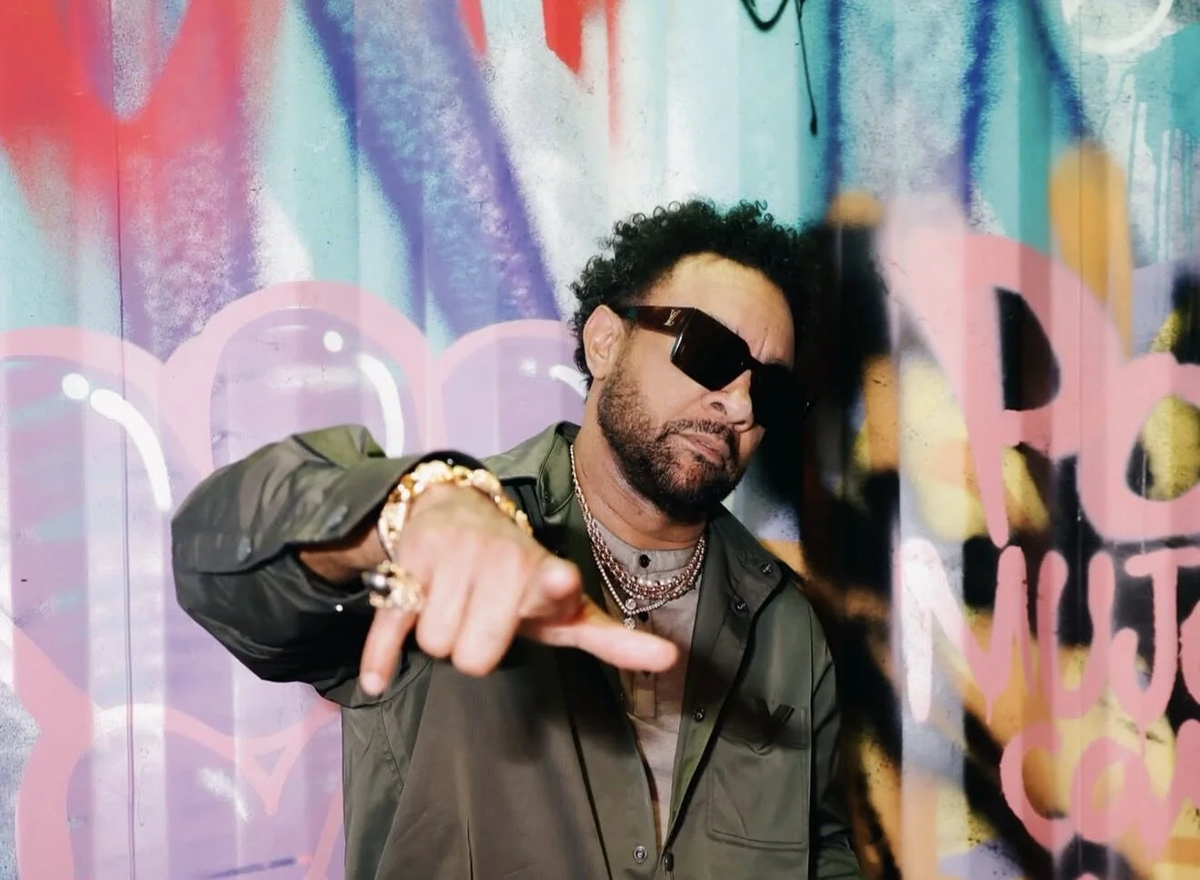
On MCA’s Hot Shot, “Angel” briefly knocked Crazy Town’s “Butterfly” off the top of the Hot 100 for a week at No. 1.
Alongside “It Wasn’t Me,” the UK’s best-selling single of 2001, it turned Shaggy from a bubbling Jamaican export into a global star. In return, Shaggy helped Rayvon and Rikrok put together solo albums of their own.
8. Beenie Man feat. Mya, “Girls Dem Sugar” (2000)
Beenie Man always knew the value of a sweet female hook, and this is the sweetest. Produced by Pharrell and The Neptunes, “Girls Dem Sugar” pairs the Doctor’s playful, rapid-fire toasting with Mya’s feather-light chorus over a sparse, bouncing beat that sounded like nothing else on radio at the turn of the millennium. It reached No. 54 on the Hot 100, No. 16 on Hot R&B/Hip-Hop and No. 13 in the UK.
Billboard later named it the seventh-best dancehall or reggaeton chorus of the 21st century, noting that while Janet Jackson on “Feel It Boy” was pure summer bliss, Mya takes top honors. It still sounds like sunshine.
9. Vybz Kartel feat. Popcaan, “Clarks” (2010)
Not many songs turn a shoe brand into a cultural uniform. “Clarks” did. Popcaan had joined Kartel’s Gaza Music Empire in 2008, and this 2010 ode to the British footwear became his breakthrough international hit.
The chemistry is effortless: Kartel the sharp, witty mentor and Popcaan the melodic newcomer with a voice that floats where others shout.
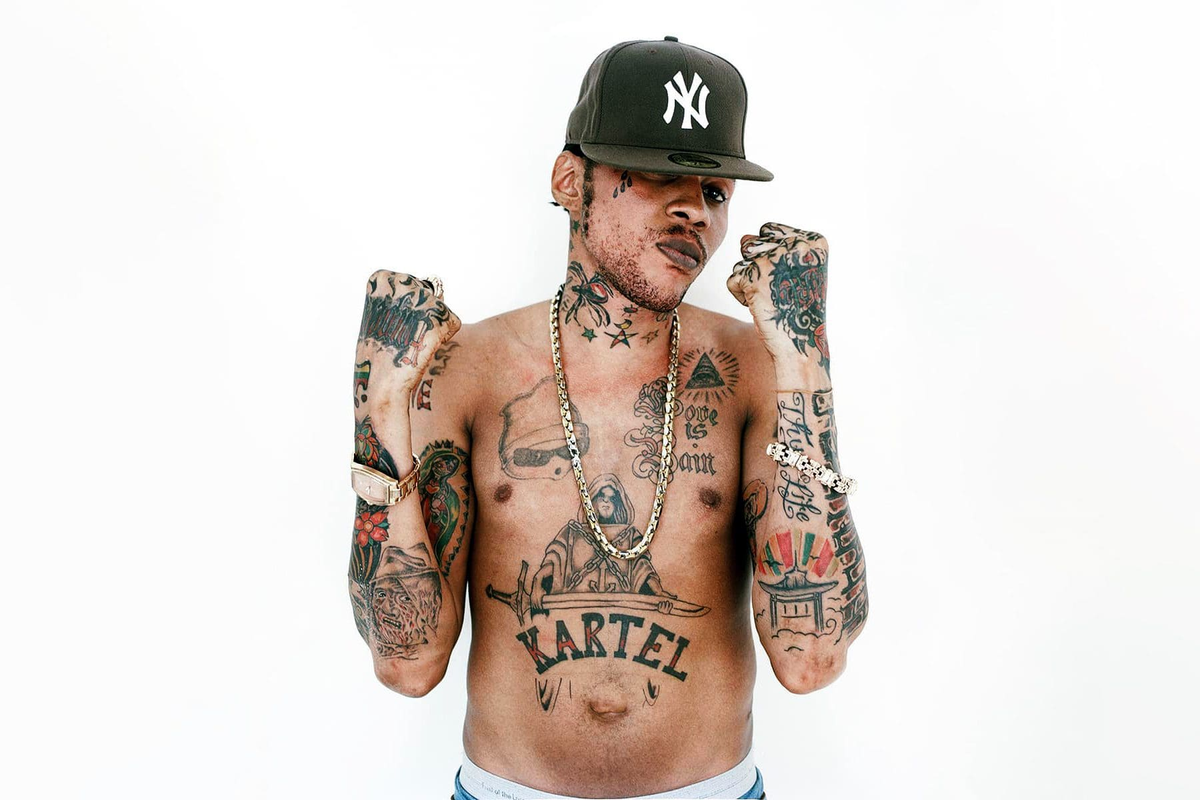
Suddenly every youth in the dance needed a fresh pair, and the song became a Gaza era fashion statement as much as a tune.
It launched Popcaan toward his Mixpak deal and his 2013 debut Where We Come From, and it showed why artists from Drake down call Kartel one of their “biggest inspirations.”
10. Vybz Kartel feat. Spice, “Romping Shop” (2009)
If “Clarks” was Kartel the stylist, “Romping Shop” was Kartel the provocateur. This 2009 duet with Spice is a raunchy back-and-forth where neither artist gives an inch.
Spice matches the Worl’ Boss boast for boast, flipping the usual dynamic and proving she could hold her own with the most dominant deejay of the era.
That sense of equal footing is what makes the record so fun, and so enduring at parties where the crowd splits along gender lines to shout the chorus at each other.
Billboard ranked it No. 9 among the best dancehall and reggaeton choruses of the 21st century in 2017, and it helped cement Spice’s place at the top of the women’s game.
11. Cham feat. Alicia Keys, “Ghetto Story” (Remix) (2005)
By 2005 the former Baby Cham had dropped the “Baby” and grown into one of dancehall’s most compelling storytellers.
“Ghetto Story” was his biggest hit, an inner-city anthem that laid out the hardships of growing up poor in Kingston with unflinching detail.
The remix brought in Alicia Keys, and the pairing worked because she approached the song with respect rather than gloss, her soulful presence lending the narrative extra weight on American radio.
For a former Bounty Killer protégé, the link was a statement that the stories coming out of Jamaican garrisons belonged on the biggest stages. It still stands as one of the most purposeful international collaborations dancehall has produced.
12. Vybz Kartel & Mavado, “Hype Life” (2026)
Some collaborations are about the music. This one is about history. The Gaza versus Gully war, which the Jamaica Observer called “the greatest rivalry in contemporary dancehall history,” split the island after the pair’s Sting 2008 clash and Kartel’s answer, “Last Man Standing.”
Nearly two decades later, the two men reconnected naturally after linking at a DJ Khaled event in the United States.
The result anchors Kartel’s God & Time, which arrived on June 5, 2026 and debuted at No. 6 on Billboard’s Reggae Albums chart.
Kartel did not undersell it. “The Mavado collab iconic,” he told The Star. For fans who lived through the feud, hearing both voices on one track feels like a full circle moment.
Why These Combinations Still Run the Dance
Look across these twelve songs and a pattern emerges. The greatest dancehall collaborations work because of contrast: grit against sweetness, Kingston against Manhattan, rival against rival.
Shabba and Maxi proved a hardcore deejay could charm the mainstream without losing his edge. Sly and Robbie showed that a Jamaican rhythm section could reshape rock and pop.
Sean Paul, Lady Saw and Beenie Man brought patois to the top of the charts, while Bounty Killer, Cham, Kartel and Popcaan kept the music rooted in the realities of the street.
And now, with Kartel and Mavado back on the same riddim, the culture has shown it can heal its deepest wounds too.
The next great combination is probably being voiced in a Kingston studio right now. Dancehall has always been a conversation, and it is nowhere near finished.