
Few songs in the reggae canon carry the weight of a lived threat delivered with such irresistible joy. The pressure drop meaning at the heart of Toots & The Maytals’ 1969 recording is deceptively simple: if you do wrong to innocent people, cosmic retribution will find you.
That idea, rooted in a real personal injustice suffered by songwriter Frederick “Toots” Hibbert, transformed a phrase he used in daily conversation into one of the most covered and enduring songs in Jamaican music history.
Who Were Toots & The Maytals?
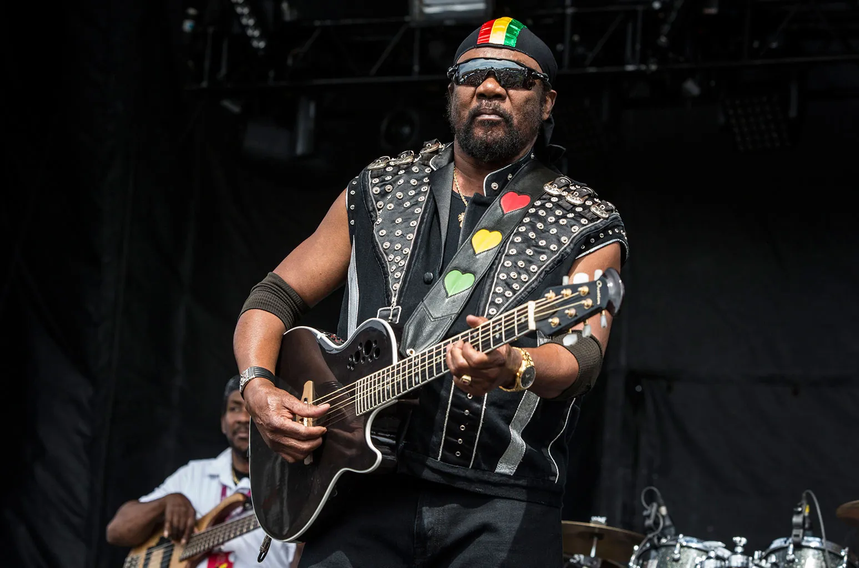
Frederick Nathaniel “Toots” Hibbert (8 December 1942 to 11 September 2020) was a Jamaican singer and songwriter who was the lead vocalist for the reggae and ska band Toots and the Maytals.
Born in May Pen in the Parish of Clarendon, Jamaica, the youngest of seven children, Hibbert grew up singing gospel music in a church choir before moving to Kingston in 1961 at the age of sixteen.
In 1962, the same year Jamaica gained independence from the United Kingdom, singers Jerry Matthias and Raleigh Gordon heard Toots singing at a barbershop, and the trio formed the Maytals.
Formed in the early 1960s, they were key figures in popularizing reggae music globally, with their use of ska and rocksteady.
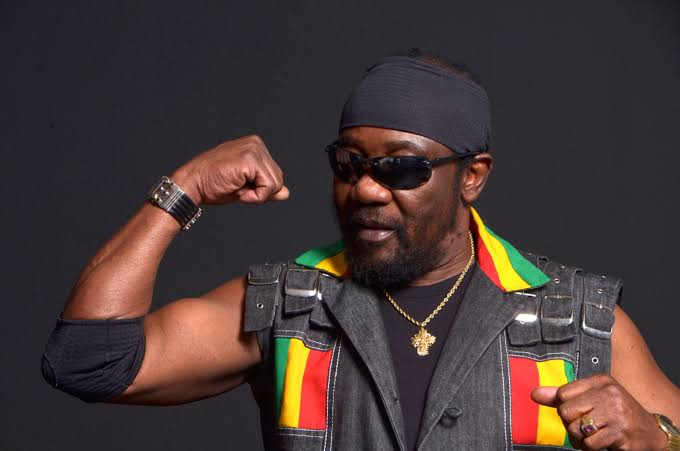
The Maytals most clearly demonstrated the links between Jamaican sounds and American R&B, as Hibbert’s rich, emotive vocal style was informed by Otis Redding, Wilson Pickett, and other soul icons, and the group’s catalog contains a number of crucial, frequently covered tracks, most notably the classic “Pressure Drop.”
The group’s rise was interrupted when Hibbert was arrested in 1966 and sentenced to 18 months imprisonment for marijuana possession at Richmond Farm Prison in St. Mary, of which he served nine months, an experience that directly inspired the 1968 single “54-46 Was My Number,” referencing his prisoner identification number.
Following Hibbert’s release in 1967, the Maytals began working with Chinese-Jamaican producer Leslie Kong, a collaboration which yielded “Do the Reggay,” released in 1968, which was the first song to use the word “reggae” and gave the developing genre its name.
The Making of “Pressure Drop”
“Pressure Drop” is a song recorded in 1969 by Jamaican musical group the Maytals for record producer Leslie Kong.
The song appears on their 1970 album Monkey Man, released in Jamaica by Beverley’s Records, and From the Roots, released in the UK by Trojan Records.
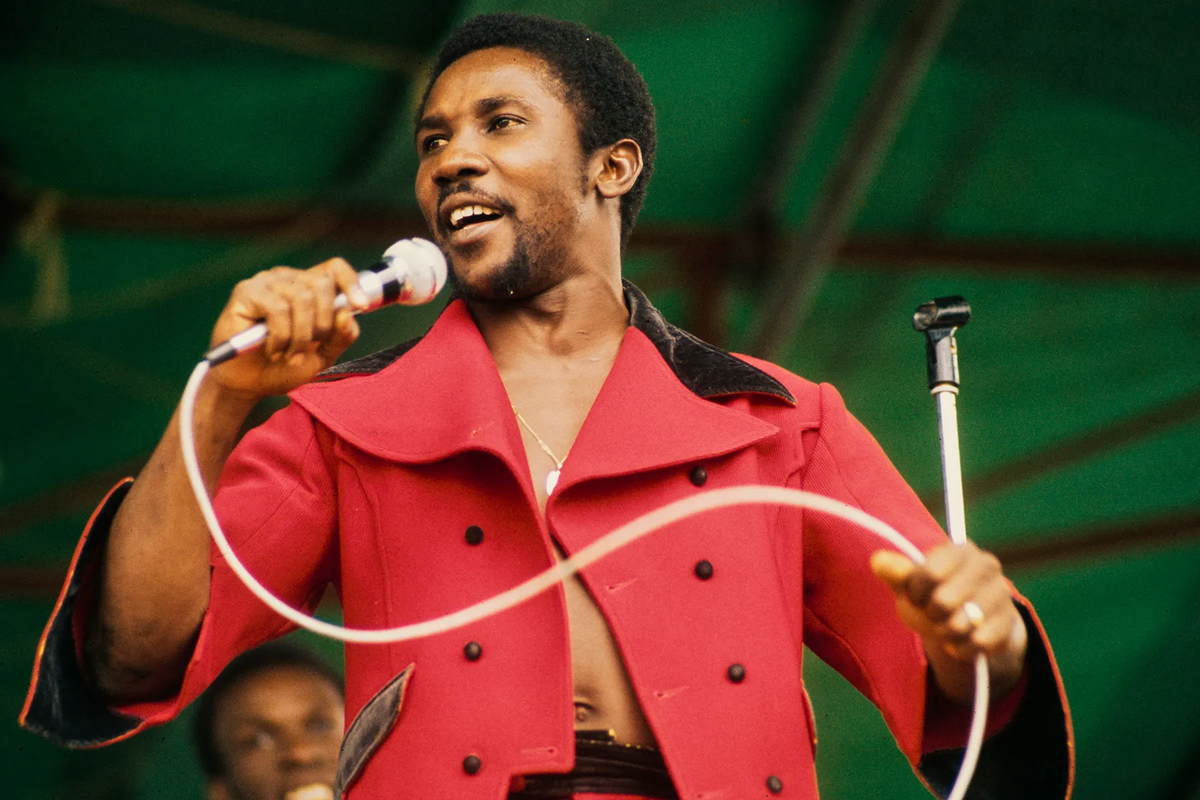
The recording session took place at a defining creative moment for the group. Following Hibbert’s release from jail towards the end of 1967, the band officially changed their name to Toots and the Maytals and began working with producer Leslie Kong, a collaboration which produced three classic albums and a string of hits throughout the late 1960s and early 1970s, including “Do the Reggay,” “Pressure Drop,” “54-46 Was My Number,” and “Monkey Man.
The track opens with a distinctive guitar riff, followed by a steady, upbeat rhythm that exemplifies the reggae style. Hibbert’s vocal performance is a standout aspect of the track.
His voice, rich and soulful, conveys a blend of resilience and optimism, and his ability to infuse his singing with emotion and intensity makes “Pressure Drop” a powerful and moving listening experience.
The Pressure Drop Meaning: Karma as a Weapon
The central question most listeners arrive with is: what does “pressure drop” actually mean? Hibbert answered it clearly in a 2016 interview with The Guardian.
In that interview, he said that “Pressure Drop” was a song about karmic justice. “It’s a song about revenge, but in the form of karma: If you do bad things to innocent people, then bad things will happen to you.
The title was a phrase I used to say. If someone done me wrong, rather than fight them like a warrior, I’d say: ‘The pressure’s going to drop on you.'”
The immediate trigger for the song was financial. Hibbert felt that his home country of Jamaica, and especially Jamaican musicians, were under a lot of pressure, as it was very hard for them to make a decent living.
He told Uncut magazine that “Somebody was supposed to pay us our first £1,000 or £2,000 but we never get it. I wrote this song which, instead of trying to fight this person or do him any harm, it said, pressure going to drop on you.”
A deeper layer of the lyric connects to his prison experience. Drawing from his personal experiences of injustice, including a prison sentence in 1966 for marijuana possession, Hibbert crafted the song as a reflection on retribution against oppressors.
As he put it: “When I got out of jail I had a sense of injustice. ‘Pressure Drop’ is a song about revenge: if you do bad things to innocent people, bad things will happen to you.”
The phrase “pressure drop” operates on more than one level. The phrase is immediately recognizable as a term from meteorology, denoting a sudden decrease in atmospheric pressure often indicative of a storm on the horizon. Hibbert cleverly uses this natural phenomenon to hint at a looming confrontation or change.
The song intimates that this pressure drop portends a moment of reckoning that will profoundly affect those on whom the pressure drops, a metaphor that extends into the political and social realms of the time.
The lyrics of “Pressure Drop” are deceptively simple yet deeply meaningful, speaking to themes of justice, retribution, and the moral consequences of one’s actions.
The repeated assertion that the pressure is coming, and that “it is you” who will feel it, carries a conviction rooted not in rage but in a kind of spiritual patience. Hibbert invoked heavenly justice in “Pressure Drop,” not street-level retaliation.
The Song’s Role in Reggae’s Global Breakthrough
“Pressure Drop” might have remained a beloved Jamaican island cut had it not been placed on one of the most influential soundtracks in the history of popular music.
Pressure Drop” helped launch the band’s career outside Jamaica when the song was featured on the soundtrack to the 1972 film The Harder They Come, which introduced reggae to much of the world.
The group was featured in one of reggae’s greatest breakthrough events: The Harder They Come, the 1972 film and soundtrack starring Jimmy Cliff, named as one of Vanity Fair’s Top 10 Best Soundtracks of all time.
The soundtrack’s word-of-mouth circulation through the United States and United Kingdom gave “Pressure Drop” a new audience far larger than any Jamaican chart position could have predicted.
The song managed to cross the borders of Jamaica and touch the hearts of international audiences, resonating with anyone who has ever craved the recalibration of the scales of justice.
Cover Versions and Cultural Legacy
The measure of a song’s staying power is the number of artists compelled to interpret it. “Pressure Drop” has attracted an unusually distinguished list of interpreters across multiple genres.
The song has been covered most notably by Robert Palmer, the Specials, Keith Richards, Izzy Stradlin and the Ju Ju Hounds, the Oppressed, and the Clash.
The Clash’s version is one of the most popular. It started as a live cover on their White Riot tour in 1977, and a few attempts at recording it in the studio were unsuccessful before the finished cover was completed at Marquee Studios in March 1978.
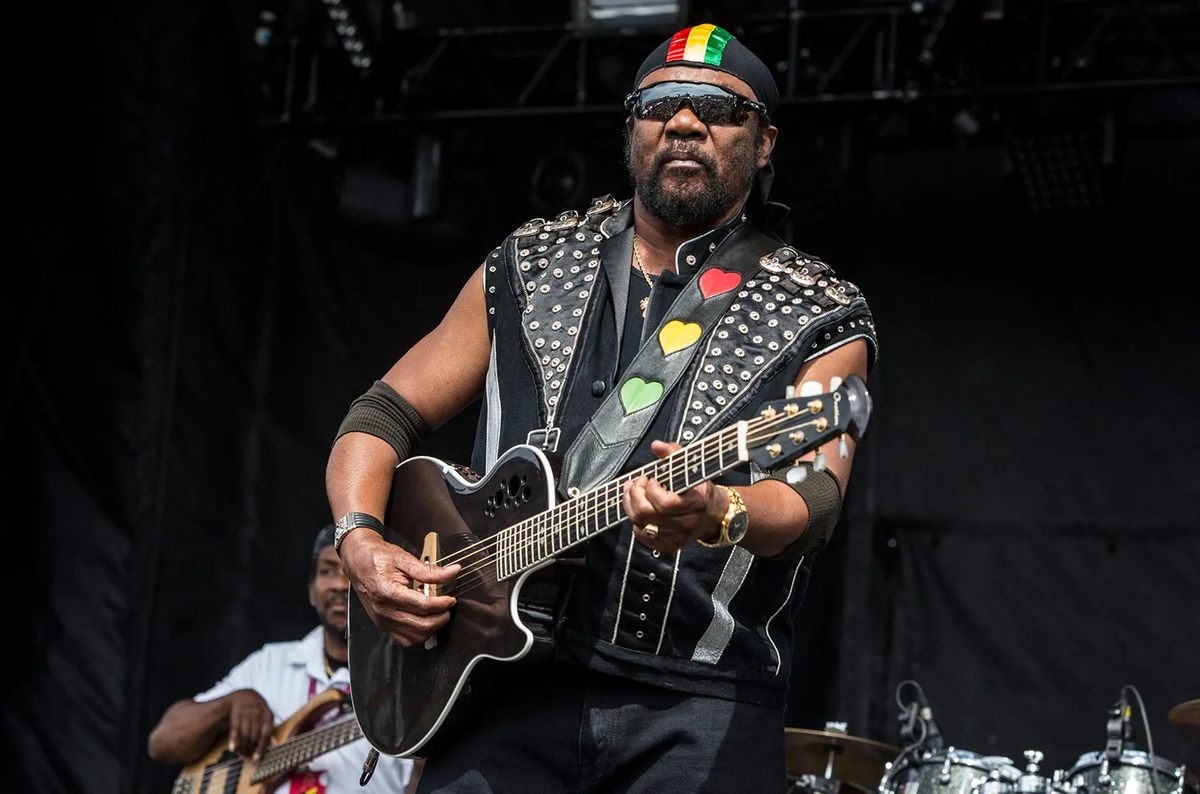
The final recording is strong but hampered by Joe Strummer’s sore throat, which is partially evident on the hoarse vocal track. The Clash released “Pressure Drop” as the B-side to “English Civil War” on 23 February 1979.
Robert Palmer titled his entire second solo album Pressure Drop, released in November 1975, with Palmer backed by Little Feat.
The title track is a cover version of the reggae hit by Toots and the Maytals. Palmer’s 1975 rendition was hailed in contemporary reviews for its laid-back, soulful reinterpretation, backed by Little Feat’s funky grooves that added a blue-eyed soul warmth to the reggae staple.
The song also became popular to cover among UK ska bands: The Selector and the Specials both recorded versions.
Honours, Recognition, and Hibbert’s Legacy
The broader significance of Toots Hibbert, and of “Pressure Drop” within his catalog, was confirmed repeatedly by the music establishment.
In 2004, Rolling Stone rated the song No. 453 in its list of the 500 Greatest Songs of All Time. Hibbert was ranked No. 71 on a Rolling Stone list, compiled in 2008, of the 100 greatest contemporary singers.
In 2004, Toots and the Maytals released True Love, a duets album that found Hibbert reimagining some of his most famous tracks with guests including Willie Nelson, Bonnie Raitt, Shaggy, Eric Clapton, the Roots, Trey Anastasio, No Doubt, Keith Richards, and Bunny Wailer. True Love won Best Reggae Album at the 47th Grammys.
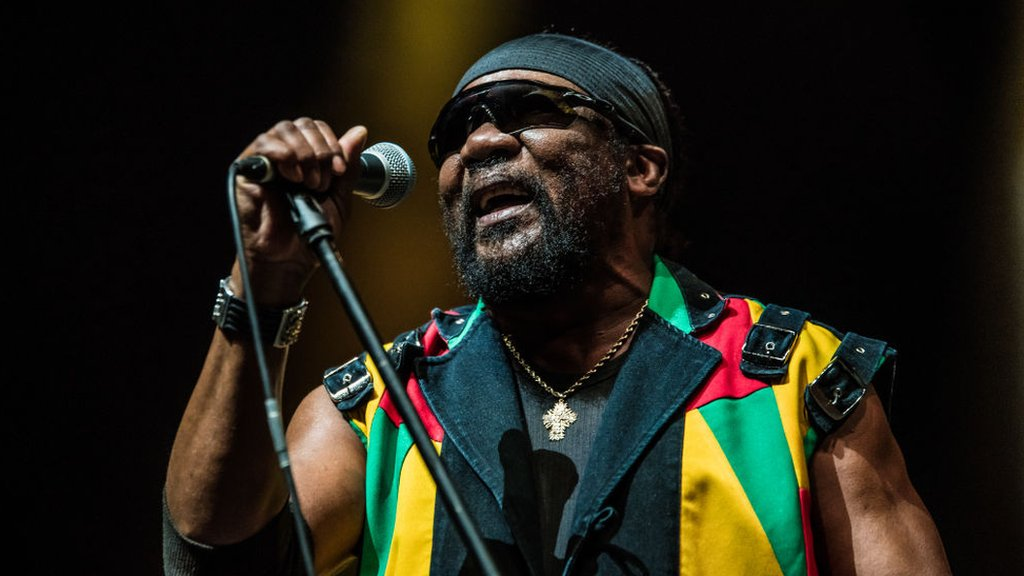
In 2012, Toots was conferred Jamaica’s fifth highest honor, the Order of Jamaica, for his contribution to Jamaica’s music.
Hibbert passed away on 11 September 2020 in Kingston, Jamaica, at the age of 77. In 2020, shortly before his death, he released another album, Got To Be Tough, which included contributions from Ziggy Marley and Ringo Starr, whose son, Zak Starkey, served as co-producer.
Why “Pressure Drop” Still Resonates
The pressure drop meaning has never required explanation to be felt. The groove carries it. But knowing that Hibbert wrote the song in the aftermath of wrongful imprisonment, unpaid wages, and systemic pressure on Jamaican musicians gives the repetitive structure a different weight.
Each recurrence of the title phrase is not aggression but prophecy: a calm, certain announcement that justice, while it may move slowly, does not miss its target.
In the rhythms of Hibbert’s soul-stirring verses, there lies a lesson, a warning, and a prophetic voice that still resonates today.
That combination of spiritual patience, melodic mastery, and raw biographical truth is why “Pressure Drop” has outlasted so many louder declarations of protest, and why artists from punk frontmen to rock guitarists keep returning to it, generation after generation.