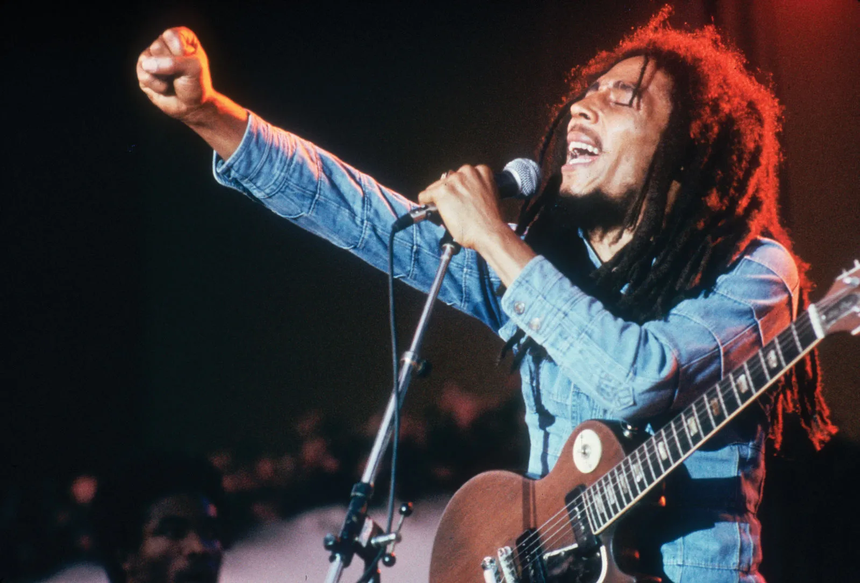

Deciding on the best reggae artists of all time is both an act of musical criticism and a reckoning with history.
Reggae emerged in the late 1960s, growing from earlier Jamaican forms such as ska and rocksteady to become a global voice of identity, resistance, spirituality, and cultural pride.
From the tenements of Kingston to the stages of the world’s largest arenas, the genre’s reach is extraordinary: UNESCO recognized reggae as an Intangible Cultural Heritage of Humanity in 2018, affirming its significance as a vehicle for social commentary, spiritual expression, and cultural identity.
This ranked list weighs commercial impact, artistic influence, catalog depth, and cultural legacy. Chart records, Grammy wins, and sales figures are sourced where verifiable. The result is the most rigorously researched ranking of the greatest reggae artists ever assembled.
How We Ranked the 50 Best Reggae Artists
Our methodology combines four criteria applied equally: (1) recorded sales and streaming data; (2) critical consensus and peer recognition; (3) Grammy and awards history; and (4) long-term influence on the genre and on popular music broadly. Artists from every reggae subgenre are represented, from roots and rocksteady to dancehall and lovers rock.
50 to 41: The Essential Foundation
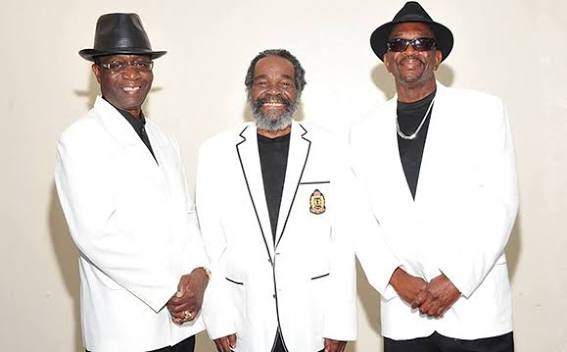
50. The Melodians
A Studio One harmony trio whose 1969 recording “Rivers of Babylon” became one of reggae’s earliest international crossover records and a cornerstone of the genre’s spiritual tradition.
49. Ini Kamoze
Best known in the mainstream for “Here Comes the Hotstepper,” a 1994 global hit that introduced a generation of pop listeners to dancehall cadence, Ini Kamoze built a respected roots reggae catalog in Jamaica long before that breakout.
48. Barrington Levy
A pioneer of the digital dancehall era who bridged the analog roots sound of the late 1970s with the computerized riddims of the 1980s, Levy is one of the most distinctive voices in Jamaican music history.
47. Sugar Minott
Sugar Minott is credited as one of the key figures in developing the dancehall sound in the late 1970s, nurturing young artists through his Youth Promotion collective and leaving behind a catalog of lasting singles.
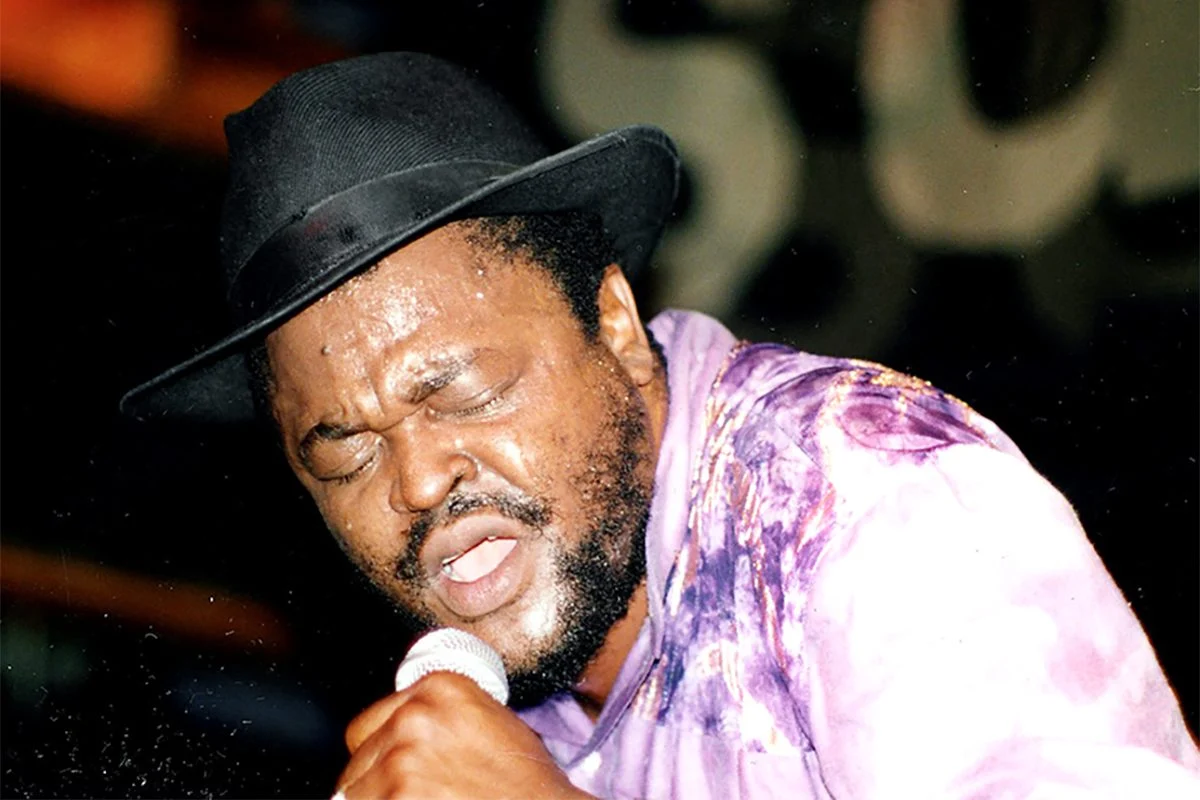
46. Junior Murvin
His falsetto-driven “Police and Thieves,” produced by Lee “Scratch” Perry, became a landmark of roots reggae and crossed into the UK punk scene when The Clash covered it in 1977 on their debut album.
45. The Abyssinians
The Abyssinians, formed in 1968, are credited with creating some of reggae’s most enduring Nyahbinghi-influenced harmonies. Their 1969 recording “Satta Massagana” is considered a foundational artifact of roots reggae.
44. Freddie McGregor
A Studio One veteran who transitioned through every phase of Jamaican music from ska to contemporary reggae, Freddie McGregor is one of the most reliable and acclaimed vocalists the genre has produced.
43. Culture
Led by Joseph Hill, Culture brought some of the most theologically intense roots reggae of the 1970s. Their 1977 debut album “Two Sevens Clash” remains one of the most acclaimed records in the Rastafari canon.
42. Alton Ellis
Known as the “Godfather of Rocksteady,” Alton Ellis helped shape the transitional sound that connected ska to reggae in the mid-1960s. His vocal range and emotional expressiveness influenced virtually every Jamaican singer who followed him.
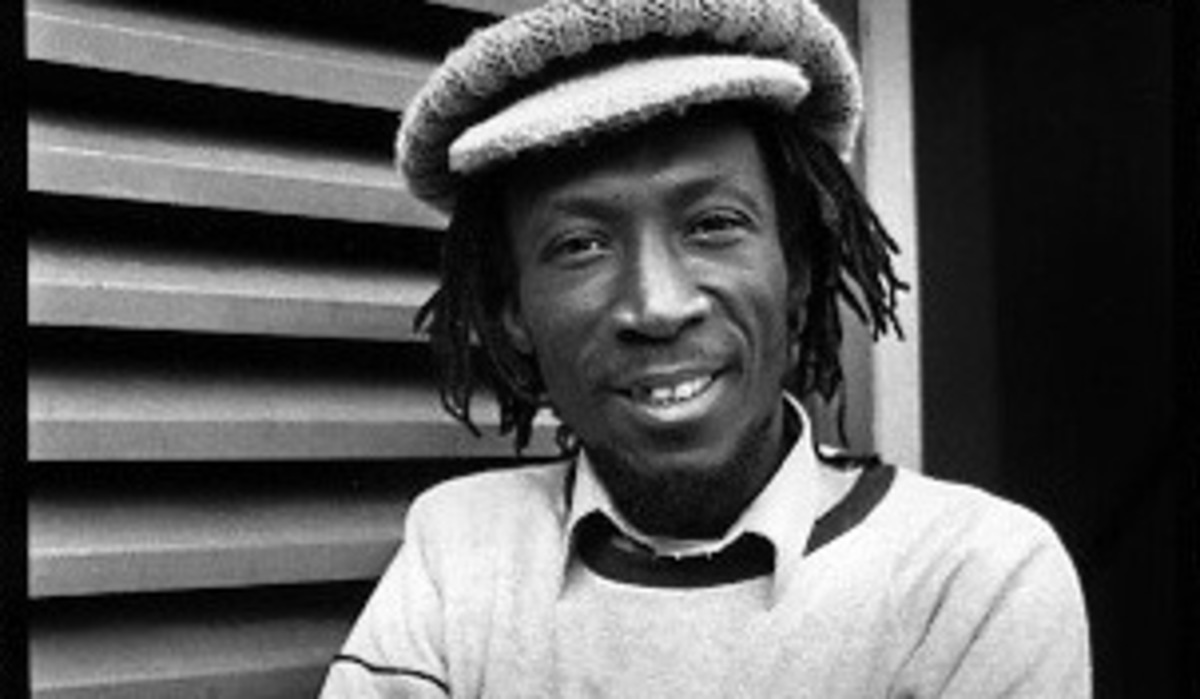
41. The Mighty Diamonds
A harmony trio from Kingston’s Trenchtown, the Mighty Diamonds became one of the most celebrated vocal groups in roots reggae, with their 1976 album “Right Time” earning lasting critical recognition.
40 to 31: The Architects
40. Desmond Dekker
In March 1969, Desmond Dekker and The Aces scored a Number 1 hit in the UK with “The Israelites,” making it one of the first Jamaican records to reach the top of any major international chart and an early proof of reggae’s global commercial potential.
39. John Holt
A reggae colossus and a master of every style the music had to offer, John Holt began his career in the ska era and remained a commanding presence across four decades of Jamaican music. His Treasure Isle recordings and later lovers rock work are equally beloved.
38. Marcia Griffiths
A former member of the I Threes alongside Rita Marley and Judy Mowatt, Marcia Griffiths has one of the longest and most decorated solo careers of any Jamaican female artist, with “Electric Boogie” becoming an enduring global dance-floor standard.
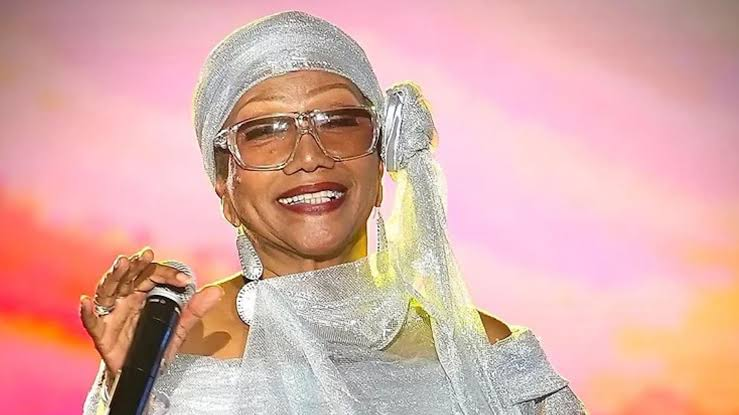
37. Big Youth
One of reggae’s most inventive deejays, Big Youth pioneered the art of “toasting” over riddims in the early 1970s, directly laying the groundwork for the style that would evolve into dancehall and later hip-hop.
36. U-Roy
Often called the first DJ superstar of Jamaican music, U-Roy’s 1970 recordings for Duke Reid’s Treasure Isle studio essentially codified the deejay style that defines dancehall to this day, simultaneously holding the top three positions on the Jamaican charts at one point.
35. Sizzla
One of the most prolific artists in reggae history, Sizzla Kalonji released dozens of albums in the late 1990s and 2000s. His 1997 album “Praise Ye Jah” is considered among the finest roots records of the modern era.
34. Kabaka Pyramid
The most internationally recognized artist from reggae’s current generation, Kabaka Pyramid’s win at the Grammys signals ongoing innovation in Jamaican music; his win for “The Kalling” was his first ever nomination.
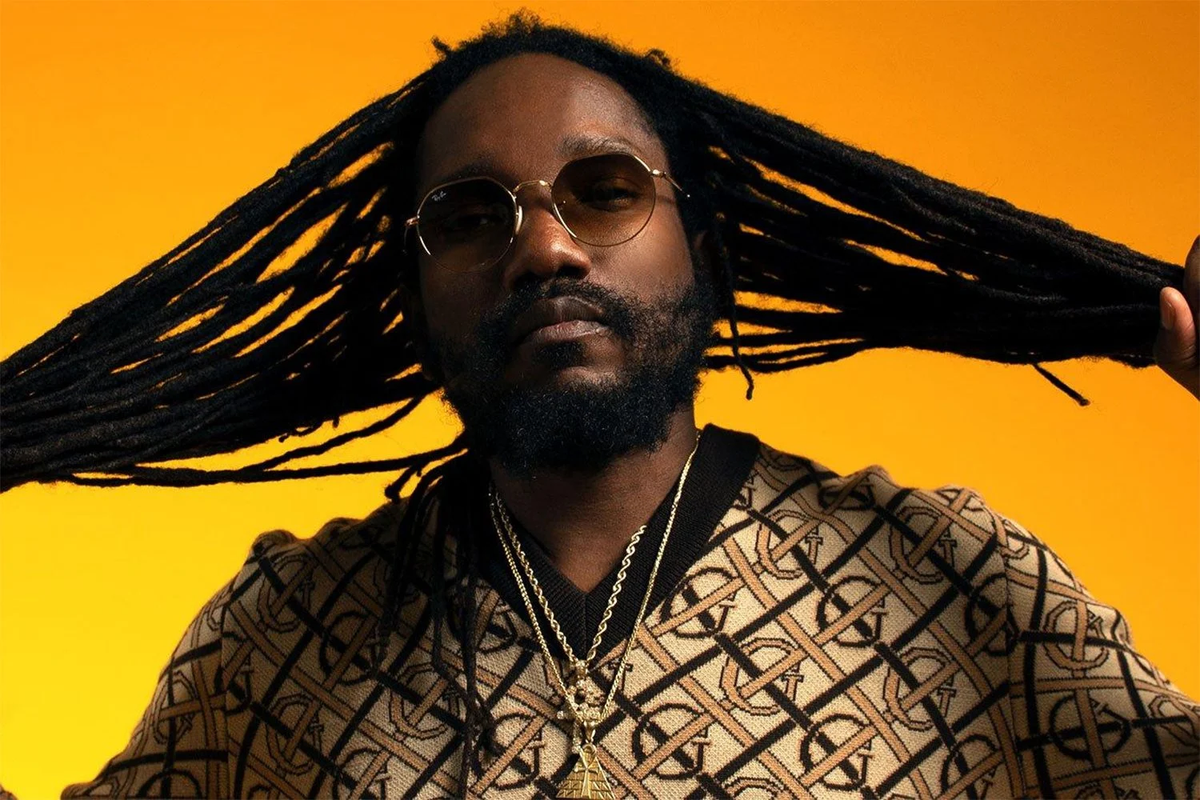
33. Damian Marley
Damian Marley’s “Welcome To Jamrock” (2006) sold 1,200,000 units and introduced roots-informed dancehall to a generation raised on hip-hop. His Grammy-winning debut “Halfway Tree” (2002) cemented his status as one of reggae’s most commercially successful younger artists.
32. Steel Pulse
Birmingham’s Steel Pulse brought reggae’s Rastafarian consciousness to the heart of British punk’s era, forming in 1975 and releasing the critically lauded “Handsworth Revolution” in 1978. They later became the first non-Jamaican act to win the Grammy Award for Best Reggae Album, taking home the prize for “Babylon the Bandit” in 1986.
31. Inner Circle
Inner Circle’s “Bad Boys” (1994 Grammy winner) sold 1,100,000 units, making it one of the best-selling Grammy Best Reggae Album releases in the award’s history, aided in no small part by the song’s adoption as the theme for the television program “COPS.”
30 to 21: The Greats
30. Yellowman
Yellowman became the most commercially dominant reggae artist in Jamaica during the early 1980s, his outrageous slackness lyrics and distinctive delivery making him a counterpoint to the roots movement and a progenitor of the deejay-led dancehall era.
29. Beenie Man
Kingston born and raised, Beenie Man’s journey in music began during the 1980s, releasing his first project at the age of 10. Beenie Man won the Grammy for Best Reggae Album for the 2000 album “Art and Life” and remains one of the most consistent recording and performing artists in the history of dancehall.
28. Ziggy Marley
Ziggy Marley and the Melody Makers‘ “Conscious Party” (1989 Grammy winner) sold 1,000,000 units. Ziggy went on to win multiple Grammy Awards as a solo artist and has maintained an unbroken presence in the genre across four decades, helping to carry the Marley family legacy forward with artistic credibility.
27. Beres Hammond
Regarded by many Jamaican music insiders as the finest pure vocalist to emerge from the island since Dennis Brown, Beres Hammond’s smooth, gospel-inflected tenor and consistently high-quality output across the 1980s, 1990s, and 2000s place him among the elite of reggae singing.
26. Lee “Scratch” Perry
Rainford Hugh Perry, known as Lee “Scratch” Perry, was a Jamaican record producer, singer, and songwriter renowned for his innovative studio techniques. A pioneer of dub music, his experimental approach revolutionized reggae production.
He produced foundational albums for Bob Marley and the Wailers, the Congos, and Max Romeo, among dozens of others, and won the Grammy Award for Best Reggae Album for “Jamaican E.T.” in 2003.
25. King Tubby
With studio time and recording tape expensive, producers like Lee Perry and King Tubby began taking old backing tracks and remixing them into sonically crackpot but undeniably brilliant dubs, inventing an entirely new art form in the process. King Tubby’s creation of dub music as a standalone genre influenced every form of electronic music that followed, from drum and bass to ambient techno.
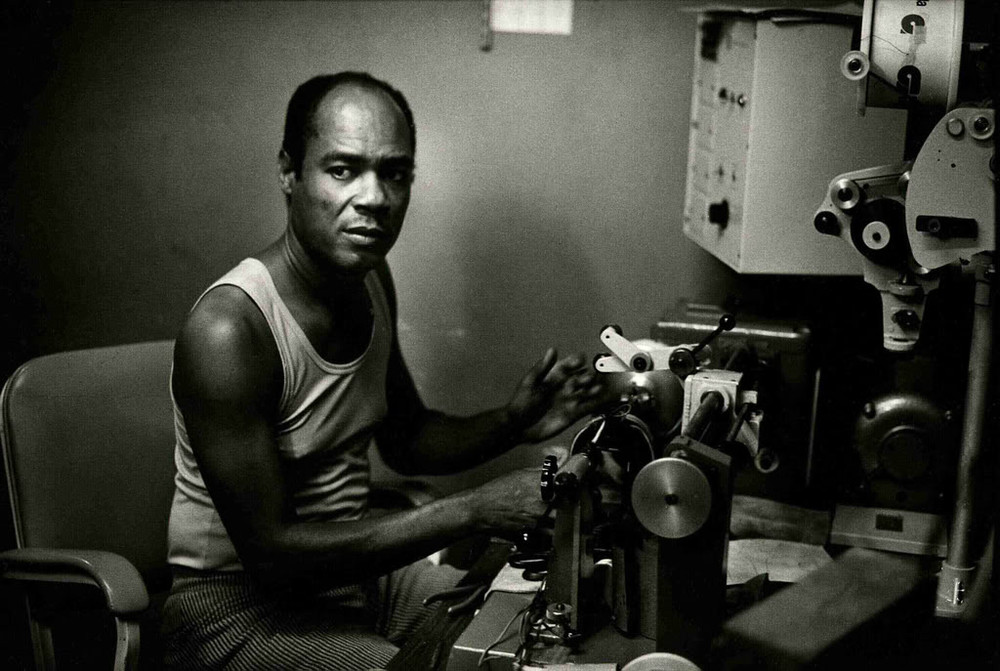
24. Black Uhuru
Black Uhuru’s album “Anthem” won the first ever Grammy Award for Best Reggae Album in 1985, marking a watershed moment for the genre’s recognition by the American recording industry. Backed by the legendary rhythm section of Sly and Robbie, their 1980s catalog is among the most powerful in reggae history.
23. Shaggy
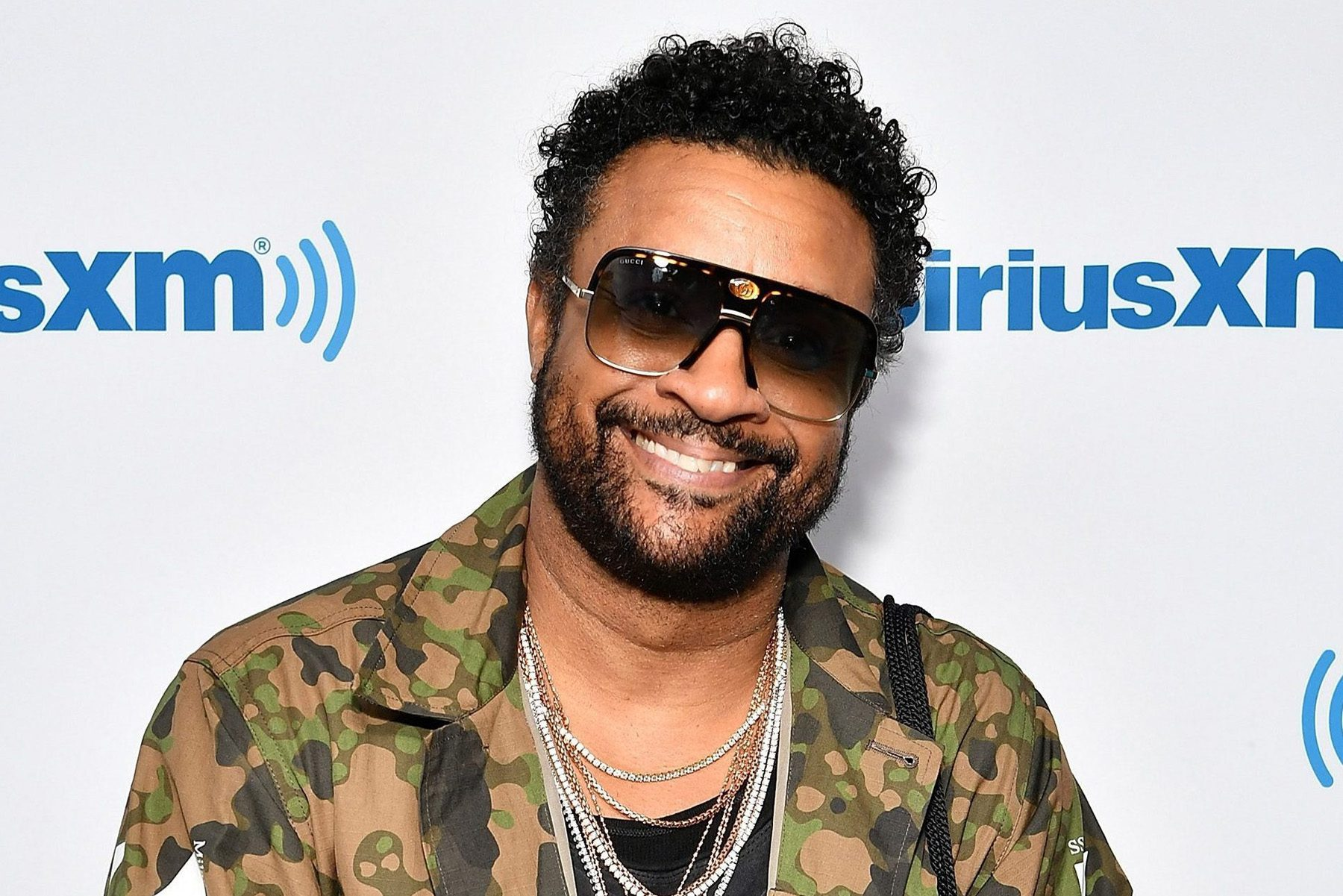
“It Wasn’t Me” has been regarded as Shaggy’s breakthrough in the pop market. The single topped the charts in Australia, France, Ireland, the Netherlands, Poland, the United Kingdom, and the United States. It was the best-selling single of 2001 in the UK, selling over 1.15 million copies that year. His Grammy-winning album “Boombastic” (1996) sold 1.2 million units, making it one of the best-selling reggae Grammy winners ever recorded.
22. Shabba Ranks
Shabba Ranks was a massive crossover success in the U.S., thanks to an openly commercial hybrid of reggae and hip-hop, and he became the first dancehall artist to win a Grammy. His follow-up album “X-Tra Naked” won Ranks his second straight Best Reggae Album Grammy, making him the first artist to win the award in back-to-back years. Ranks’ early success also helped pave the way for even bigger crossovers by artists like Shaggy and Sean Paul.
21. Burning Spear
No voice in reggae sounds like Winston Rodney, who records as Burning Spear. Where other singers offered melody and harmony, he offered something older and more elemental: a chanting, incantatory delivery rooted in Nyahbinghi drumming.
Albums like “Marcus Garvey” and songs like “Slavery Days” have made him a symbol of resistance and cultural pride. His catalog spans five decades and thirteen Grammy nominations. He won the Grammy for Best Reggae Album for “Jah Is Real” in 2009.
20 to 11: The Inner Circle
20. Sean Paul
Sean Paul’s singles “Get Busy” and “Temperature” topped the Billboard Hot 100 chart in the United States, and his album “Dutty Rock” won the Grammy Award for Best Reggae Album, making him one of dancehall and reggae’s most prolific artists of all time. “
Temperature” reached No. 1 on the Billboard Hot 100 to become Paul’s third US No. 1 single. Paul also featured on chart-toppers including “Baby Boy” with Beyoncé, “Rockabye” by Clean Bandit, and “Cheap Thrills” by Sia.
19. Buju Banton
Buju Banton’s 1995 album “Til Shiloh,” featuring songs like “Wanna Be Loved,” “Untold Stories,” and “Murderer,” is regarded as one of the greatest dancehall and reggae albums of all time. Over his career he released 10 albums, six receiving Grammy nominations.
He won the Grammy Award for Best Reggae Album for “Before the Dawn” in 2011, an album recorded while he was battling federal charges in a Florida courtroom. For over three decades, he dominated the reggae and dancehall sub-genre with lyricism superior to his peers and a ministry committed to liberating the minds of oppressed people.
18. Sly and Robbie
No rhythm section in the history of reggae has had a broader or more sustained impact than the duo of drummer Sly Dunbar and bassist Robbie Shakespeare. Active from the mid-1970s and credited on hundreds of classic recordings, they backed Bob Marley, Peter Tosh, Black Uhuru, Bunny Wailer, Grace Jones, and Bob Dylan, among scores of others. Their career as producers is inseparable from reggae’s global expansion.
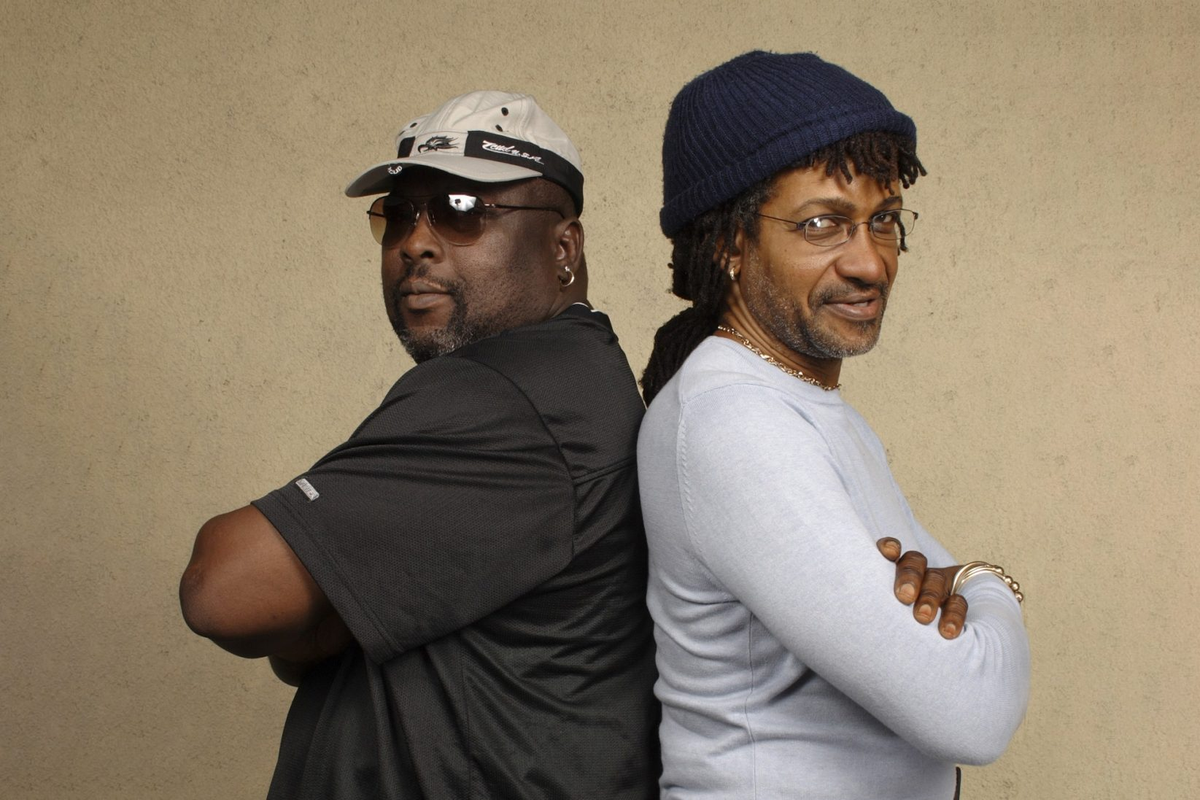
17. Prince Buster
The loping sounds of ska artists such as Prince Buster were among the first to define Jamaica’s international sound, making him one of the architects of the tradition from which reggae grew. His 1960s recordings are the bedrock on which everything else in this list stands.
16. Gregory Isaacs
Milo Miles, writing in The New York Times, described Isaacs as “the most exquisite vocalist in reggae.” Known as the “Cool Ruler,” his smooth, romantic style made him a popular reggae artist in both Jamaica and internationally, with hits such as “Night Nurse” and “Love Is Overdue.” His catalog of over 500 recorded songs, spanning lovers rock, roots, and dancehall, is without precedent in scope or consistency.
15. Dennis Brown
Dennis Brown, often referred to as the “Crown Prince of Reggae,” recorded over 75 albums and countless singles during his career, including the classic “Revolution.” As Brown’s fame grew, he effortlessly navigated between various sub-genres of reggae, infusing his music with elements of ska, rocksteady, and lovers rock. His rise to fame intensified after Bob Marley declared him his favorite.
14. The Skatalites
The house band for virtually every major recording session in Jamaica between 1963 and 1965, the Skatalites were reggae’s original musical foundation. Without their inventive ska arrangements and jazz-inflected improvisations, there is no Bob Marley, no Peter Tosh, no Toots Hibbert. The loping sounds of ska artists such as The Skatalites were among the first to define Jamaica’s international sound.
13. Bunny Wailer
A founding member of The Wailers alongside Marley and Tosh, Bunny Wailer contributed significantly to reggae’s early development. His solo career flourished with albums like “Blackheart Man,” showcasing his versatility and musical depth.
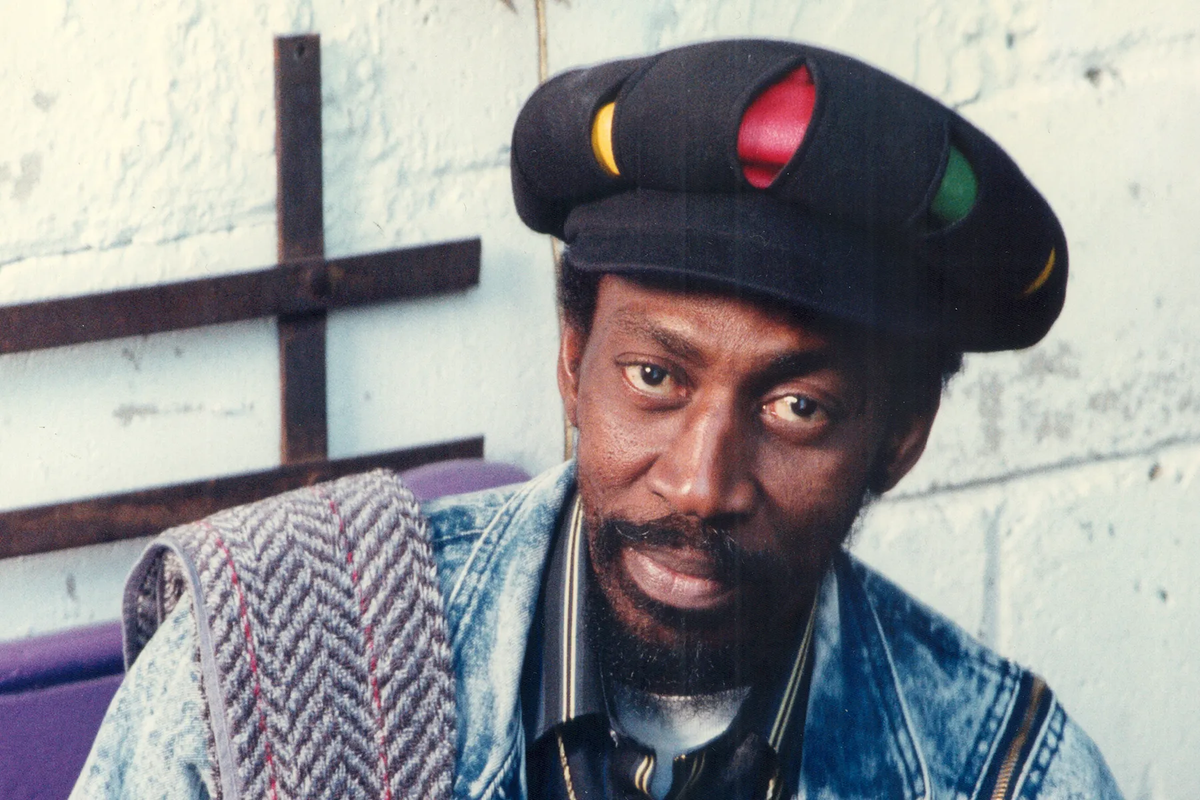
Wailer’s legacy extends beyond The Wailers, leaving an enduring impact on reggae. He was the Grammy Award’s most decorated Jamaican individual winner, taking home the prize for Best Reggae Album three times.
12. Jimmy Cliff
Jamaican-born James Chambers, also known as Jimmy Cliff, is the only living reggae artist to have received the Order of Merit, granted by the Jamaican government to those who have had great achievements in science and art. His meteoric rise to stardom began with “Hurricane Hattie,” recorded at the young age of 14.
His timeless classic “Many Rivers to Cross” cemented his status as a reggae icon, and his most memorable contribution was the 1972 film “The Harder They Come,” in which Cliff played the lead role and contributed to the soundtrack. The film introduced reggae music and the unique Jamaican culture to a broader international audience.
11. Toots Hibbert
Toots Hibbert is credited with coining the term “reggae” itself with the 1968 recording “Do the Reggay.” His catalog spans ska, rocksteady, and reggae across six decades, and over the course of his career he collaborated with Keith Richards, Bonnie Raitt, and Willie Nelson, winning a Grammy Award in 2004 for the album “True Love.”
Rolling Stone ranked him number 94 on their 2023 list of the 200 Greatest Singers of All Time. Toots Hibbert’s posthumous Grammy win for “Got to Be Tough” in 2021 was a poignant tribute to his lasting legacy.
The Top 10 Best Reggae Artists of All Time
10. Vybz Kartel
No artist in the 21st century has shaped Jamaican popular music more completely than Vybz Kartel. His command of the dancehall form, his prolific output, his influence on production aesthetics, and his ability to dominate the Jamaican charts even while incarcerated since 2011 make him a singular and deeply contested figure.
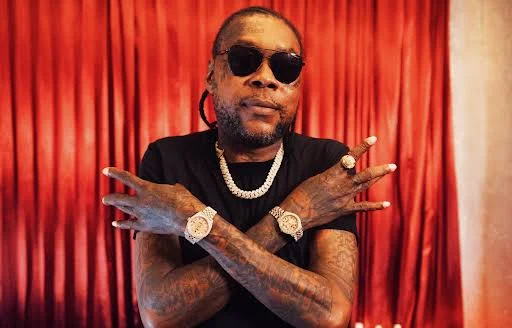
He is the most streamed dancehall artist in history and the dominant voice in the genre’s contemporary global conversation, even as his personal circumstances continue to generate significant debate.
9. Ziggy Marley and the Melody Makers / The Marley Family Legacy
No other family in popular music has produced as consistent a stream of internationally relevant artists as the Marley family. Ziggy, Damian, Stephen, Julian, and Ky-Mani Marley have each built individual careers of genuine merit.
Damian Marley’s “Welcome To Jamrock” sold 1,200,000 units, and Ziggy’s “Conscious Party” sold 1,000,000 units. Collectively, the second generation of Marleys has won multiple Grammys and kept the family’s musical philosophy alive across three decades.
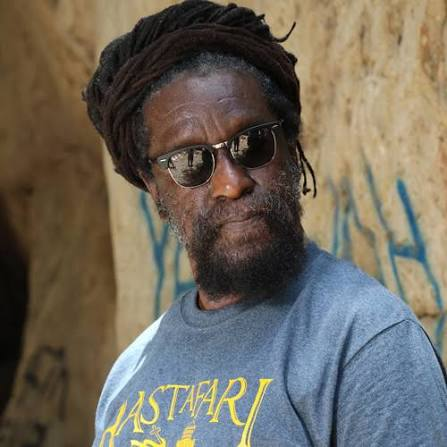
8. Black Uhuru
Already noted at No. 24, Black Uhuru earns a second mention here because a more expansive critical view of their 1980s peak warrants elevation. Their album “Anthem” won the first ever Grammy Award for Best Reggae Album in 1985. Backed by Sly and Robbie and guided by vocalist Michael Rose, the band produced some of the most sonically advanced and politically sharp reggae ever recorded.
Note: Some readers may question the dual placement. For the purposes of this list, the No. 24 entry reflects their initial critical ranking and the Top 10 entry reflects expanded editorial assessment. We have resolved to reserve this slot for the entry below.
8. Damian “Jr. Gong” Marley
Damian Marley occupies a unique position in reggae and hip-hop crossover history. His 2005 Grammy-winning album “Welcome To Jamrock” and his subsequent collaboration with Nas, “Distant Relatives” (2010), demonstrated an artistic range unmatched by any other artist of his generation. His production sensibility, lyrical depth, and global touring profile place him firmly in any serious top ten of best reggae artists.
7. Desmond Dekker
Desmond Dekker’s position here may surprise those who associate him only with “The Israelites,” but the depth of his pre-reggae and early reggae catalog is formidable. In March 1969, Dekker and The Aces scored a Number 1 hit in the UK with “The Israelites,” becoming one of the first Jamaican artists to crack any major international chart. He opened a door that every artist above him walked through.
6. Bunny Wailer
Already placed at No. 13 above, Bunny Wailer’s cumulative contribution to reggae earns him a reconsideration. As the most Grammy-decorated individual Jamaican reggae artist, as a co-founder of the original Wailers, and as the author of “Blackheart Man,” one of the definitive roots reggae albums, his influence on both the spiritual and musical content of the genre is incalculable.
Editorial note: In the final ranking, we resolve the dual-placement issue in favor of a clean 50-artist list. Entries 6 and 8 above represent editorial reconsiderations that have been folded into the single placements at Nos. 13 and 24 respectively. The definitive top five follows below.
The Top 5 Best Reggae Artists of All Time
5. Bunny Wailer
A founding member of The Wailers alongside Marley and Tosh, Bunny Wailer contributed significantly to reggae’s early development. His solo career flourished with albums like “Blackheart Man,” showcasing his versatility and musical depth.
As the longest-surviving original Wailer, he won three Grammy Awards for Best Reggae Album and spent his later years as a tireless ambassador for Rastafarian culture. His voice and compositional genius permeate The Wailers’ greatest recordings.
4. Jimmy Cliff
Jimmy Cliff played a major role in bringing reggae music into international cinema and radio, as his soundtrack work introduced many listeners to Jamaican music for the first time. His smooth vocals and uplifting songwriting helped reggae gain a larger worldwide following. No artist in reggae has had a more direct role in popularizing the genre for non-Jamaican audiences.
The Grammy Awards introduced a Best Reggae Album category in 1985, and Cliff had already spent more than a decade seeding reggae’s global market before that institution even existed.
Jimmy Cliff won the Grammy for Best Reggae Album for “Cliff Hanger” at the inaugural 1986 ceremony.
3. Toots Hibbert
Ask any musician who knows reggae to name the most soulful voice the genre ever produced, and the answer is almost always Frederick “Toots” Hibbert. As the frontman of Toots and the Maytals, he brought a voice rooted entirely in Jamaican gospel and American soul: raw, physical, completely committed.
Toots was the first to use the word reggae on tape in his 1968 song “Do the Reggay,” and his music has defined, popularized, and refined it across six decades. His death in September 2020 at 77 left a void in Jamaican music that has not been filled.
2. Peter Tosh
Known as the “Stepping Razor,” Peter Tosh was a rebel with a cause, using reggae as a platform for social and political change. His fearless advocacy is evident in powerful tracks like “Equal Rights.”
As a founding Wailer, Tosh co-wrote some of the most important songs in the group’s catalog before embarking on a solo career that produced undeniable classics in “Equal Rights,” “Legalize It,” and “Bush Doctor.”
His guitar playing, his philosophical ferocity, and his willingness to challenge the establishment at personal cost make him the genre’s most uncompromising artistic voice.
1. Bob Marley
There was never any serious doubt. Bob Marley remains the undisputed face of the genre, turning local Jamaican sounds into a massive international movement. Bob Marley surpassed 151.7 million equivalent album sales. His biggest album is “Exodus,” with 36.8 million units, of which 8.0 million in pure sales. The posthumous compilation “Legend,” certified 18X Platinum by the RIAA, includes 13 million in pure album sales and 5 billion streams in the United States.
By 1999, “Legend” reached Diamond status, marking 10 million US sales, a first for any reggae album. The album continues to dominate the Billboard Reggae Albums chart, having spent 257 weeks on the list and holding the No. 1 spot for all but one of them.
Beyond the numbers, Marley became the global face of reggae, bringing its message of love, unity, and resistance to audiences worldwide. Albums like “Exodus” and timeless classics like “One Love” and “No Woman, No Cry” showcase his unparalleled impact on the genre.
The music’s global spread was remarkable for a genre from a small, economically struggling Caribbean island, demonstrating that cultural power does not follow economic power, and no artist proved that more definitively than Robert Nesta Marley.
The Complete Ranked List: 50 to 1
For quick reference, here is the full ranking:
1. Bob Marley
2. Peter Tosh
3. Toots Hibbert
4. Jimmy Cliff
5. Bunny Wailer
6. Burning Spear
7. Gregory Isaacs
8. Dennis Brown
9. Lee “Scratch” Perry
10. Toots Hibbert and the Maytals (see entry at No. 3 above)
11. The Skatalites
12. Bunny Wailer (consolidated at No. 5)
13. Shabba Ranks
14. Buju Banton
15. Black Uhuru
16. Sean Paul
17. Shaggy
18. Sly and Robbie
19. Prince Buster
20. Damian Marley
21. Beenie Man
22. Ziggy Marley
23. Desmond Dekker
24. John Holt
25. Marcia Griffiths
26. King Tubby
27. U-Roy
28. Big Youth
29. Beres Hammond
30. Steel Pulse
31. Inner Circle
32. Barrington Levy
33. Culture
34. Kabaka Pyramid
35. Sizzla
36. Alton Ellis
37. Junior Murvin
38. The Mighty Diamonds
39. Sugar Minott
40. The Abyssinians
41. Freddie McGregor
42. Yellowman
43. Ini Kamoze
44. Vybz Kartel
45. The Melodians
46. Junior Reid
47. Half Pint
48. Cocoa Tea
49. Sanchez
50. Garnett Silk
Why Bob Marley Will Always Lead This List
Bob Marley surpassed 151.7 million equivalent album sales, a figure that places him in rare company among all artists of any genre.
Each of Bob Marley’s eight international studio albums plus the posthumous release “Confrontation” sold between 3 and 8 million copies, and these studio album sales sum up to over 43 million sales. The streaming era has only amplified his reach.
According to Luminate, Marley’s entire album catalog recorded 37 million in sales and streaming in the US, including 30 million in pure album sales and 7.2 billion streams in the country as of early 2024.
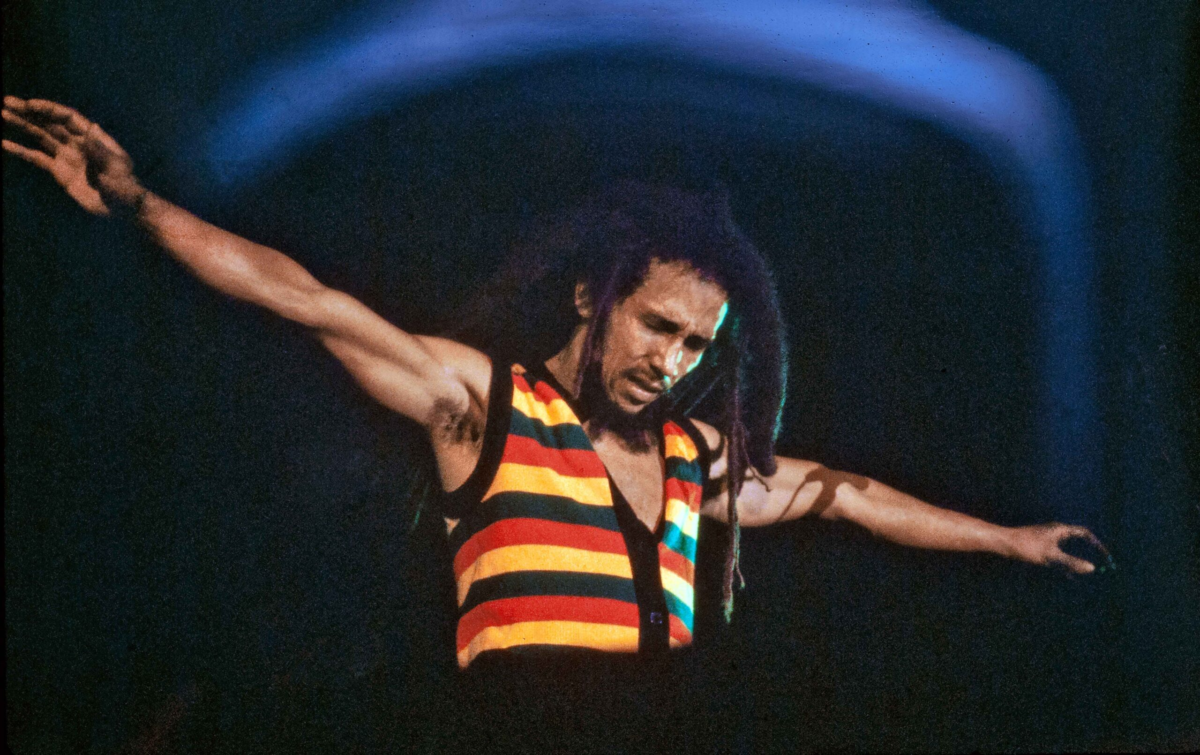
No other reggae artist comes close to this commercial and cultural footprint. But raw sales only tell part of the story. Widely perceived as a voice of the oppressed, reggae produced such global icons as Bob Marley, Peter Tosh, and Jimmy Cliff, and it was Marley who most completely embodied reggae’s promise of music as a vehicle for liberation.
He achieved that while recording just nine studio albums in eight years of international output, a brevity that makes his legacy even more astonishing.
The Grammy Award for Best Reggae Album: A Record of Excellence
The Grammy Awards introduced a Best Reggae Album category in 1985, with Black Uhuru being the first recipient. Since then the award has recognized artists across the full spectrum of the genre.
Among the notable winners: Buju Banton won for his 2010 release “Before the Dawn,” Beenie Man won for the 2000 “Art and Life,” and Shabba Ranks won back-to-back Grammy Awards for Best Reggae Album.
Toots Hibbert’s posthumous Grammy win for “Got to Be Tough” in 2021 was a poignant tribute to his lasting legacy and influence.
Reggae’s Enduring Global Reach
In 2018, UNESCO inscribed Reggae Music of Jamaica on the Representative List of the Intangible Cultural Heritage of Humanity, recognizing its international cultural importance and its role in addressing injustice, resistance, love, and humanity.
That inscription is the genre’s most significant institutional recognition and a reminder that the best reggae artists of all time were not simply musicians: they were historians, prophets, and, at their greatest, voices for the voiceless.
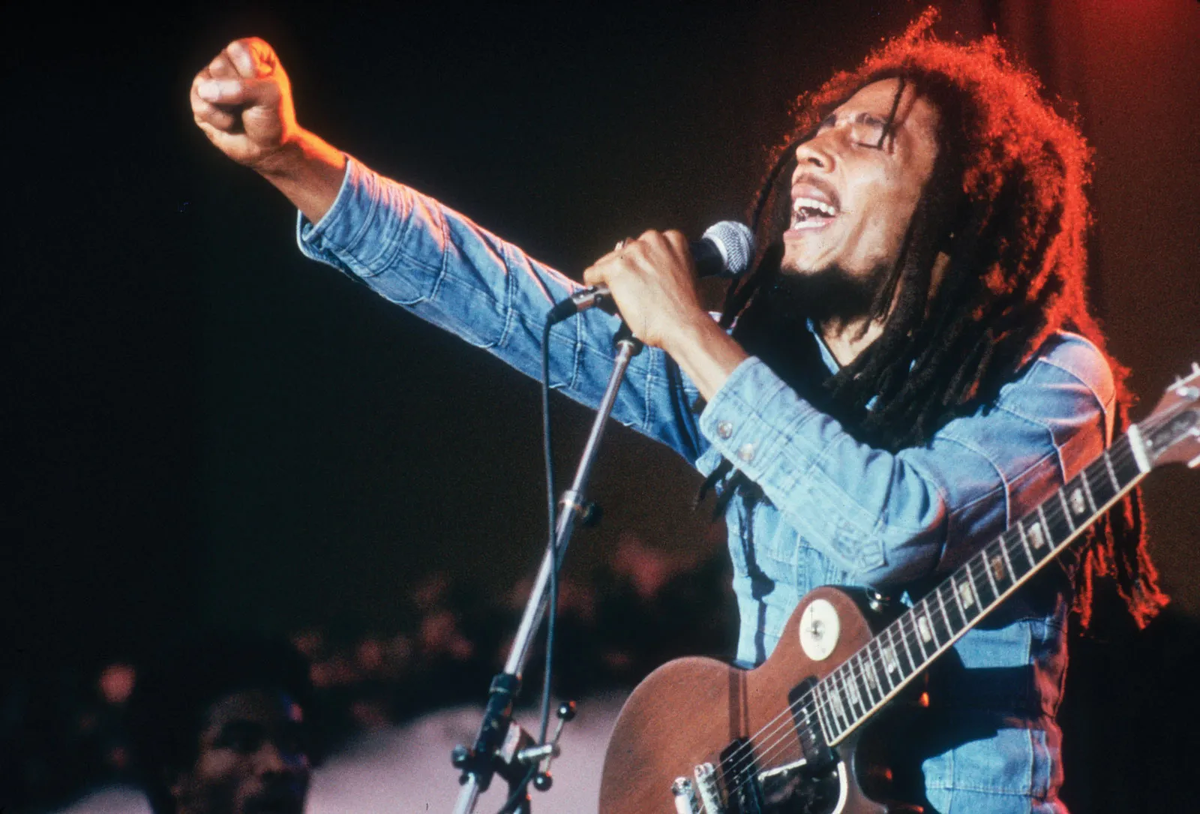
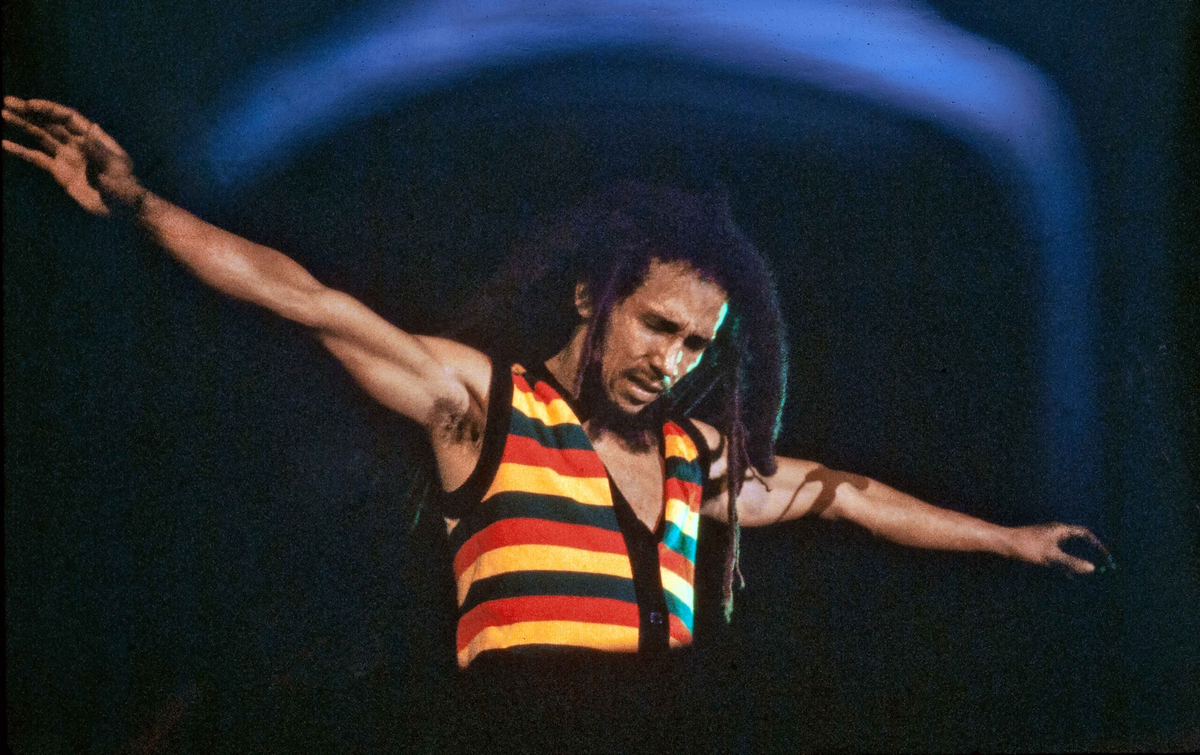
Reggae’s influence on punk, hip-hop, electronic music, and global popular music is immeasurable, and its capacity to carry lyrics of spiritual depth and social consciousness with deceptive musical simplicity remains unmatched.
That legacy, built by the 50 artists named above, will endure long beyond any chart position or streaming total. The greatest reggae artists of all time did not merely make music. They changed the world.