

The meaning of “Ghetto Red Hot” comes from its central question. Super Cat asks where his critics are when the ghetto “run hot,” meaning when the community is in crisis and families are struggling to feed themselves.
The rest of the song is a rude bwoy anthem about toughness, survival and refusing to back down. Lyric databases list the opening lines and confirm that the track is in Jamaican English and from the album “Don Dada”.
Release Details
Sources give different 1992 dates. Shazam says Ghetto Red Hot was released on May 12, 1992 by Columbia as a part of the album Don Dada.
Apple Music lists a separate Ghetto Red Hot release dated 4 January 1992 with seven songs, also under Columbia.
The earlier date is attached to the multi-version single package, and the May date is attached to the album. Neither source explains the difference.
Producer credits also vary. WhoSampled says the hip hop mix was produced by Robert Livingston and Super Cat. Riddimguide lists the original’s producers as Robert Livingston & William Maragh & Andrew Harpau.
Riddim-ID dates the riddim to 1992 and names it Passport Buddy / Ghetto Red Hot. William Maragh is Super Cat’s birth name.
The Intro: “Wild Apache Riding Through”
The song opens by dedicating itself to Super Cat’s crew. It names Tony Kelly, a man called Robert, and Wild Apache.
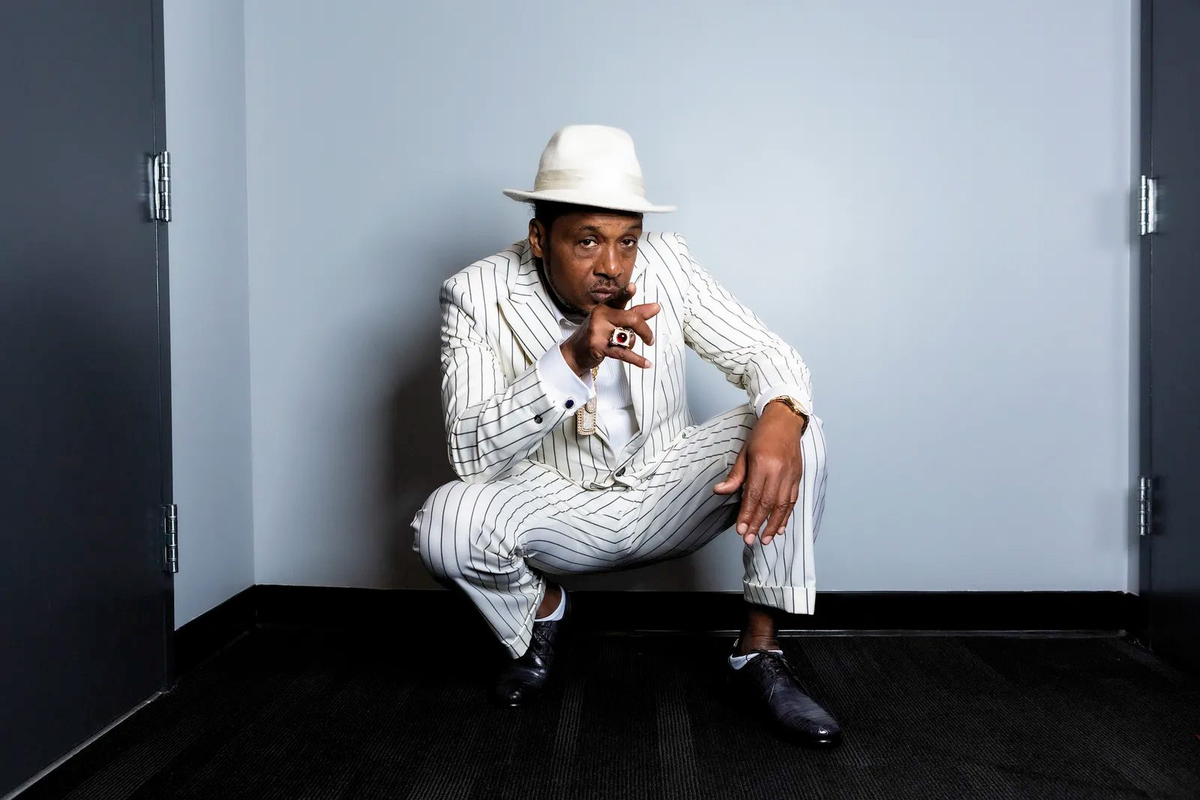
Wild Apache is Super Cat himself: the nickname was given to him by his mentor Early B. It was also the name of his business.
He started his own Wild Apache Productions label and began producing his recordings, including the 1988 album Sweets for My Sweet.
The other names in the intro match the credits. Shazam lists Tony “CD” Kelly and Robert Livingston among the song’s contributors.
The Chorus: No Back Chat
In the chorus, Super Cat describes some people hanging back and others rallying together. His side are rude bwoy youths who won’t take insults.
He warns loudmouths who can’t back up their talk that they will be sent back where they came from, whether that is the jailhouse or Bellevue.
Bellevue is a real place in Kingston. It is a psychiatric hospital in Jamaica, established with its current name in 1946, and it was previously called the Jamaica Mental Hospital and the Jamaica Lunatic Asylum. In Super Cat’s line, a boaster is either a convict or a madman, and either way he gets sent back.
Verse One: Guns, Hunger and Police Pressure
The first verse links hunger to violence. Super Cat asks where his detractors are when the ghetto heats up and people are looking for food for the pot.
He then lists weapons, including an M-16, a .45, a bazooka and a Glock. He describes robberies of stores and banks, police talk that the crew are “hot,” and having to leave the area.
Songtell’s interpretation says the verse portrays the violent and dangerous atmosphere of the ghetto. Songtell also reads the song as a commentary on the harsh realities of ghetto life and the dangerous lifestyle it entails.
Verse Two: Kingston History
The second verse changes “ghetto” to “Kingston” and makes the setting specific. Super Cat says he and his people were in Kingston when Massop, Copper and Bird were shot.
The Massop reference points to a well-documented event. The Jamaica Observer reported in 2018 that Claudius Massop, Jamaica Labour Party and West Kingston enforcer, was killed by police along Industrial Terrace in Kingston on February 4 1979.
Accounts of the shooting say Massop was shot as many as 40 times by an 11-member police squad. The officers were charged with three counts of murder, but cleared after a three-week trial in the St Thomas Circuit Court in December 1982.
The line is a claim of credibility. Super Cat is saying he lived through Kingston’s worst years and didn’t just hear about them.
Our research could not reliably identify the people called Copper and Bird in the lyric, so this article does not name them.
Where the Song Sits in Super Cat’s Career
“Ghetto Red Hot” is the second track on Don Dada. That album was his first album for a major label, and also one of the first dancehall albums for a major label.
It was Super Cat’s intention to record an album that appealed to both a Jamaican dancehall audience and an American hip hop audience. Don Dada peaked at No. 37 on Billboard’s Top R&B Albums chart.
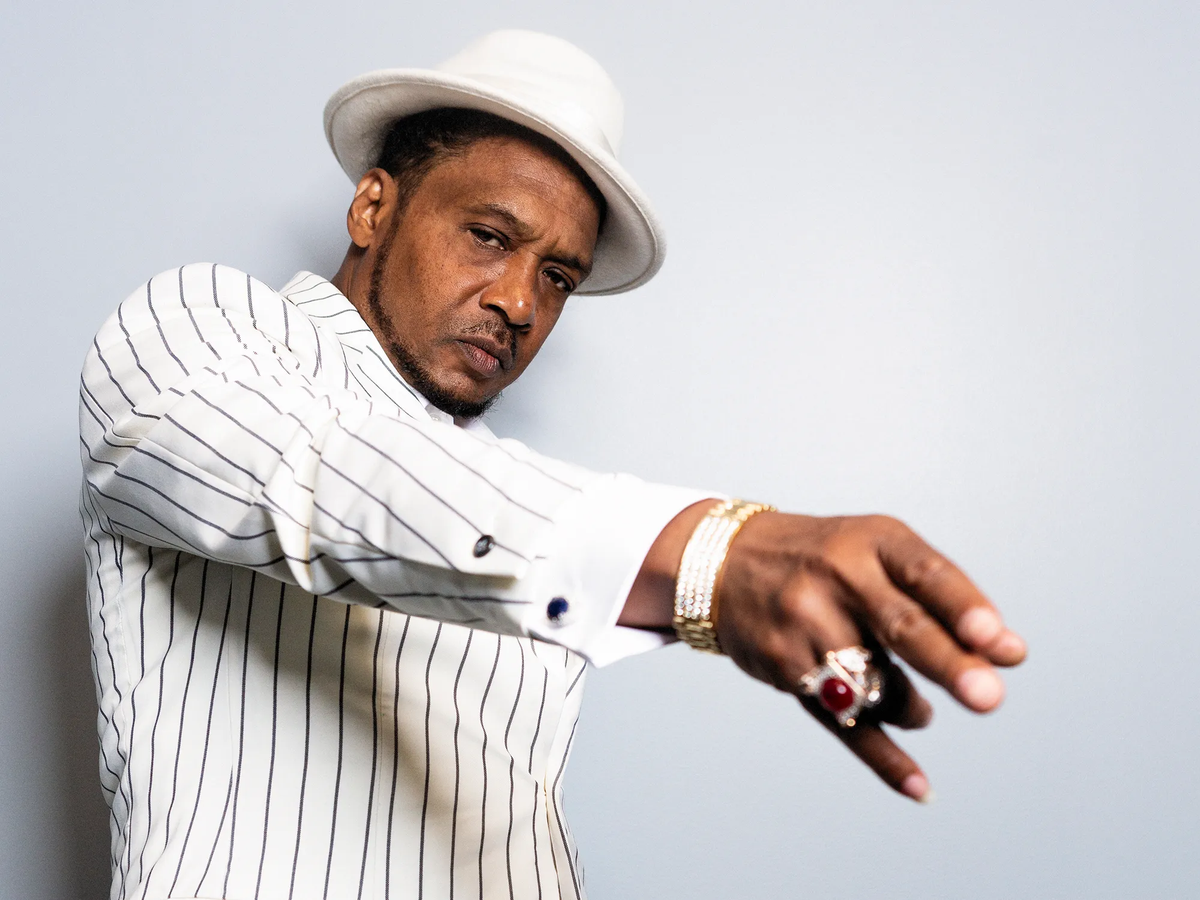
The hip hop remix shows that crossover plan at work. WhoSampled credits Bobby Konders, Salaam Remi as remixers.
It says the mix samples “It’s Your Thing” by Lou Donaldson, “Blues and Pants” by James Brown, “Hard Times” by Baby Huey, “Fire” by Ohio Players, “Screaming Target” by Big Youth, among other records.
The same database lists the remix as sampled in Kris Kross’s 1993 song “Alright,” which featured Super Cat.
Wikipedia counts “Ghetto Red Hot” among Super Cat’s early 1990s hits and notes that these hits made him The Source magazine dance hall artist of the year in 1993.
A Note on Misattributed Lyrics
Some lyric aggregator sites attach the wrong words to this title. They describe a romance set in a French café, which belongs to a different song, Rod Stewart’s “Red Hot in Black.” Super Cat’s “Ghetto Red Hot” has nothing to do with that story.
For accurate lyrics, use the versions that begin with the dedication to the “top dog celebrity crew.”