

The phrase “king of the dancehall meaning” carries real weight in Jamaican music culture, and no single song crystallised the concept more boldly than Beenie Man’s 2004 anthem of the same name.
Released as the second single from his sixteenth studio album Back to Basics, the track is more than a boast: it is a career-long assertion, a clash-culture statement, and a formal bid for the most contested crown in Caribbean music.
This article breaks down what the song means, where it came from, and why the title itself continues to spark debate more than two decades later.
Who Is Beenie Man?
Moses Anthony Davis, born 22 August 1973, is known professionally as Beenie Man and is a Jamaican dancehall DJ.
Raised in the economically challenged but culturally vibrant Kingston community of Waterhouse, Beenie says he started DJing, Jamaican terminology for chatting on the mic, at the age of five to help him stop stuttering.
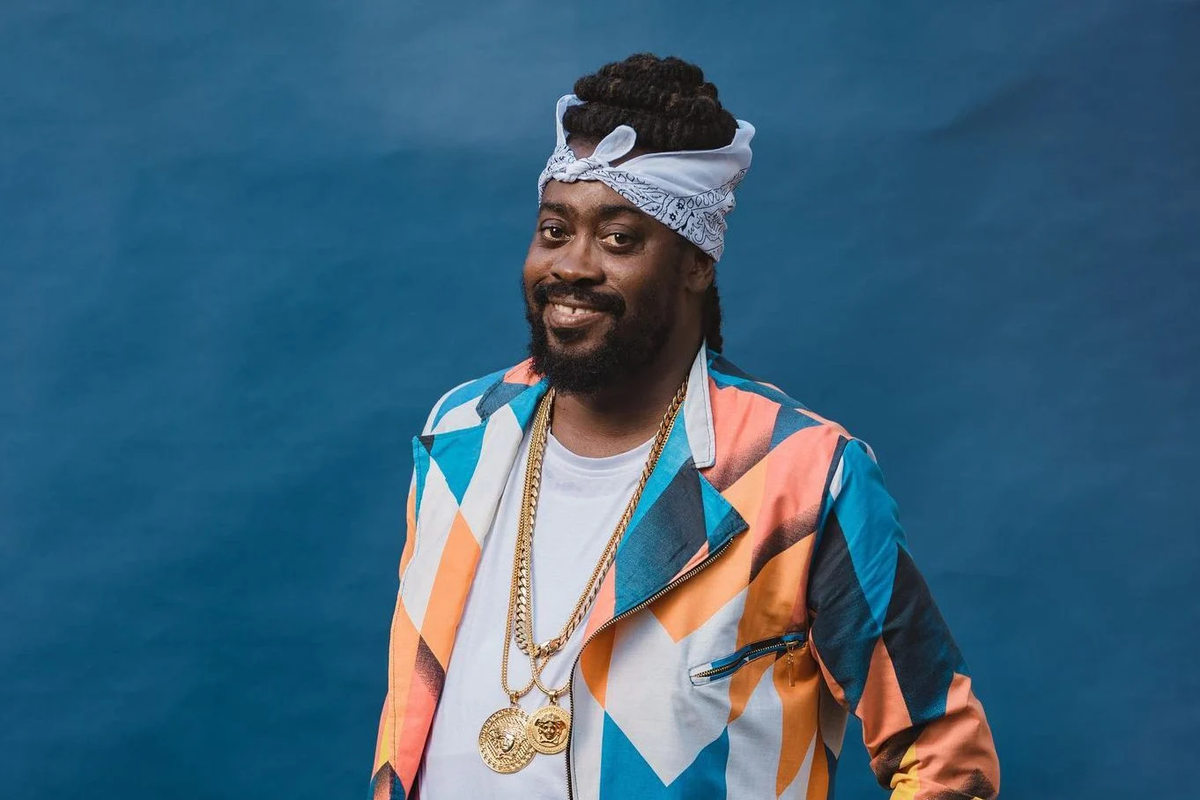
He started recording at age nine, after winning a local talent contest with his song “Too Fancy,” and shortly thereafter released his debut album, The Invincible Beenie Man: Ten Year Old Wonder.
His awards include DJ of the Year Award eight years in a row. During the period from the mid to late 1990s, Beenie Man dominated the Jamaican charts to the extent that he perhaps had a good claim to the crown of “Dancehall King”, a title only bestowed previously on Yellowman in the early 1980s.
After earning three Grammy nominations in a row, Beenie finally won a Best Reggae Album Grammy in 2001 for Art and Life.
The Song: Essential Facts
“King of the Dancehall” is the second single by Beenie Man from his studio album Back to Basics, released on August 24, 2004, on Virgin Records. It was written by Tony Kelly, Maurice Gregory, and Beenie Man himself, and produced by Tony “CD” Kelly.
Back to Basics is the sixteenth studio album by Beenie Man, released on 13 July 2004, and spans the genres of dancehall and reggae fusion.
The single followed “Dude,” the album’s lead single, and served as Beenie Man’s most direct public declaration of dominance within the genre.
Where Did the Idea Come From?
The origin of “King of the Dancehall” is traceable to a specific competitive event. In a Grammy.com interview (June 2025), Beenie Man explained the genesis of the song in his own words: “I was in a contest [The Fader Presents King Clash, 2004] against reggaeton artist Tego Calderón and I ‘killed’ him in the competition. That’s where we got the idea for the song ‘King of the Dancehall.'”
The clash victory validated, in Beenie Man’s view, not only his dominance over a rival style of music but his standing as the pre-eminent MC of the entire dancehall form.
The idea was then handed to producer Tony “CD” Kelly, a long-time collaborator, who shaped it into the track that would land on Back to Basics.
What Does “King of the Dancehall” Mean?
In Jamaican music, the title “King of the Dancehall” is not an official chart position or an award handed out by a committee.
It is a cultural designation, contested loudly and publicly, that acknowledges supremacy across the entire spectrum of dancehall: lyrical ability, riddim mastery, crowd command, longevity, and crossover reach.
The title had previously only been bestowed on Yellowman in the early 1980s, making it an exceptionally rare claim.
By invoking it in song, Beenie Man was not simply writing a party record. He was entering a lineage, placing himself as Yellowman’s successor after two decades of genre evolution.
“King of the Dancehall” (2004) functions as a self-crowning anthem that reinforced Beenie Man’s cultural status. The song’s central argument is built on evidence: decades of hits, clash victories, and international recognition that no other dancehall artist of his generation could match in full.
By the time he released the song in 2004, Beenie was balancing Jamaican street cred with international acclaim.
The lyrics operate in the tradition of the dancehall boast, a long-standing rhetorical form in which the DJ catalogues his own achievements and superiority over rivals.
In dancehall culture, the boast is not considered arrogance: it is a form of testimony, a verbal résumé delivered over a riddim.
Beenie Man’s boast in this track was grounded in a career that, by 2004, already included a Grammy win, multiple Billboard chart entries, and the DJ of the Year title held for most of the preceding decade.
The production, handled entirely by Tony “CD” Kelly, sits firmly in the mid-2000s dancehall style: a driving, digital riddim that prioritises Beenie Man’s voice above all else. The track was engineered at Final Cut Studios and mixed at The House, Florida.
Kelly and Beenie Man had a well-established creative partnership by this point, and the result is a track stripped of crossover compromises.
Unlike some of the artist’s earlier U.S.-facing work, “King of the Dancehall” was aimed squarely at the Jamaican dancehall faithful.
Chart Performance
Despite being rooted in Jamaican dancehall sound, the single crossed over substantially. It reached No. 80 on the U.S. Billboard Hot 100, No. 22 on the U.S. Billboard Hot Rap Tracks, and No. 26 on the U.S.
Billboard Hot R&B/Hip-Hop Songs chart. Its strongest international performance came in the United Kingdom, where it peaked at No. 14 on the UK Singles Chart.
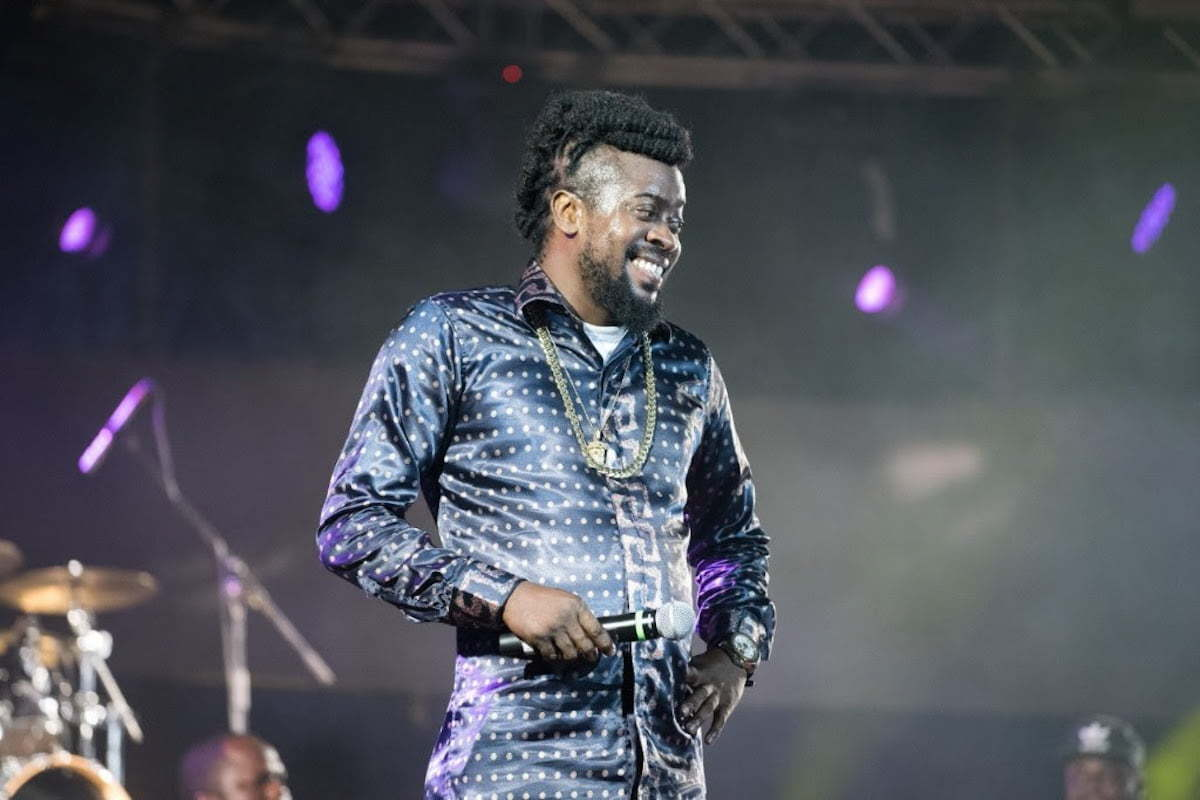
Beenie Man later performed the song live on national television during the 2004 VIBE Awards’ Boomshots showcase.
The Controversy: Who Really Owns the Title?
The boldness of the song’s claim immediately generated pushback.
The song sparked criticism from the original Dancehall King Yellowman. Yellowman and Beenie Man had already made competing claims on the title, and there has been much public debate as to who most deserves the designation “King of the Dancehall.”
Beenie Man’s long-running rival Bounty Killer was equally unimpressed. Bounty Killer, in brushing aside Beenie Man’s claim to the throne, cited the historical line of respected “kings” in Jamaican music and questioned the legitimacy of the self-proclaimed title.
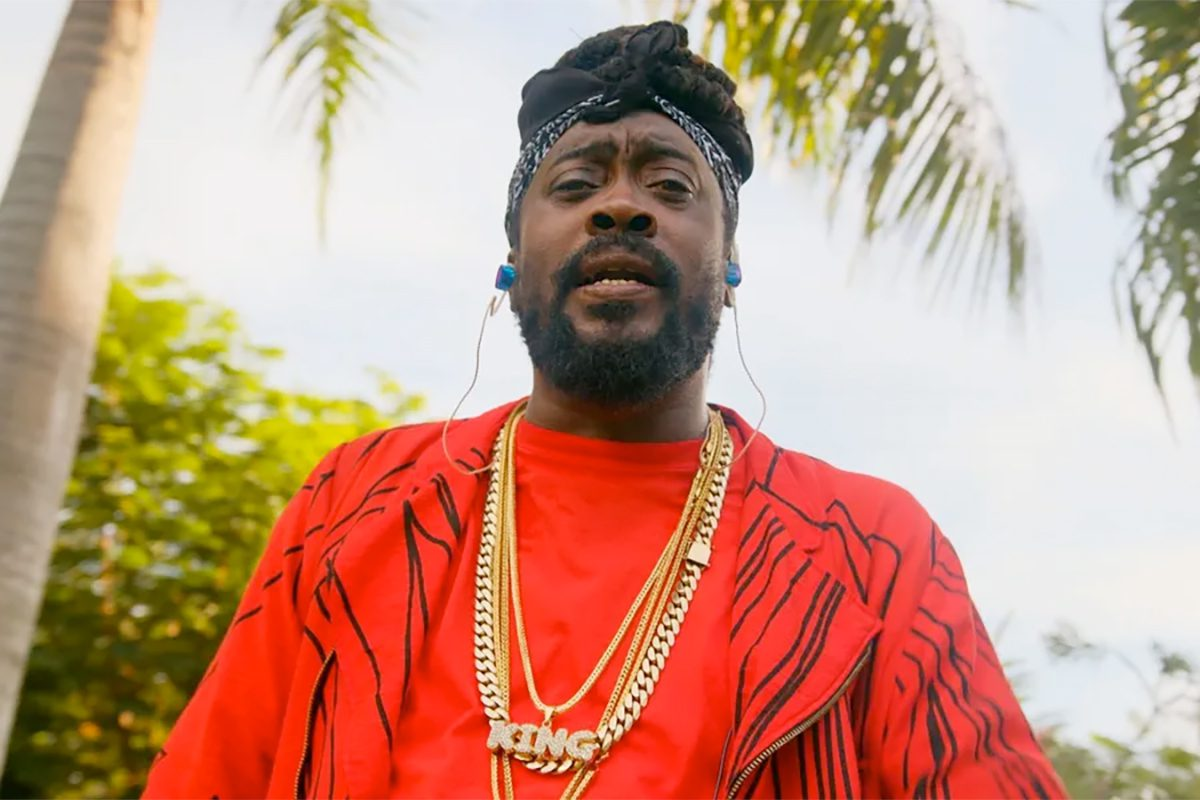
The rivalry between Beenie Man and Bounty Killer significantly influenced the Jamaican dancehall scene throughout the 1990s.
In 2020, the two men faced off again in a different arena: a Verzuz battle with longtime rival Bounty Killer, which became one of the most-watched events in recent dancehall history.
The title debate did not end in 2004. Vybz Kartel released his own album titled King of the Dancehall in 2016.
After Kartel’s release from prison and his triumphant sold-out world tour, he was officially crowned King of Dancehall during a ceremony at Reggae Sumfest 2025. Even when Kartel referred to Beenie as the “former king,” Beenie refused to concede the title.
The Official Crowning
Separate from the song, the title eventually received a ceremonial acknowledgment. Beenie Man was robed and crowned as King of the Dancehall at the music festival Reggae Sumfest in July 2009.
He is also noted as the only dancehall artiste to have been voted Deejay of the Year in Jamaica for an entire decade, and is a three-time Grammy-nominated artiste with one Grammy win.
Legacy of the Song
Virgin Records released a compilation in February 2005 titled Kingston to King of the Dancehall: A Collection of Dancehall Favorites, which peaked at No. 3 on the reggae chart, demonstrating that the label viewed the song as a defining marker of Beenie Man’s identity at that point in his career.
The song has remained a fixture in Beenie Man’s live sets and continues to be cited as one of the defining statements in his catalogue.
The title “King of Dancehall” was not self-proclaimed alone: it was earned across a career that stretches from the sound systems of Kingston in the late 1970s to international stages in the 2020s.
By the year 2000, Beenie Man had notched more number one singles than any other artist in Jamaican musical history.
For anyone asking what “king of the dancehall” means, the song is the most concise answer available: a DJ standing on decades of work, daring anyone to challenge the claim in the only arena that matters, over a riddim, in front of a crowd.