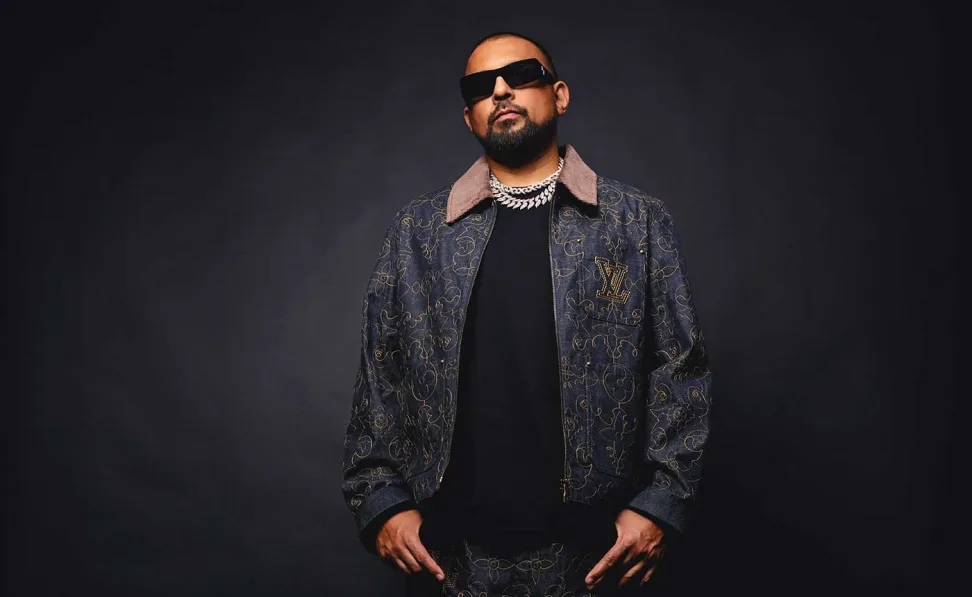


Seyi Vibez has already crossed 5 billion streams, but the number he’s really focused on right now is three. That’s how many years he’s given himself to become a global star, and he said it on record: “I feel like we should make this special, that in this interview Seyi said he’s gonna be a global star in the next three years.” That’s not bravado for the sake of it. It’s a timeline with a plan behind it.
The 26-year-old Lagos-raised artist just dropped SWAGUU, a 14-track project that started taking shape in Cape Town before he returned to Nigeria to finish it.
The album’s title came to him while revisiting his 2025 track “SHAOLIN,” and from there it grew into something he describes as “more international Seyi Vibez.” But he’s quick to add that it still sounds like it came from Nigeria, from the streets of Ketu and Ikorodu that shaped him.
What’s interesting about SWAGUU is that it didn’t come from an artist trying to sand down his edges for a foreign audience. Seyi is direct about that: “I’m not trying to change my sound to make it appeal to the global audience. I’m trying to make them fit in my own world.”
That’s a real distinction, and it’s one a lot of artists in his position quietly abandon once the international attention starts rolling in.
He’s been spending a lot of time in England lately, and he admits that exposure is shifting things. “I’m young. I’m just 26, so I feel like it’s affecting my sound,” he says. “I wouldn’t be too African right now because of my exposure.”
But he frames SWAGUU as a moment in time, not a permanent direction. His next project, he says, could go back to being more street, more African. He’s following where he’s at, not where he thinks the market wants him to go.
The album features only one guest, American rapper Quavo, who appears on the title track. His wider circle of collaborators includes Burna Boy, Olamide, Ayra Starr, Omah Lay, and Kizz Daniel, but Seyi is clear that he doesn’t chase features based on profile alone.
The power of collaboration is not just by doing songs with major stars,” he says. When asked who he has his eye on next, the name he gave was The Weeknd.
His fans, he says, are already crossing the language barrier on their own. He’s watched people sing his lyrics without necessarily understanding every word, and he reads that as proof that something deeper is connecting.
“I feel like they could just connect to my emotions, my vibration. It’s not about my language. It’s just about who I am.” That’s the version of global reach he’s after, not translation, but transmission.
The survival mentality that runs through his earlier catalog hasn’t gone anywhere either. Even with the streams, the sold-out shows, and the international profile building, he still operates from the same headspace.
“Even though I grow, even though I go to another level, it’s still like I have to survive no matter what,” he says. That feeling, he explains, is what keeps the stories coming. “I feel like I keep telling stories. It will never finish.”
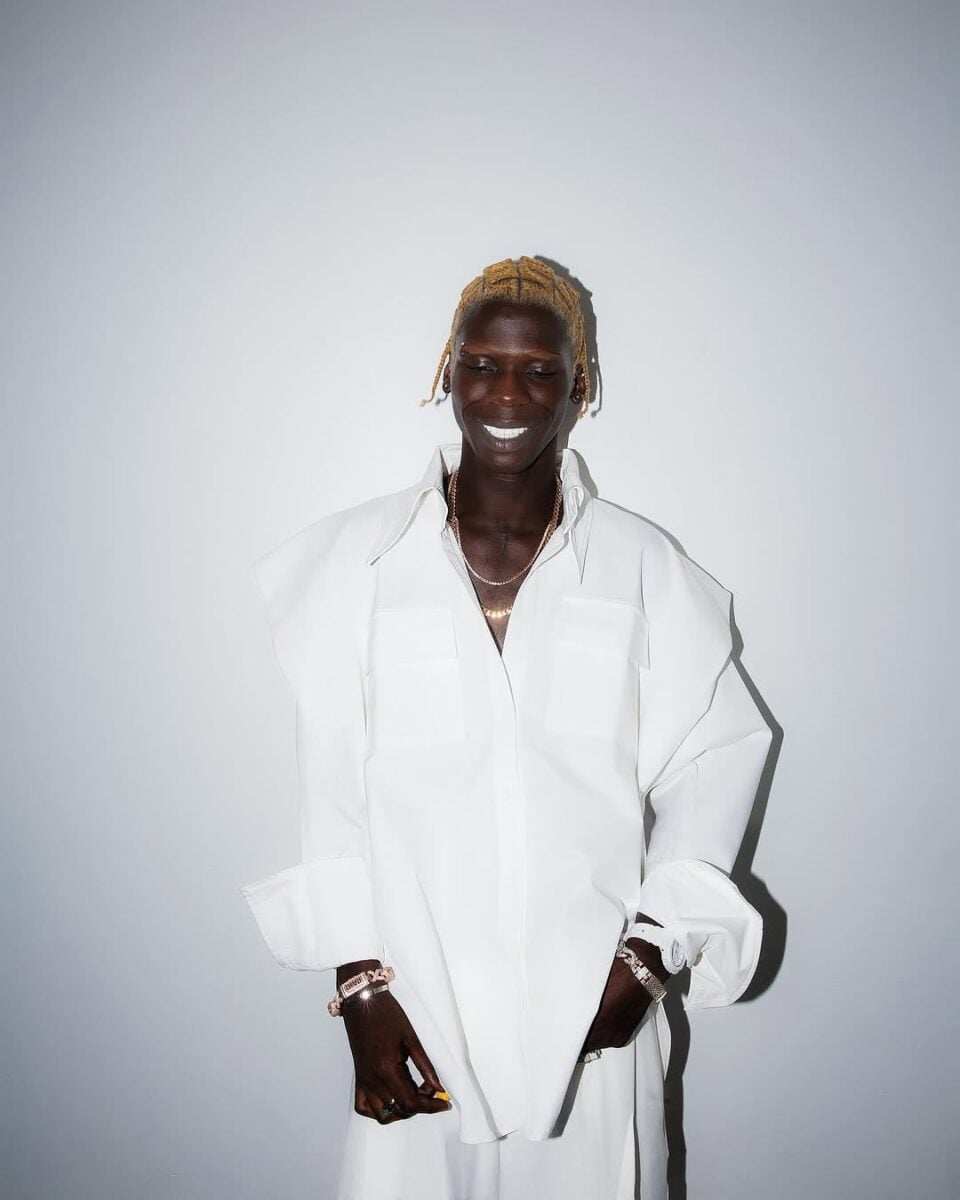
There’s also a community dimension to how Seyi thinks about where all of this is going. He wants to be a “good representation” for Nigerians, and he’s deliberate about the difference between flaunting success and using it to motivate people.
“I don’t need to use my money to oppress you,” he says. What I need to do is motivate you.” He leaves the door open to a more active role for his community later, but for now the music is the focus.
He’s also settled on the version of stardom he’s chasing. Not just big, but different. “I feel like everyone can be a star, but I want to be a different star.” SWAGUU is the opening move in that argument, and the clock on his three-year prediction has already started.