

The Bob Marley Museum in Kingston, Jamaica, is not simply a tourist attraction. It is a preserved home, a working history, and the spiritual center of reggae music’s global story.
Whether you are planning a first visit or returning for a deeper look, this Bob Marley Museum guide covers every practical detail you need: location, hours, admission prices, what to see on the tour, and how to pair the museum with the rest of Kingston’s reggae heritage circuit.
What Is the Bob Marley Museum?
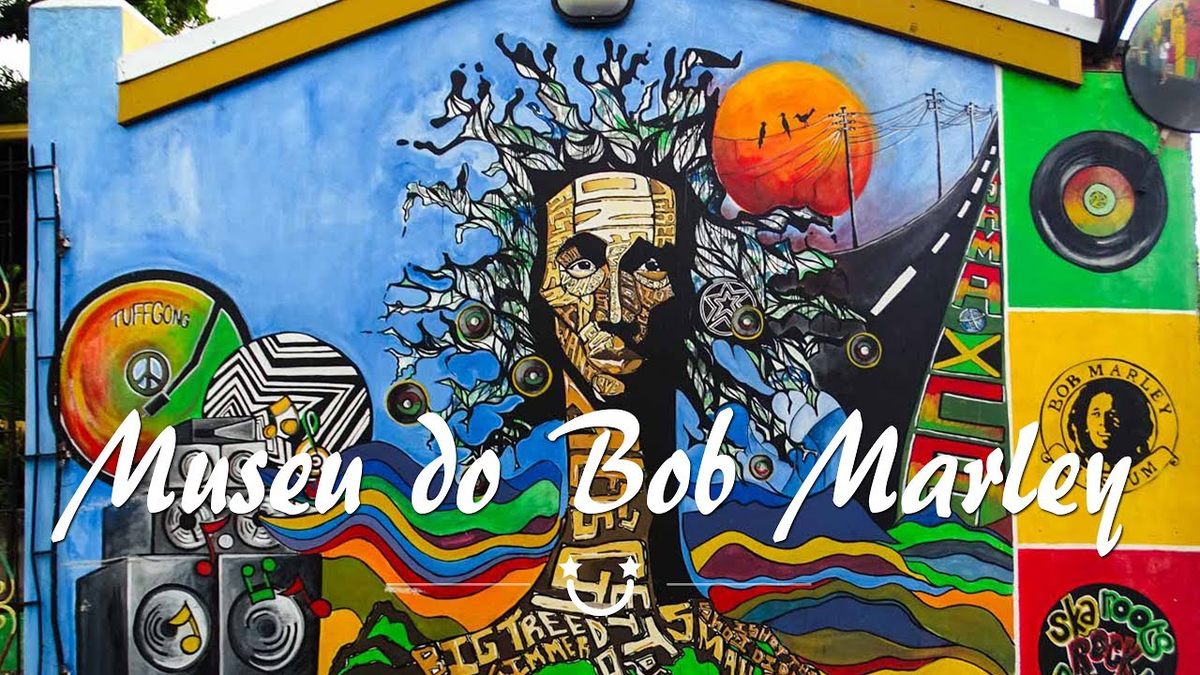
The Bob Marley Museum is a tourist attraction in Kingston, Jamaica, dedicated to the reggae musician Bob Marley.
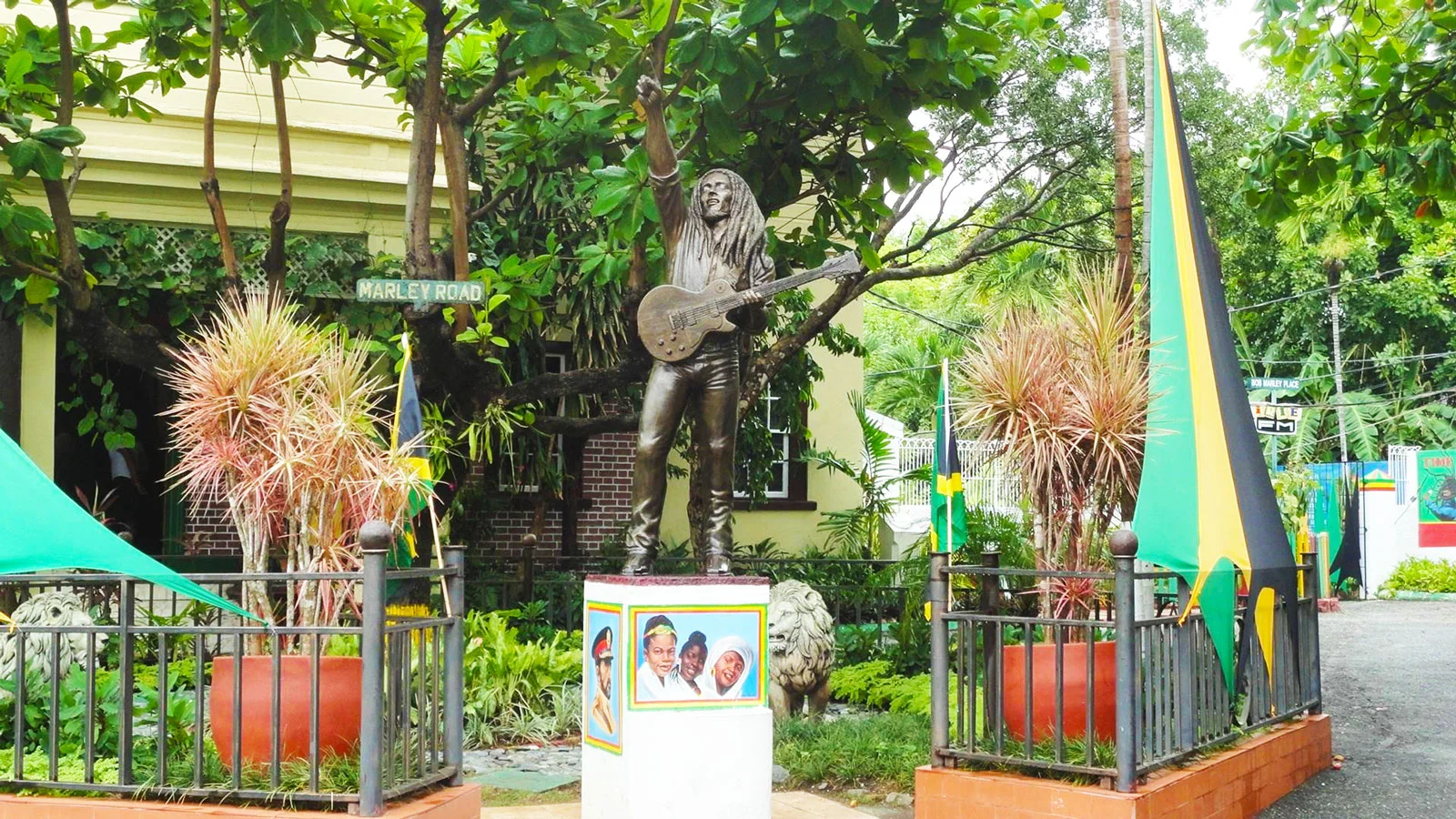
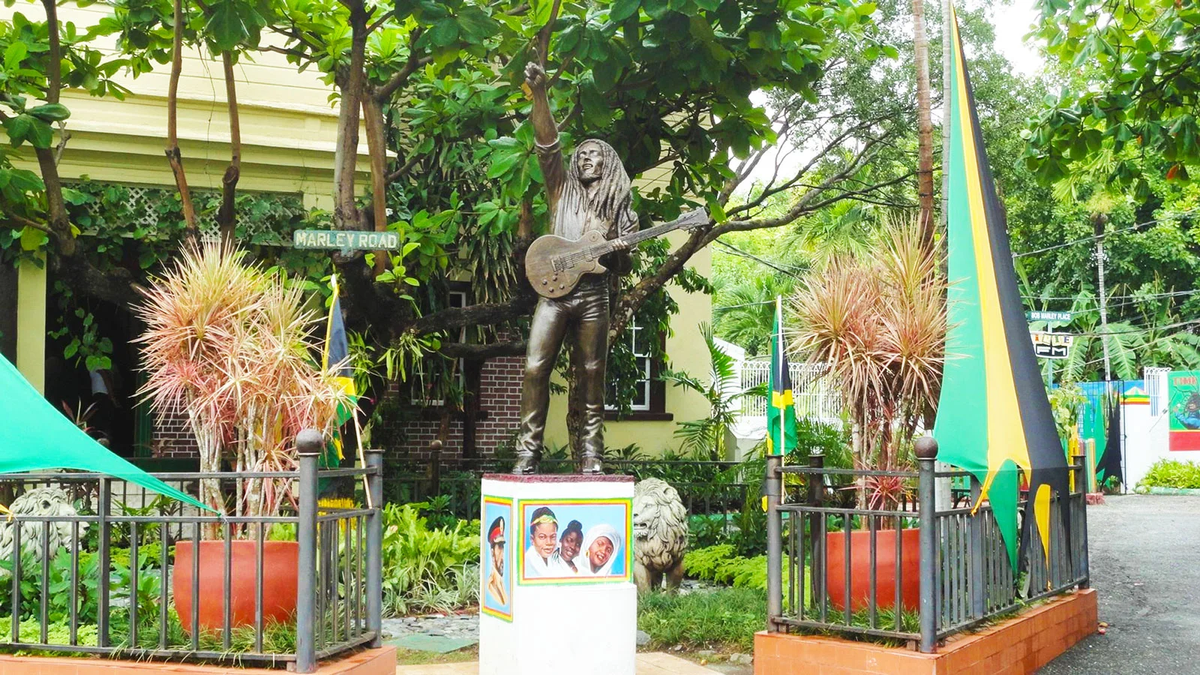
The museum is located at 56 Hope Road, Kingston, and is Bob Marley’s former place of residence. It was also home to the Tuff Gong reggae record label, which was founded by The Wailers in 1970.
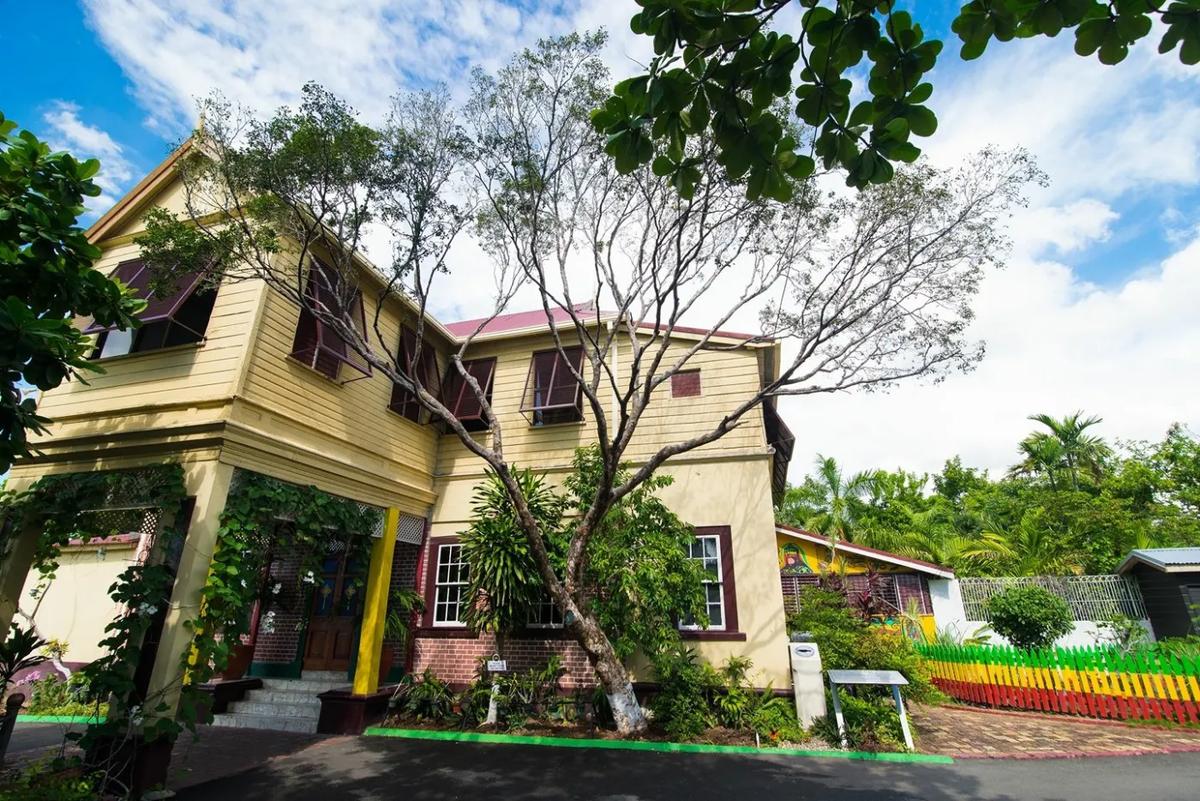
This 19th-century British-colonial style building can be found on Hope Road in Kingston. Bob Marley bought this house in 1975 and lived there until his passing in 1981.
In 1987, his wife, Rita Marley, turned it into a museum to honor his legacy. In 2001, the Bob Marley Museum became a National Protected Heritage Site.
It is also recognized, according to ticket listings on Viator, as an Official Grammy Affiliate and National Jamaican Heritage Site.
Location and Getting There
The Bob Marley Museum is at 56 Hope Road in Kingston, Jamaica. It is in a busy city, about 25 minutes from Norman Manley International Airport, and close to other key spots like Devon House and Emancipation Park.
It is situated in the uptown Kingston district, approximately 10 minutes by car from New Kingston and 5 minutes’ walk from Devon House.
If you are staying in Montego Bay or Ocho Rios, expect a 2- to 3-hour drive. Many tour companies offer day trips, a great way to visit without worrying about transportation. If you are already in Kingston, a local taxi or a ride-share app is the easiest way to get there.
For those relying on taxis, use a reputable JUTA (Jamaica Union of Travellers Association) registered taxi.
These are easily identifiable by red license plates. Your hotel can arrange one for you, or you can find them at designated taxi stands. Always agree on the fare before starting your journey.
On-site parking is available for visitors arriving by car, though spaces are limited.
Opening Hours
Tours at the museum are offered from Monday through Saturday every thirty minutes, from 9:30 am up until 4:30 pm. The Bob Marley Museum is closed on Sundays and local holidays.
It is closed on Sundays and some public holidays, so check ahead if you are visiting around Christmas or Easter. During especially busy periods, it is worth calling ahead.
During Bob Marley Week (the week surrounding his February 6th birthday) and around the Reggae Sumfest festival period in July, the museum experiences its highest visitor volumes.
Admission Prices
Admission prices at the Bob Marley Museum are subject to change, and sources vary somewhat in the figures they report.
As a general reference, admission to the museum, which includes a tour, costs $25 for adults and $12 for children ages 4 to 12, according to U.S. News Travel.
Another source, openinghoursja.com, places the figures somewhat lower, reporting that adult international admission is approximately USD $20 (around JMD $3,100).
Children under 12 are approximately USD $10. Jamaican residents and students with valid ID receive discounted rates.
Given the discrepancy between sources, visitors should treat these figures as a working range of approximately USD $20 to $25 for adults and USD $10 to $12 for children, and confirm the current rate directly.
Always confirm the latest admission prices directly with the museum by calling 1-876-927-9152 or visiting bobmarley.com/museum before your visit.
Tickets are typically purchased on arrival at the museum gate. Pre-booking through the museum’s official channels is recommended during peak season to avoid sellouts on popular dates.
Additional tours are available, including tours of Marley’s recording studio, Tuff Gong, with prices that vary.
The Guided Tour: What to Expect
The tour of the museum is about 1 hour and 15 minutes long, including the movie presentation that lasts around 20 minutes. Plan for at least 2 hours in total, including time to explore the gift shop and cafe.
On the 75-minute guided tour, you will explore the Main House, Recording Studio, Bedroom, Exhibition Hall, Theatre, Gift Shop, and the One Love Cafe. Here is a breakdown of the key stops.
One of the things visitors love most about the Bob Marley Museum is that it has been very well preserved. The museum has been kept and maintained in such a way that it seems like the reggae icon still resides there.
Perhaps the most intimate part of the tour is stepping into Bob Marley’s actual bedroom. It is preserved as it was, a simple, unassuming space that speaks volumes about his humility despite his global fame. You will see his guitar resting against the wall, his clothes, and personal effects.
The Meditation Room was Marley’s personal sanctuary, where he would meditate and find inspiration. It contains religious and spiritual items, reflecting Marley’s deep connection to the Rastafarian faith.
One of the most iconic parts of the museum is Marley’s original recording studio, known as the Tuff Gong Studio.
This studio was the birthplace of many of his greatest hits and offers a unique look at the creative space where Marley crafted his music.
The most historically charged room in the house is the one known informally as the Shot Room.
On 3 December 1976, two days before the Smile Jamaica Concert, seven men armed with guns raided Marley’s house at 56 Hope Road while Marley and his band were on break from rehearsal.
The gunmen shot Marley in the chest and arm. His manager, Don Taylor, was shot in the legs and torso. Band employee Louis Griffiths took a bullet to his torso as well. There were no fatalities.
Bullet holes remain preserved in the walls, offering chilling evidence of the politically charged violence that erupted just days before Marley was scheduled to perform at the Smile Jamaica concert.
According to museum guides, doctors warned Marley that removing the bullet lodged in his arm could damage nerves and affect his ability to play guitar. Marley reportedly refused surgery, determined to continue performing.
The tour includes Marley’s Grammy Lifetime Achievement Award, gold and platinum records, personal items, and the I-Threes’ costumes. Also on display are media clippings and the Order of Merit presented to him by the Jamaican Government
Photography is generally not allowed inside the main house to preserve the artifacts and maintain the sanctity of the space, so be prepared to put your phone away and truly absorb the experience.
Inside the museum is an 80-seat theater, where visitors can watch rare footage of Marley’s performances. Visitors are shown a 20-minute short film on the life of Bob Marley, highlighting his music and its impact on the world.
After the tour, visitors can relax at the cafe, enjoy some traditional Jamaican food, or browse the gift shop for official merchandise, music, and books.
Practical Tips for Your Visit
Arrive early. Mornings are the best time to visit, with fewer crowds and cooler temperatures. Afternoons can get busy, especially when tour groups arrive on cruise ship days.
Book ahead during peak periods. The museum accepts both walk-in purchases at the gate and, during busier periods, advance ticket reservations. Third-party platforms such as Viator and GetYourGuide offer pre-booked entry tickets that can spare you a wait.
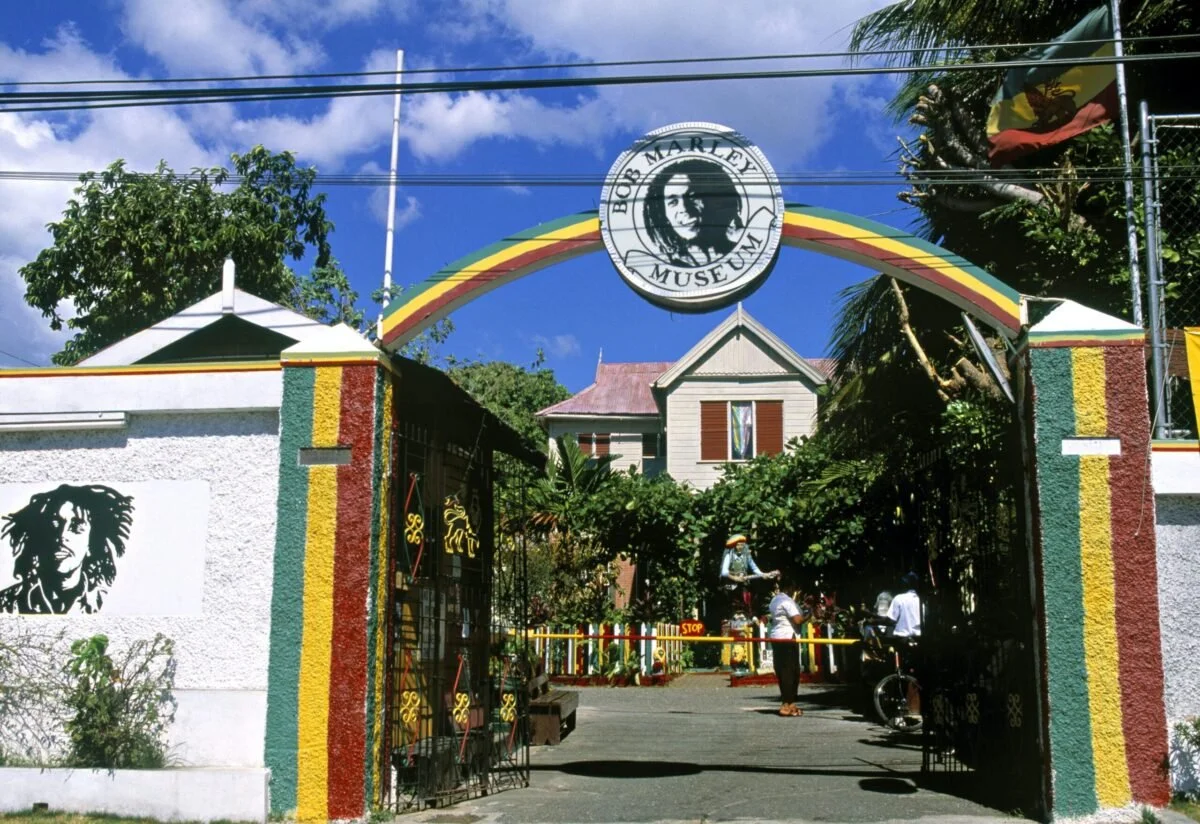
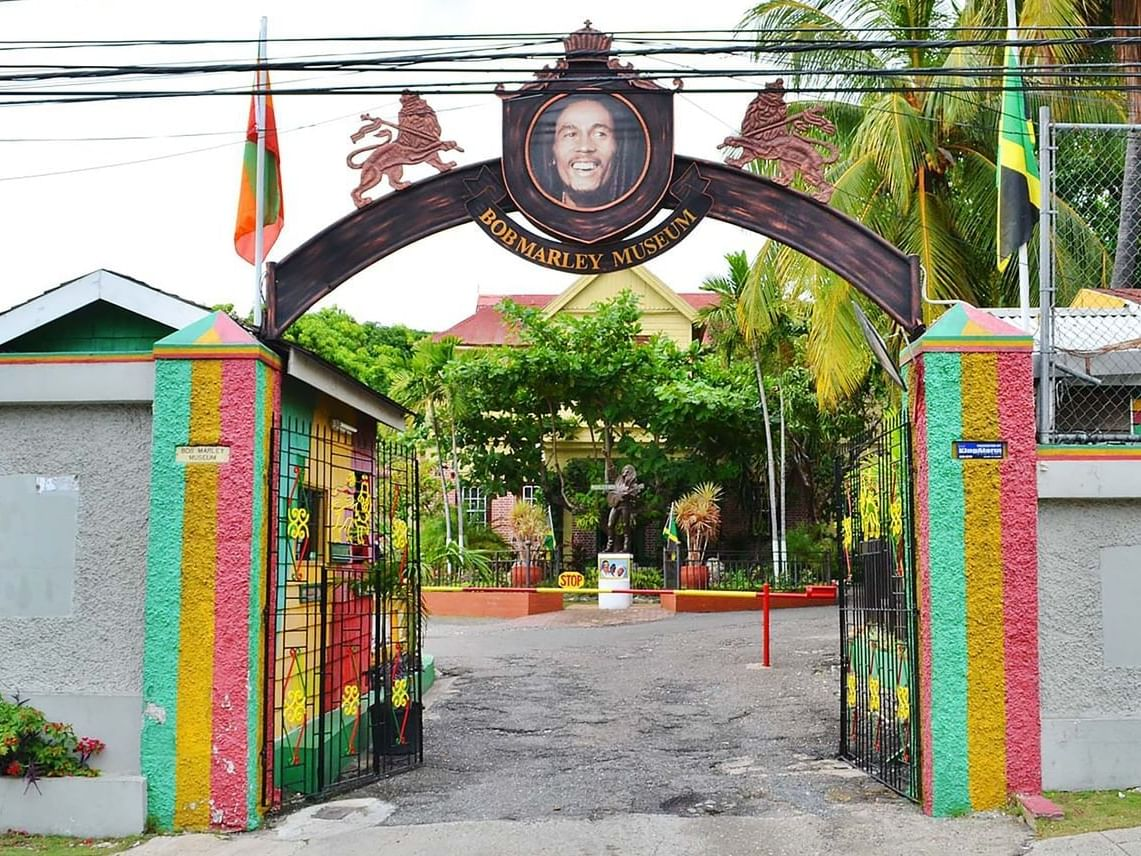
Respect the rules inside the house. Photography restrictions inside the main building are firm. Arrive with the understanding that the tour is a cultural experience, not a photo opportunity. The grounds and exterior, including the brightly painted fence in Rastafarian colors, are fair game for photographs.
Allow time beyond the tour. The tour lasts about 75 minutes, so plan for at least 2 hours, including time to explore the gift shop and cafe.
Confirm hours before you go. Always confirm the latest admission prices and hours directly with the museum by calling 1-876-927-9152 or visiting bobmarley.com/museum before your visit, particularly around public holidays.
Extending Your Visit: The Broader Reggae Heritage Trail
The Bob Marley Museum pairs naturally with several nearby and day-trip-worthy sites that complete the story of Kingston’s musical heritage.
Devon House and Emancipation Park are both within easy walking or taxi distance on Hope Road, making them logical additions to a half-day in uptown Kingston.
Trench Town Culture Yard. Trench Town is where Bob Marley moved in the late 1950s. In addition to being Bob Marley’s former stomping ground, this community played a crucial role in developing genres like ska, rocksteady, and reggae. The Culture Yard, located at the heart of this community, is a testament to how Trench Town fostered the creativity that drove these genres to global fame.
Nine Mile, Saint Ann Parish. For committed Marley pilgrims, a separate trip to Nine Mile is worthwhile. Nine Mile is the small rural village in Saint Ann Parish where Bob Marley was born, grew up, and where his mausoleum is located. Visiting Nine Mile offers a more rustic, personal look into his humble beginnings and Rastafarian spiritual practices, often including a visit to his childhood home and his final resting place.
Central to the Nine Mile experience is a visit to Bob Marley’s Mausoleum, where he, his brother, and his mother are entombed.
The mausoleum is adorned with Rastafarian colors and symbols, and the atmosphere is one of awe and contemplation.
Note that Nine Mile sits about a 2.5-hour drive from Ocho Rios and a 3.5-hour drive from Montego Bay, so plan accordingly; most visitors opt for an organized day-tour package that combines both sites.
The Museum and the Bob Marley Foundation
The visit carries weight beyond sightseeing. The Bob Marley Museum plays a crucial role in funding the Foundation’s programs.
A portion of the proceeds from museum admissions and gift shop sales goes directly towards supporting the Foundation’s programs.
This means that every visitor who steps through the gates at 56 Hope Road is not just experiencing history but also contributing to the continuation of Bob Marley’s vision for a better world.
Final Checklist Before You Go
- Address: 56 Hope Road, Kingston 6, Jamaica
- Hours: Monday to Saturday, 9:30 am to 4:30 pm; closed Sundays and public holidays
- Admission: Approximately USD $20 to $25 for adults; USD $10 to $12 for children (confirm current rates at bobmarley.com/museum or by calling 1-876-927-9152)
- Tour length: 75 minutes guided tour, plus optional time at the cafe and gift shop
- Photography: Permitted on the grounds and exterior; generally restricted inside the main house
- Getting there: JUTA registered taxi recommended; on-site parking available but limited
- Best time to visit: Weekday mornings; avoid Bob Marley Week (early February) and Reggae Sumfest (July) if you prefer smaller crowds
The Bob Marley Museum is, without question, one of the most authentic and emotionally resonant music museums in the world. It does not recreate history behind glass. It hands you the history directly: the rooms where Marley slept, wrote, recorded, and survived.
For anyone with even a passing connection to his music, a visit to 56 Hope Road is one of the most rewarding hours you will spend in the Caribbean.