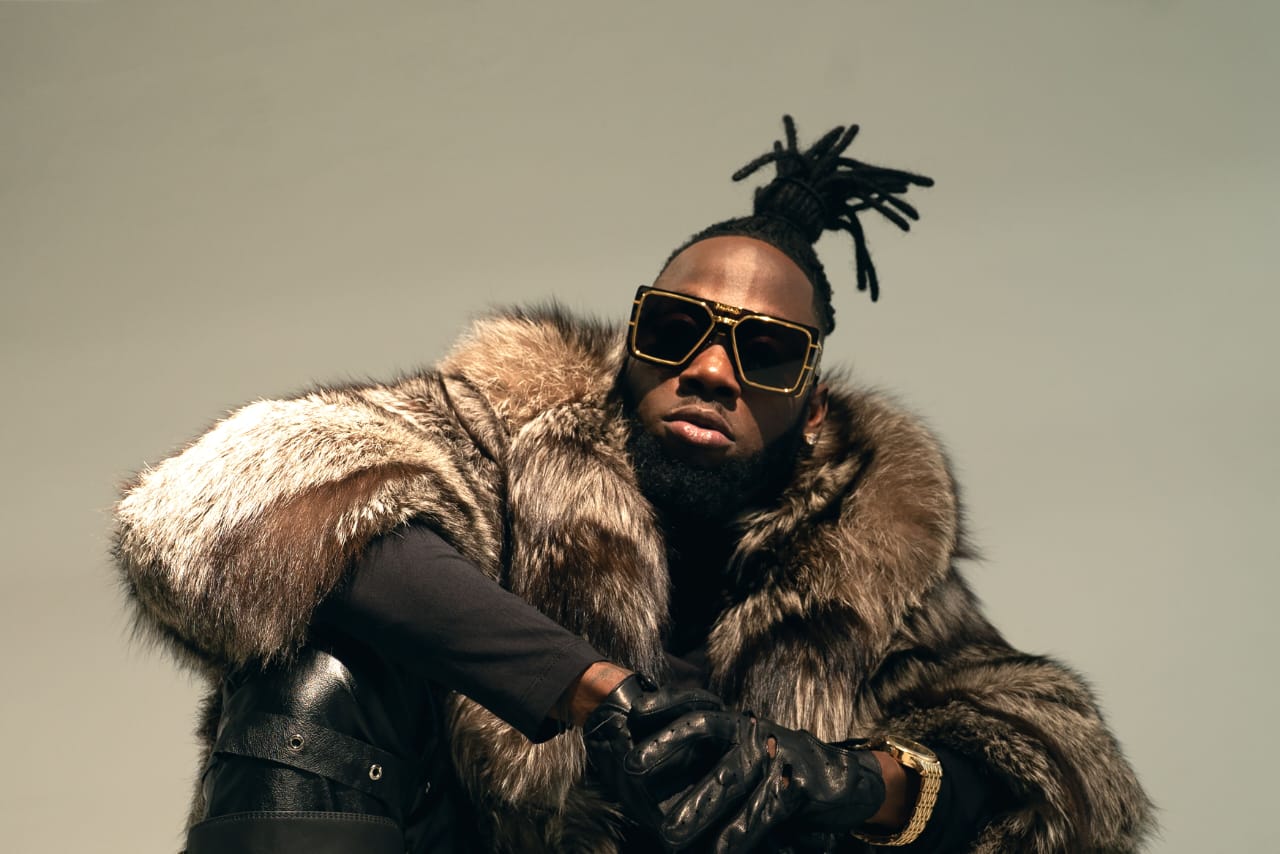
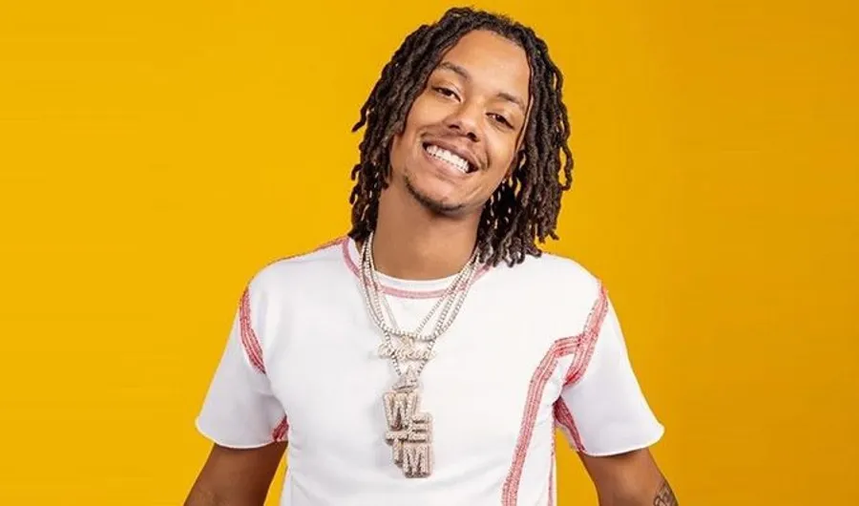

Skilla Baby is not the same artist he was at 21, and he is not pretending otherwise. The Detroit rapper is speaking candidly about the shooting that left him in a dark psychological place and pushing back firmly against fans who want his new album to sound like his old one.
The incident, in which he was shot three times while the vehicle he was in was hit roughly 20 times, shook him in ways that went far beyond the physical. “Mentally, it just put me in a spot where I was dark,” he said. “I was dark for a minute and that’s when I really my faith start getting tested.”
He described feeling humiliated, broken, and let down, not by others but by himself. “I let myself down because I know it could happen,” he said. “I almost let my mama down. Like if something happened to me, they lifestyle changes drastically.
He has tried therapy and found it lacking. His experience with a therapist left him feeling stereotyped rather than heard. “She used to talk to me like she was judging me cuz I come from a certain background,” he said, adding that his problem was straightforward: somebody had shot him.
He felt the therapist was attributing that problem to his age and where he grew up rather than addressing what actually happened. “I never found a good one,” he said. Despite that frustration, he says he is open to trying again.
He has previously acknowledged publicly that his mental health struggles since the shooting have been harder to carry than the physical wounds themselves. He is clear, though, that he does not want sympathy. “I don’t like putting my problems on people,” he said. “I really don’t feel bad for me.”
He frames his approach as a matter of personal constitution, noting that he has lost family members to suicide and understands that not everyone is built the same way. His position is not one of judgment but of self-knowledge.
That same self-knowledge is driving the direction of his new album, and not everyone in his fanbase is happy about it. He is direct about where he stands. I don’t think little kids and my demographic of people that really listen to my music know how to accept music that invoke emotions other than anger,” he said.
The criticism he has received is not about the lyrics or the production, he noted. It is about tone. “They say it’s too positive,” he said. “If you need to make crash out music, I’m not doing that. Go listen to my old crash out music.”
The project carries a range of emotional registers. He points to a record called Dear Mama, inspired by Tupac, as one example.
Another track, Strength and Numbers featuring Erica Campbell, was shaped by the spirit of We Are the World.
A third, which addresses respect in both street and professional contexts, reflects how his environment shaped his outlook without reducing him to a single dimension of it.
He sees the tension between his artistic growth and his audience’s expectations as something that comes with the territory of maturing as a person while your listeners still want the version of you from years ago.
“We’re not getting younger,” he said. “So I’m not about to be talking about what I was talking about at 21.” His hope is that listeners who stay with the album will find their own entry point into it, whatever message speaks to them personally.