

Before Jamaica had a record industry, it had the box. Picture a wall of speakers, a turntable, a selector guarding a crate of tunes nobody else could find, and a yard full of people waiting for the bass to drop. The best sound systems in Jamaican history did far more than play records.
They built the studios, launched the deejays, gave birth to dub and turned the clash into a contact sport fought with dubplates.
Ranking them starts its own argument at the gate. The twelve sets below shaped the culture from Kingston lawns to the hills of St Ann and on to clash venues around the world.
They run strongest first, starting with the foundation men who fought over American R&B in the 1950s and moving through the rub-a-dub kings to the dancehall and clash giants.
1. Sir Coxsone’s Downbeat, Kingston (1954)
Clement “Coxsone” Dodd set up Downbeat in Kingston in 1954 with an amplifier, a turntable and American records brought in from New Orleans and Miami. He never stopped hunting for music.
Dodd made regular trips to New York and Chicago to keep his selectors armed with tunes rivals could not touch, and at its height Downbeat ran four sets in different locations on the same day.
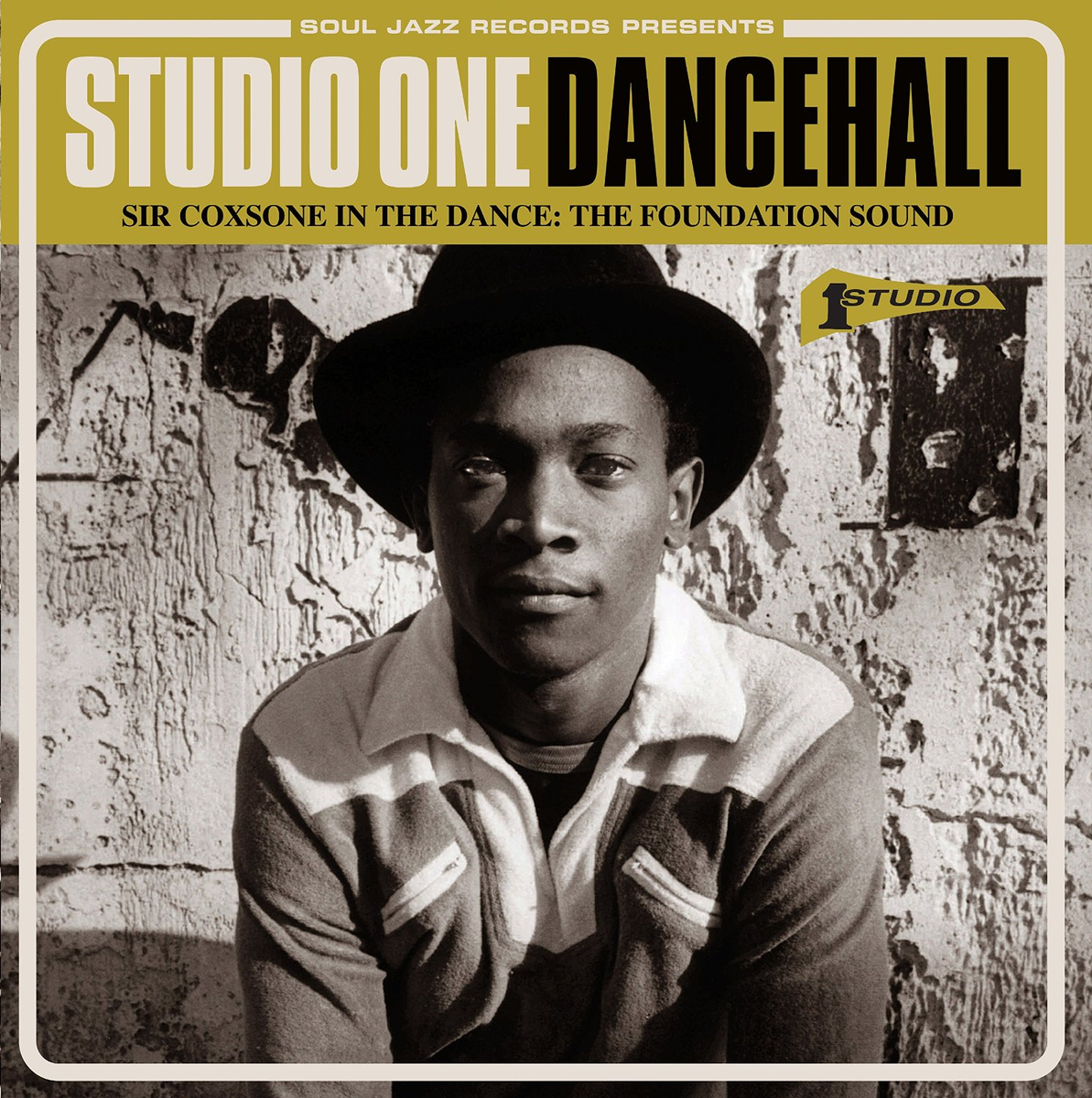
The crew around him reads like a hall of fame: Lee “Scratch” Perry, U-Roy and Prince Buster all passed through.
When Dodd began pressing records for sale in 1959, Jamaica’s recorded music industry was effectively born, and his Studio One label became the university of reggae. Every sound on this list owes him something.
2. Duke Reid’s Trojan, Kingston (1953)
If Downbeat was the scholar, Trojan was the enforcer. Arthur “Duke” Reid, a former policeman, launched his sound in 1953 and named it after the Bedford Trojan truck that hauled his gear.
He soon overtook Tom the Great Sebastian as Kingston’s top set and was crowned “King of Sounds and Blues” at the Success Club three years running in the mid-1950s.
He played under his theme tune, Tab Smith’s “My Mother’s Eyes,” and was known to fire a pair of revolvers while he played.
The rivalry with Coxsone spilled over into their labels, Treasure Isle and Studio One. “If you were singing for one, you couldn’t go and sing for the other,” recalled Brent Dowe of The Melodians. Reid also gave King Tubby work as a disc cutter.
3. Tom the Great Sebastian, Kingston (1950)
Tom Wong named his sound after a trapeze performer in Barnum and Bailey’s circus, and from 1950 it flew higher than anything else in Kingston.
It was arguably the first commercially viable sound system, and every operator who followed copied its blueprint. It also gave the culture its first deejay, Count Matchuki, who talked over records long before toasting had a name.
Selector Duke Vin went on to run the first sound system in Britain, and Prince Buster credits Tom with his first exposure to the R&B that shaped him.
Reid’s rise ended Tom’s reign downtown, and an old rumor holds that the Duke used ruffians from Back-O-Wall to push him out. Wong died in 1971, but the title “the all-time giant of sound systems” still fits.
4. King Tubby’s Home Town Hi-Fi, Waterhouse (1968)
Out in Waterhouse, Osbourne “King Tubby” Ruddock built a sound people swore they could hear for miles. Home Town Hi-Fi was an engineer’s dream.
It had separate amplification for bass and treble, homemade echo and reverb gear, and exclusive music, much of it produced by Bunny Lee and cut to dubplate by Tubby himself. U-Roy, I-Roy and Big Youth all toasted on it, which made the set a launchpad for the deejay revolution.
Tubby had learned his trade cutting discs for Duke Reid, where he found he could make special versions of rocksteady tunes, and that discovery was the seed of dub.
Violence sidelined the sound in 1975, but the studio he opened in Waterhouse in 1971 carried his mixing magic around the world.
5. Stone Love Movement, Kingston (1972)
No sound has stayed on top longer. Winston “Wee Pow” Powell started Stone Love as an uptown set spinning soul and disco.
In the late 1980s selector Rory Gilligan changed its profile and made it the heartbeat of dancehall. Its dubplate catalogue has no equal, packed with specials from artists it helped launch, including Buju Banton, Shabba Ranks, Wayne Wonder, Sanchez and Beenie Man.
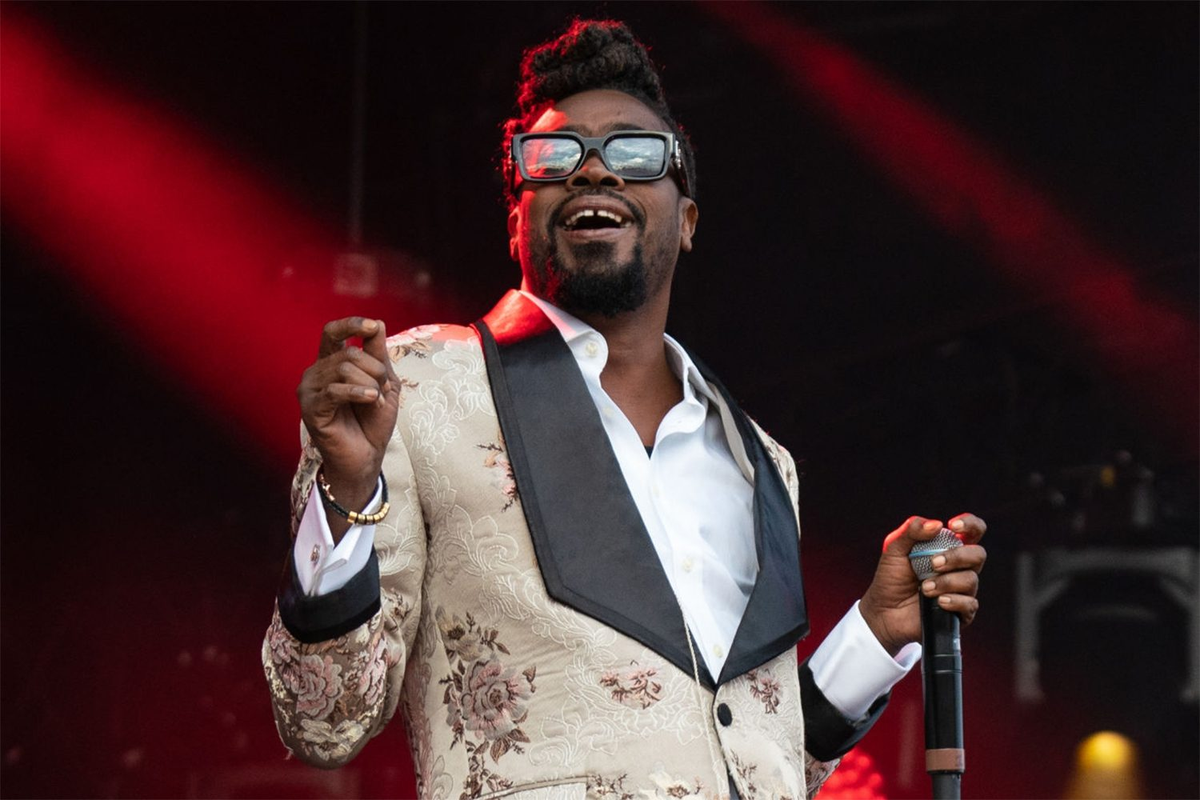
“Stone Love was the first soundsystem to actually record the song and then cut the dub,” says dancehall historian Sherman Escoffery.
By the end of the 1990s it had franchises in New York and London, and a rivalry with Killamanjaro fed a run of clashes through that decade. Weddy Weddy Wednesday at its Burlington Avenue base keeps the movement alive.
6. Killamanjaro, Kingston (1969)
Noel “Papa Jaro” Harper founded Killamanjaro in the summer of 1969, and few sounds can match its record across two eras.
In the live-artist days of the 1980s it was a deejay factory that launched Early B, Super Cat, Jim Kelly, Burro Banton and Ninjaman. When Jim Kelly was killed in 1983, Super Cat and Early B filled the void.
Its 1988 Skateland clash with Silverhawk set rub-a-dub live deejays against a dubplate sound, a showdown Father Romie remembered as a “big clash.”
Jaro then embraced the dubplate era and went on a killing spree behind Ricky Trooper, who won the 1998 World Clash on the sound. It has two World Clash titles in all, plus a 1999 loss to Mighty Crown that changed clash history.
7. Bass Odyssey, Alexandria, St Ann (1989)
“From way out in the country” is more than a tagline. Keith Walford built Bass Odyssey in Alexandria, St Ann, in 1989, just as the sound system scene came roaring back, and he proved a rural set could humble Kingston.
Glama G and Squingy, the “juggling and clashing twins,” became the most feared selector pairing of their generation. Squingy, born Kevin Bennett, died in 2009.
The trophies piled up: three straight UK Cup Clash wins from 2006 to 2008, Guinness Sounds of Greatness in Jamaica in 2010, Sound Fi Dead in New York in 2011 and War Territory 4 in Italy in 2012.
David Rodigan, who calls them his nemesis after their April 1999 battle in Brooklyn, put it plainly: “Bass Odyssey are the iron fist of Jamaica.”
8. Metromedia, Woodford Park (1976)
Woodford Park’s finest began as a soul sound under Lou Gooden. Haldane “Jimmy Metro” James took over in 1976 and turned Metromedia into a dancehall force.
Selector Sky Juice ran the turntables while deejays Peter Metro, Squiddly Ranks and Dominic, a white Londoner, lit up the 1980s.
Peter Metro was one of the first, if not the first, to deejay in Spanish, and he did it to great effect. The February 1985 clash with Saxon in London is a classic, credited with helping bring the dancehall style to the UK.
Dubplates arrived in bulk in the late 1980s, Tanto Metro pulled in a younger crowd in the 1990s, and the sound was still on the World Bash bill in 2023.
9. Black Scorpio, Kingston (1968)
Maurice “Jack Scorpio” Johnson started with a single turntable in 1968, and by 1972 he was running a set called Special I. The name did not last.
It sounded too much like a JLP slogan for his PNP-leaning neighbours, a reminder of how tightly sound systems were tied to Kingston’s political map, so Black Scorpio was born.
Johnson and his deejays General Trees and Lord Sassafrass all had ties to horse racing, which earned it the name “The Horseman Sound.”

Johnson moved into production with Sassafrass’s “Pink Eye” in 1982 and followed it with the bigger hit “Pocomania Jump” in 1985, working from his studio on Molynes Road.
Culture Lee, Shukashine, Barry Bak and Lady G kept the mic hot, and the sound was still on the bill at Riddim Clash in Düsseldorf in 2007
10. Jack Ruby Hi-Power, Ocho Rios (late 1950s)
Everyone else was in Kingston. Lawrence “Jack Ruby” Lindo was in Ocho Rios, where his hi-fi most likely first strung up in the late fifties. It grew into a wall of towering speakers that ruled the north coast.
Ruby was the only major Jamaican producer not based in the capital, and he made the distance count by producing Burning Spear’s Marcus Garvey and Man in the Hills, both licensed to Island Records.
On the sound itself, tapes from around 1980 and 1981 capture a heavyweight deejay lineup of U-Brown, Nicodemus, Lui Lepki and Brigadier Jerry trading the mic.
Ruby died in 1989. St Ann’s reputation as a sound system stronghold, later carried by Bass Odyssey, starts with him.
11. King Stur-Gav Hi-Fi, Kingston (1970s)
U-Roy made his name on Tubby’s Home Town Hi-Fi and then paid it forward. He set up King Stur-Gav to give younger talent a place to sharpen their mic skills, and it became a temple of rub-a-dub. It sits alongside Volcano Hi-Power among the most celebrated sounds of that style.
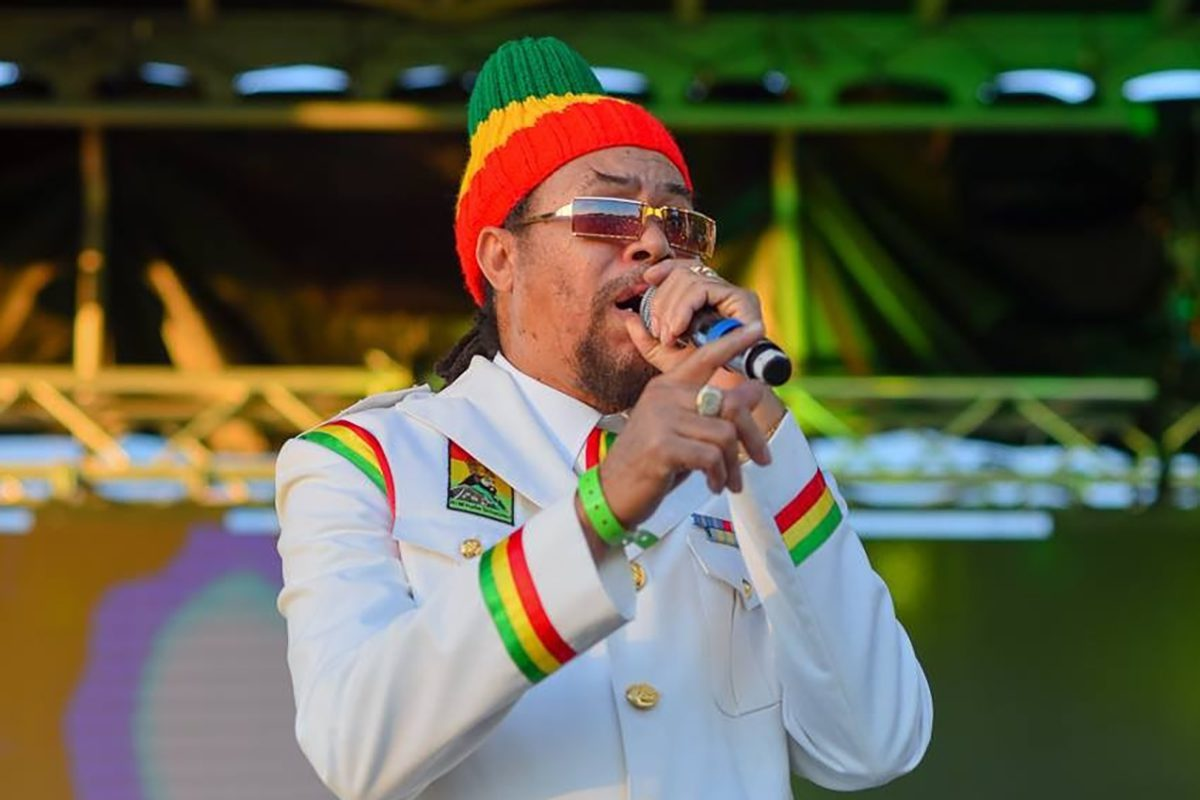
Selector Jah Screw and deejay Ranking Joe peaked together in the late seventies and early eighties, first on Stur-Gav and then on Ray Symbolic, and Brigadier Jerry has shared festival bills with Daddy U-Roy and the sound.
When the next wave arrived, Stur-Gav could not stay at the forefront without fresh young deejays, and King Jammy’s Super-Power and Killamanjaro became the symbols of the new era. Its spirit as a school for the mic endures.
12. Ray Symbolic Hi-Fi, Kingston (1970s)
Whitfield Town and the sessions along Hagley Park Road were Ray Symbolic territory. With Jah Screw selecting and Ranking Joe on the mic, it became one of the hottest sets of the rub-a-dub years.
In August 1980 it made history as the first Jamaican sound to tour England. The trip raised Joe’s profile and helped Weakheart Fadeaway sell for Greensleeves, which proved that a Kingston sound could move records across the Atlantic.
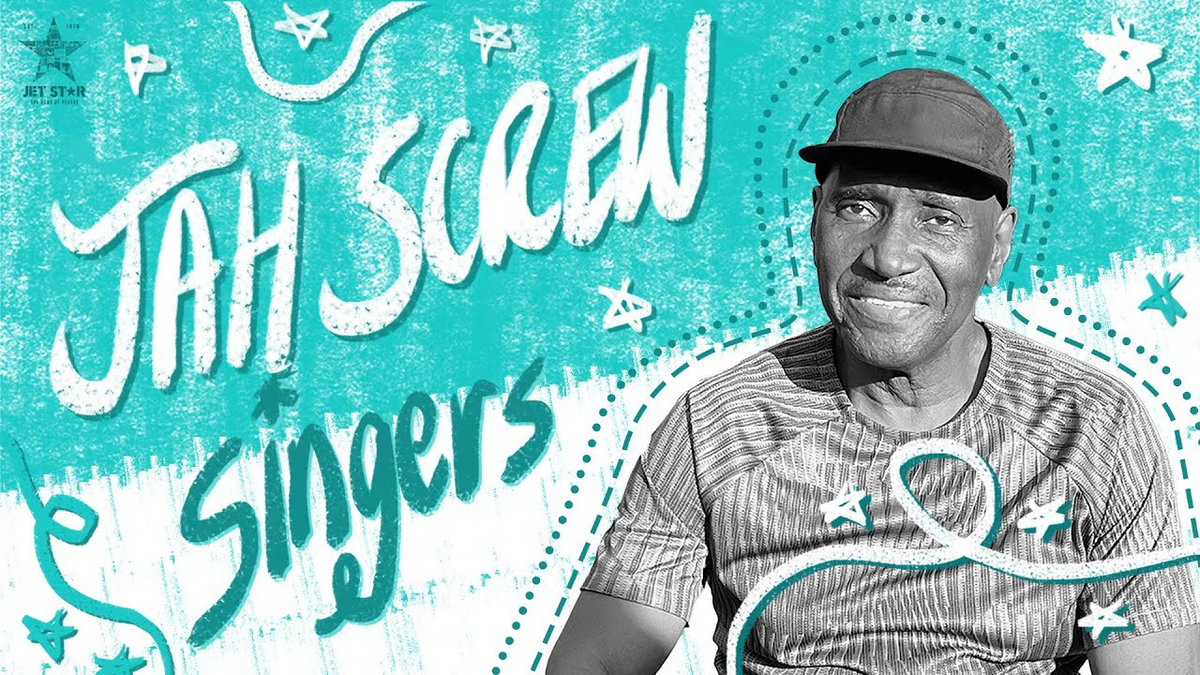
The glory was brief, because the end of Ray Symbolic interrupted Joe’s career just as it was taking off. Its real legacy is the road it opened.
Every Jamaican sound that has since packed a box for a British tour is following the route Ray Symbolic took first.
Why the Sound System Still Rules
Every one of these sets understood the same truth: the dance belongs to whoever moves the crowd. Operators flopped rival dances with heavier bass and harder tunes.
Deejays served as singing newspapers, and selectors sometimes dropped the volume so the whole lawn could carry the chorus.
That culture built Studio One and Treasure Isle, gave the world dub and the deejay, and carried Jamaican music to London, New York and Tokyo.
Reggae’s place on UNESCO’s heritage list in 2018 honours a music that was raised on these speaker boxes.
The debate about decline never stops, and Stone Love’s Rory has warned that restrictions on sound systems help kill the culture.
Yaniq Walford of Bass Odyssey answers that it “is not dead or on life support.” As long as a selector can drop a dubplate and make a dance erupt, he is right.