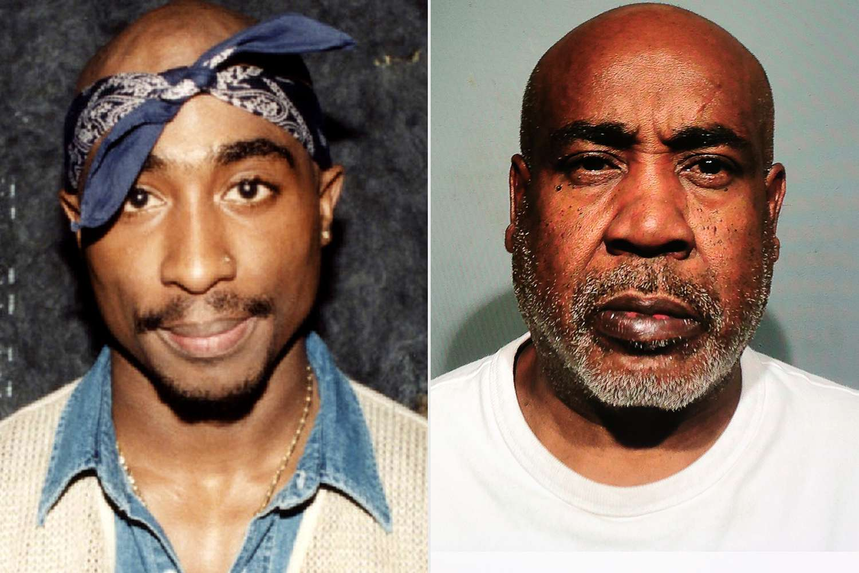

The jury had barely finished deliberating when Duane “Keefe D” Davis made his next move. Just 90 minutes after the verdict came in, he was already telling the judge he wanted to appeal, and asking for his confiscated phones and computers back while he was at it.
On August 31, a Clark County jury convicted Keefe D of first-degree murder with a deadly weapon, with the intent to benefit a criminal gang, in connection with Tupac Shakur’s 1996 killing.
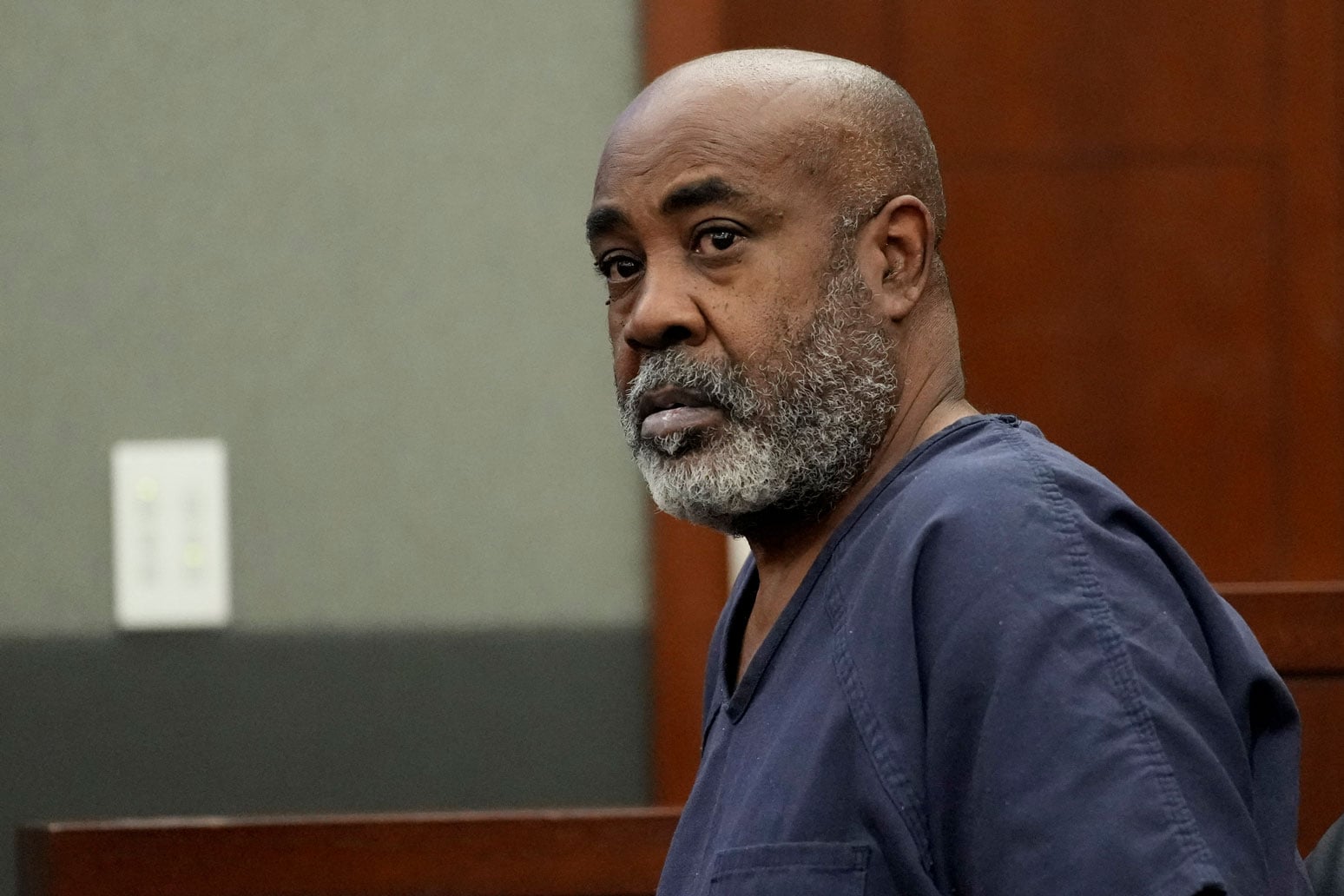
The verdict landed after a trial that was projected to run six weeks but wrapped up in three, which is a detail worth sitting with given how long this case took to even reach a courtroom.
Keefe D’s request to appeal was immediate and direct. “I’d like to have all my stuff back,” he told Judge Carli Kierny. “The computers, all of the phones, everything. And I’d like to appeal this matter.”
Judge Kierny confirmed an appeal is possible, but explained it cannot be filed until after sentencing, which is scheduled for October 13. That hearing carries the possibility of a life sentence, so the stakes heading into that date are about as high as they get.
While Keefe D raised a fist and glanced around the courtroom as he was led out, the mood on the other side of the room was something else entirely. Tupac’s family was present for the verdict, and his sister Sekyiwa “Set” Shakur was seen quietly crying as the decision was read aloud.

The contrast between those two reactions tells a lot about what this moment meant to different people in that room.
For the Shakur family, this was the end of a nearly three-decade wait for any kind of legal accountability. For Keefe D’s side, it is clearly being treated as the beginning of a new legal fight rather than a final answer.
This September also marks 30 years since Tupac was shot in Las Vegas, a timeline that adds a layer of weight to everything happening in that courtroom right now.
The fact that a conviction finally came so close to that anniversary has not gone unnoticed by fans and observers who have followed this case for years.
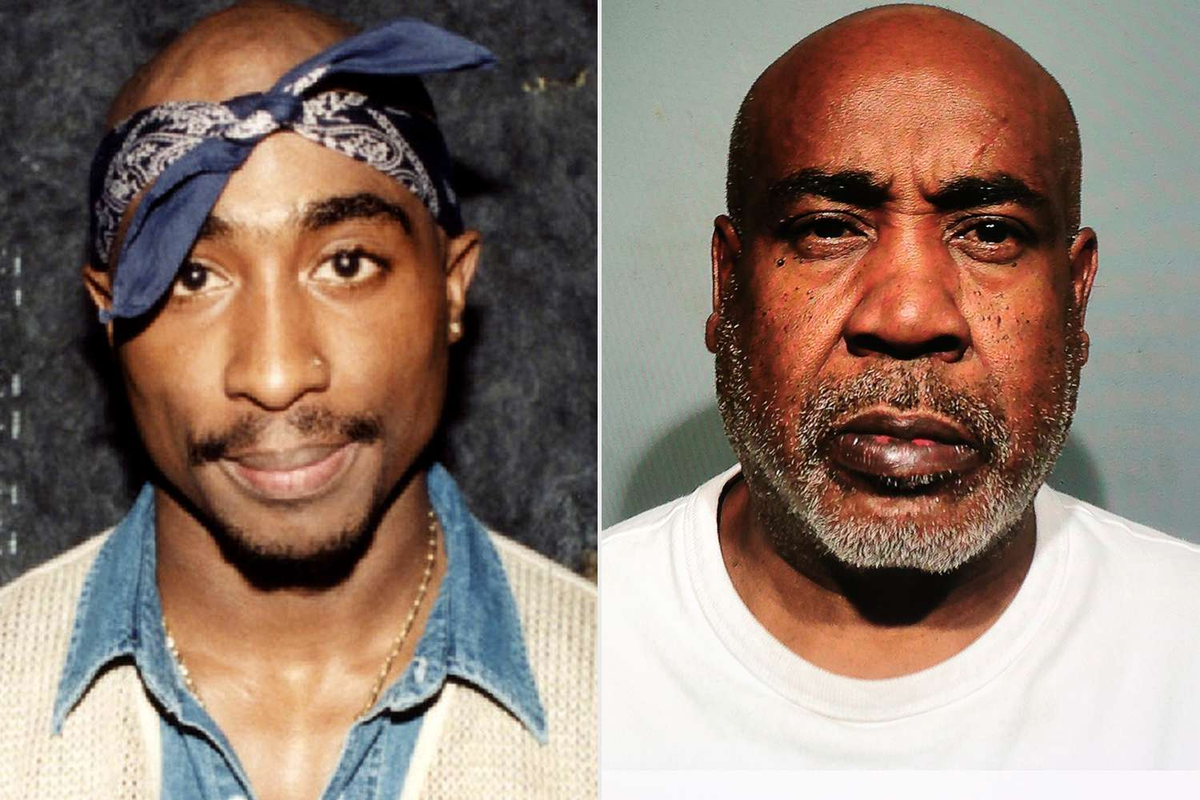
The 90-minute deliberation is one of the more striking details from the trial. Prosecutors built their case over three weeks, and the jury needed less than two hours to land on a verdict, which suggests the evidence presented left little room for serious doubt among the panel.
Keefe D’s legal team now has until after the October 13 sentencing to formally begin the appeals process. What arguments they plan to raise and on what grounds remains to be seen, but the intention to fight the conviction is clearly already in motion.