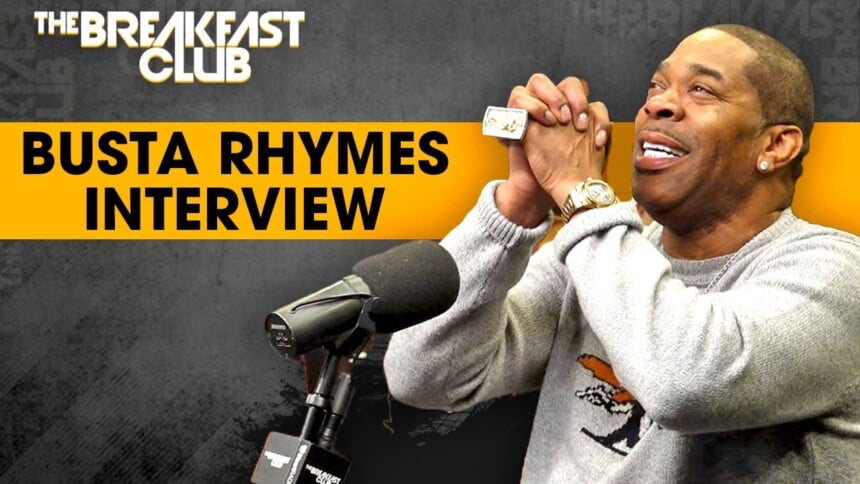

Busta Rhymes has shared one of the most intimate accounts yet of his time recording with J Dilla during the producer’s final years, describing a makeshift studio inside a Los Angeles home where Dilla’s mother handled the equipment while her son worked through his illness.
Busta was in LA for three years while making his Big Bang album, and Dilla was living there too. He credits Common for securing the situation, explaining that Common found Dilla a home closer to the specialist treating his lupus and moved in with him.
“Common got him the crib that he needed to be at and live in to be closer to the specialist to treat his lupus illness,” Busta said.
Dilla’s mother was also brought there, and it was in that house where Busta received the bulk of the beats during what he called Dilla’s decline.
The setup was unlike any conventional studio session. The dining room had been cleared out and converted into a workspace, with a coat closet stacked floor to ceiling with vinyl records arranged in alphabetical order.
Two beat machines, an MPC and an SP-12, sat ready. When Dilla needed a specific record, he would call out to his mother, who would go into the closet, locate it, and bring it to him.
She would then get behind the equipment, plug in the wires, switch between machines as directed, and return to the couch to watch her soap operas. “Dilla get to cooking in the headphones,” Busta said.
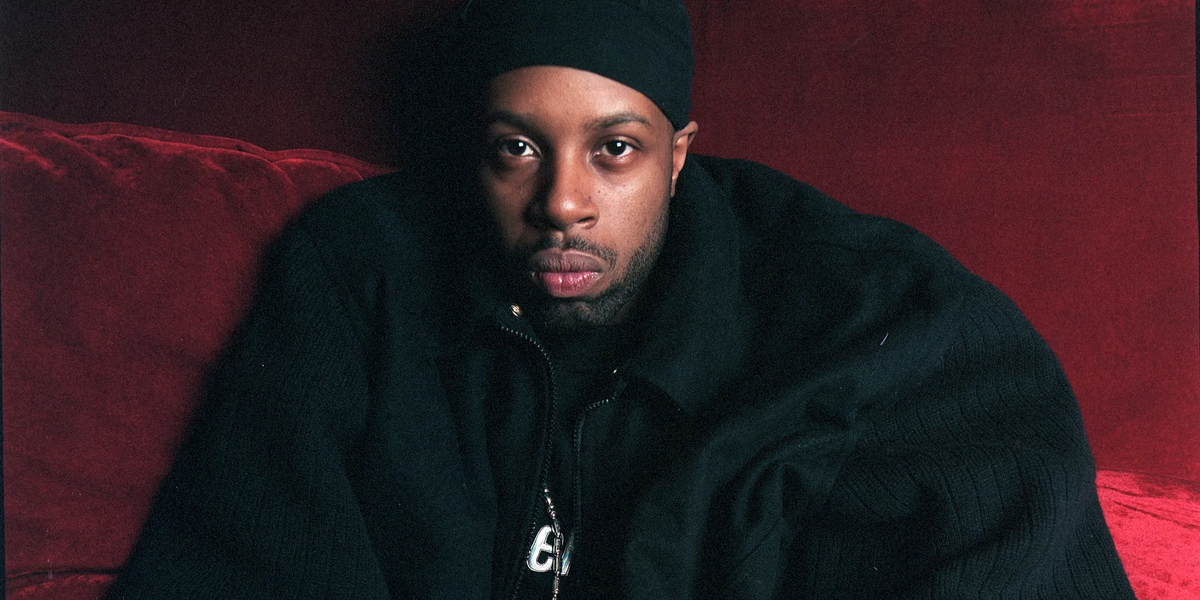
The intimacy of those sessions grew into something that extended well beyond music. Busta described the bond as evolving into a genuine family relationship, one that has only deepened over time. He recalled that Dilla never emailed beats or sent files remotely.
“It wasn’t no emailing me no beats. It wasn’t no I’mma send you some, come to the crib,” he said. Every exchange happened in person, in that house, with Dilla’s mother a few feet away on the couch.
Busta also reflected on why Dilla may have given him nearly 300 beats, a volume of production he said he only recently began to fully reckon with. “After a while I started to feel like maybe he knew something and saw something in the way that he seen how I appreciated his music, how I loved his production, how I loved his work, how I loved him as a friend, a human being,” he said.
Beyond the Dilla revelations, Busta spoke about the visual ambition that defined his music video era, tracing it back to a lifelong obsession with film.
Movies like Coming to America, Lethal Weapon and Terminator 2 shaped how he thought about performance and image. He said he always imagined himself inside those films and asked what they would look like if he were in them.
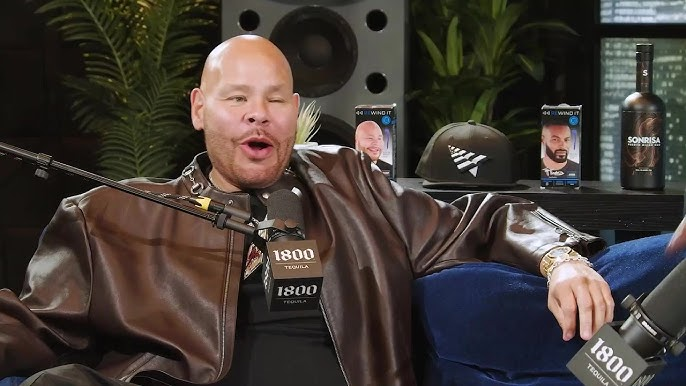
That mindset, combined with significant budgets and collaborators he described as a cheat code, produced work that landed in the Guinness Book of World Records for the most expensive hip-hop video ever made, at a reported budget of $2.4 million.
He also pushed back on the idea that credibility should limit a performer’s range. Many artists, he argued, stay too guarded to fully commit to a moment on camera.
Busta said he never shared that concern. “I’m having fun, man,” he said. “I’m enjoying this gift that I was blessed with.”