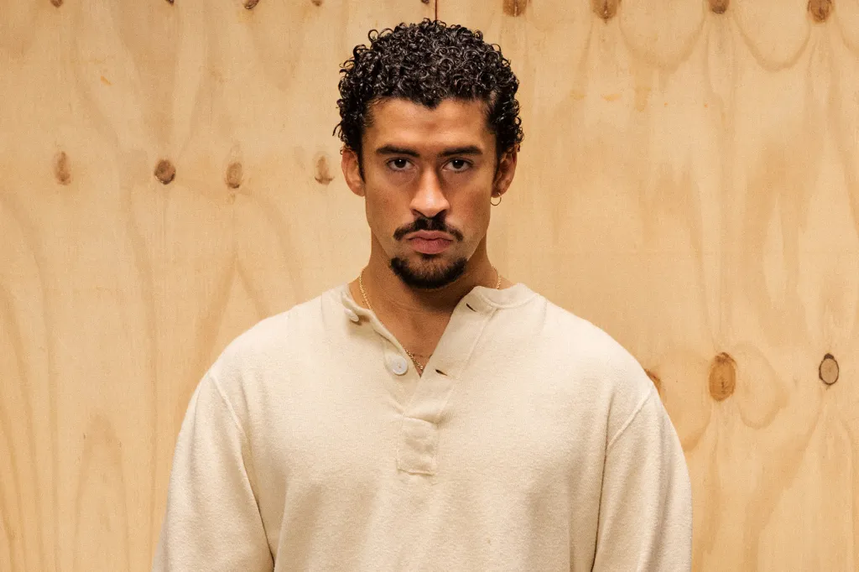

Bad Bunny technically walked away from a copyright lawsuit without losing in court, but his wallet didn’t get the same outcome. A federal judge just confirmed he’s on the hook for $465,612 in legal fees, with no way to make anyone else pay for it.
The case goes back to a claim from Nigerian producer Dera and his label emPawa Africa, who filed suit in May 2025 alleging that “Enséñame a Bailar” from Bad Bunny’s 2022 album Un Verano Sin Ti sampled Dera’s 2019 track “Empty My Pocket” without proper clearance.
The song was originally produced for Nigerian artist Joeboy, and emPawa argued that Bad Bunny’s team never had the right to use it.
Bad Bunny’s legal team pushed back by pointing to Lakizo Entertainment, a production company they said had cleared the sample on behalf of the original track.
Dera’s side disputed whether Lakizo ever had that authority to begin with, and that disagreement became the core of the whole dispute.
The lawsuit collapsed in early 2026 when Dera and emPawa missed critical court deadlines. Dera’s original attorneys had already walked off the case in January 2026, citing “irreparable differences” over legal strategy, and then he missed a March 6 filing deadline and a February discovery hearing. Judge Otis D. Wright II treated the case as abandoned and dismissed it.
Bad Bunny’s lawyers immediately pushed to recover their costs, calling the lawsuit “meritless from the beginning” and accusing emPawa of trying to extract an “undeserved, multimillion-dollar settlement.” That argument didn’t land with the judge. Wright denied the fee request entirely.
The reasoning behind that denial is where things get interesting. Wright found that emPawa’s claims were “objectively reasonable,” and he pointed out that Bad Bunny’s team had used the copyrighted material without producing documentation that clearly proved they had permission to do so.
That’s a significant detail, because it means the dismissal wasn’t a vindication of Bad Bunny’s position on the merits.
Wright wrote that “the imposition of attorneys’ fees would send the wrong message to parties seeking to protect their intellectual property,” which is a pretty direct signal that he wasn’t willing to penalize a rights holder for pursuing what it genuinely believed was a legitimate claim. The case ending on procedural grounds is very different from a judge ruling that no infringement occurred.
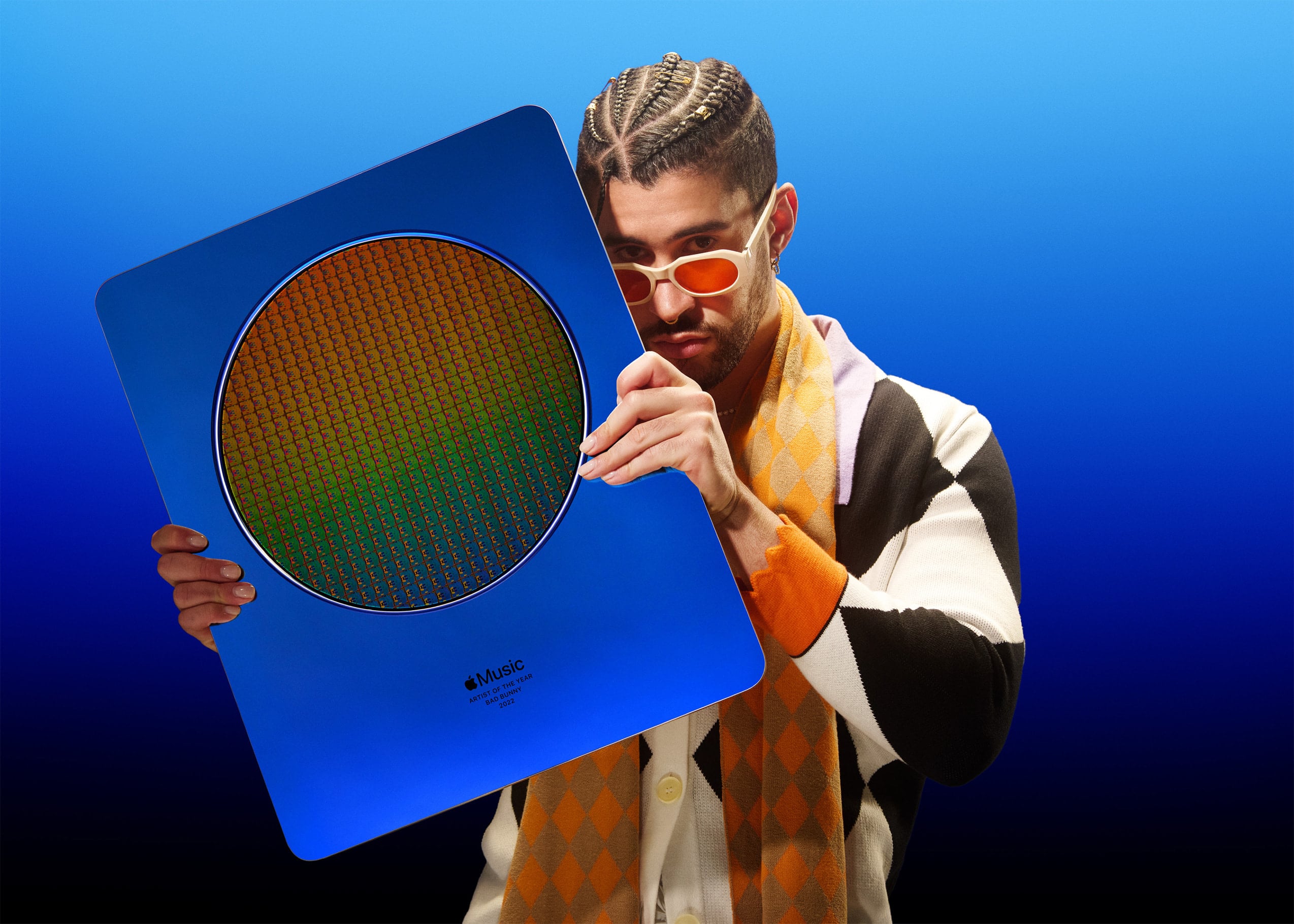
From emPawa Africa’s perspective, the outcome is complicated. The label lost the case by default rather than by any court finding that Dera’s rights weren’t violated, and the judge’s language suggests some sympathy for their position even as the lawsuit itself was thrown out.
For a smaller Afrobeats label going up against one of the biggest acts in the world, having a federal judge call your claims “objectively reasonable” is not nothing.
For Bad Bunny, the math is straightforward and painful. He spent $465,612 defending a case that was ultimately dismissed, and there is no court order requiring anyone to give that money back.
His team may have cleared the sample through Lakizo, but the inability to produce clean documentation of that permission is what kept the judge from ruling in his favor on costs.
The broader conversation this case is opening up around sample clearance in global music is only getting louder, especially as Afrobeats continues to influence mainstream pop and reggaeton at a scale that was hard to predict even five years ago. Dera and emPawa have not publicly indicated what their next move is.