
The ban came from a police suggestion, not a public outcry, and that detail alone makes this story worth paying attention to.
Trinidad police brought the proposal to the Tobago Promoters Association at a recent meeting, arguing there is a direct link between violent lyrics and aggressive crowd behaviour at events.
Senior Superintendent Rodhill Kirk put it plainly. When you go out and observe it yourself, as soon as some songs come on, people get hyped based on the lyrical content. People react to it,” he told the Trinidad Guardian.
Kirk’s framing is one that law enforcement across the Caribbean has leaned on before, and it tends to split opinion fast.
Supporters say it is basic crowd management, while critics argue it puts the blame on music rather than on the social conditions that produce violence in the first place.
What is different here is that the industry itself has not pushed back, at least not publicly. The Trinidad and Tobago Party Association has reportedly agreed with the ban and committed to helping ensure the safe running of the event, which is a notable show of alignment between promoters and police.
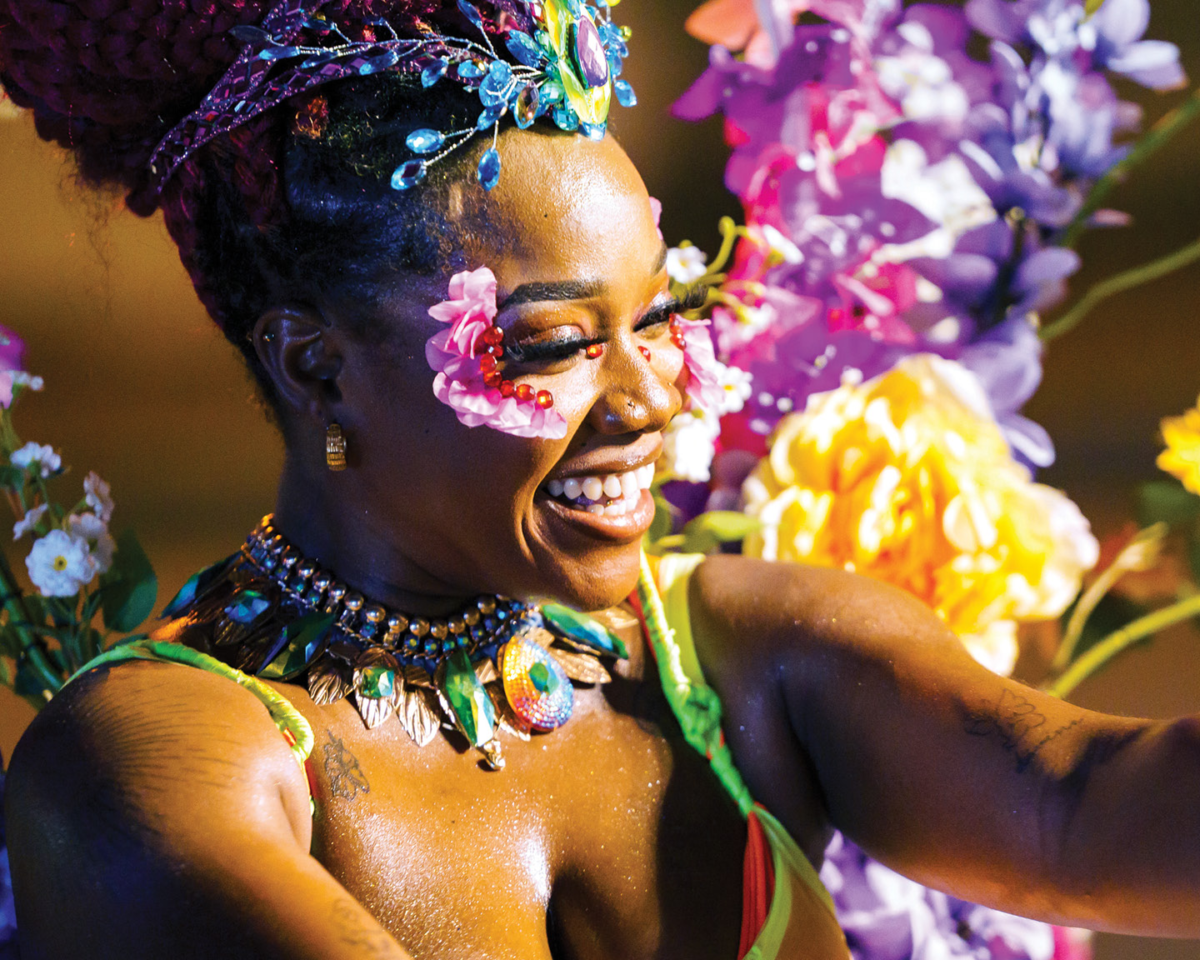
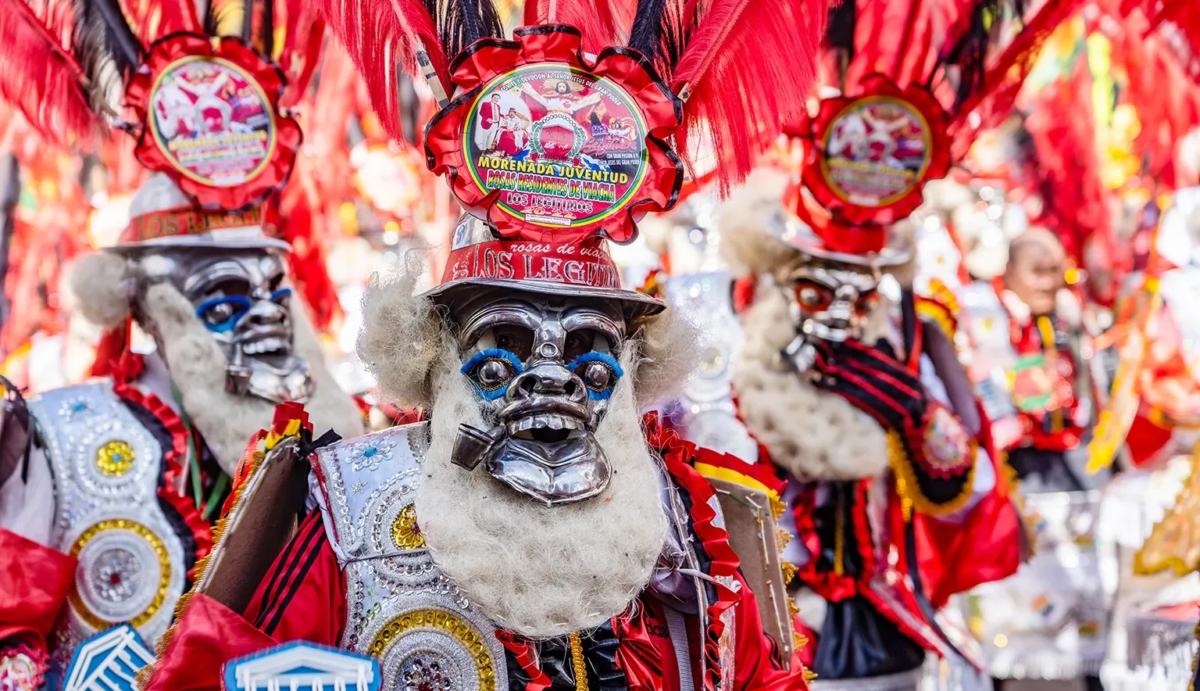
Tobago Carnival is scheduled to run from October 30 to November 1 this year under the theme “The Awakening,” and organisers will now have to decide exactly how the ban gets enforced in practice.
That is where things tend to get complicated, because the line between a song that references violence and one that actively glorifies it is rarely clean.
Dancehall in particular has long lived in that grey area, with artists and fans arguing that lyrics reflect reality rather than encourage it.
The genre has faced similar bans and radio restrictions across Jamaica, Barbados, and the UK over the years, with mixed results and plenty of debate about who gets to draw the line.
There is also a practical question about what happens on the ground when a banned track drops during a set.
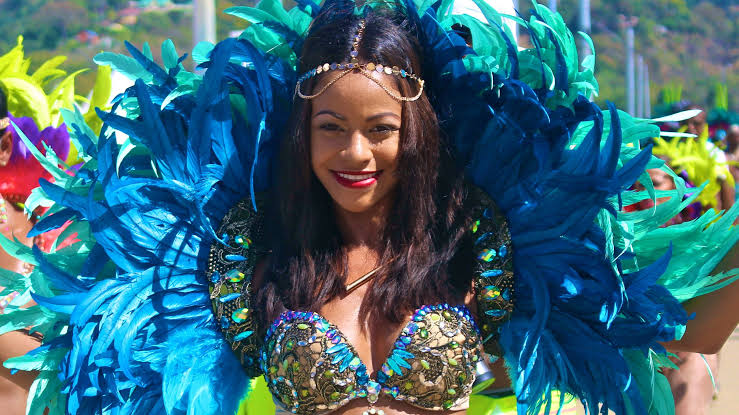
DJs and selectors at Caribbean carnivals often read the crowd in real time, and policing a playlist at a multi-day outdoor festival is a different challenge from regulating a radio station.
The Tobago Promoters Association has not yet released a public list of banned songs or a clear enforcement framework, which means the details of how this actually plays out are still very much up in the air.
With the carnival less than three months away, those answers will need to come soon.