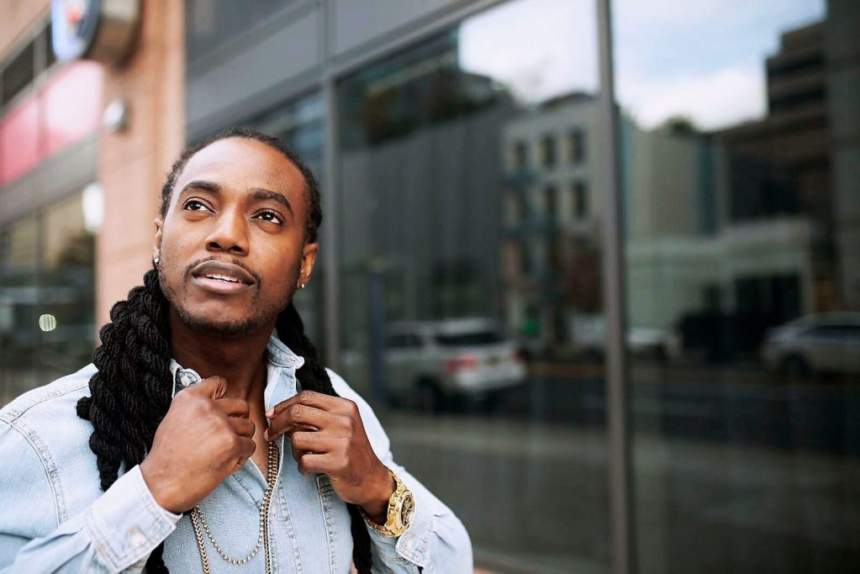

Kiprich did not get to say goodbye. His father, Magnus Lloyd Plunkett, was found unresponsive by his brother while cooking soup for him at home in Jamaica, and was later pronounced dead at hospital on Friday at the age of 72.
The deejay, born Marlon Plunkett, shared that his father had been dealing with kidney issues and was scheduled for follow-up urine tests, so the death, while not entirely out of nowhere health-wise, still hit without warning.
My brother is down in Jamaica and he was cooking some soup for him, and when he went to check on him, he was unresponsive,” Kiprich said.
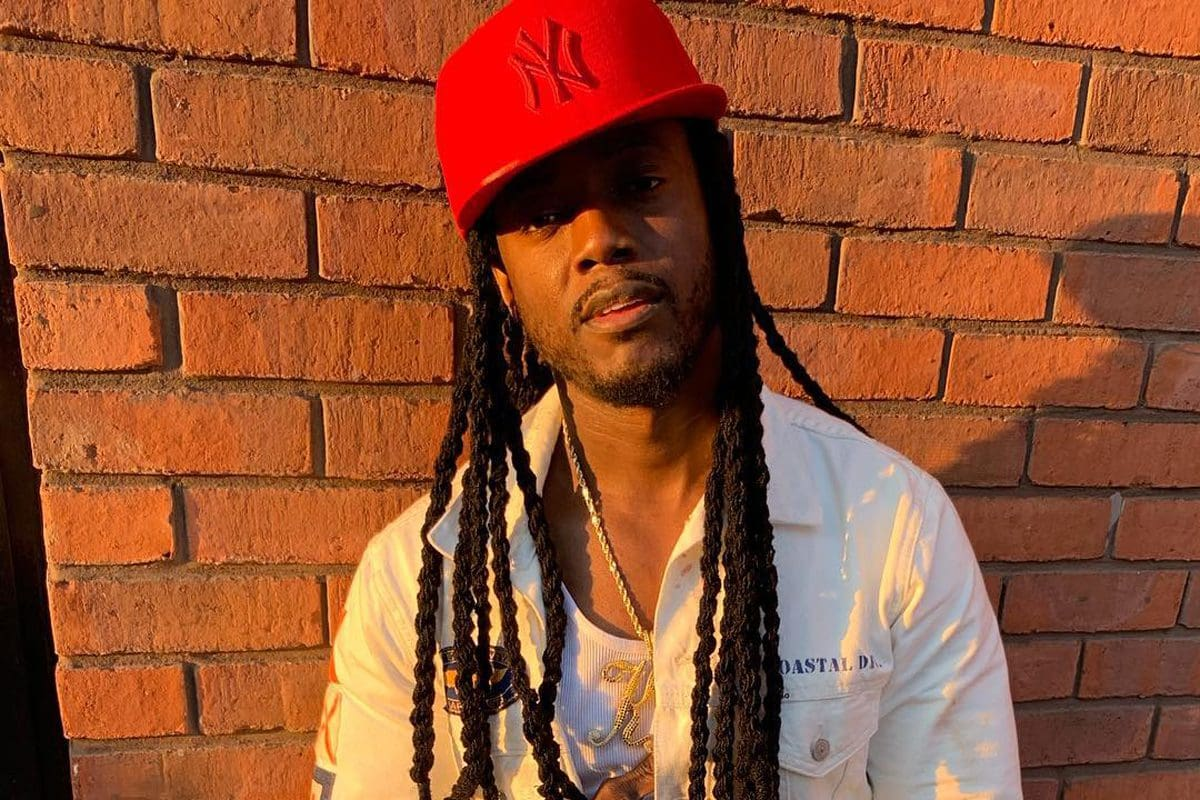
Known to those around him as “Mr Chin,” the elder Plunkett was remembered by his son as someone who had a rare gift for business.
“He was able to turn any small business into something major,” Kiprich said, describing his father as a fearless transport operator and owner who mentored people around him without asking for anything in return.
Kiprich was especially clear that his father’s influence went beyond family. His mentorship was unmatched,” he said, painting a picture of a man who moved through life with confidence, including on the dancefloor, where Magnus was known for a signature “rude boy” swagger and a deep love of reggae music.

Magnus Plunkett is survived by his wife, Carrol Plunkett, whom he married in 1994, and five children including Kiprich, Ricardo, Sprite Rafer, Jamal, and daughter Kayla.
The family is now navigating a grief that feels particularly heavy given everything the year has already brought.
This loss lands on top of an already devastating 2025 for Kiprich. Earlier this year, he and his fiancée lost their newborn baby, a tragedy that already made this one of the most painful stretches of his life. “This ah one of the roughest years, mi father, only Almighty knows,” he said.
For fans who have followed Kiprich through his career in dancehall, his openness about both losses has drawn a wave of support online, with many expressing condolences across social media.
The outpouring reflects how much people connect with him not just as an artist, but as someone willing to be honest about pain in real time.
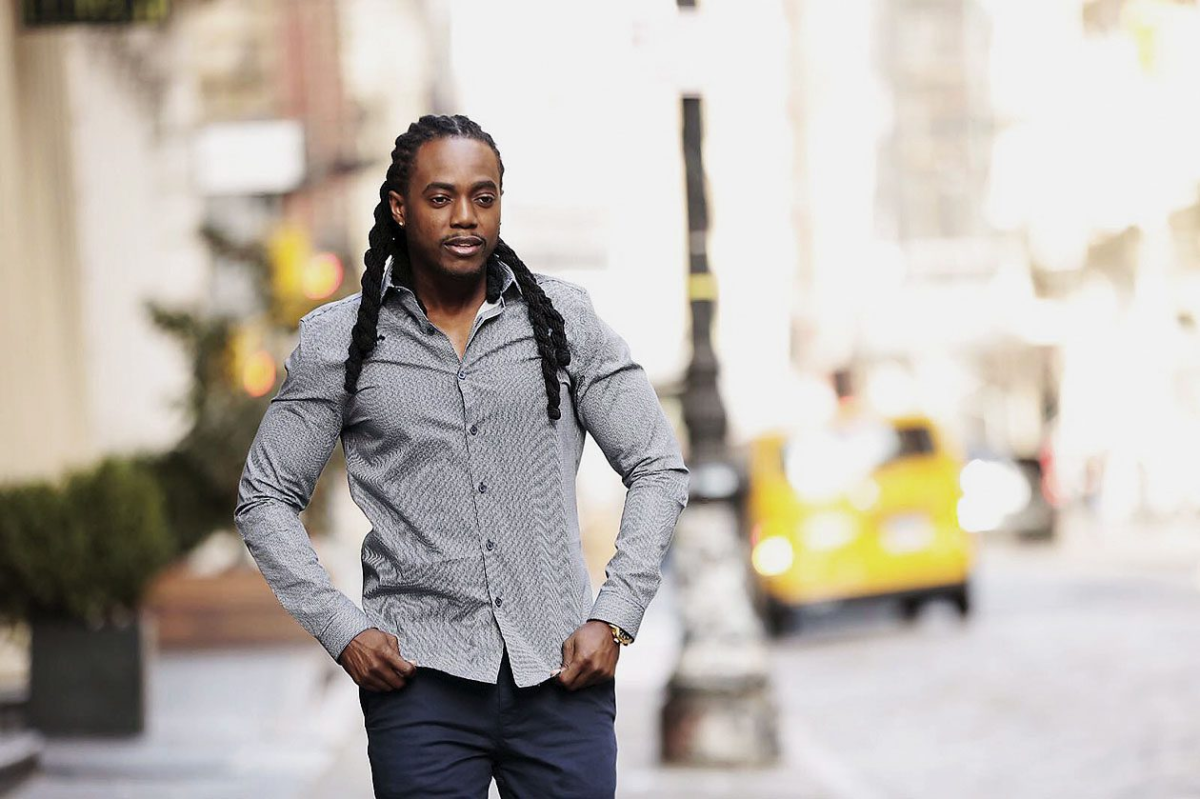
What makes this moment particularly hard to sit with is the ordinariness of how it happened. No dramatic final moment, just a brother checking on a father who was already gone, a pot of soup still on the stove. Kiprich is processing that image publicly, and the rawness of it is not lost on the people listening.
The dancehall community has seen artists speak on personal loss before, but Kiprich’s year has been a relentless series of them, and he is still clearly in the middle of it all.