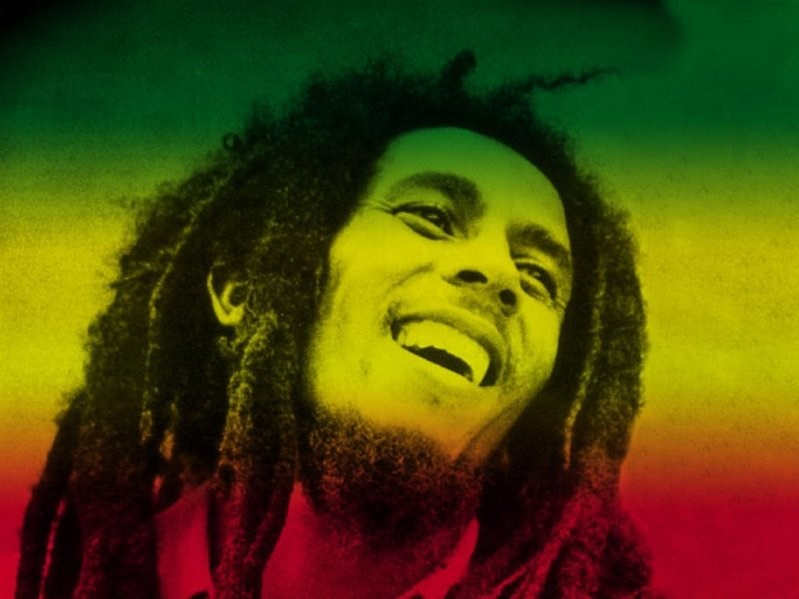

Two days before he was due to sing for peace, Bob Marley nearly died in his own yard.
The Bob Marley shooting of 1976 happened on the night of 3 December, when seven armed men stormed 56 Hope Road in Kingston while the Wailers were on a break from rehearsing for the Smile Jamaica concert.
Bob, Rita, manager Don Taylor and Lewis Griffiths were all hit, and all four survived.
Next week marks fifty years since that night. The gates at Hope Road now open onto the Bob Marley Museum, and the question of who sent the gunmen still has no official answer.
This is the story of the attack, the stage Marley climbed onto 48 hours later with a bullet still in his arm, and the long road that brought him home.
An Island on Edge
Jamaica in 1976 was a pressure cooker. The rivalry between Michael Manley’s People’s National Party and the Jamaica Labour Party had spilled out of Parliament and into the streets, where armed garrison communities enforced political loyalties. Marley stood above that divide, or tried to.
The idea of a free concert took shape with the government before any election date was set.
Then Manley called the election for 15 December, and Smile Jamaica was slated for 5 December, just ten days before the vote.
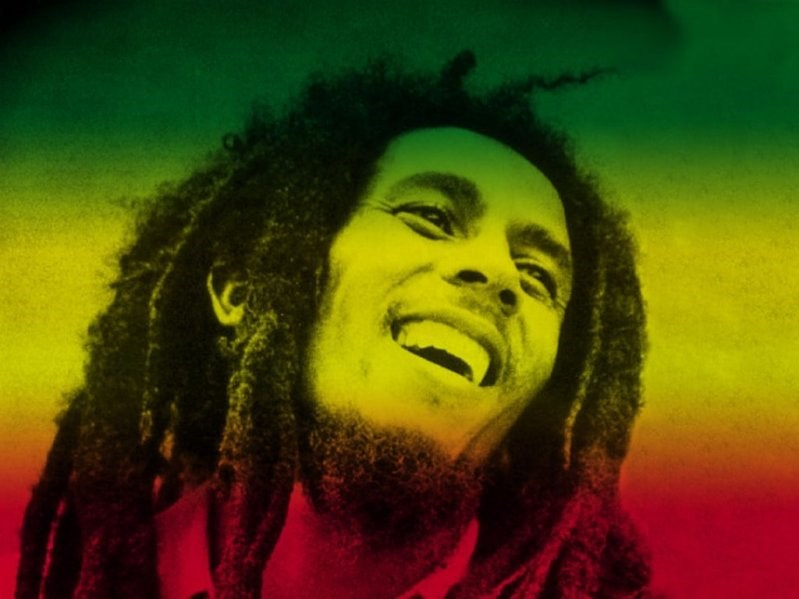
The PNP had courted Marley to perform, and suddenly the show looked to many like a prop for the party’s re-election bid.
For a man who preached One Love, being read as a partisan was a dangerous place to stand.
PNP security men had been guarding Hope Road. On the night it mattered, they were nowhere to be found, a detail that has fed conspiracy theories ever since.
The Night of 3 December
Hope Road was busy that evening. Marley, the band, Rita, Don Taylor and friends were all on the property when the rehearsal paused.
In Roger Steffens‘ oral history, two white Datsun compacts rolled straight through the gates of Tuff Gong. The long-serving guards had, in Steffens’ telling, mysteriously disappeared.
Explosions of gunfire cut through the house. Don Taylor took the worst of it, with five bullets spread across his torso and legs. He lost so much blood that he nearly died before surgery.
In its review of the Netflix documentary on the attack, the Jamaica Observer credited Taylor with saving Marley’s life, saying that bullets meant for Bob ended up in Taylor’s back.
Marley was hit too. One bullet grazed his chest and lodged in his arm, where it would stay until his death in 1981.
Outside, Rita was shot in the head as she got out of her vehicle. She survived. Lewis Griffiths was also wounded.
The band had its own close calls. In Timothy White’s biography, guitarist Donald Kinsey crouched behind a heavy road case, which shielded him, and he walked away untouched.
Drummer Carly Barrett’s stool was torn apart by bullets. According to the documentary, the security detail resurfaced only after the gunmen had “shot up” the place.
Years later, Stephen Marley captured how deeply the attack betrayed his father’s sense of himself: “Him never feel like nobody woulda waan harm him.
5 December: Smile Jamaica
The day after the shooting, PNP housing minister Tony Spaulding pressed Bob to go ahead with the show and prove he would not be cowed. Rita, herself recovering from a head wound, said she would stand with him whatever he chose.
He chose the stage. On 5 December 1976, a wounded Marley stepped out at Heroes Circle before a reported crowd of 80,000.
The arm wound meant he could not play guitar. He had agreed to perform just one song, but once he was out there in front of that crowd, one song became a full set.
In a single night the concert stopped being an election-season event and became an act of defiance. Marley stood in front of Kingston and showed that the bullets had not silenced him.
Exile and the Songs It Produced
After Heroes Circle, Marley left the island. He went first to Chris Blackwell’s home and studio in the Bahamas, and it was in Nassau, after the attempt on his life, that he wrote “Jamming.”
That a song so loose, joyful and inviting came out of those weeks says a lot about how Marley processed trauma.
From the Bahamas he moved to England, where he lived in self-imposed exile for almost two years. The Gleaner has read “Ambush in the Night” as a seemingly direct reference to the shooting. The song’s tense, watchful mood certainly carries the memory of Hope Road.
The Return: One Love Peace Concert
Marley did not perform in Jamaica again until 22 April 1978, at the One Love Peace Concert.
It was his first home show since Smile Jamaica, and he used it to make a statement no politician could have staged.
Near the end of the night he called Michael Manley and JLP leader Edward Seaga onto the stage and brought their hands together.
The man who had been shot over politics stood between the two rivals and made them touch.
Who Sent the Gunmen?
No one was ever arrested for the Hope Road shooting, and the case remains unsolved. Several theories have survived, none of them proven.
Retired detective John Hodgson has recalled Marley naming a suspect to police in plain patois: “Mi a rehearse fi di concert an’ Claudie sen’ man fi kill mi.” Claudie was Claudius Massop, the JLP enforcer.
That account fits a wider view that JLP gunmen wanted to stop a concert built around the politically progressive music of Marley and other reggae stars.
Another theory points abroad. Many believe the CIA had a hand in it, and declassified documents released years later reportedly contained information on Marley. Don Taylor went further.
He claimed that one of the shooters, before being killed, said the CIA had recruited the gang in exchange for cocaine and guns. That claim rests on Taylor’s word alone.
What seems clearer is that street justice ran ahead of the courts. In the Observer’s words, everyone who invaded Hope Road that night was eventually “removed from the earth.” Taylor described a ghetto court passing sentence, and the Observer’s account fits his story.
Why the Night Still Echoes
Fifty years later, 3 December 1976 is woven into how the world understands Bob Marley. The 2024 film Bob Marley: One Love opens with the shooting.
Marlon James turned it into the engine of A Brief History of Seven Killings. Chris Salewicz’s Bob Marley: The Untold Story and Don Taylor’s memoir Marley And Me keep returning to that night at Hope Road.
The story endures because of what Marley did next. He took the bullet, played the show, went into exile, wrote some of his warmest music and came home to join the hands of enemies. He never answered violence on its own terms.
A man nearly killed over politics went back to Jamaica and made peace look possible, if only for one night under the lights.