
Put a soca track and a dancehall track back to back at any Caribbean fete and the crowd will tell you the difference before the DJ does.
One sends people jumping, flags in the air, rags spinning toward the speaker box. The other drops the room into the bass, shoulders rolling, everybody waiting for the deejay’s next line to land.
So, soca vs dancehall: what actually separates them? Soca is the high-energy Carnival music of Trinidad and Tobago, born from calypso and seasoned with East Indian rhythm.
Dancehall is the bass-heavy street sound of Jamaica, grown out of reggae and the sound system, with the deejay’s chant at its centre. They are cousins, not twins, and the way they keep borrowing from each other is half the fun.
Soca: The Soul of Calypso
Soca’s story starts with Garfield Blackman, the Trinidadian known first as Lord Shorty and later as Ras Shorty I.
After breaking through with “Cloak and Dagger,” Shorty took on a real problem: calypso was losing young Trinidadians to Jamaican reggae and American soul and funk. His answer was to rebuild the music from the rhythm up.
He called the result the “Soul of Calypso” and leaned on the East Indian instruments already woven into Trinidad’s sound, especially the dholak, tabla and dhantal.
Early recordings took shape in 1972 at KH Studios, including Shorty’s “Indrani,” with “Shanti Om” carrying the same Indo-Trinidadian flavour. Hits like “Endless Vibrations” (1974) and “Sweet Music” (1975) followed. Even the name has a twist.
Shorty first spelled it “sokah,” but a newspaper misprint during the 1976 Carnival season turned it into “soca,” and he let it stand rather than confuse anyone.
Who truly invented it is a livelier debate. Shorty never hedged. Caribbean Beat quotes him declaring “I am the inventor, and nobody else,” while pointing out that sole-originator stories like his tend toward hyperbole.
Eddy Grant has also been cited as claiming authorship. Whoever lit the fuse, the music travelled, and by the 1980s Brooklyn had become a hub for soca’s spread around the world.
Along the way it soaked up far more than calypso ever had: Indian percussion, Jamaican dub and dancehall grooves, and the vocal fire of American gospel.
Dancehall: Reggae’s Rawer Child
Dancehall came out of Jamaica in the late 1970s, a time of deep political turbulence, and grew from the same sound system roots as reggae.
Where reggae often favoured full singing, dancehall pushed the deejay to the front, chanting over the rhythm. It went on to become the island’s dominant music through the 1980s and 1990s.
In the early 1980s the music ran on dub versions: existing reggae songs stripped down to bass and drums so a deejay could ride them.
Then came 1985 and Wayne Smith’s “Under Me Sleng Teng,” produced by King Jammy. Its riddim, reportedly built from a preset pattern on a Casio keyboard, is regarded as the track that opened reggae’s digital era.
Rival producers rushed out their own versions, each voiced by dozens of artists, and Sleng Teng has since carried several hundred songs. Digital instruments pushed the tempo up, and the sound of that era is widely known as ragga.
How They Sound
The quickest way to hear the difference is energy versus weight. Soca is built for the road: fast, bright and festive, designed to keep masqueraders moving through the Carnival day.
Percussion does a lot of the driving, and the Indian rhythmic DNA Shorty planted still shapes its bounce.
Dancehall puts its weight in the low end. The bass is heavier, the production leans digital, and the groove leaves room for the deejay’s voice to cut through.
You will often hear dancehall called the slower of the two, which works as a general feel but only goes so far. Since the digital revolution, dancehall has picked up speed, and plenty of tunes move with real urgency.
Then there is the riddim: one instrumental, many voices. It is the engine of dancehall, where a single beat can define a season and a long line of artists queue up to voice it. Soca shares some of that language, but dancehall is the genre that made riddim culture its calling card.
What They Sing About
Soca’s lyrics mostly celebrate Carnival itself: joy, festivity, unity, everybody jumping in the same moment. Like calypso, it has room for social commentary and risqué humour, though early soca acts largely steered clear of the commentary side.
Shorty himself grew disillusioned in the 1980s as the music became a vehicle for courtship and sexual themes. He retreated to the Piparo forest and remade himself as Ras Shorty I.
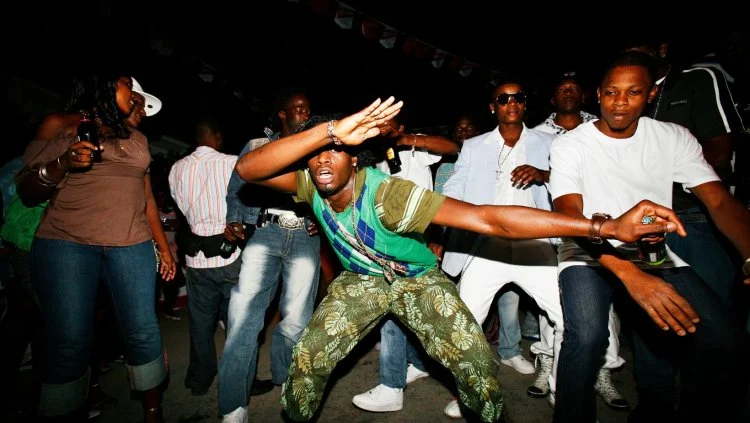
Dancehall’s lyrics are rawer and less filtered. Street life, social commentary, bravado and party anthems all sit side by side, delivered in the deejay’s patois cadence.
If soca invites everybody into one shared celebration, dancehall often speaks from a specific corner and reports on what it sees there.
Where Soca and Dancehall Meet
The borders were never closed. Dancehall beats were already among soca’s influences in 1970s Trinidad, and the fusions keep coming.
Ragga soca, bouyon soca, chutney soca and afrosoca all branch off the soca tree. Bouyon, from Dominica, draws on dancehall, reggae and the language style of rap, and bouyon soca blends the two worlds directly.
Going the other way, the dancehall pop of the early 2000s folded in sounds from soca, calypso and reggaeton.
The link-ups are still happening. Nailah Blackman, granddaughter of Ras Shorty I, recorded “Badishh” with Shenseea.
In September 2026, Bounty Killer jumped on the “BOUNCE” remix with Trinidad’s Patrice Roberts, announcing it as “Soca meets dancehall once again!!” What made that one stand out is that Roberts owns the original, flipping the usual pattern where dancehall anchors the project.
The crossover is real, but as DancehallMag put it at the time, the overlap between the two fanbases “exists but it’s not automatic.”
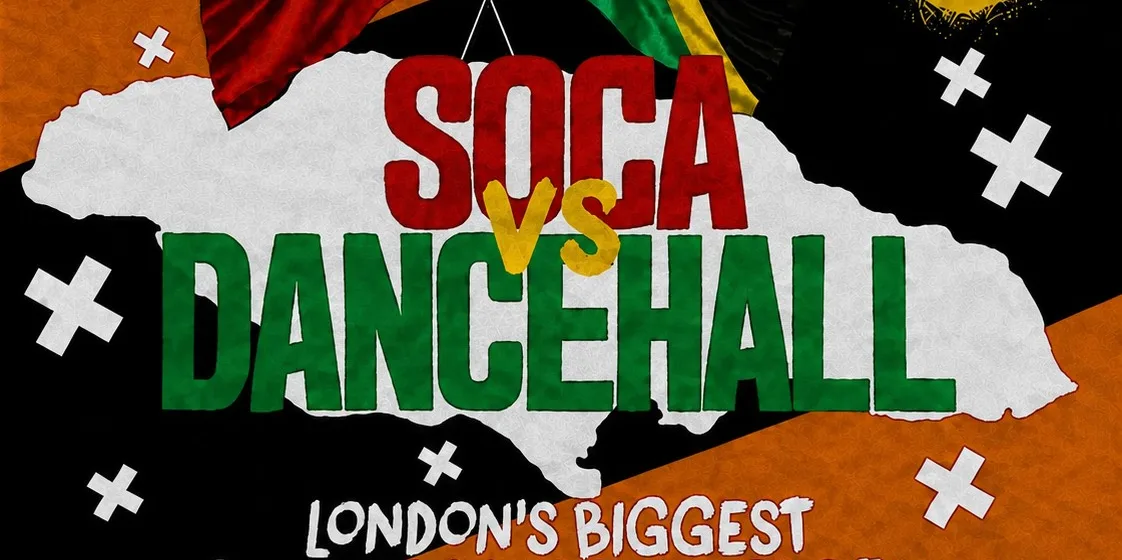
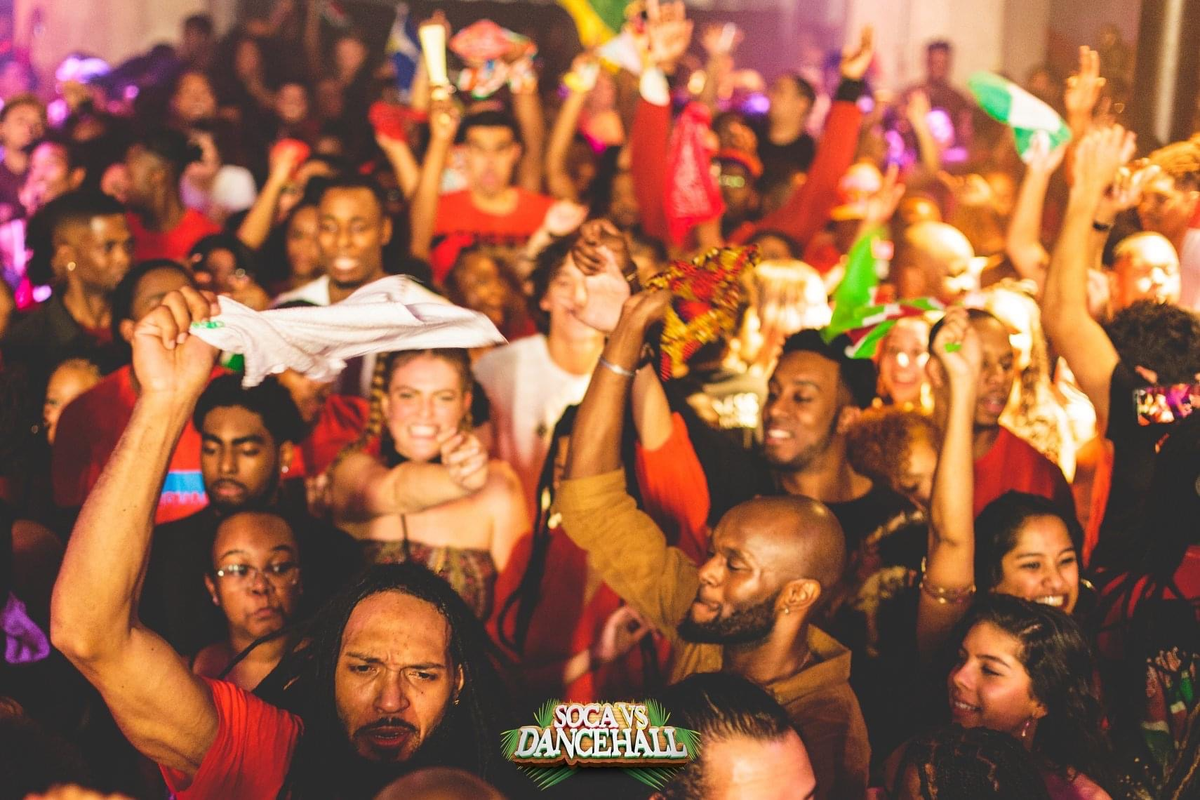
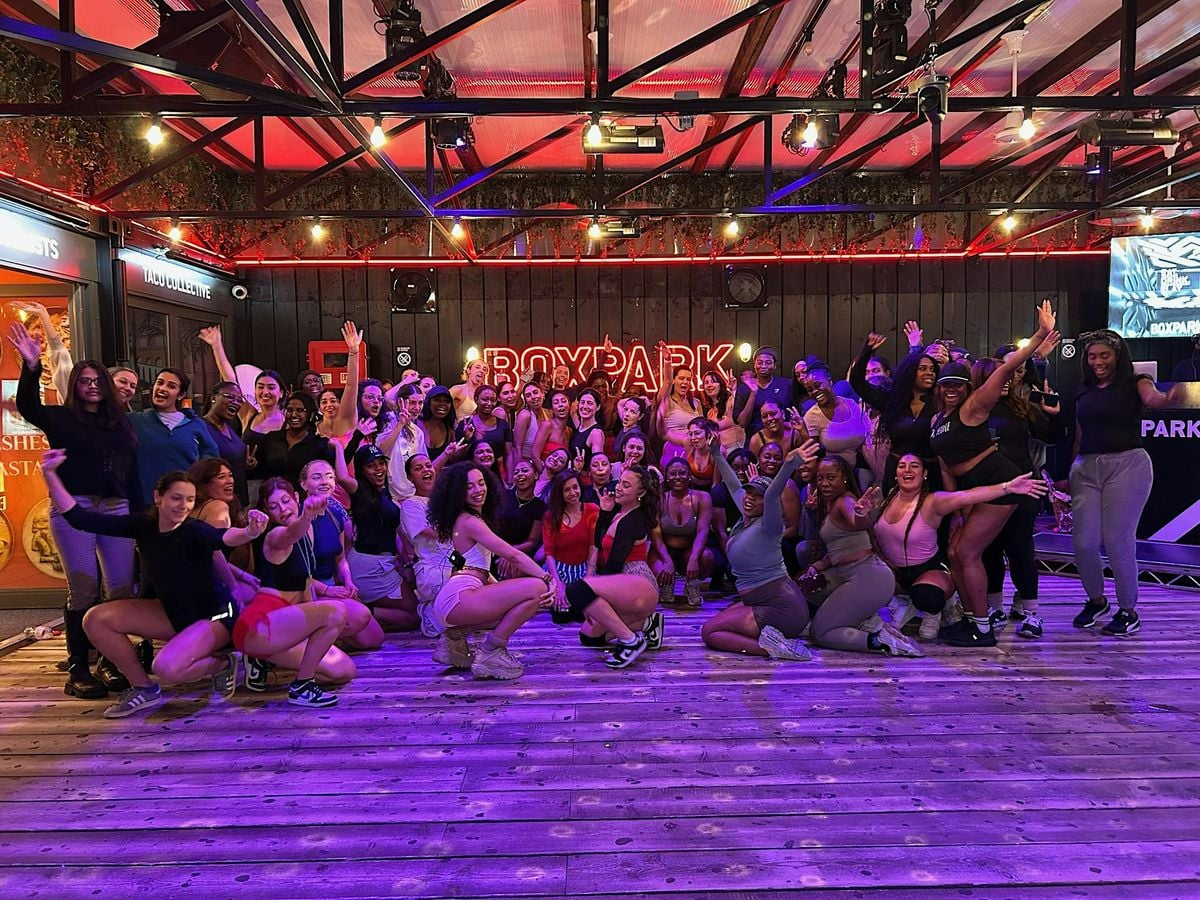
You can see that overlap on the dancefloor too. “Soca vs Dancehall” and “Dancehall meets Soca” nights have become a fixture of the diaspora calendar, from London in September 2026 to Boston in November.
Two Islands, One Conversation
In the end, soca vs dancehall is less a rivalry than a long conversation between two islands. Soca came from a Trinidadian determined to keep calypso alive for a new generation, and it carries that mission in every Carnival anthem.
Dancehall came from Jamaican yards and sound systems, turning stripped-down riddims and a deejay’s voice into a global language.
One is built for the road march, the other for the session under the stars. Yet they have traded grooves since the 1970s, and every new link-up proves the door still swings both ways. Learn to hear the difference, and you will enjoy the blend that much more.