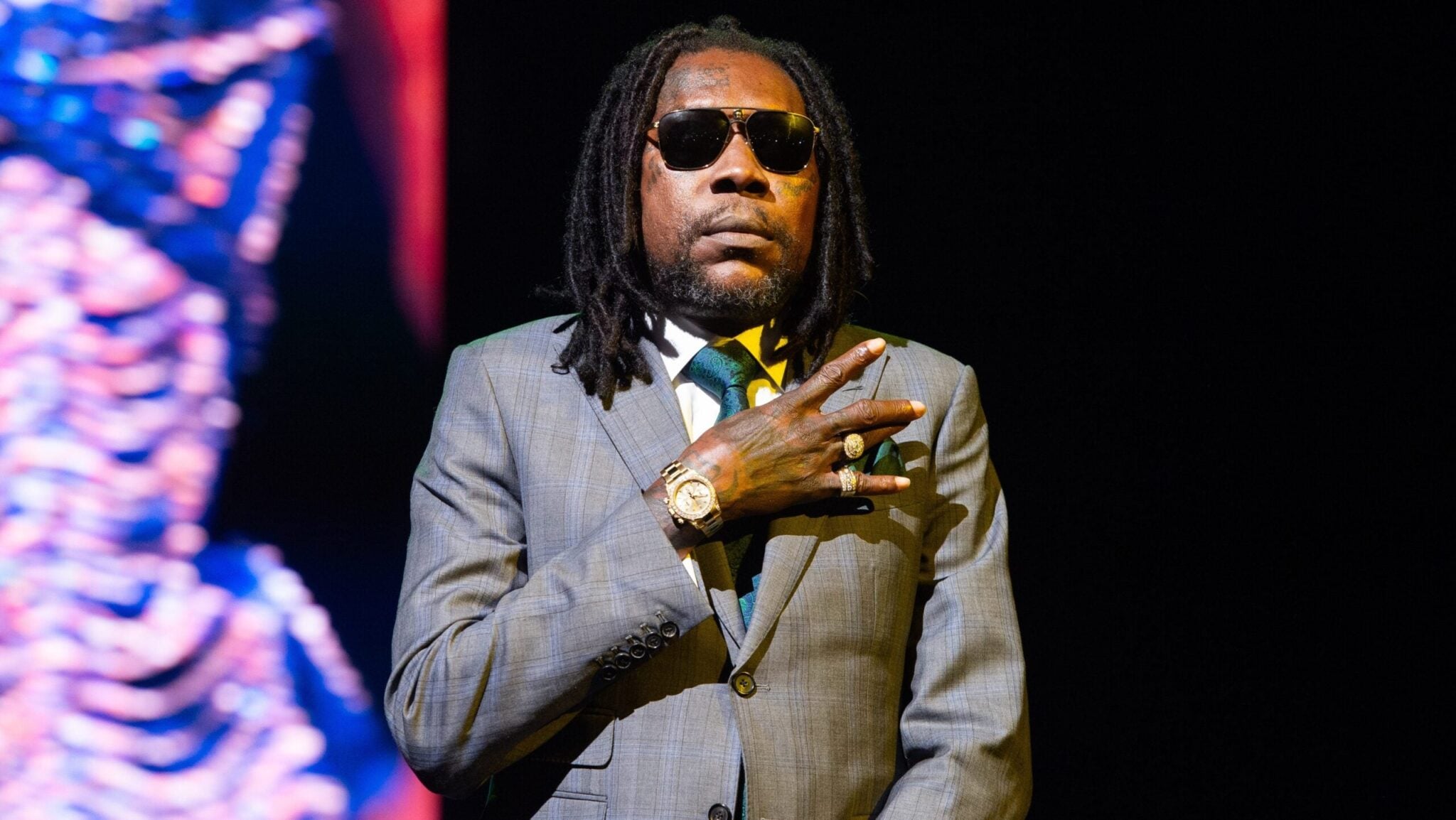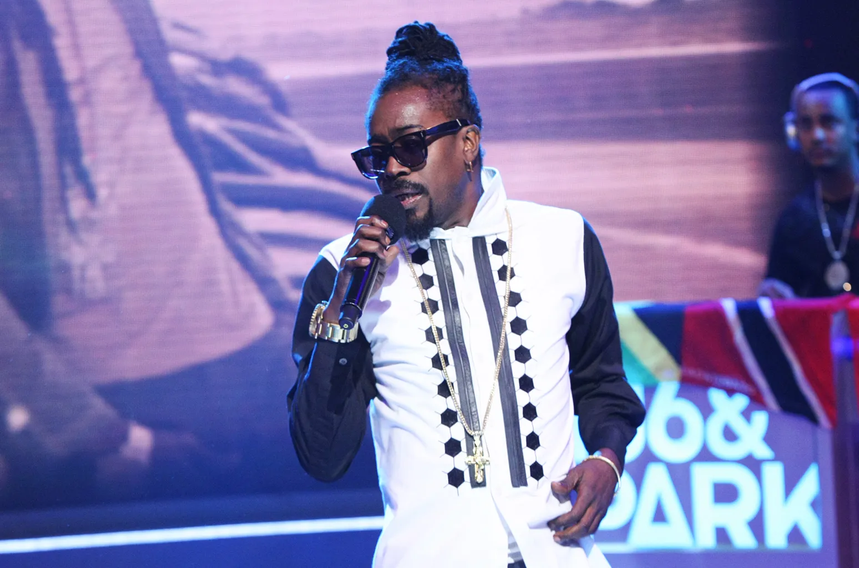

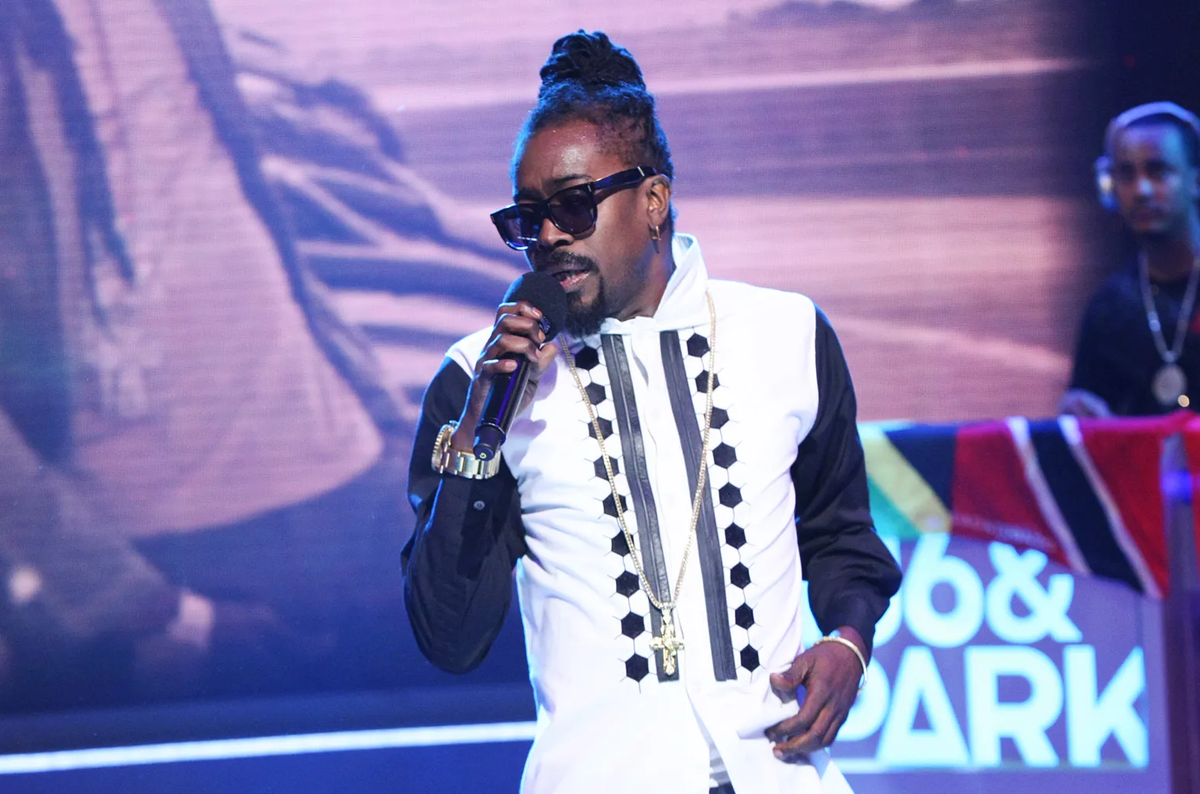
Beenie Man has traced his carnival slip-up back to one name: Byron Lee. In an Instagram post addressed directly to Trinidad and Tobago, the dancehall veteran admitted he “got the carnival history wrong,” saying he mixed up his memories of Lee’s contribution to carnival in Jamaica with the wider history of the festival.
“Trinidad and Tobago, let me clear this up with love,” the post opens. He follows it quickly with a plain admission and an apology, with no hedging or “sorry if you were offended” phrasing.
The tone is what stands out. Beenie Man writes that Trinidad’s carnival “has its own rich history, and I respect that,” and adds that while he “never intended to disrespect your people or culture,” he understands “why my comments caused offence.
That last line matters. It suggests he isn’t treating the backlash as an overreaction, and he goes further by thanking “everyone who corrected me.” He signs off with “Still learning, always love. One Caribbean,” alongside the Jamaican and Trinbagonian flags.
The confusion is easy to follow if you know Lee’s story. The late Jamaican bandleader, best known with Byron Lee and the Dragonaires, spent years immersed in Trinidad’s carnival and soca scene.
He is widely credited with helping to bring a Trinidad-style carnival to Jamaica, so for many Jamaicans of Beenie Man’s generation, carnival and Byron Lee are tightly linked.
That connection is also the source of the sensitivity. To people in Trinidad and Tobago, carnival isn’t an export someone else delivered. It’s a homegrown tradition with deep roots, and it carries heavy cultural weight there.
So there are two ways to read this moment. One is that a Jamaican star blurred the line between his own island’s carnival memories and the origins of something Trinidadians rightly claim as theirs.
The other is that his mistake shows how closely the two islands’ music and festival cultures have been tied together over the decades.
The post leans toward the second reading without dismissing the first. It owns the error and keeps the focus on shared regional identity.
The apology lands in a region where dancehall and soca artists regularly share stages, festival bills and fanbases.
Beenie Man has spent decades building a following across the Caribbean, and a Trinidad audience is not one he can afford to brush aside.
The post doesn’t spell out exactly what he originally said or where he said it. That leaves his own words as the clearest record of how the moment ended up.
Whether the apology fully settles things with the people who pushed back is still playing out in the comments and across social media.
For now, Beenie Man’s position is on record: he got it wrong, he heard the corrections, and he’s calling it one Caribbean.