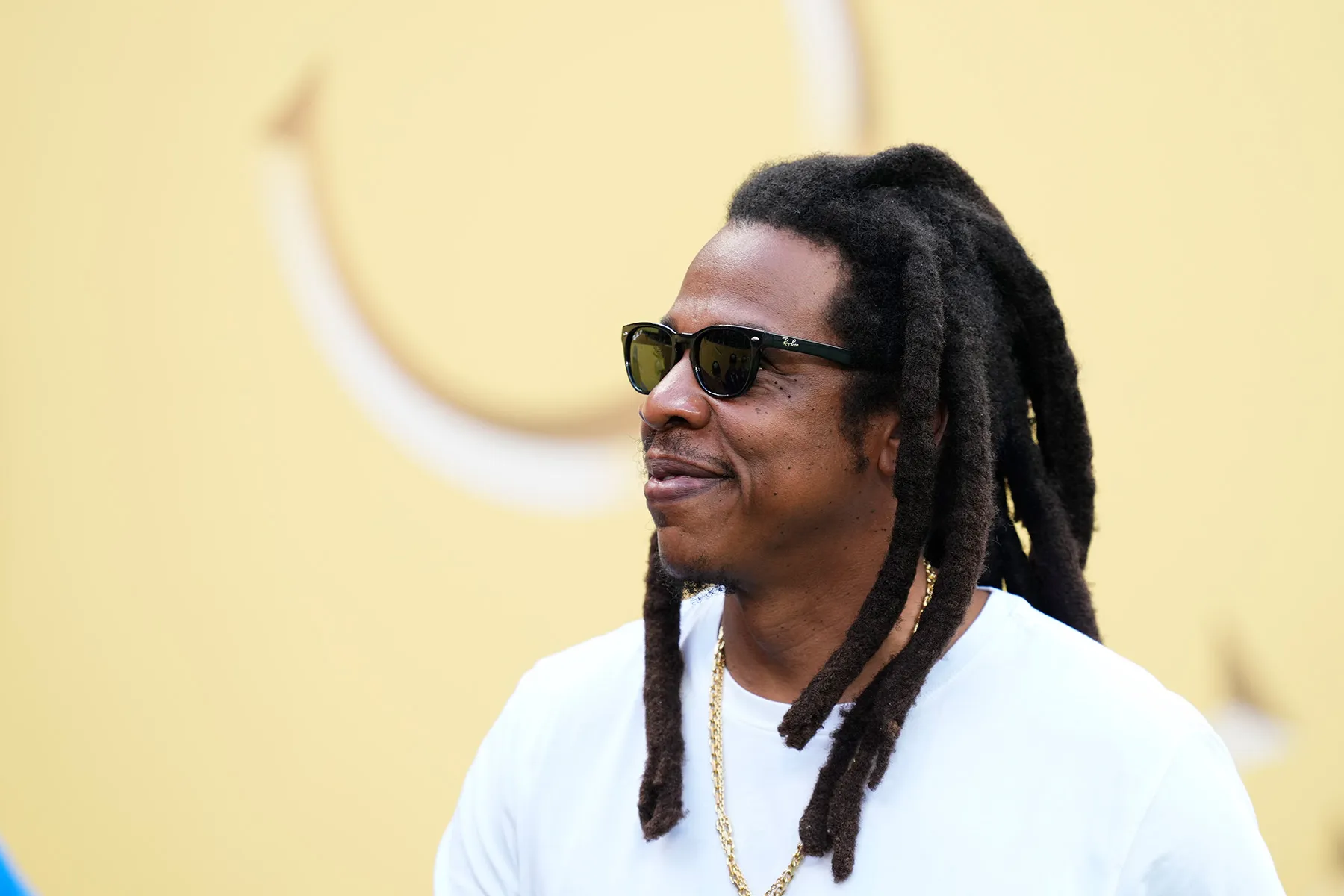


In the autumn of 1979, with the easy haze of Kaya still drifting out of speakers around the world, Bob Marley came back with his fists raised.
Survival, the Bob Marley album released on October 2, 1979, was the 11th studio set from Bob Marley and the Wailers. It remains the sharpest and most openly political record he ever made.
This is the record where Africa stops being a distant promised land and becomes a map, a flag and a plan of action.
Here is the story behind it: the trip to Ethiopia that seeded the songs, the sleeve that unsettled authorities, the riddims cut in Kingston, and the long road to UK gold more than four decades later.
From Black Survival to Survival
The roots of the album lie in 1978, when Marley made his first visit to Africa and stayed in Shashamane, Ethiopia.
Several of the songs that became Survival were written there. He returned to a Jamaica whose politics had left him disillusioned.
Some listeners also speculate that the album’s militant edge answered critics who found Kaya too laid-back and ganja-soaked.
The working title was Black Survival, chosen to stress how urgent African unity had become. It was trimmed to Survival so the theme could not be misread.
Marley saw the record as the first part of a trilogy, to be followed by Uprising (1980) and Confrontation (1983).
DiscoverMusic has called it as close as Marley came to a concept album, and the description fits. Every track presses on the same nerve.
Inside Tuff Gong
Survival was cut in January and February 1979 at Tuff Gong Recording Studio in Kingston. It followed the 1978 live set Babylon by Bus.
Production is credited to Bob Marley & The Wailers alongside Alex Sadkin, and the album came out on Island with a Tuff Gong disc label.
The playing has a lean, coiled tension. Carlton Barrett anchors the drums, and Carlton “Santa” Davis adds his weight to the sessions.

Junior Marvin and Earl “Chinna” Smith bring the guitars, with Smith also on percussion. Ronald “Nambo” Robinson’s trombone and Lee Jaffe’s harmonica add colour.
The rhythm section that had carried the Wailers around the world now sounds like it is marching.
A Sleeve Built Like a Manifesto
Neville Garrick’s art direction made the jacket a statement before the needle dropped. The cover carries the flags of African nations along with a diagram of a slave ship’s stowage compartment, a stark reminder of the Middle Passage set against the banners of independence.
Zimbabwe, then still Zimbabwe Rhodesia, appears through two political flags rather than a national one, because its liberation struggle was still under way.
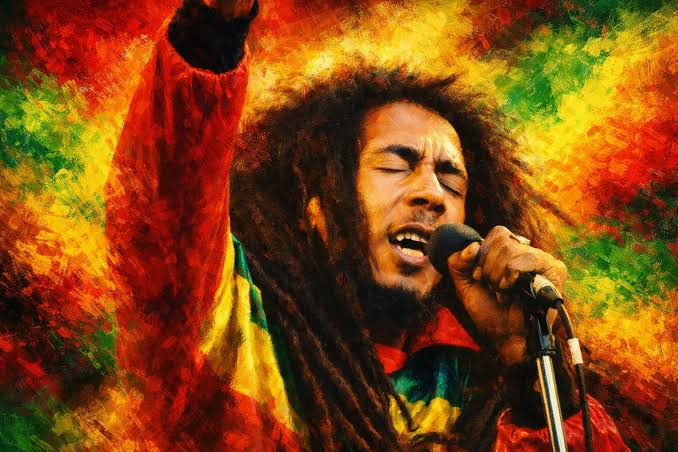
Pan-African Music describes it as the first record to show the flags of newly independent countries that North American audiences did not yet know.
An explanatory poster came with the album so fans could learn them. AllMusic notes that the jacket was controversial, and it is easy to see why.
The Songs
Side A runs “So Much Trouble in the World,” “Zimbabwe,” “Top Rankin’,” “Babylon System” and the title track.
Side B carries “Africa Unite,” “One Drop,” “Ride Natty Ride,” “Ambush in the Night” and “Wake Up and Live.” Marley is credited on every song, with Anthony Davis sharing the writing on “Wake Up and Live.
“Africa Unite” is the album’s heart, a direct call for Pan-African solidarity. “Zimbabwe” put a freedom struggle on the radio and soon outgrew the record.
“One Drop” is a lesson in its own name: Carlton Barrett plays the one drop rhythm with the beat landing on three, a reggae signature laid down in the groove itself. “
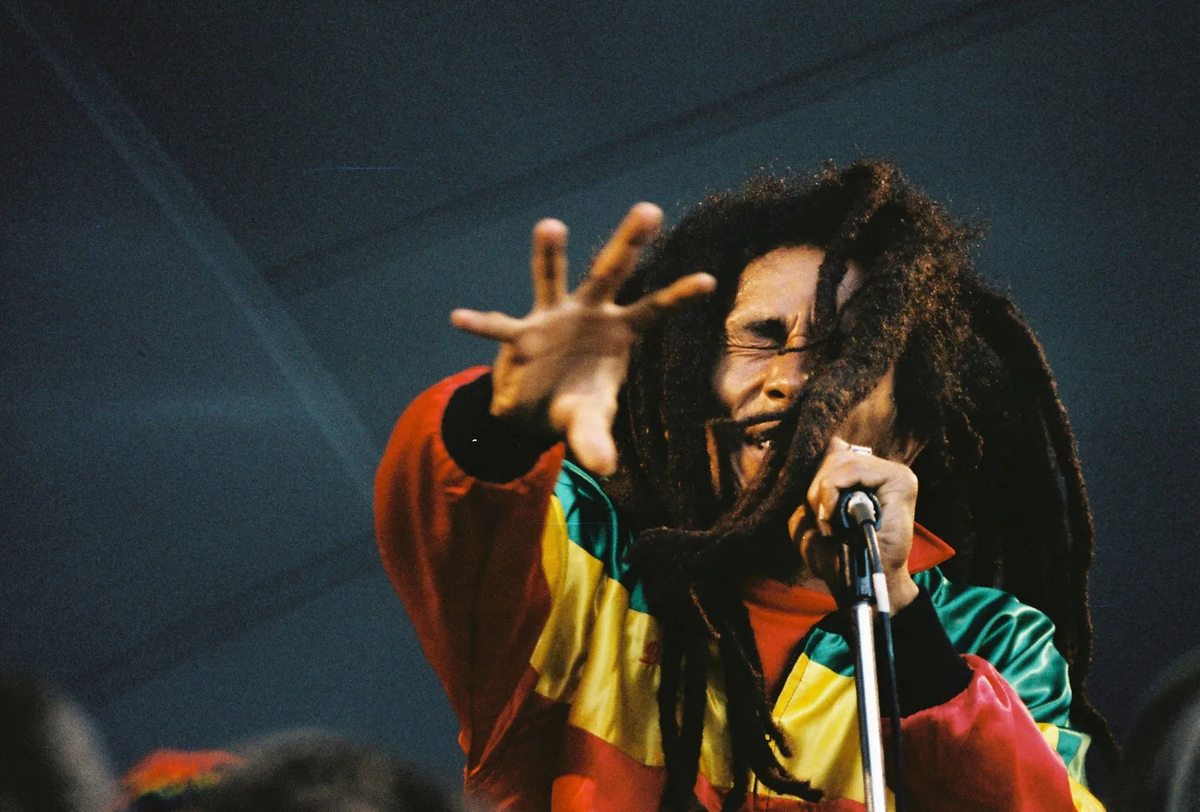
Ambush in the Night” turns to the 1976 attack on Marley’s life, and he closes it by crediting his survival to the power of the Almighty.
Collectors have their own stories with this record. Jamaican pressings list “Wake Up and Live” as the first track on the label, yet the side plays in a different order. Some Japanese and CD editions restore the title “Black Survival” to the title track.
Release, Charts and Resistance
“So Much Trouble in the World,” “Survival” and “Zimbabwe” were issued as singles. “So Much Trouble in the World” reached No. 56 on the UK Singles chart in 1979 and was later certified gold in New Zealand.
The album yielded no big hit singles, but it found its audience anyway. It peaked at No. 20 in the UK, No. 10 in Norway, No. 14 in New Zealand, No. 17 in Sweden and No. 32 in Australia.
In the United States it reached No. 70 on the Billboard 200 and No. 32 on the Top R&B Albums chart.
AllMusic’s Lindsay Planer later called it Marley’s most defiant and politically charged statement up to that point. The apartheid government in South Africa agreed in its own way and partly censored the album.
On the Road
The Survival tour opened on October 25, 1979, at the Apollo Theatre in Harlem with seven sold-out shows across four nights. A reggae revolutionary filled a Black American institution, carrying songs about Africa straight to the diaspora.
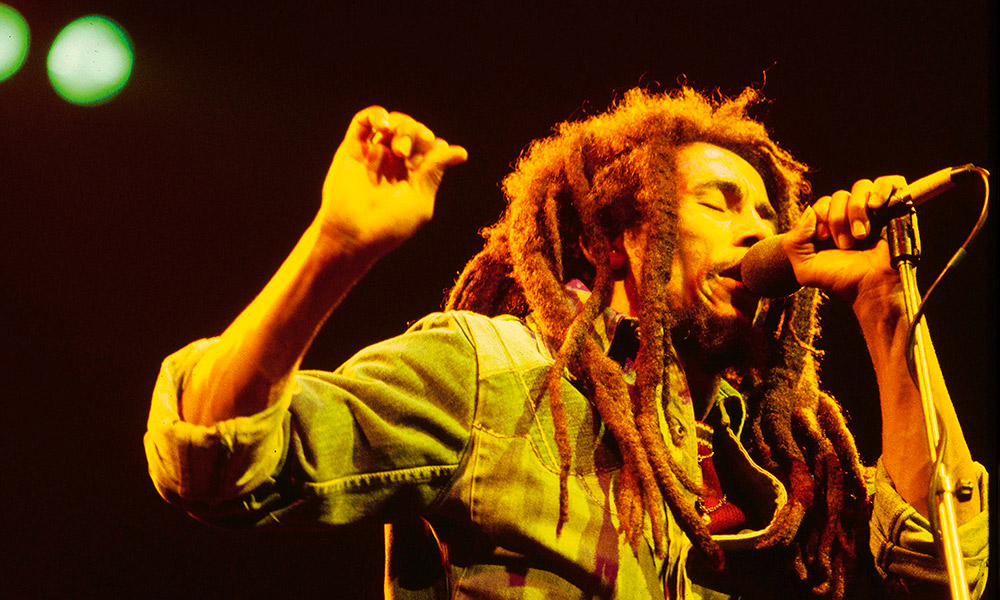
Within months the music reached its most fitting stage. “Zimbabwe” was performed at the country’s independence celebration in 1980, and the song is still regarded there as an unofficial national anthem. Few records have watched their prophecy come true so quickly.
Gold, Streams and a New Generation
Survival has kept moving. In July 2025 the BPI certified it gold in the UK for 100,000 units of sales plus streaming equivalent. It already held gold status in Canada and France and platinum in Spain.
Chartmasters estimates total sales of about six million. On Spotify, every track has passed two million streams and four have passed ten million.
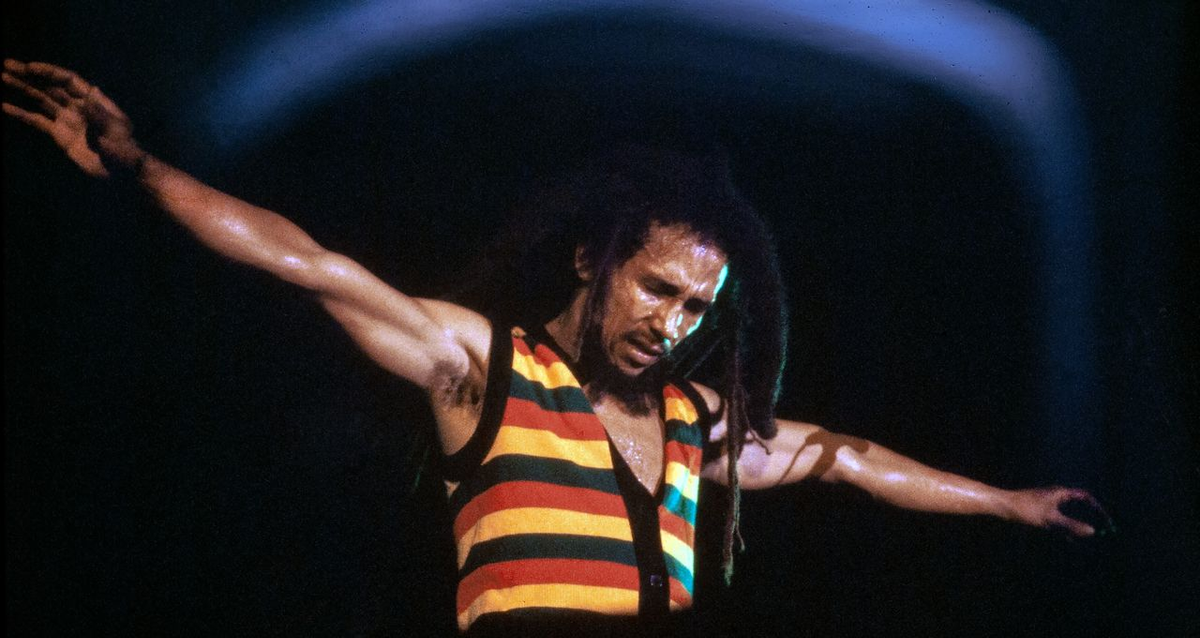
Younger listeners have reached it through new routes too. The 2023 afrobeats remix album Africa Unite took its name from the Survival single and went to No. 1 on Apple Music in Zimbabwe.
Vinyl collectors have had plenty of chances to own the record: a remastered US CD in 1990, a “Definitive Remasters” vinyl in 2001, a 180g “Back to Black” pressing in 2015, a clear 180g vinyl on November 22, 2019, and an Abbey Road half-speed master on November 20, 2020.
Why Survival Still Matters
Survival sits between the global triumph of Exodus and Kaya and the farewell of Uprising, the last studio album released in Marley’s lifetime. It is the moment he aimed his gifts squarely at a continent.
The album made Pan-Africanism something you could dance to, put unfamiliar flags in front of millions of record buyers, and gave a new nation a song to celebrate its freedom.
Nearly half a century on, the one drop still rolls, “Africa Unite” still rings out at rallies and festivals, and a UK gold plaque arrived in 2025 as if the world were still catching up. It is Marley at his most defiant, and it has not aged a day.