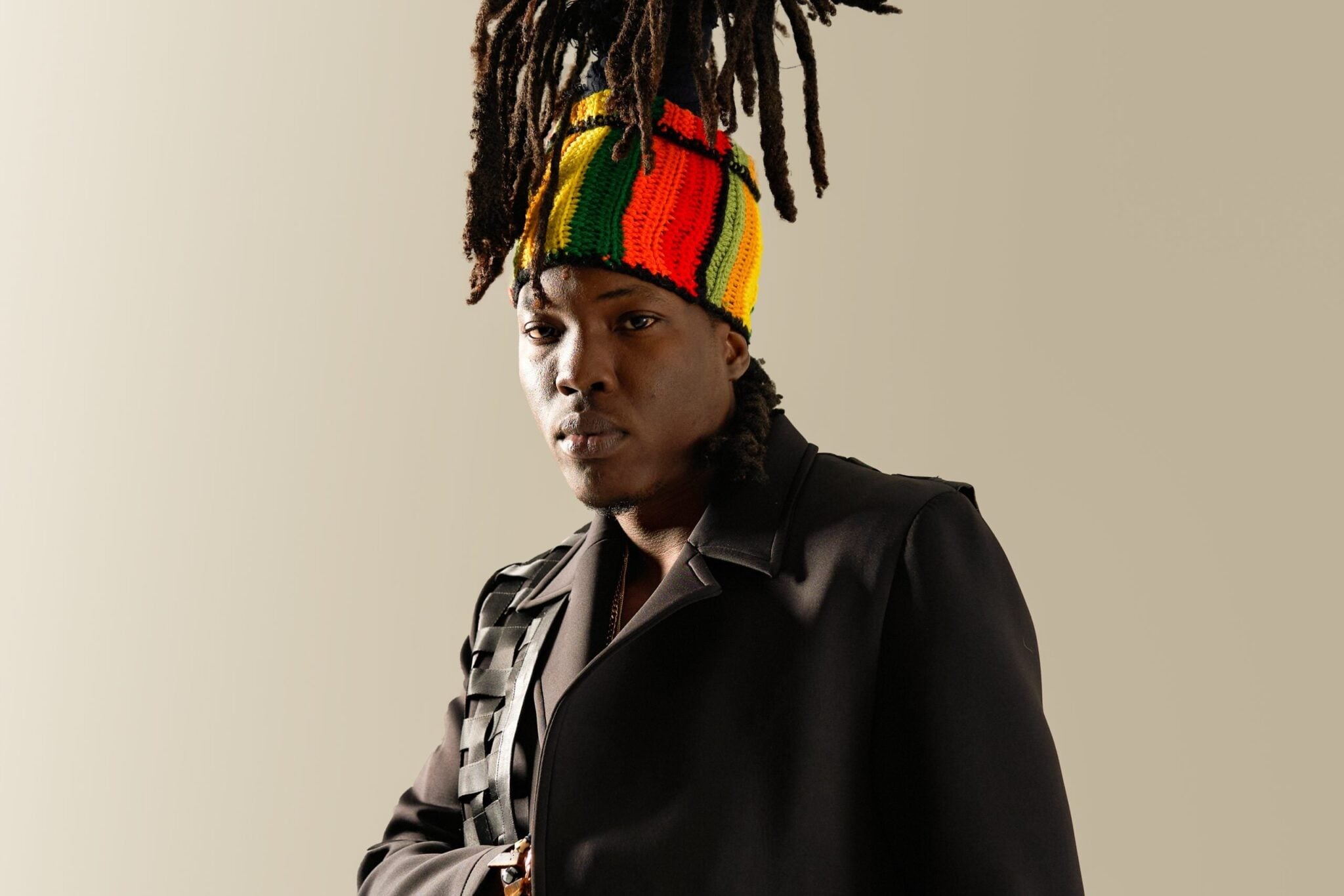
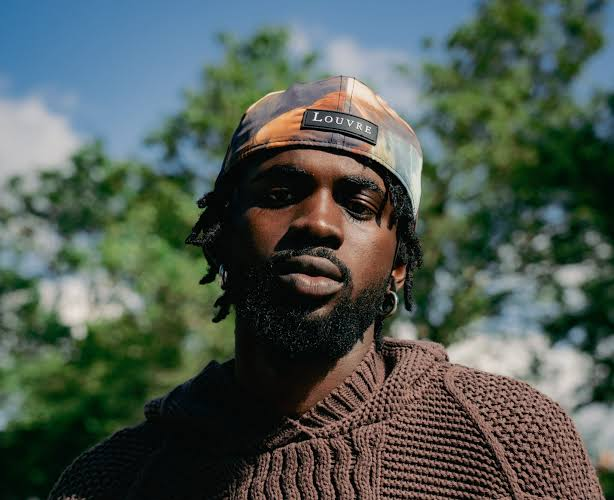
It was Kumar, not a recording, who brought “War Ina Babylon” back to life on the night Max Romeo received the Icon Award from the Jamaica Reggae Industry Association.
The singer, a friend and fellow reggae artist, performed the 1976 anthem in tribute while Romeo’s family stood in for the man himself.
Romeo’s wife, Charm Smith, and his daughter MariXana accepted the award on his behalf. The announcement came through Romeo’s own Facebook page, which described the honor as recognition of his “extraordinary impact on the reggae industry.”
The award lands months after Romeo’s death in April 2025 at the age of 80. For a lot of fans, seeing his name back in the headlines is bittersweet: an overdue institutional nod, but one he wasn’t there to collect.
Kumar’s song choice made sense. War Ina Babylon,” cut with Lee “Scratch” Perry and the Upsetters at the Black Ark and released on Island, is the record most people reach for when they talk about Romeo’s peak.
Its title track turned the tension of mid-’70s Kingston into something you could sing along to, and it still sounds pointed decades later.
Romeo’s career was never one note, though. Born Maxwell Livingston Smith, he first broke through internationally with “Wet Dream” in 1968, a cheeky rocksteady single that climbed the UK charts despite a BBC ban.
A few years later he swung hard toward conscious material with “Let the Power Fall,” a song that became closely tied to Michael Manley’s 1972 election campaign.
That split shows up in how people remember him. Older listeners in the UK often bring up the risqué hits that first put him on radio. Roots fans tend to treat everything before the Black Ark sessions as a warm-up for the serious work.
Then there’s the generation that found him without knowing it. “Chase the Devil,” also from the “War Ina Babylon” album, was sampled by The Prodigy on “Out of Space” and later on Jay-Z’s “Lucifer,” which carried Romeo’s voice into rave and hip-hop circles far from Kingston.
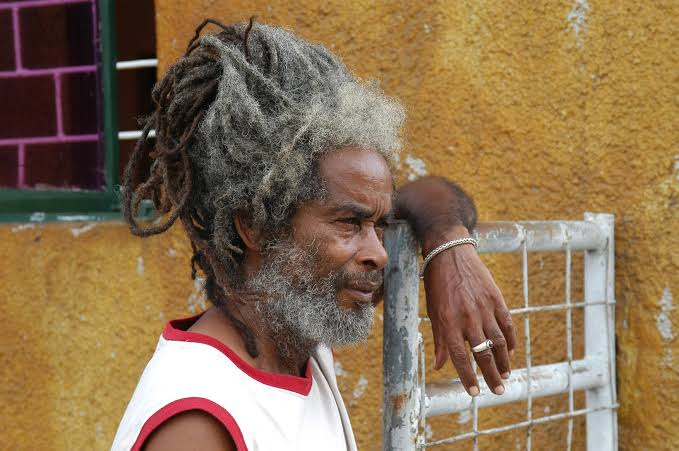
Kumar, best known as the former frontman of Raging Fyah before going solo, represents a different kind of continuity.
His generation of roots-leaning Jamaican artists grew up with Romeo’s catalog as a reference point, and choosing to sing his song rather than simply speak about him gave the tribute some weight.
JaRIA’s honors traditionally arrive during Reggae Month, when the industry takes stock of the people who built the genre’s foundation.
Romeo’s family now carries that recognition forward. With MariXana active in music herself, the next chapter of the Romeo name may still be getting written.