
Ask any selector to name the essential dancehall documentaries and watch them pause. Reggae has a well-stocked shelf of revered films, most of them circling Bob Marley and the roots era.
The music that took over Kingston’s lawns and street dances from the early 1980s onward has been strangely underserved on screen. For a genre this loud, that quiet is striking.
The films do exist if you know where to dig. Some follow dancers, some chase unpaid royalties, and one tracks a deejay right up to a courtroom.
As one producer told Billboard, “Dancehall is such a small genre from a small country that has an enormously outsized impact globally.”
These twelve documentaries mix dancehall’s sharpest portraits with the reggae classics that explain where it came from, and together they show how that impact happened.
1. “Bam Bam: The Sister Nancy Story” (2024)
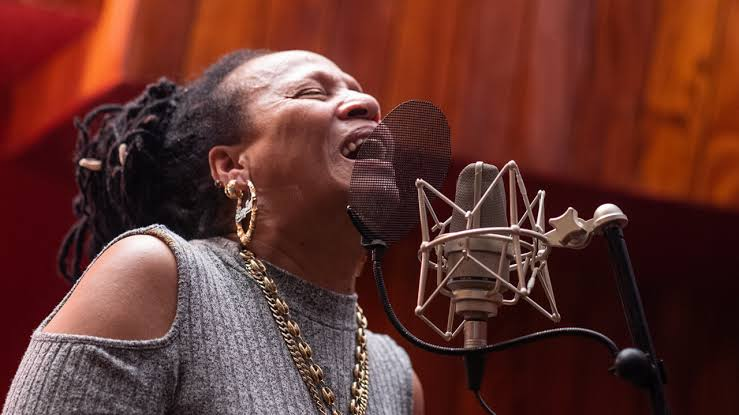
No film has done more for a dancehall pioneer than Alison Duke’s portrait of Sister Nancy. Tribeca called “Bam Bam” dancehall’s most sampled song, interpolated more than 80 times, and that tune is the hook.
The heart of the film, though, is Nancy’s long fight for the royalties she was owed. Kool Herc, Pete Rock, Janelle Monáe, Sister Carol, Queen Ifrica and Tony Rebel all speak in it.
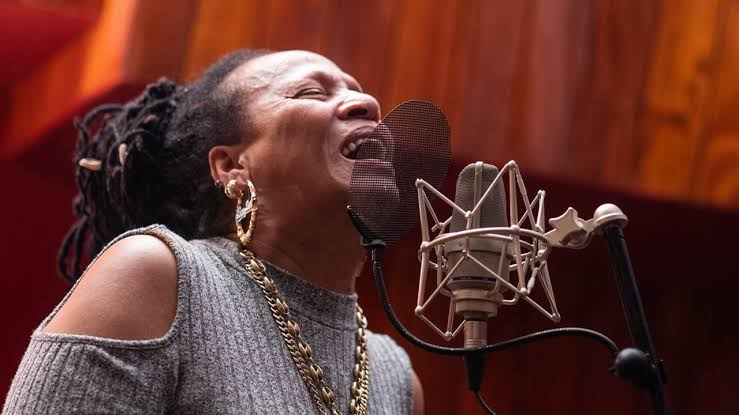
The film premiered at Tribeca in June 2024. At the 2026 Canadian Screen Awards it won for Duke’s direction, Orin Isaacs’ original music, Eugene Weis’ editing, and for writing and sound.
2. “Marley” (2012)
Kevin Macdonald’s film is the one every reggae fan eventually lands on, and it is widely treated as the definitive Bob Marley documentary.
It belongs on a dancehall list because no deejay or sound system culture exists without the global doors Marley pushed open.
Macdonald treats the life as an epic, moving from Trench Town to the world stage. He keeps the music at the centre, so the film works as a primer for newcomers and a deep listen for longtime fans.
3. “Stepping Razor: Red X” (1992)
If “Marley” is the hymn, this is the warning shot. Wayne Jobson wrote and produced this Peter Tosh documentary, and it carries all of Tosh’s bite and defiance. The film earned Jobson a Genie nomination and won Best Documentary at the Jamaican Film Festival.
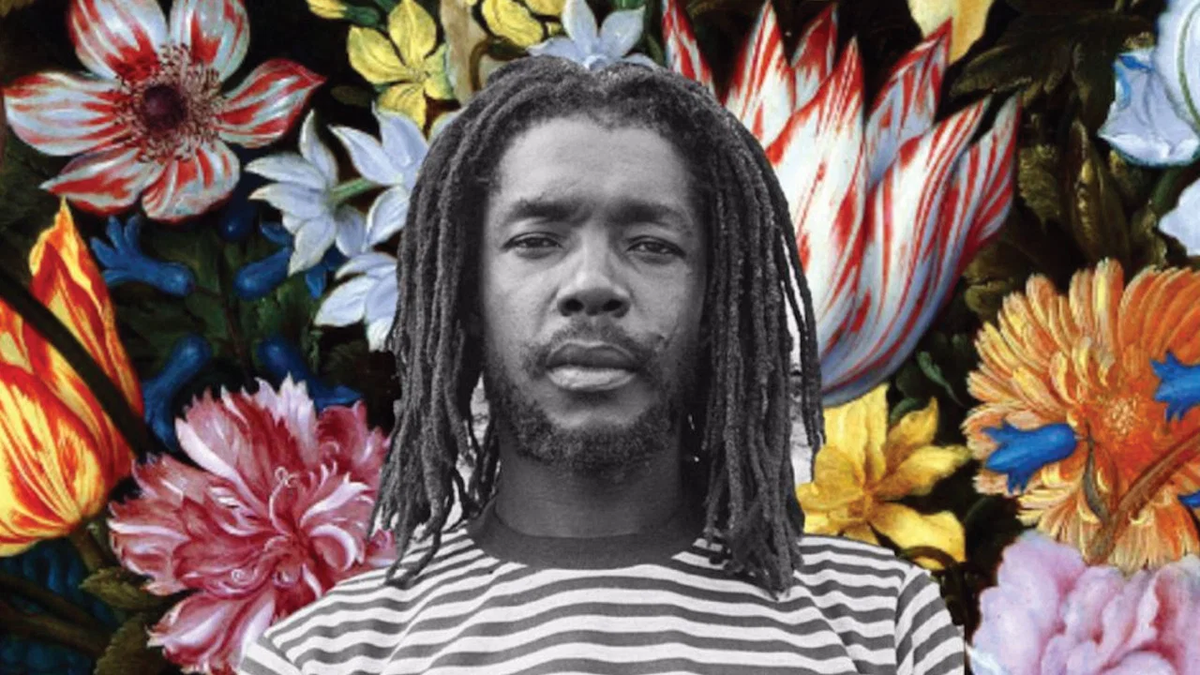
It is a portrait of the Wailer who would not soften for anybody, and his refusal to bow to the system later became a basic posture for many dancehall artists.
4. “Rise Up” (2007)
Luciano Blotta pointed his camera at the hustle most music films skip: artists outside the industry trying to get in.
Turbulence, Kemoy and Ice Anastasia carry the story as they push from Jamaica’s underground toward the mainstream, and every rejection hits hard.
The film screened at IDFA and Hot Docs and won Best Music Documentary at the AFI/Discovery Channel Silverdocs festival.
Nearly two decades later, its picture of talent fighting a narrow pipeline still describes the scene today.
5. “It’s All About Dancing: A Jamaican Dance-U-Mentary” (2006)
Jason “Jay Will” Williams made the film dancehall’s dancers had long deserved, and he had Ding Dong host it.
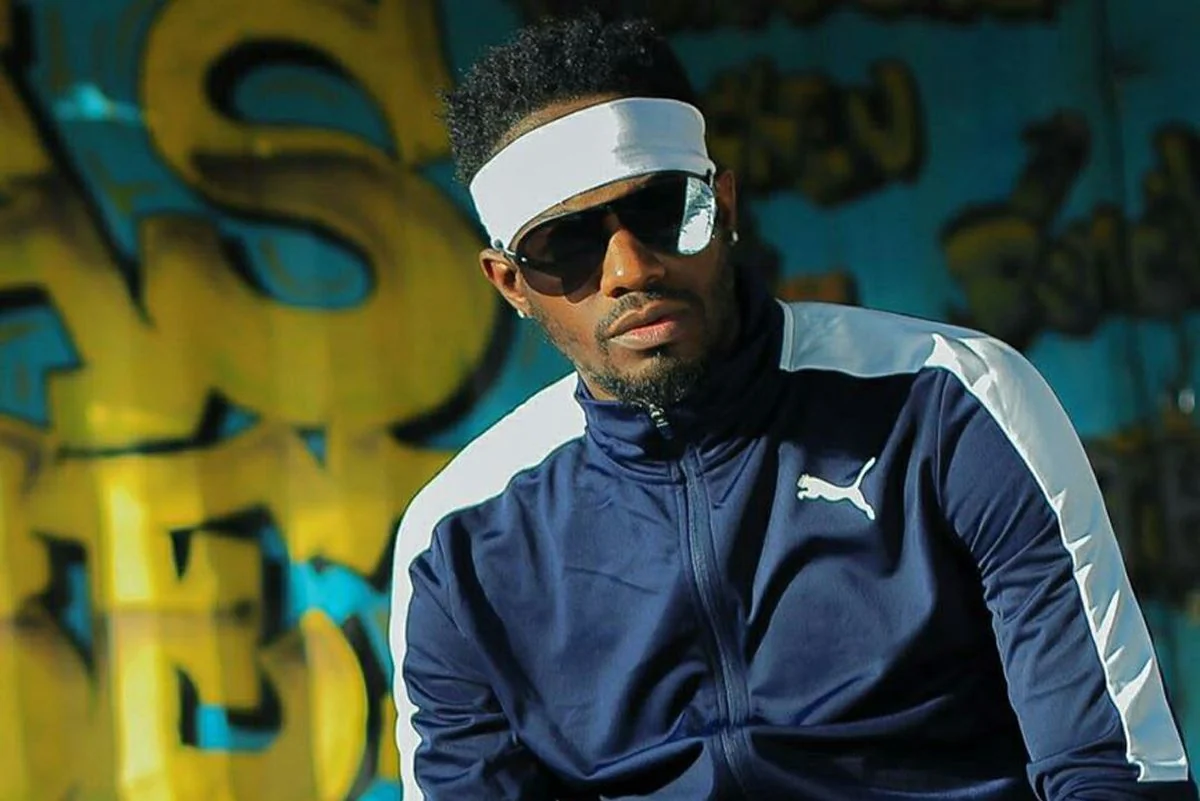
Beenie Man, Elephant Man, Vybz Kartel, Sizzla and Sean Paul all appear, which marks the film as a time capsule of the mid-2000s, when every big tune came with a move attached.
It is dedicated to Gerald “Bogle” Levy, the dancer who was shot dead on January 20, 2005. That dedication gives the film’s joy a sharp edge of grief.
6. “Bruk Out! A Dancehall Queen Documentary” (2017)
Six women from Japan, Italy, America, Poland, Spain and Jamaica train for the International Dancehall Queen competition, and the result is one of the warmest films on this list.
The filmmaker said the aim was to do for dancehall what “Rize” did for krumping, and the energy lives up to that ambition.
Beenie Man, Elephant Man, Konshens, Mr Vegas and Major Lazer offer commentary. Mad Michelle, Latonya Style and Queen Latesha show what reigning looks like. The film debuted at Sheffield Doc/Fest.
7. “Toots and the Maytals: Reggae Got Soul” (2011)
George Scott’s 59-minute tribute premiered on the BBC and makes a strong case for Toots Hibbert as one of the great voices of the twentieth century.
Eric Clapton, Keith Richards, Jimmy Cliff, Bonnie Raitt, Willie Nelson, Marcia Griffiths and Paolo Nutini line up to pay respects.
Chris Blackwell described Toots as “sensational, raw and dynamic,” and the archival footage proves him right. Few performers moved as easily between gospel fire and sound system grit.
8. “Vybz Kartel: Dark Star” (2014)
Television Jamaica aired this 50-minute documentary in April 2014, only days before Kartel received his life sentence, and that timing gives it an uneasy charge.
The film maps the clashes that defined an era: Ninjaman, Assassin, Spragga Benz, Bounty Killer and the Alliance, and of course Mavado.
It is less a polished profile than a record of a rivalry-driven decade. It remains essential viewing for anyone trying to understand how the Worl Boss came to dominate the culture.
9. “Deep Roots Music” (1982)
This six-part Channel 4 series, narrated by Mikey Dread, arrived just as dancehall was taking shape. That makes it a rare view of the ground the new sound grew from.
It covers the lineage of Jamaican music with an insider’s ear, and Mikey Dread’s voice gives it the feel of a radio broadcast.
For crate diggers it is close to scripture: patient and rooted, and full of faces that never made the glossier histories.
10. “Rocksteady: The Roots of Reggae” (2009)
Stascha Bader’s film covers the brief, golden window of 1966 to 1969, when ska slowed down, the bass stepped forward and Jamaican harmony singing reached its peak.
Rocksteady is the hinge between ska’s rush and reggae’s sway, and the riddims cut in that era still power dancehall to this day.
Anyone who has heard a classic rhythm revived on a modern session will recognise the DNA. Bader honours the veterans while they can still tell the story themselves.
11. “Life and Debt” (2001)
Stephanie Black’s film is not a music documentary, yet it explains the conditions that shaped Jamaican music better than most.
It looks at how debt and global economic policy squeezed Jamaica, and those are the same pressures that filled the dances and sharpened the lyrics.
In October 2026 it opened Jamaica’s NUFF festival with a 25th-anniversary screening, which shows how firmly it still holds its place. Watch it, then put on any conscious tune from the era and hear it differently.
12. “Beats of the Heart: Roots Rock Reggae” (1977)
Chris Austin and Jeremy Marre follow reggae a long way from Kingston, into South Africa under apartheid.
There, Jamaican rhythms and lyrics of resistance became a lifeline. The film is a reminder that the music’s global reach did not begin with streaming numbers.
Reggae was travelling as protest decades before dancehall riddims began crossing borders. It is an essential, if often overlooked, chapter in the story of a small island’s huge voice.
Why These Films Still Matter
Watched together, these films trace one unbroken line. It runs from rocksteady harmonies and Tosh’s fury through to dancers who made Bogle’s moves famous and a deejay whose sample sits under half of hip hop. Reggae got its monuments early.
Dancehall is still collecting its own, which is why “Bam Bam” landing at Tribeca and winning awards feels like such a breakthrough.
More may be coming. A Vybz Kartel documentary series and feature film were announced as in development alongside his “Worl Boss” podcast.
Until those arrive, this list is your syllabus. The music’s outsized impact has always been easy to hear, and these films let you see the people behind it.