
Stand close enough to the speaker boxes at a sound clash and you’ll hear the moment it happens.
A selector pulls a tune the whole dance knows, the needle drops, and the singer is suddenly bawling out the name of the sound playing it, then telling the rival to pack up and go home. The lawn erupts.
So what is a dubplate? At its root, it is an acetate disc, usually 10 inches across, that studios cut to test a recording before mastering and pressing.
In sound system culture it became something far more powerful: an exclusive version of a song, often personalised for the sound, selector or DJ who commissioned it.
Jamaicans called it a “special” long before “dubplate” took over. Whatever you call it, it has been the ammunition of the clash for decades.
From Test Pressing to Secret Weapon
Exclusivity has driven Jamaican sound systems since they first strung up speakers in the late 1940s. Early on, that meant getting local musicians to record a song for one sound only.
From the late 1950s, as multi-track recording reached the island, the game shifted to exclusive mixes cut onto acetate.
Producers had their own reasons to love the format. Before pressing hundreds or thousands of copies, they could hand a fresh cut to a sound system, let the dance hear it, and watch the reaction. A dubplate was market research with a bassline.
The name itself carries the story. A “dub”, meaning a version or mix, gets cut straight onto a “plate”, the disc.
The plate is a lacquer-coated aluminium disc, the same material used as an intermediate stage in commercial record manufacturing. It was never built to last.
A dubplate might give you roughly fifty plays before the grooves start to give out, a hundred if you’re lucky. That fragility was part of the magic. The tune existed in one place, on one box, for a limited time.
The Ruddy Redwood Legend
Every culture needs a creation myth, and dub has a great one. The tale is usually set in 1967 or 1968. Rudolph “Ruddy” Redwood, owner of Supreme Ruler of Sound, went to Duke Reid’s Treasure Isle studio to cut a dubplate of The Paragons’ “On The Beach.”
Engineer Byron “Smithy” Smith left the vocal off by mistake, and Redwood walked out with a bare instrumental.
He played it at a dance anyway, his deejay Wassy toasting over the rhythm, and the crowd went wild.
Some tellings move the scene into the early 70s, and the true origin has long since dissolved into folklore. It survives because it explains so much about where version sides and dub came from.
Redwood was a serious collector either way. Dennis Alcapone remembered him turning up at Coxsone’s studio every week, buying everything recorded and cutting it to acetate for exclusive play on his sound.
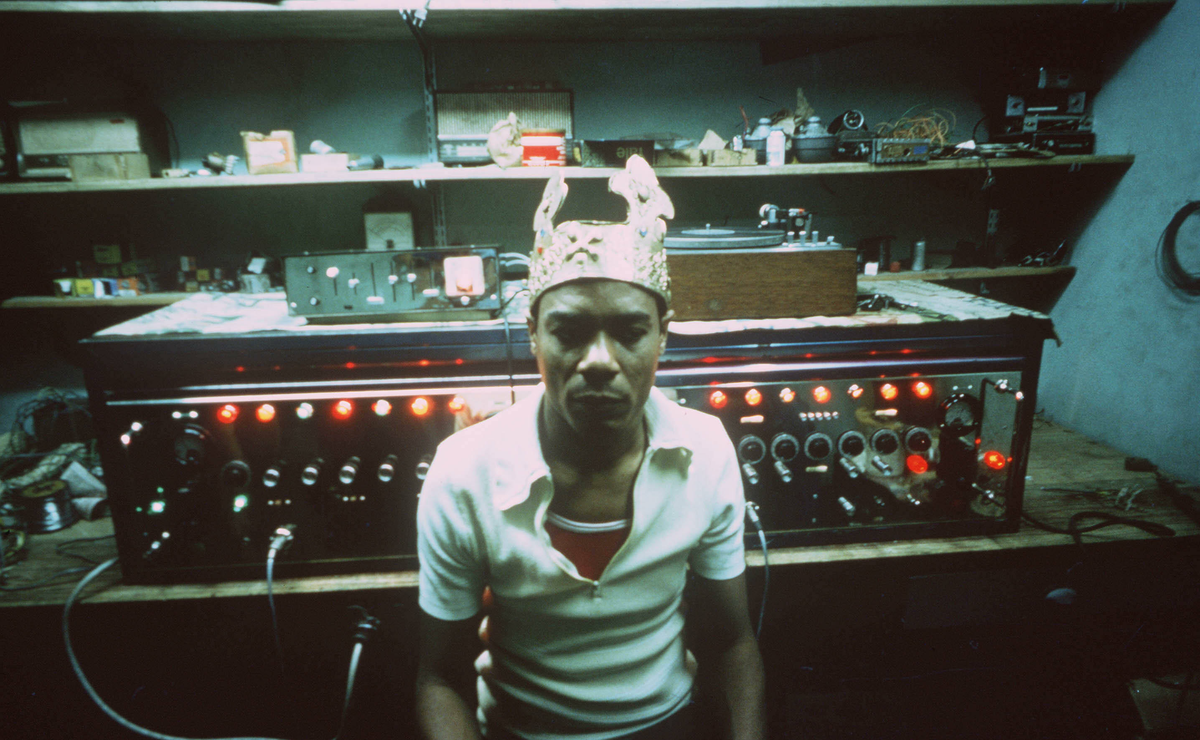
Others credit the first dubplates to King Tubby, along with sounds like Lloyd Coxsone and Killamanjaro. Tubby formed his Hometown Hi-Fi in 1968, and its exclusive music was mixed and cut to acetate by the man himself.
Mikey Dread put it simply: “King Tubby truly understood sound in a scientific sense.” A Tubby protégé speaking to the Gleaner in 2019 recalled Johnny Clarke songs that were exclusive to Tubby’s sound even without the sound’s name in them. “It wasn’t called a special in those days,” he said.
The Special: Name Checks and Killer Lyrics
The special as dancehall knows it is a re-recorded song that shouts out the home sound and, more often than not, cuts down the opposition.
Picture a big artist taking one of their own hits and reworking the words to exalt one selector or bury another. Putting the sound’s name into the lyrics had a practical side too.
A tune that announced a particular sound system was much harder for a producer to release commercially.
Some specials have become dancehall scripture. The late Tenor Saw voiced “Golden Hen” for David Rodigan, a dub built to eliminate Barry G in a Brooklyn clash.
The format has even pulled in pop royalty: Diplo convinced Madonna to voice a special of “La Isla Bonita” with lyrics designed to slaughter an unnamed opponent.
How Dubplates Decide a Clash
A clash is a tournament with rules, and dubplates sit at the centre of them. At the 2009 Guinness clash, sounds played a 15-minute juggling round each, then a “tune fe tune” round of commercial releases, then “dub-fe-dub”, alternating specials made for the sound playing them.
Play a dubplate on a riddim that has already been used in the clash and you risk disqualification. In two-sound clashes, the outcome comes down to 10 dubplates played tune for tune, no matter who dominated the rest of the night.
You can hold the crowd for hours and still lose it all at the end if your box of specials runs thin. That’s why a sound like Killamanjaro became famous as much for its deep collection of classic reggae dubplates as for its clashes. The box was the arsenal.
The Price of Exclusivity
Exclusivity costs. Sounds have long paid artists to lock down sole use of a dub, and depending on the artist’s popularity or the rarity of the cut, a single dubplate can run to a few thousand dollars.
For many singers this has been a genuine lifeline. Black Scorpio’s Maurice “Jack Scorpio” Johnson has pointed out that elder artistes who never earned much from their records started earning through dubplates.
Artists know their worth, too: Jah Cure once told sound operators on social media to come with only “good figures” when requesting a dub.
Today the trade is openly commercial. Agencies such as PantaSon advertise personalised dancehall dubs carrying your sound system’s name, with quick turnaround.
The economics have a downside, and Rodigan has been blunt about it. “By the early 90s many selectors had specials with prominent artists saying their sound’s name,” he told Billboard, adding that after that, clashing was almost exclusively about playing dub plates, which eliminated sounds that couldn’t afford them. In his view, the reliance on dubs has held the clashing world back.
Across the Water: Dubplates in the UK
Sounds like Sir Coxsone Sound carried the dubplate to Britain, where it became the backbone of UK dance culture, feeding reggae and later jungle, drum and bass, UK garage, grime and dubstep.
The earliest UK reggae cutting took place in Barnes, South West London, where John Hassell and his wife ran a studio from their house.
In the 80s and 90s, Music House in North London and JTS in East London became the two biggest names, with Transition joining the roll call later.
The cutting house was a social space. Tracks played out loud as they were cut, so everyone in the room heard everyone else’s new music.
Producers would bring tunes on DAT tape, have them cut, and spin them that weekend or even that same night.
Dubplates in the Digital Age
Digital files killed the need for a physical medium, and in the UK scenes dubplates largely retreated to their sound system roots.
In Jamaica they never really left. Selectors still cut specials naming rivals or persuade a veteran singer to call their sound at the top of an anthem.
The word itself now covers digital files as well as acetates. Veak’s Bandcamp release “Dubplate Supplier Presents: Soundclash Materials Vol1,” out February 5, 2026, shows the tradition still finding new formats.
For crate diggers, compilations like “King Tubbys Presents: Soundclash Dubplate Style,” featuring Gregory Isaacs‘ “The Ruler” and Johnny Osbourne’s “Line Up,” offer a taste of the old firepower.
Why the Dubplate Still Matters
Strip away the acetate and the aluminium and a dubplate is a simple idea: a song made for one sound and nobody else.
That idea built careers, paid veteran singers, settled grudges in front of screaming crowds and, if you believe the Redwood story, helped give the world dub and the remix itself.
It also raised hard questions about money and fairness that still hang over clash culture.
Whether it lives on a fragile 10-inch disc or a file on a laptop, the dubplate remains what it has always been on the lawn: proof that your sound had something the other side could never touch.