

Tracking the biggest dancehall hits by year is as close to a complete history of Jamaican popular music as any single document can get.
From the raw, live-instrument rub-a-dub sessions of the early 1980s through the digital revolution, the crossover era, and the streaming age, each year has produced at least one record that stopped dances cold, broke selectors’ records, and defined where the genre was heading next.
What follows is an era-by-era guide to those landmark tracks, grounded in documented history and critical consensus. Where chart data is not publicly available for a given year, the selection reflects the weight of recorded critical and historical assessment.
How to Read This List
Dancehall does not have one central chart authority for its entire history. Jamaica’s own charts, UK reggae charts, the Billboard Reggae Albums chart, and more recently streaming dashboards have all served as partial measures at different times.
For years before reliable chart documentation, the tracks selected here are those that multiple reputable sources identify as the defining or most widely played records of their moment.
Where a single year produced several strong contenders, the track with the clearest historical fingerprint is chosen.
The 1980s: From Rub-a-Dub to Digital Revolution
The late 1970s and early 1980s saw a raw, gritty evolution of reggae music that focused on stripped-down rhythms, often performed in dance halls rather than on big sound stages.
The first half of the decade saw a continuation of the traditional dancehall sound, which featured singers and deejays singing and chatting, or “toasting,” over live instrumentation. That would change dramatically by mid-decade.
General Echo was among the most influential early dancehall deejays, and “Arleen” circulated widely as one of the defining records of the turn-of-the-decade sound system culture. His work is included among the 100 best dancehall songs of the 1980s by historians of the era.
Unique and eccentric, Eek-A-Mouse’s style redefined what a deejay could sound like. “Wa Do Dem” was released on the Volcano label in 1981 and became one of the most recognizable records of early digital-adjacent dancehall, establishing Eek-A-Mouse as a singular figure in the genre.
One of the most sampled riddims and songs from dancehall has to be “Bam Bam.” Released in 1982 on the Stalag riddim, it became a cornerstone of sound system culture.
The likes of Jay-Z and Kanye West have both borrowed from the “Stalag” riddim, and Sister Nancy has commented that she was oblivious to its full impact until her daughter told her about it when it was featured in the 1998 film Belly, featuring DMX.
Yellowman had success as a recording artist working with producer Henry “Junjo” Lawes during the early 1980s, and in 1981 he became the first dancehall artist to be signed to a major American label, Columbia Records.
By 1983, he dropped “Zungguzungguguzungguzeng,” a playful and influential classic that shaped sound system culture. His first studio album was released in 1982 entitled Mister Yellowman, followed by Zungguzungguguzungguzeng in 1983, earning instant success.
“Diseases” by Michigan and Smiley was released on the Volcano label in 1982, though it continued to circulate as one of the most-played records at sound system events deep into 1983 and 1984. It stands as one of the era’s most widely cited records of the pre-digital dancehall period.
No entry on this list requires less justification. “Under Me Sleng Teng” is one of the best-known singles of the 1980s and the track often credited with kickstarting the entire digital dancehall genre.
They released “Under Mi Sleng Teng” as a single in February 1985, and it was an immediate sensation at soundclash events and on radio.
King Jammy’s biggest hit was 1985’s “Under Me Sleng Teng” by Wayne Smith, with an entirely digital rhythm hook, and many credit this song as being the first “digital riddim” in reggae, leading to the modern dancehall era. The riddim would eventually be used in over 500 songs.
“Punaany” by Admiral Bailey was released on Jammy’s Records in 1986. Another classic from King Jammy’s label, from 1986, “Punaany” made a mark as one of the most talked-about records of the post-Sleng Teng digital wave, extending Jammy’s dominance over the dancehall landscape for a second consecutive year.
Smooth, melodic, and filled with charm, Cocoa Tea was the sound of lovers’ reggae in the dancehall era, and “Rocking Dolly” was his standout record of the year, beloved on sound systems across Jamaica and the UK.
Shabba’s reign over dancehall in the late 1980s and early 1990s is undeniable. His “Needle Eye Pum Pum” is listed among the essential dancehall songs of the 1980s by historians of the era, and it announced Shabba as the next dominant force in the genre.
“Rikers Island” by Cocoa Tea was released on Greensleeves Records in 1990, though it first broke on sound systems in late 1989 and became one of the most replayed records at the turn of the decade, cementing Cocoa Tea’s place as one of the era’s most consistent hitmakers.
The 1990s: Crossover, Controversy, and the Rise of the Singjay
The 1990s brought global attention to dancehall for the first time, driven by a combination of crossover ambition, the singjay format, and artists whose personalities were as large as their riddims.
“Mr. Loverman” by Shabba Ranks is a defining hit that brought dancehall into international charts. Shabba Ranks was one of the first dancehall artists to achieve genuine mainstream crossover success, and this record is the clearest document of why.
Shabba’s streak was essentially unbroken in the early 1990s. When his album X-Tra Naked was released, Shabba Ranks was at the top of his game.
Known as the “GRAMMY Kid,” he had already won his first of two golden gramophones in 1992. “Trailer Load a Girls” was the record that best captured his dominance heading into that Grammy-winning period.
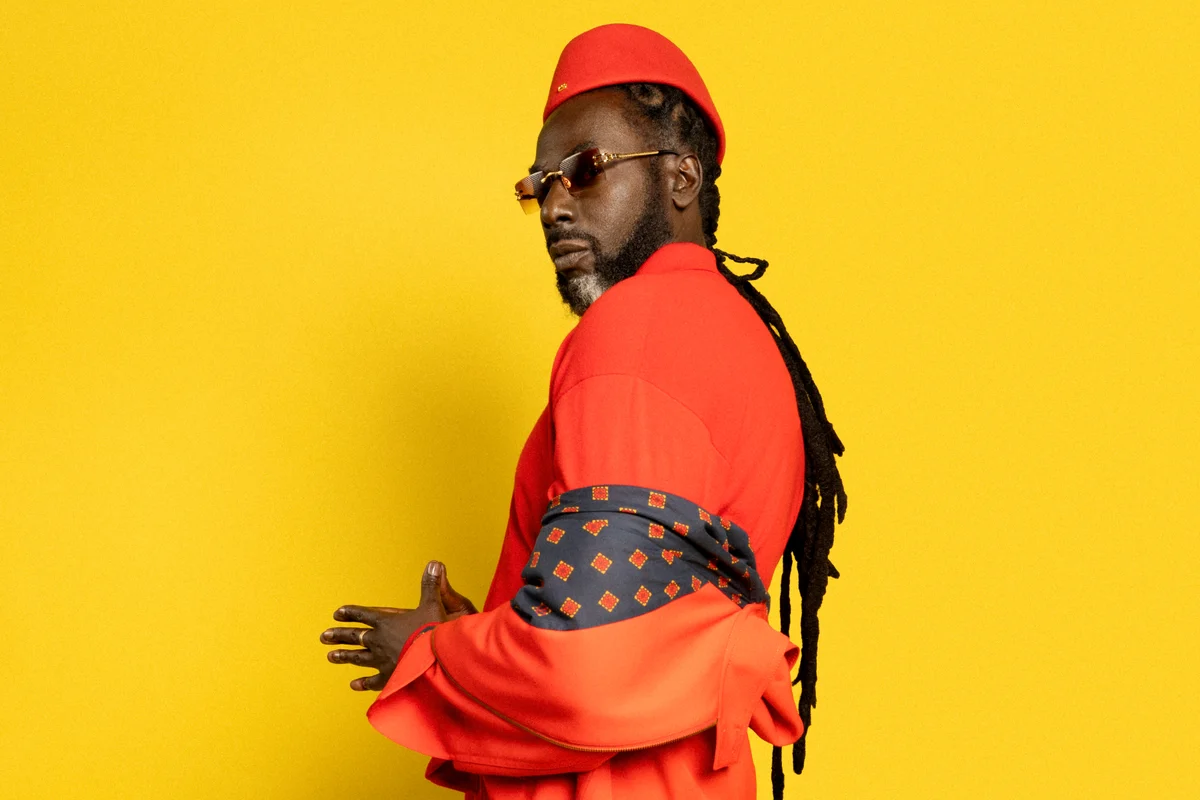
Buju Banton had major chart success in 1992, with “Bogle” and “Love Me Browning,” both massive hits in Jamaica. “1992 was an explosive year for Banton as he broke Bob Marley’s record for the greatest total number of number one singles in a year.
“Bogle,” a tribute to the legendary Jamaican street dancer of the same name, was the record that generated the most cultural energy that year.
“Murder She Wrote” by Chaka Demus and Pliers is almost impossible to hear without immediately sensing that the party is about to start.
It is that kind of record, reliable, urgent, and engineered for maximum dancefloor effect. The combination of a gravel-voiced deejay with a smooth singer became the decade’s defining format.
“You Don’t Love Me (No No No)” by Dawn Penn was a landmark record of 1994. The track, a re-recording of Penn’s 1967 original, became a global crossover hit and introduced dancehall’s connection to old-school rocksteady to a new generation of international listeners.
Shaggy’s “Boombastic,” released in 1995, is one of dancehall’s most recognizable crossover moments and introduced the genre’s lovers’ rock-adjacent warmth to a global pop audience.
Shaggy’s light, comedic approach to the genre gave it a commercial appeal that reached audiences far beyond the Caribbean diaspora, and “Boombastic” remains one of the most recognizable dancehall-adjacent hits of the decade.
Beenie Man took another step up the ladder in 1996, releasing the seminal Maestro, produced by Patrick Roberts, which shot him to UK fame. The title track anchored one of the most important albums of the mid-1990s dancehall era.
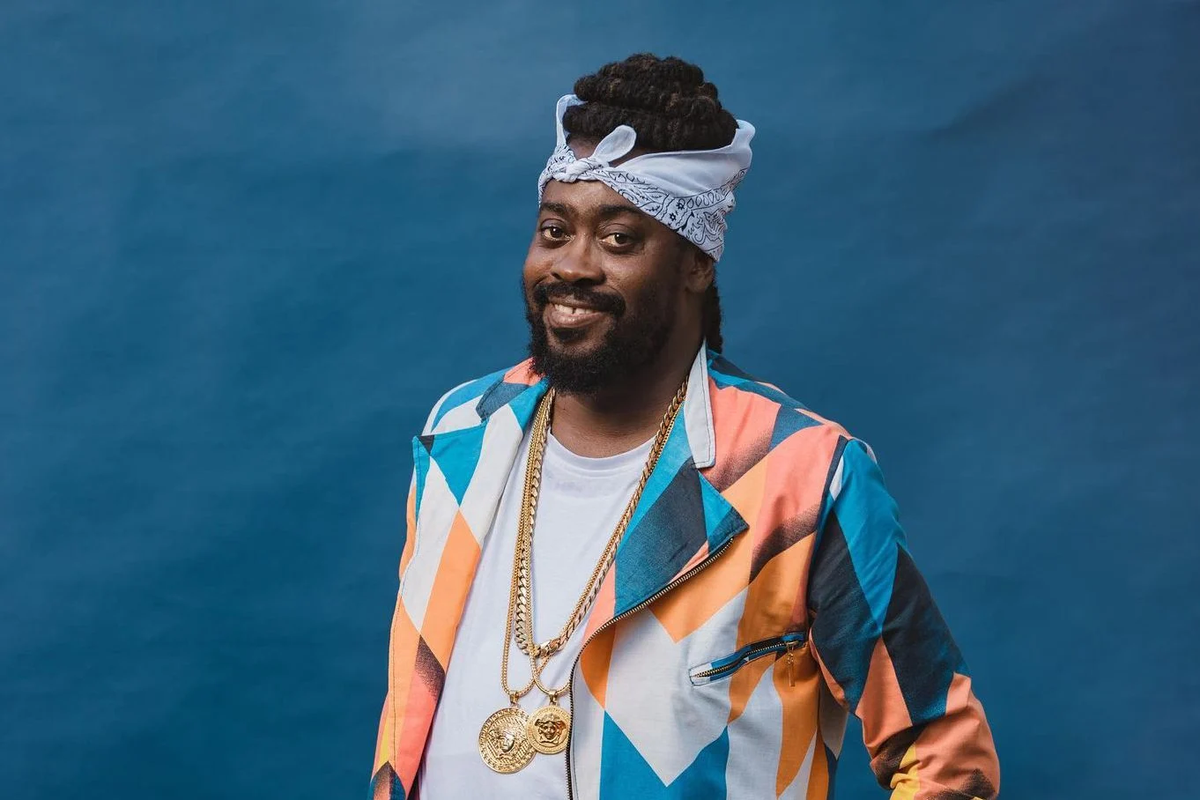
“Who Am I (Sim Simma)” by Beenie Man is a signature anthem that helped define modern dancehall identity. This was the track that put Beenie Man on the global map.
He recorded “Who Am I” and the single quickly went Gold. The same year, Beenie Man topped the Jamaican singles chart with seven different singles.
“Heads High” by Mr. Vegas is a foundational dancehall anthem of the late 1990s, built on a riddim so insistent that it is almost physically impossible to stand still while it plays. It became a universal selector’s weapon and remains one of the most reloaded records in sound system history.
The late 1990s belonged to Bounty and Beenie. Bounty Killer’s relentless output in 1999 made him the dominant force at year’s end, with a string of hard-edged records that kept the genre grounded in its Jamaican roots even as crossover sounds pulled it outward.
The 2000s: Global Crossover and the Kartel Ascent
During the period from the mid to late 1990s, Beenie Man dominated the Jamaican charts to the extent that he perhaps had a good claim to the crown of “Dancehall King.” “Girls Dem Sugar,” his collaboration with American R&B singer Mya, carried that momentum into the new decade and became one of the genre’s most successful crossover records of the early 2000s.
Elephant Man was the king of dance-driven anthems in the early 2000s, and “Pon Di River, Pon Di Bank” generated one of the most replicated choreographic moments in dancehall’s history of that period.
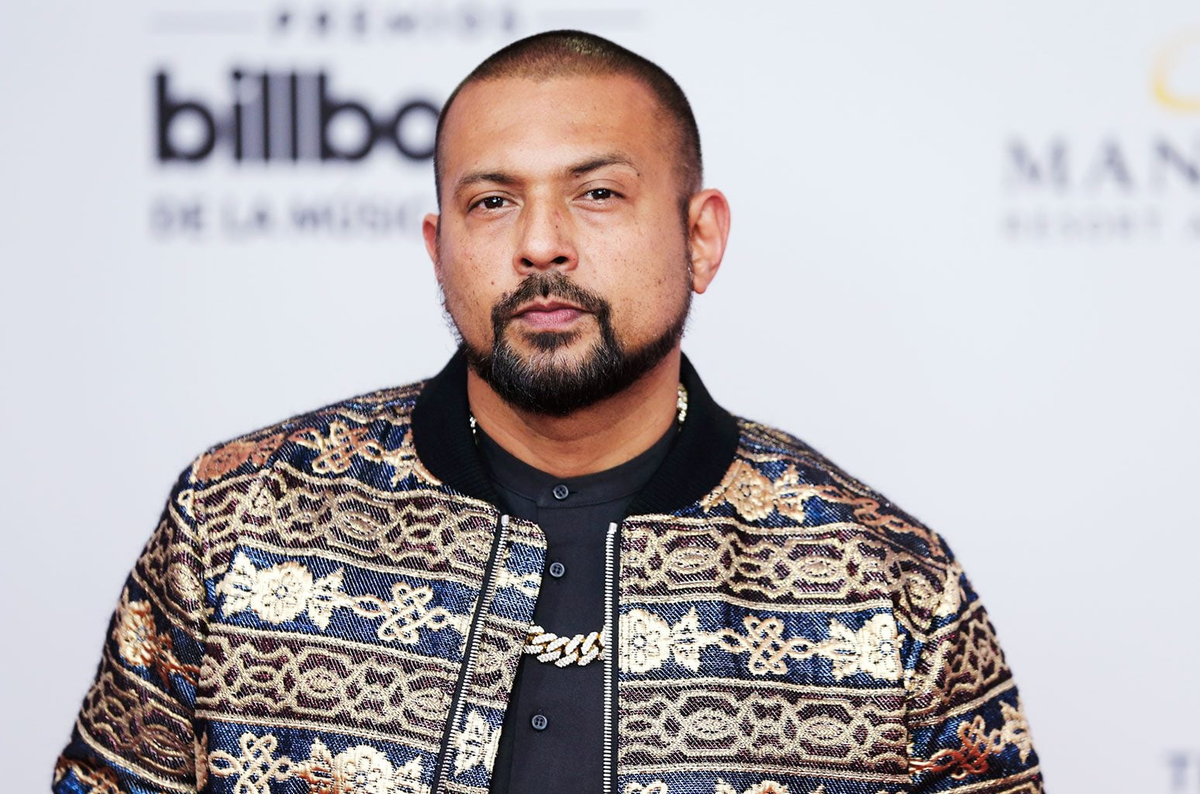
Sean Paul’s “Gimme the Light” had a hold over the early 2000s that was near-impossible to explain unless you were there.
It peaked at number 7 on the Billboard Hot 100 Chart and also became a top-twenty hit in Canada, the Netherlands, and the United Kingdom, proving that dancehall riddims needed no translation.
“Get Busy” ended up topping the Billboard Hot 100, making it Sean Paul’s first number-one hit, and it was also the first ever dancehall song to top that chart. Spending 32 weeks on the Hot 100 and peaking at number one, “Get Busy” almost instantly became a party anthem when it was released.
Two major factors ignited Kartel’s mainstream ascent in 2003 and into 2004: the release of his debut album, Up 2 Di Time, and a contentious clash with Ninjaman at Sting, Jamaica’s longest-running one-night-only reggae and dancehall showcase.
At the time, Sean Paul was leading the early 2000s stateside dancehall crossover wave, but Kartel’s gritty “gun tunes” and X-rated “gyal tunes” were a far cry from the sugary-sweet riddims that made their way to top 40 radio.
Mavado emerged as the primary rival to Kartel mid-decade. In the mid-2000s, Kartel formed Portmore Empire, also known as Gaza, and his Gaza vs. Gully rivalry with Mavado was one of the most defining cultural moments in Jamaican music history.
“So Special” was Mavado’s breakout statement that established him as a genuine threat to Kartel’s dominance.
Konshens built a loyal following through consistent, crowd-ready anthems in the mid-2000s. “Gal A Bubble” is among his most renowned hits and represents the melodic, feel-good current that ran alongside the harder street sounds of the Gaza era.
By 2007, Kartel and Bounty Killer’s rivalry was as much a cultural event as a musical one. Bounty Killer’s “Books” circulated as one of the most discussed records of the year on Jamaican sound systems.
Vybz Kartel and Spice’s “Romping Shop” debuted on the Billboard Hot 100 Singles chart, establishing the template for explicit, unapologetic female dancehall that Spice would push further in her solo work.
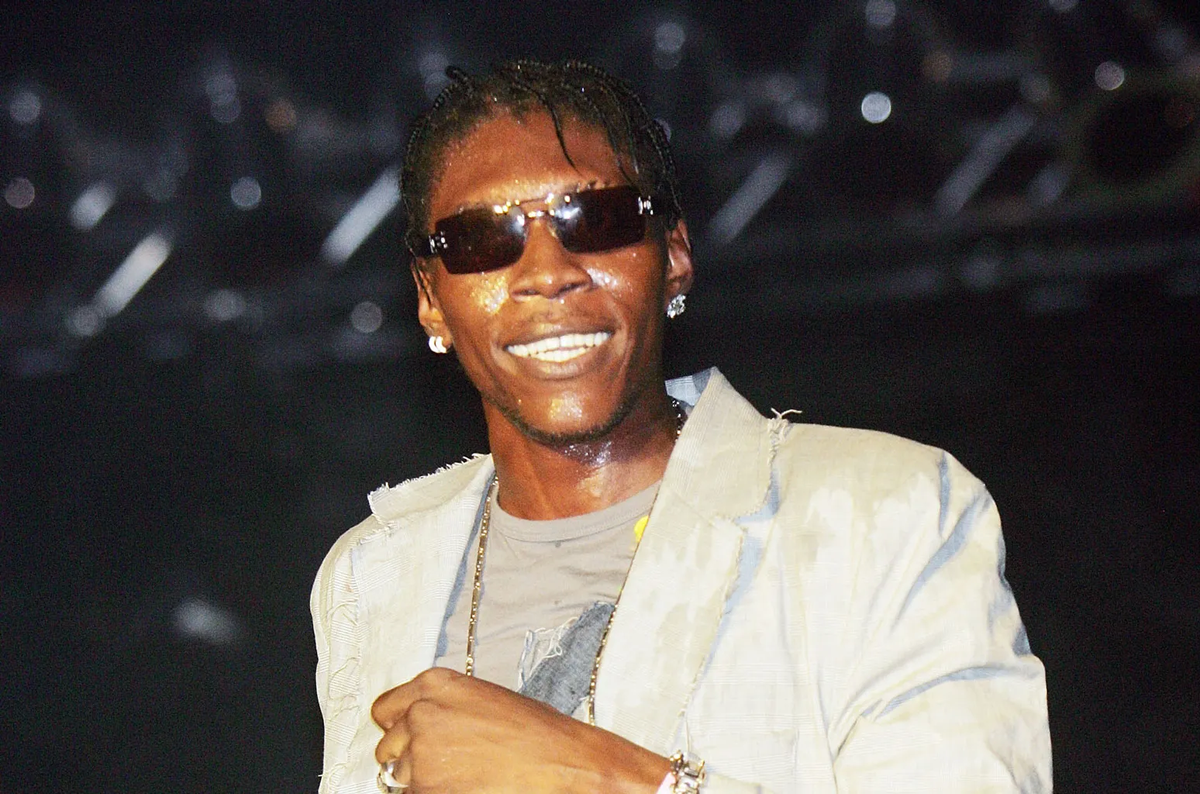
In “Clarks,” featuring Popcaan and Gaza Slim, Kartel showcased his love for the popular British footwear brand, which has a long-standing relationship with reggae dancehall music. The track is also a masterclass in how dancehall turns brand loyalty into cultural code.
The 2010s: Kartel’s Shadow and a New Generation
Kartel’s singles include “Dancehall Hero” in 2010. His confrontational delivery and melodic range made him one of the defining artists of mid-2010s dancehall.
Few artists in any genre have so thoroughly dominated a period as Kartel did the years from roughly 2008 to 2014.
Kartel’s “Summer Time” in 2011 became one of his most widely played party records, blending his provocative lyrical style with a production that was melodically open enough to reach across audiences well beyond hardcore dancehall circles. Even after his 2011 arrest, Kartel continued to define the genre from prison.
Popcaan began ruling the dancehall scene in his early 20s and first became known when he collaborated with Vybz Kartel on “Clarks” in 2009. By 2012, recording independently, “Only Man She Want” established him as a solo force capable of carrying the genre forward.
Alkaline’s emergence in 2013 signaled the arrival of the next generational shift in dancehall. Alkaline is one of the best dancehall artists, using Kartel’s style as an inspiration while forging his own identity. “Killy Killy” was his breakout statement on the local sound system circuit.
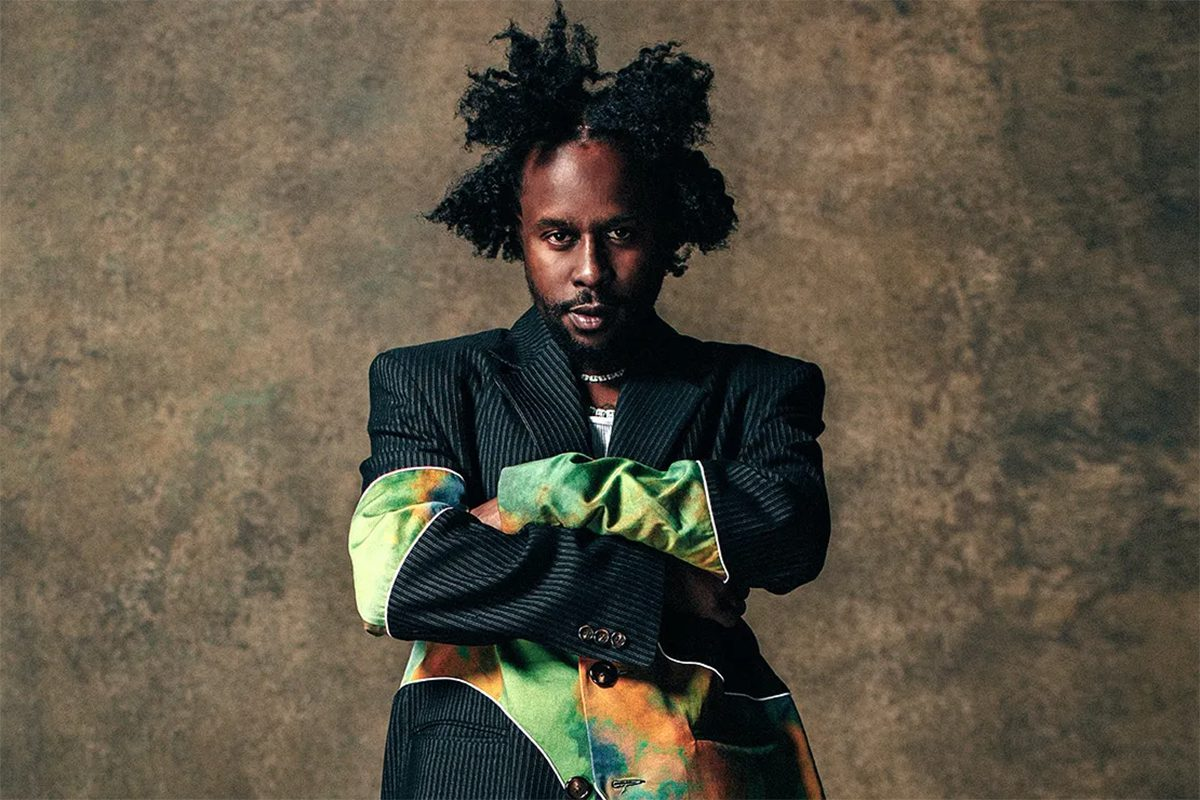
Popcaan’s 2014 debut album Where We Come From produced a string of anthems, with “Everything Nice” generating the most sustained radio and selector play.
Popcaan’s Where We Come From (2014) is one of the reliable next chapters for anyone exploring the genre in depth.
Mavado’s mid-decade resurgence produced several impactful records. His 2015 output kept the Gully side of the legendary rivalry culturally alive.
While incarcerated, Kartel clandestinely recorded, with the help of an iPad and his producer, Linton “TJ” White, a litany of projects, including 2016’s King of the Dancehall, which spawned “Fever,” arguably the biggest dancehall crossover hit of the latter 2010s. “
Fever” entered two Billboard airplay charts and has earned over 104 million official on-demand U.S. streams, a win for Jamaica in a year when non-Jamaican artists such as Drake and Justin Bieber had propelled dancehall back onto top 40 radio.
Popcaan’s consistency throughout the latter half of the decade made him dancehall’s most reliably dominant figure, and “Firm and Strong” was his calling card of 2017.
Koffee’s emergence in 2018 was one of the genre’s most exciting stories of the decade. Her debut single announced an artist with a distinctly roots-influenced approach to a new generation of dancehall production.
Koffee’s “Toast” became the year’s undeniable anthem, earning her significant international attention and helping position her as the genre’s most globally visible new artist at the close of the decade.
The 2020s: Streaming, Trap Influences, and Vybz Kartel’s Return
Skillibeng closed out 2020 with the biggest song of the year in “Crocodile Teeth.” The signature hit has amassed over 49 million Spotify streams as of November 2025, with a remix featuring Nicki Minaj that has exceeded 69 million YouTube views.
Spice’s “triple S” collaboration with Shaggy and Sean Paul had an undeniable chokehold on summer 2021. “Go Down Deh’s” chant-like chorus and infectious beat were just the right formula to have the song spending several weeks atop the reggae charts, making it the most broadly enjoyed dancehall record of that year.
Skillibeng won Best Caribbean Music Act at the 2022 MOBO Awards, beating out Spice, Koffee, Shenseea, Sean Paul, and Popcaan.
In 2022, he secured a record deal with RCA Records and Eastsyde Records, with “Whap Whap” serving as the commercial cornerstone of his breakout year.
Jamaican music had an impressive showing in 2023, with artists including Valiant emerging as one of the year’s most-watched new names. “Dunce Cheque” generated some of the highest streaming numbers of any Jamaican release of the year and established Valiant as one of dancehall’s most exciting new voices.
Following his release from prison in 2024 after the overturning of his conviction, Vybz Kartel returned to recording, and his comeback releases generated enormous attention across streaming platforms and sound systems globally. Vybz Kartel’s output in this period reinforced his untouchable legacy.
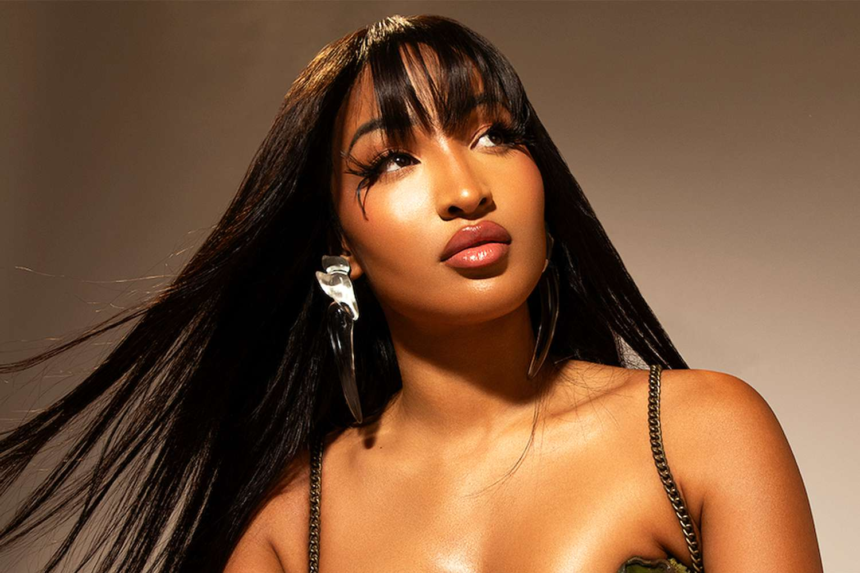
Released in late January 2025, “Puni Police” is a dancehall banger about ditching a controlling partner, with a catchy hook and thumping riddim.
Globally, it became a hit as of February 2025, with fans in Jamaica, the US, UK, and beyond responding to its relatable vibe and Shenseea’s sharp delivery. Fresh off her Grammy-nominated 2024, the track boosted her worldwide dancehall credibility.
What the Biggest Dancehall Hits by Year Tell Us
Looking across this full timeline, a few patterns emerge clearly. First, the biggest dancehall hits by year tend to cluster around the artists who control the riddim economy of their moment: King Jammy in the mid-1980s, Shabba Ranks around 1990, Beenie Man in the late 1990s, Sean Paul in the early 2000s, and Vybz Kartel for nearly the entire 2008-to-present era with only partial interruptions.
Second, the genre’s relationship with crossover has always been contested: the records that dominate in Jamaica are not always the records that chart internationally, and the tension between those two audiences has produced some of the most interesting music in the genre’s history.
Third, dancehall remains one of the most generationally renewed genres in popular music. The diversity and vitality of dancehall and reggae in 2025 reflects a genre that continues to evolve without losing the fundamentals that have governed every entry on this list: a heavyweight riddim, a voice worth following, and a hook that a dance-floor full of strangers can share.