

Jackie Jackson knew exactly when his story began. Remembering the 1967 session for Alton Ellis’s “Girl I’ve Got a Date,” the bassist put it plainly: “That was the birth of Jackie Jackson.”
When he died on 23 September 2026, aged 79, the tributes kept returning to that moment and to the music it belonged to. To honour him properly, you have to go back through the history of rocksteady.
It is a short history, but a deep one. Rocksteady arrived around 1966, slower than ska, heavier in the bottom end and sweeter in the harmonies.
It ruled Jamaica’s dances for barely two years before reggae took over. In that brief window, the island’s studios drew up the blueprint that everything since has followed.
Slowing Down the Beat
Ska had been a sprint: horns blazing, a walking bass racing up and down the neck, dancers working up a sweat. Rocksteady kept the offbeat skank but eased off the pace.
It let the bass, now electric and far more prominent, step to the front of the mix. Instead of walking, the bass locked into repeated patterns, short hypnotic phrases that gave the music its rolling weight.
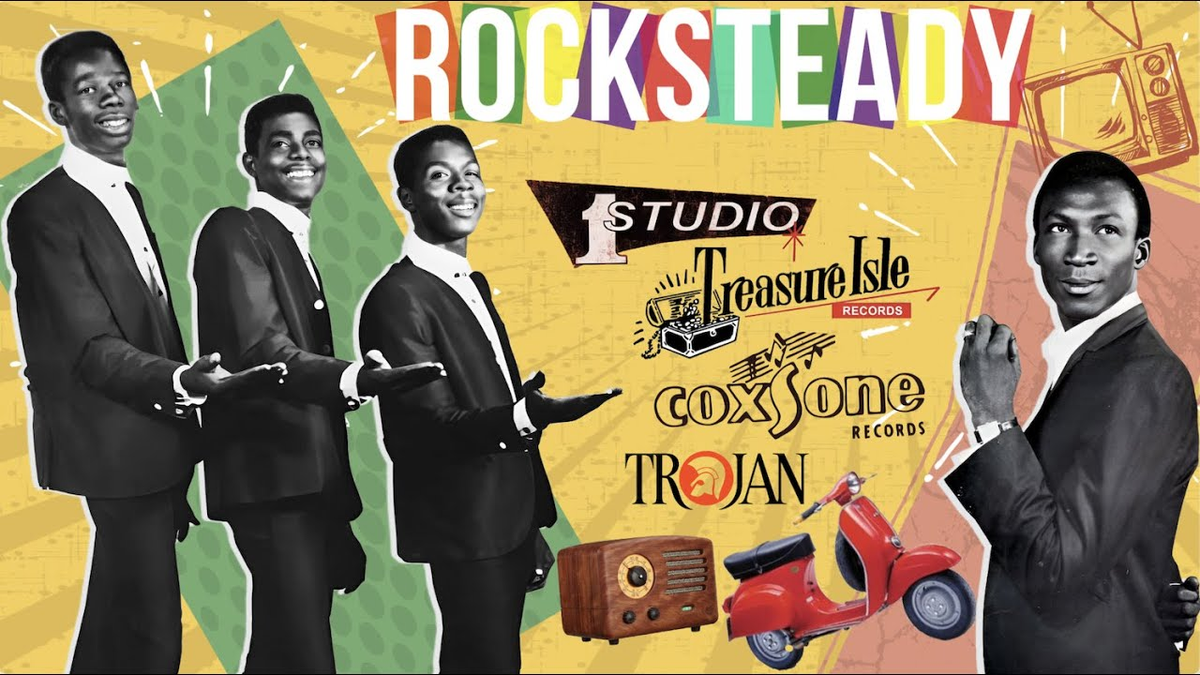
The mood changed too. Love songs and close vocal harmonies took centre stage, and singers finally had room to breathe between beats. From roughly the summer of 1966 to the spring of 1968, this was the sound of Jamaica’s dance floors.
Folk memory blames an unusually hot summer in 1966 for pushing everyone toward a cooler groove. That story is probably more lore than fact, but it fits the music perfectly.
Who Made the First Rocksteady Record?
Ask ten collectors and you may get four answers: Alton Ellis’s “Rocksteady,” Hopeton Lewis’s “Take It Easy,” Derrick Morgan’s “Tougher Than Tough” or Roy Shirley’s “Hold Them.”
According to The Gleaner, most musicologists lean toward “Take It Easy,” recorded in late 1966 at Federal Studios with Lynn Taitt & the Jets. It was released on Winston Blake’s Merritone label and climbed to number one in Jamaica.
How the tempo came down is its own little legend. Taitt said the beat was simply too fast. “I told ‘Gladdy to slow the tempo and that’s how Take It Easy and rocksteady came about,” he recalled in a 2002 interview.
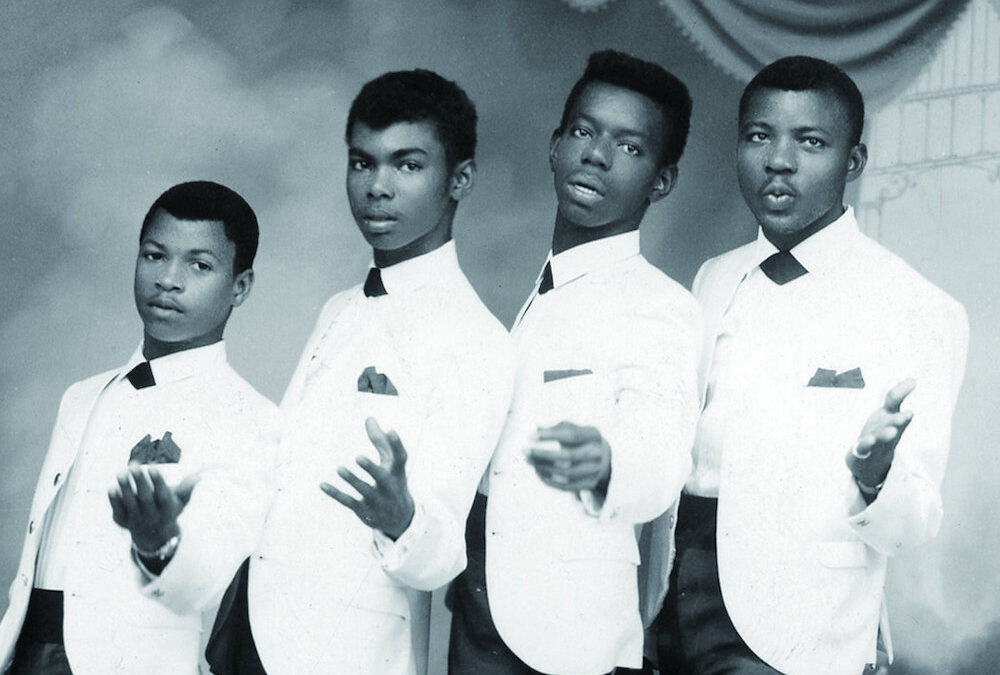
Another telling has Lewis struggling to fit his words over the racing ska rhythm. Over at Studio One, the film Studio One Drummie tells a third story: a 15-year-old drummer named Joe Isaacs couldn’t keep up with ska’s pace, so Jackie Mittoo slowed things down.
Pianist Gladstone Anderson is said to have called the new groove “rock steady” right there in the studio. The name stuck through Alton Ellis’s song “Rocksteady,” which described a slower dance to match the slower music.
Lewis’s album also carried “Cool Collie,” described as Jamaica’s first marijuana song, a sign of the frankness to come.
The Musicians Behind the Sound
If rocksteady had an architect, Lynn Taitt has a strong claim. Born in San Fernando, Trinidad, the guitarist formed the Jets in 1966 and is credited with the first rocksteady bassline, on “Take It Easy.”
His fluid, melodic playing showed Jamaican musicians how much space the new tempo opened up.
When the Skatalites split, saxophonist Tommy McCook founded the Supersonics, who became the house band at Duke Reid’s Treasure Isle.
AllMusic calls Treasure Isle “the most sought-after studio of the rocksteady era.” Jackie Mittoo, meanwhile, went to Studio One as music director. Between them, McCook and Mittoo shaped the sound of the two labels that dominated the era.
Beneath them sat a rhythm section of rare quality: drummers Joe Isaacs and Winston Grennan, and the bassist Jackie Jackson, whose lines anchored so much of what came out of Treasure Isle.
Duke Reid Versus Coxsone Dodd
Every great era needs a rivalry, and rocksteady had the best one in Jamaican music. Duke Reid started his Trojan sound system in the early 1950s and launched Treasure Isle later that decade.
In the rocksteady years he released Alton Ellis’s “Girl I’ve Got a Date,” along with records by the Techniques, the Silvertones, the Jamaicans and the Paragons.
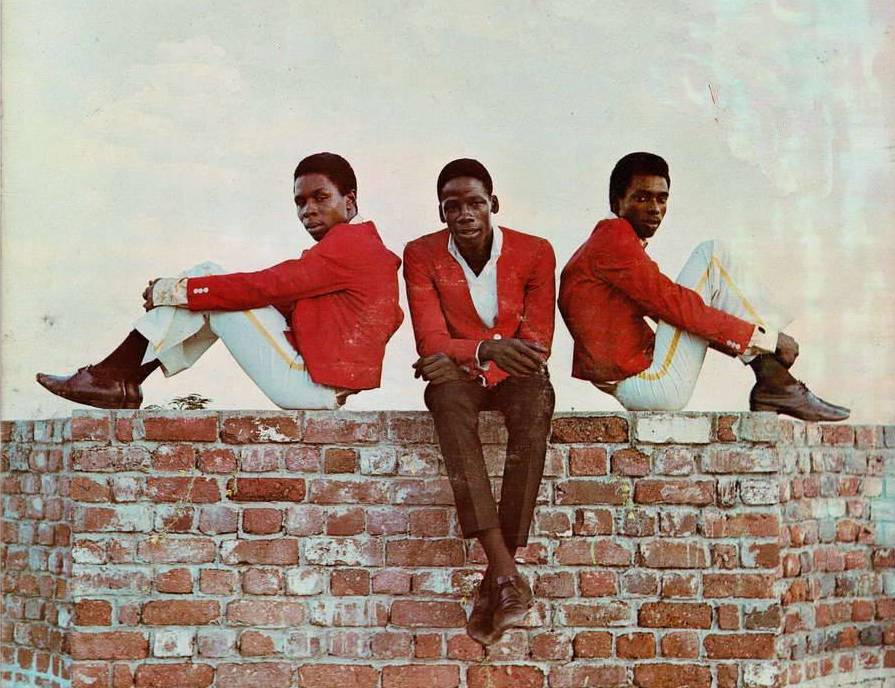
The Paragons’ “Wear You To The Ball,” Dobby Dobson’s “Loving Pauper” and Alton Ellis & the Flames’ “Rock Steady” still capture that polished, cool-breeze Treasure Isle feel. Many fans consider these the label’s finest years.
Across town, Clement “Coxsone” Dodd ran Studio One, home to Delroy Wilson, Ken Boothe, John Holt, the Heptones and Jackie Mittoo.
Bunny Lee and Prince Buster were cutting rocksteady too, but the Reid and Dodd battle set the pace. Each studio pushed the other toward sharper songs and tighter grooves.
The Voices: A Godfather, a Queen and the Harmony Groups
Alton Ellis, born on 1 September 1938, earned the title “Godfather of Rocksteady” and never surrendered it.
When the Jamaica Observer published its list of the 20 greatest personalities in rocksteady on 3 April 2026, Ellis was number one.
The paper compared his place in the genre to Sam Cooke’s in soul. He died on 10 October 2008, but his voice remains the sound of the era for many listeners.
Phyllis Dillon, the “Queen of Rocksteady,” made her name at Treasure Isle at a time when women were pushed to the margins of Jamaican music.
Around these two stars, the vocal groups flourished: the Techniques, the Paragons, the Heptones, the Gaylads, the Melodians and the Clarendonians, all trading in the tight, aching harmonies that rocksteady was built for.
Rude Boys in the Dancehall
For all its romance, rocksteady had a harder edge. As the beat slowed, the music became tied to the rude boy subculture that was bringing violence into the dancehalls. Songs answered back.
“Cry Tough” became a rude boy classic, and the Clarendonians’ “Rude Boy Gone to Jail” told the other side of the swagger. Sweet harmonies and street warnings sat side by side, and that tension gave the era its depth.
From Rocksteady to Reggae
By 1968 the ground was shifting again. Toots and the Maytals‘ “Do the Reggay,” produced by Leslie Kong, became the first popular song to use the word reggae, though some still hear it as rocksteady. So we just start singing ‘Do the reggay, do the reggay’ and created a beat,” Toots Hibbert remembered.
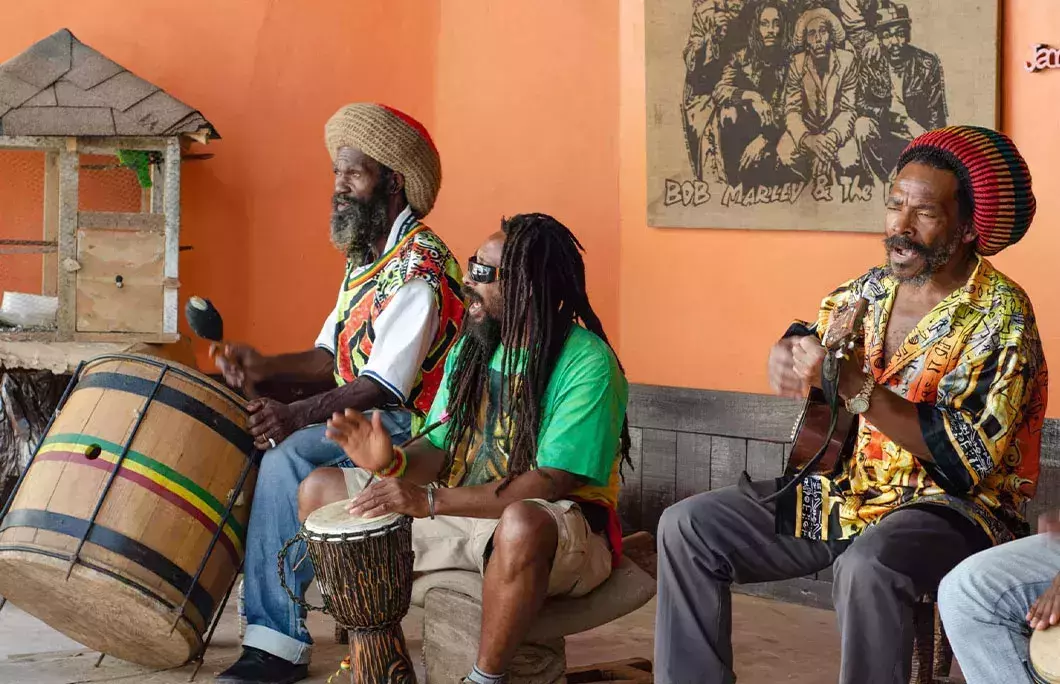
Mittoo and Taitt both emigrated to Canada, Jamaican studios upgraded their technology, and the music sped up and grew more insistent. By the mid-1970s, reggae was Jamaica’s most popular genre.
The players carried rocksteady forward with them. Jackie Jackson went on to play on Desmond Dekker’s “Israelites” and toured with Toots and the Maytals for 50 years. That lifetime is a living line from the Treasure Isle sessions to the world stage.
Why Rocksteady Still Matters
Derrick Harriott once said, “Ask any Jamaican musician and they’ll tell you the rocksteady days were the best days of Jamaican music.” It is hard to argue.
In roughly two years, rocksteady moved the bass to the heart of the song, gave singers room to truly sing, and turned studio rivalry into an engine of invention.
Reggae’s one drop, dub’s heavy low end and the lovers rock ballad all trace back to those slowed-down sessions at Federal, Treasure Isle and Studio One.
The era was short, but it never really ended. Each time a bassline carries a tune, that first slowdown is still at work.