
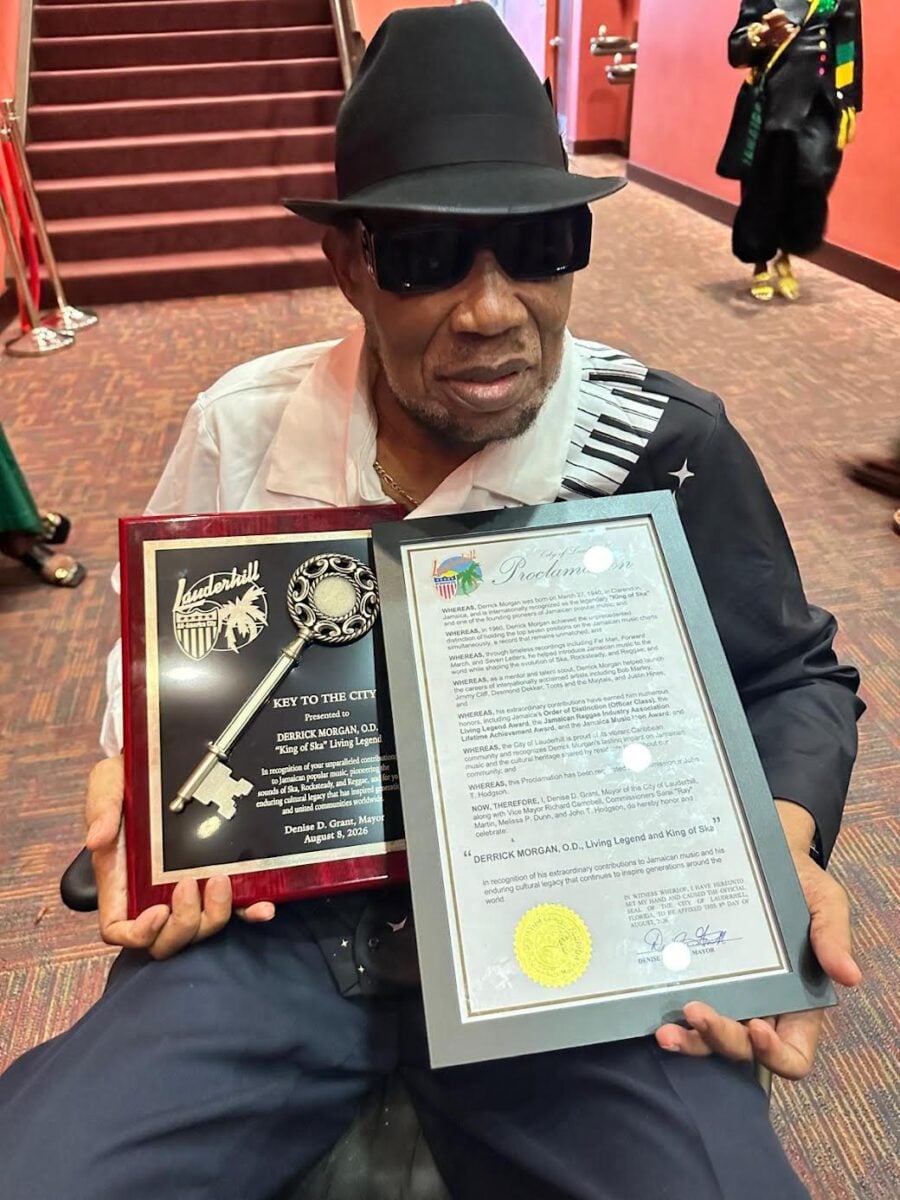
Sixty-four years after Derrick Morgan told a newly independent Jamaica to “Forward March,” the King of Ska is still moving forward — and collecting his flowers along the way.
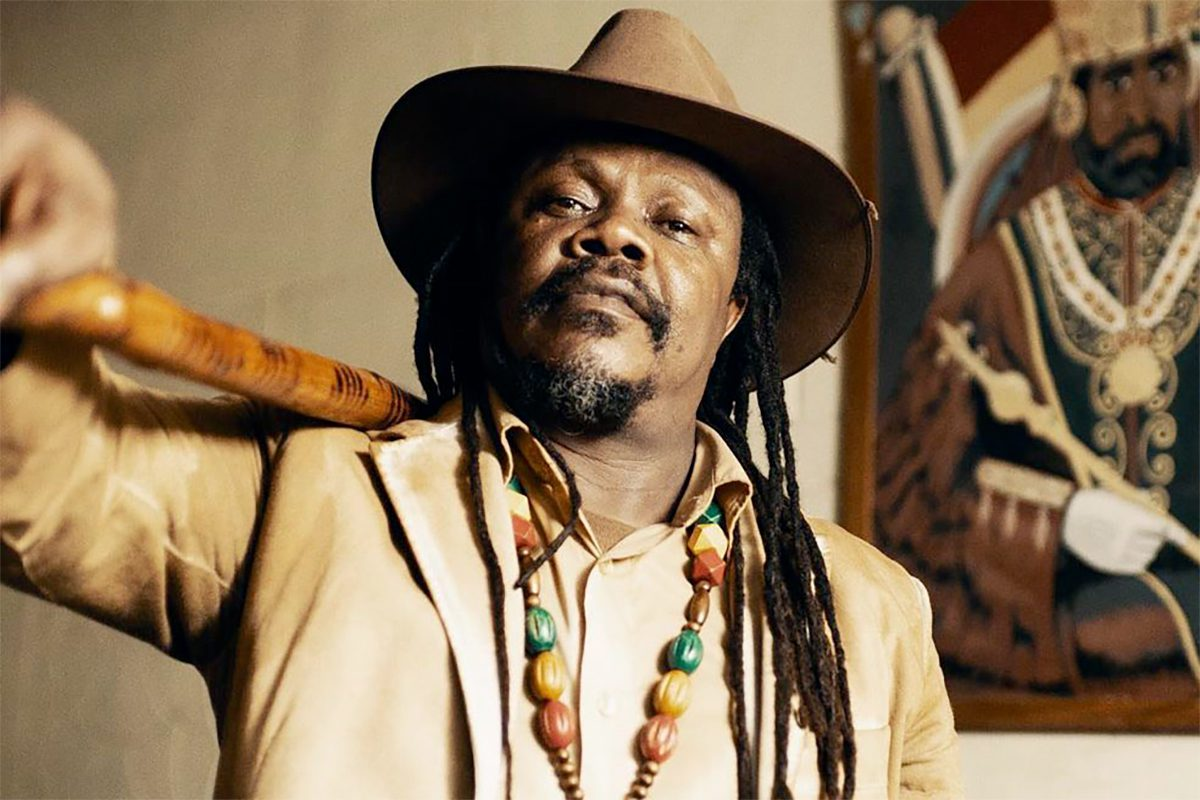
The legendary Jamaican singer received a Key to the City of Lauderhill, Florida, on Saturday, adding another honour to a career that stretches back to the very foundations of Jamaica’s recording industry.
The City of Lauderhill recognized Morgan for his contribution to Jamaican popular music, his enduring cultural legacy and the resilient spirit that has carried him through more than six decades in the business.
The ceremony took place at the Lauderhill Performing Arts Center as Jamaicans across South Florida celebrated the island’s 64th anniversary of Independence.
Lauderhill Mayor Denise Grant and Commissioner John T. Hodgson presented Morgan with the honour on behalf of the city.
And there was plenty of star power in the building.
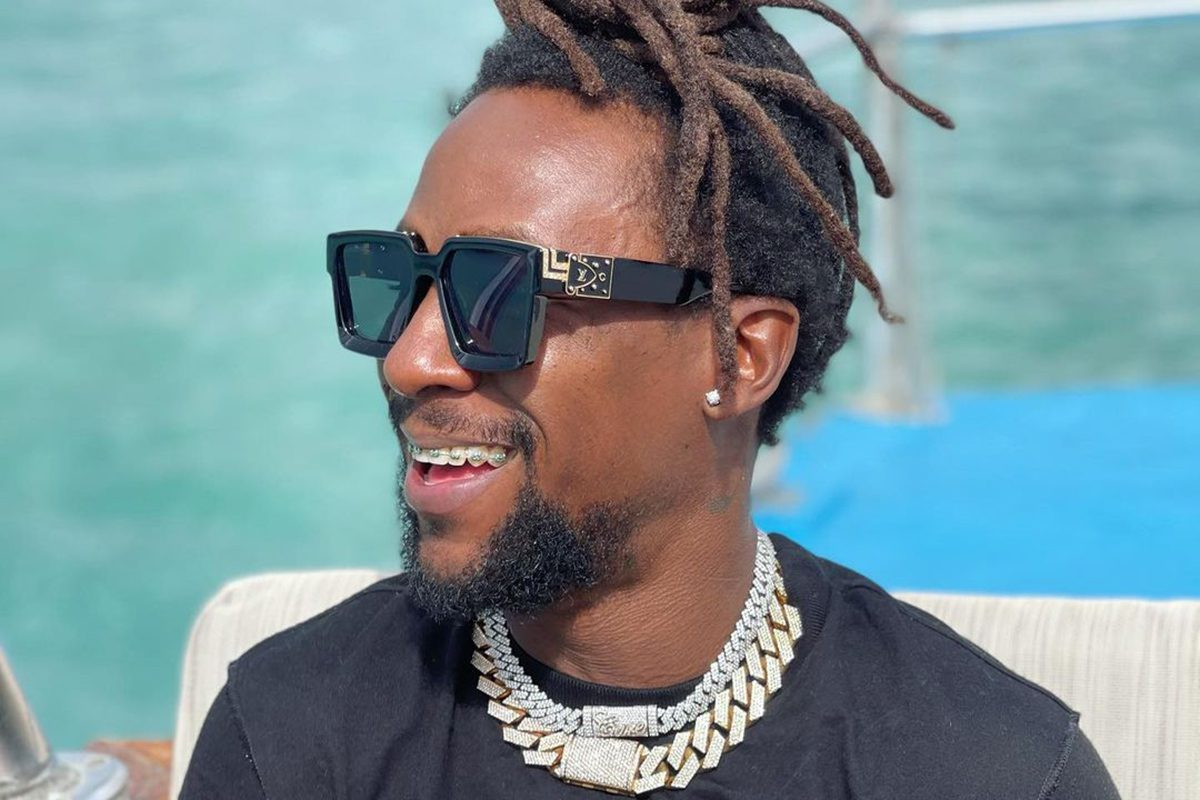
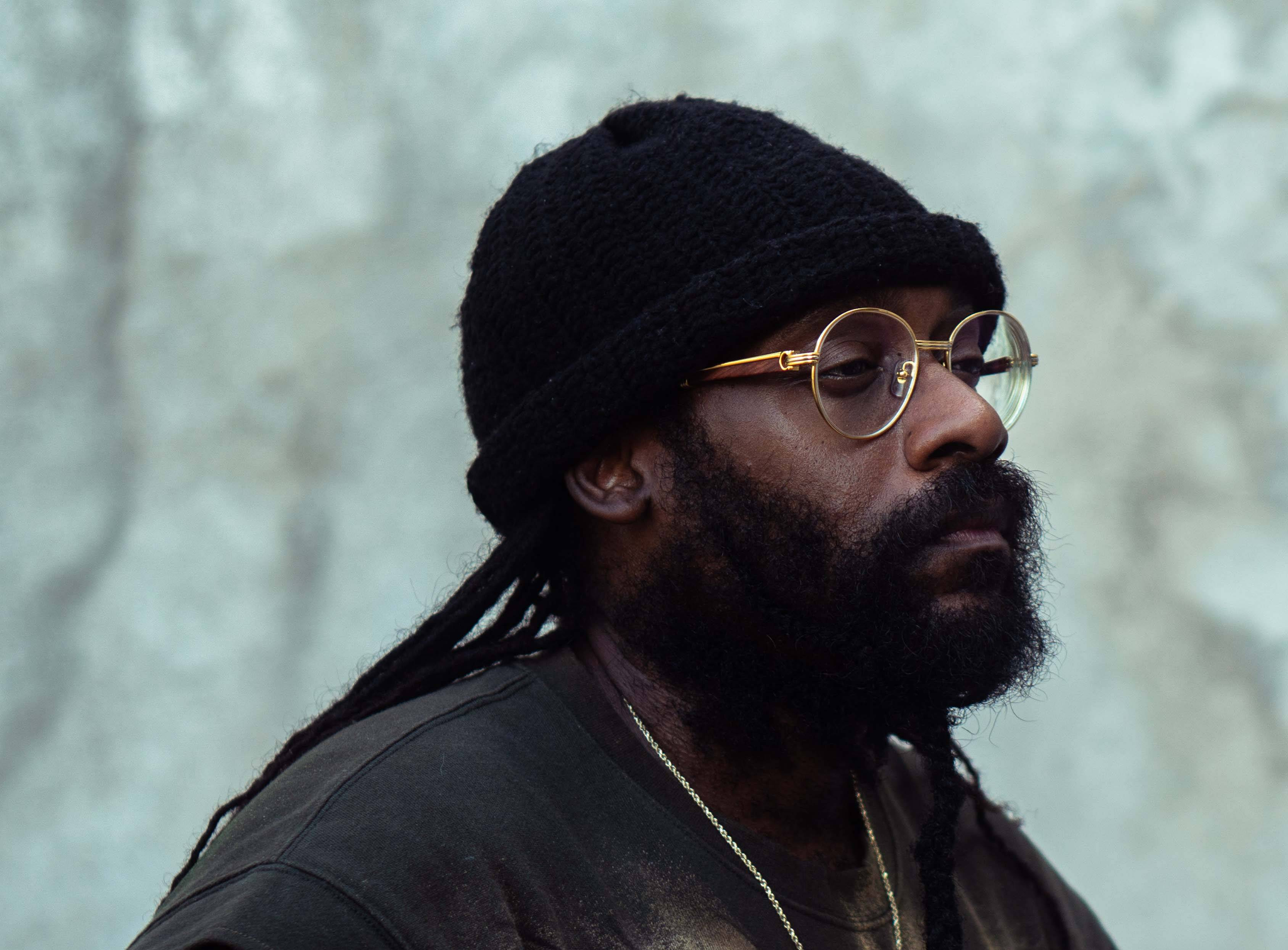
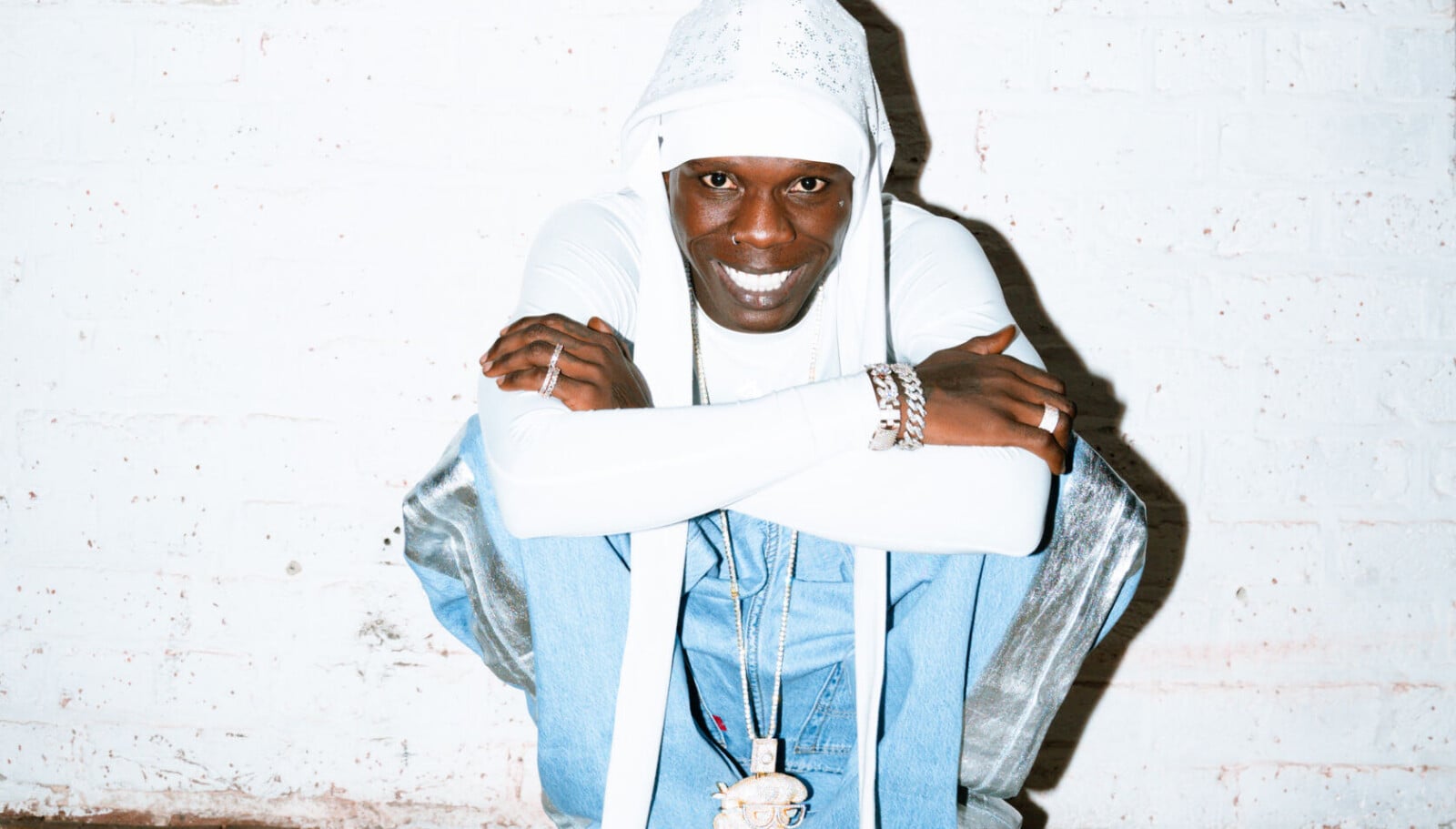
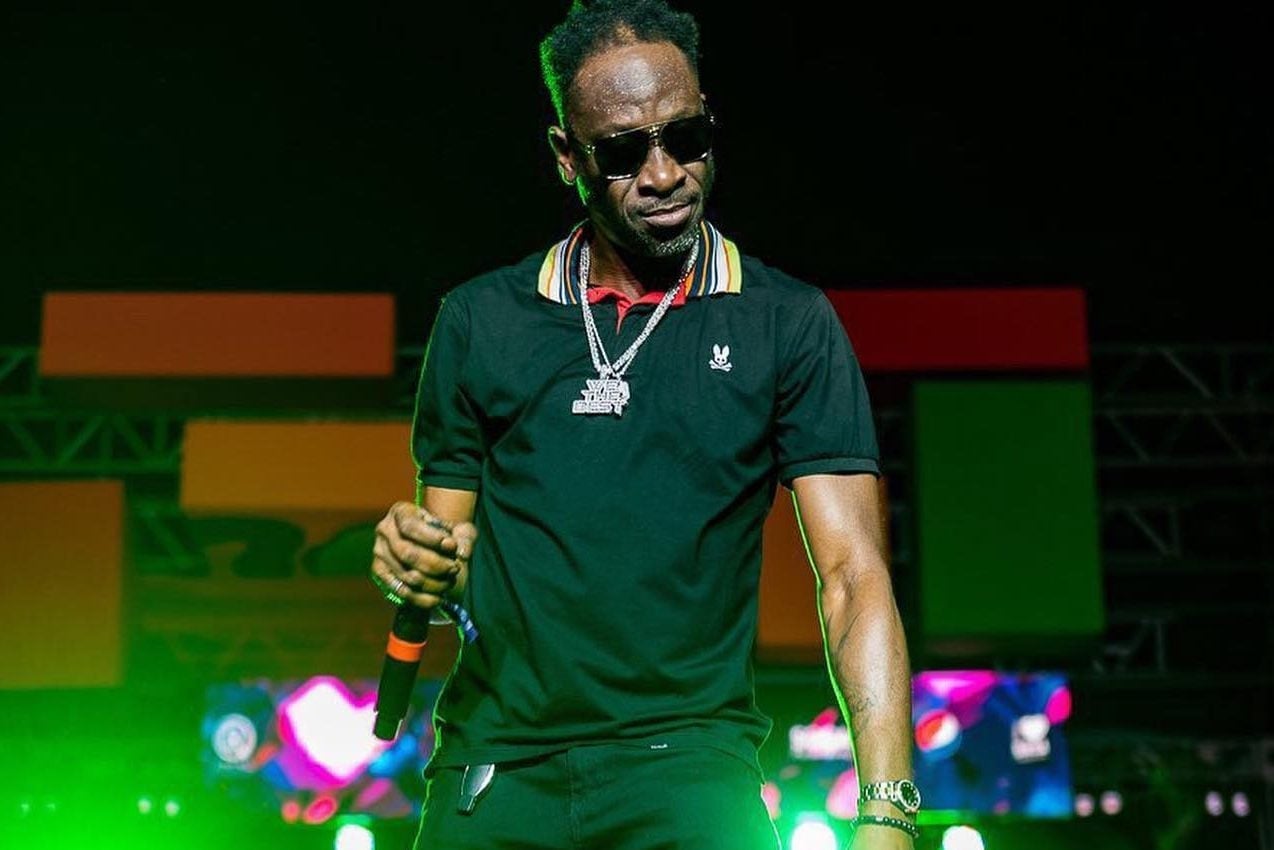
Dancehall heavyweights Beenie Man and Busy Signal, along with reggae queen Marcia Griffiths, performed before a large audience, bringing several generations of Jamaican music together on a night that celebrated both where the music has been and how far it has travelled.
For Morgan, the location made the moment even sweeter.
Lauderhill is home to a massive Jamaican and Caribbean community, earning the South Florida city the affectionate nickname “Jamaica Hill.”
“It is quite the honour to be recognized by the diaspora here in Lauderhill, nicknamed Jamaica Hill,” Morgan said.
“Thanks to Mayor Denise Grant and Commissioner John T. Hodgson for the Key to the City. It is greatly appreciated, especially on the 64th birthday of our beloved Jamaica. I hope to see many more Independence celebrations. Forward march on, Jamaica, land we love.”
The Man Who Gave Independence a Beat
The timing couldn’t have been more fitting.
When Jamaica gained Independence in 1962, Morgan was already helping to create the soundtrack for a country discovering not only its political identity, but its musical one.
His Forward March, released that year, captured the optimism and national pride surrounding Independence and permanently linked Morgan’s voice to one of the most consequential moments in Jamaican history.
More than six decades later, the record remains part of the island’s cultural memory.
Every August, as Jamaicans at home and throughout the diaspora celebrate Independence, the music of ska, rocksteady, reggae and dancehall becomes part of the festivities.
Morgan was there before most of those genres had names.
Born in Clarendon on March 27, 1940, he emerged at a time when Jamaican musicians were beginning to break away from the American rhythm and blues that had dominated local tastes and develop something unmistakably their own.
Morgan didn’t simply ride that wave.
He helped make it.
He would eventually become known as the King of Ska, occupying a front-row seat as Jamaica’s music evolved from early rhythm and blues into ska, rocksteady and ultimately reggae.
Seven Songs. Seven Spots. One Star.
Then there is the chart story that sounds almost too outrageous to be true.
In 1960, Morgan reportedly occupied the top seven positions on Jamaica’s pop chart simultaneously.
Not seven songs somewhere on the chart.
The top seven.
The remarkable run included Be Still, In My Heart, She’s Gone (Sunday Monday), Meekly Wait and Murmur Not, Fat Man, Lover Boy and Oh My.
Long before streaming algorithms, viral challenges or playlist placements could manufacture overnight sensations, Derrick Morgan had effectively taken over the Jamaican charts.
His Fat Man, also released in 1960, became one of the early Jamaican recordings issued in Britain, helping export the island’s developing sound to an overseas audience.
Jamaican music was beginning its journey around the world.
Morgan had a ticket on one of the first flights.
Building the Sound Before Reggae Ruled the World
Morgan’s importance wasn’t limited to the songs he sang.
His career unfolded during one of the great periods of experimentation in Caribbean music, when Jamaican musicians, singers, engineers and producers were essentially inventing a new musical language in real time.
Morgan’s records became part of the laboratory.
His 1962 recording Went to the Hop has been credited with pioneering the use of electric bass guitar in Jamaican popular music, while Blazing Fire, released the following year, has been associated with the early use of electric piano on Jamaican recordings.
His 1961 collaboration with Millicent “Patsy” Todd, Love Not to Brag, has also been cited as a groundbreaking male-female vocal duet in Jamaican popular music.
Then came another musical shift.
By the late 1960s, ska had slowed into rocksteady, and rocksteady itself was beginning to morph into something new.
Morgan was again standing near the fault line.
His 1967 recording Seven Letters, produced by Edward “Bunny ‘Striker’” Lee, has figured prominently in debates among Jamaican music historians about the recordings that helped signal the transition from rocksteady to the sound that would soon conquer the world as reggae.
Styles changed.
Morgan kept moving.
His Biggest Contribution May Not Have Been a Song
For all the records Derrick Morgan made, one of the most consequential chapters of his career happened away from the microphone.
During his association with Beverley’s Records, Morgan worked as a talent scout and mentor at a time when Jamaica’s recording industry was still finding its feet.
The names connected to that era now read like a Jamaican music hall of fame.
Bob Marley. Jimmy Cliff. Desmond Dekker. Toots and the Maytals.
They would become some of the biggest cultural exports Jamaica ever produced.
Morgan’s place in that ecosystem meant his fingerprints extended beyond his own catalogue. He belonged to a generation that helped build the infrastructure — creative and otherwise — upon which reggae’s eventual global explosion was constructed.
And his own records continued travelling.
Moon Hop, released in 1969, found an enthusiastic audience among British youth as Jamaican ska and reggae became intertwined with emerging UK subcultures. Its influence was extended through Symarip’s Skinhead Moonstomp.
By then, Jamaica wasn’t merely importing musical influences anymore.
It was exporting them.
The Flowers Keep Coming
The Lauderhill honour joins a growing list of accolades acknowledging Morgan’s enormous place in Jamaican cultural history.
He received a Living Legend Award at the Caribbean Music Awards in 1998.
In 2001, the Jamaican Government appointed him an Officer of the Order of Distinction for his contribution to music.
The Jamaica Reggae Industry Association honoured him with a Lifetime Achievement Award in 2019, and during Jamaica’s Diamond Jubilee celebrations in 2022, Morgan received the Jamaica Music Icon Award at the National Stadium.
But there is something particularly poignant about this latest recognition.
The Key to the City didn’t come from Kingston.
It came from a South Florida community thousands of Jamaicans and Caribbean immigrants have helped transform into a cultural extension of home.
And there was another piece of symbolism that was impossible to miss.
On the same night that Morgan was being honoured, Beenie Man, Busy Signal and Marcia Griffiths were onstage representing generations of Jamaican music that came after him.
Different eras. Different sounds.
Same musical family tree.
At 86, Derrick Morgan has lived long enough to watch music created in studios and dance halls on a small Caribbean island become a global cultural force.
He was there when Jamaica became a nation.
He was there when ska found its feet.
He was there as the sound evolved.
And 64 years after Forward March helped soundtrack the optimism of Independence, the King of Ska is still receiving his flowers.
Only this time, the bouquet came with a Key to the City.