
Step off a plane in Montego Bay, order a drink at a beach bar, or ask a taxi driver if he knows the way, and there is a good chance the answer comes back warm and easy: “Ya mon.”
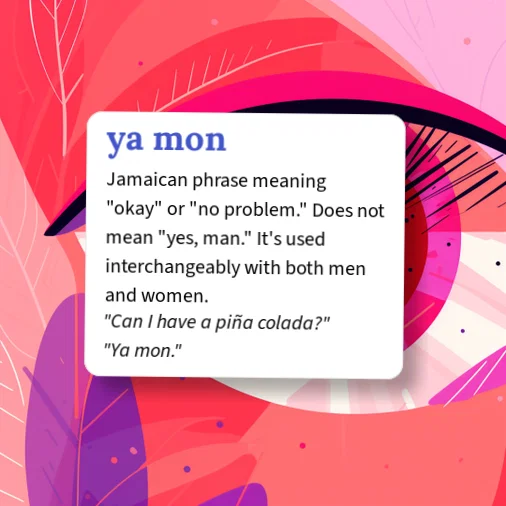
For anyone searching for the ya mon meaning, the short version is simple. It is a friendly Jamaican Patois way of saying “yes,” “okay” or “no problem.”
But like most of the island’s best expressions, the phrase carries more than its dictionary gloss. It is agreement, reassurance and a little bit of attitude rolled into two syllables. It is one of the first pieces of Patois visitors pick up, and one of the most misunderstood.
Here is what it means, how Jamaicans actually use it, and how to say it without sounding like a souvenir T-shirt.
What Does “Ya Mon” Mean?
Literally, “ya mon” translates to “yeah, man.” In practice, it works as a flexible affirmative. Depending on the moment, it can mean a plain “yes,” an “I agree,” an “okay,” or a relaxed “no problem.”
Ask a friend if he is coming to the session tonight and “ya mon” is a yes. Thank someone for a favour and “ya mon” becomes “don’t mention it.” Ask whether everything is alright and it lands as reassurance.
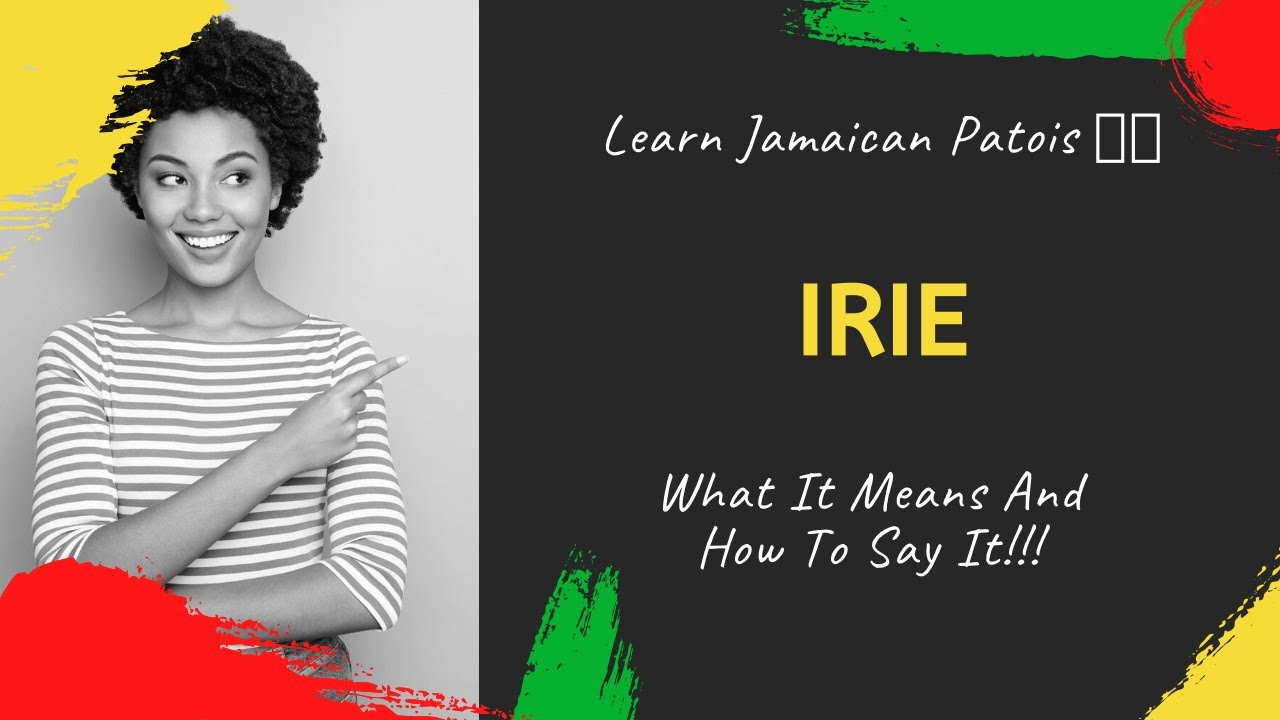
That range is the point. The phrase sits right alongside “irie” as one of the most recognisable Jamaican expressions, and it is one visitors hear often.
Its cousin “no problem, mon” covers much of the same ground, but “ya mon” is the more versatile of the two.
Breaking It Down: “Ya” and “Mon”
The first half is straightforward. “Ya,” also written “yah,” is simply “yeah” or “yes.”
The second half is where newcomers get tripped up. Mon” is the Patois rendering of “man,” but it does not mean an adult male in this context.
It works as a general form of address, the way “man” punctuates speech in plenty of English dialects. It can be said to women, men and children alike, and to anyone regardless of age.
You will hear it in greetings too: “Yow mon, wat a gwaan?” means “Hey man, what’s going on?”
One popular misreading is that “ya mon” is just “yo, man” in a Jamaican accent. It is not. A donut gag in the film “Red Rocket,” built on a “CinnaMon” pun, sent at least a few viewers searching for exactly this distinction. “Ya” is an answer, not a greeting.
A typical exchange looks like this:
“Yuh aright, breddah?”
“Yah mon, mi irie.”
In English: “Are you okay, brother?” “Yeah, I’m good.”
Spelling and Pronunciation
You will see it written ya mon, yah mon, ya man and yah man, and none of them is wrong. Patois has long been written in variable ways. The word for “there” alone shows up as de, deh or dere.
The Cassidy/JLU system, a phonemic way of writing the language, simply spells the word as “man,” the same as English.
The “mon” spelling is really an outsider’s attempt to capture the Jamaican vowel. To the ear, it sits closer to “mahn” than to the “mon” of “Monday.”
Said naturally, the two words tend to run together into something like “yamahn,” quick and unforced rather than drawn out for effect.
How to Use “Ya Mon”
The phrase is casual, so save it for relaxed conversation. A few natural situations:
Saying yes. Offered a cold drink on a hot afternoon? An enthusiastic “Ya mon!” is the perfect answer.
Agreeing. When someone makes a point you are with, “ya mon” works like “for sure” or “true.”
Reassuring. If someone apologises for a small inconvenience, “ya mon” carries the same easy weight as “no worries.”
Checking in. As in the “yuh aright?” exchange above, it doubles as a way of saying all is well.
Tone does a lot of work. Short and flat, it is a quick yes. Stretched out with a smile, it becomes something closer to “absolutely.”
Ya Mon on the Island Versus the Tourist Version
Here is the part the travel brochures skip. “Ya mon” is real Jamaican speech, but it has also become a tourist catchphrase, printed on shirts and shouted across resort pools in accents that would make any yaad man wince.
Opinions among people who know the island split on how much locals actually say it. Some visitors insist it is mostly heard at all-inclusive resorts.
Others report hearing it constantly, just as much in town as behind the hotel gates. “Respect” is another word you will hear just as often in everyday conversation.
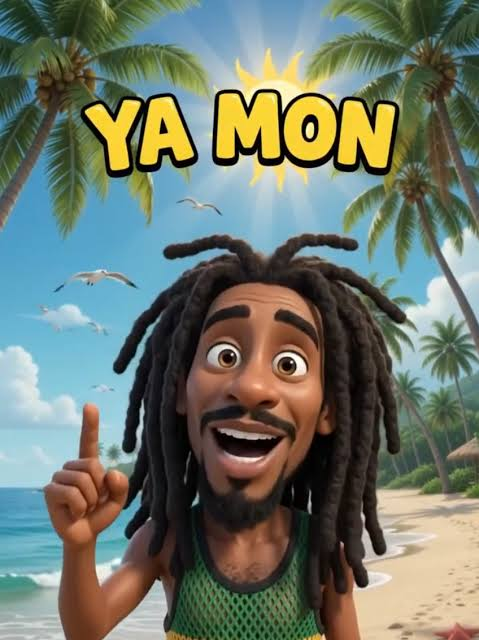
Some Jamaicans bristle at the exaggerated version. As one Tripadvisor commenter put it, “Many Jamaicans view the term ‘mon’ as an ignorant persons spin on their language.”
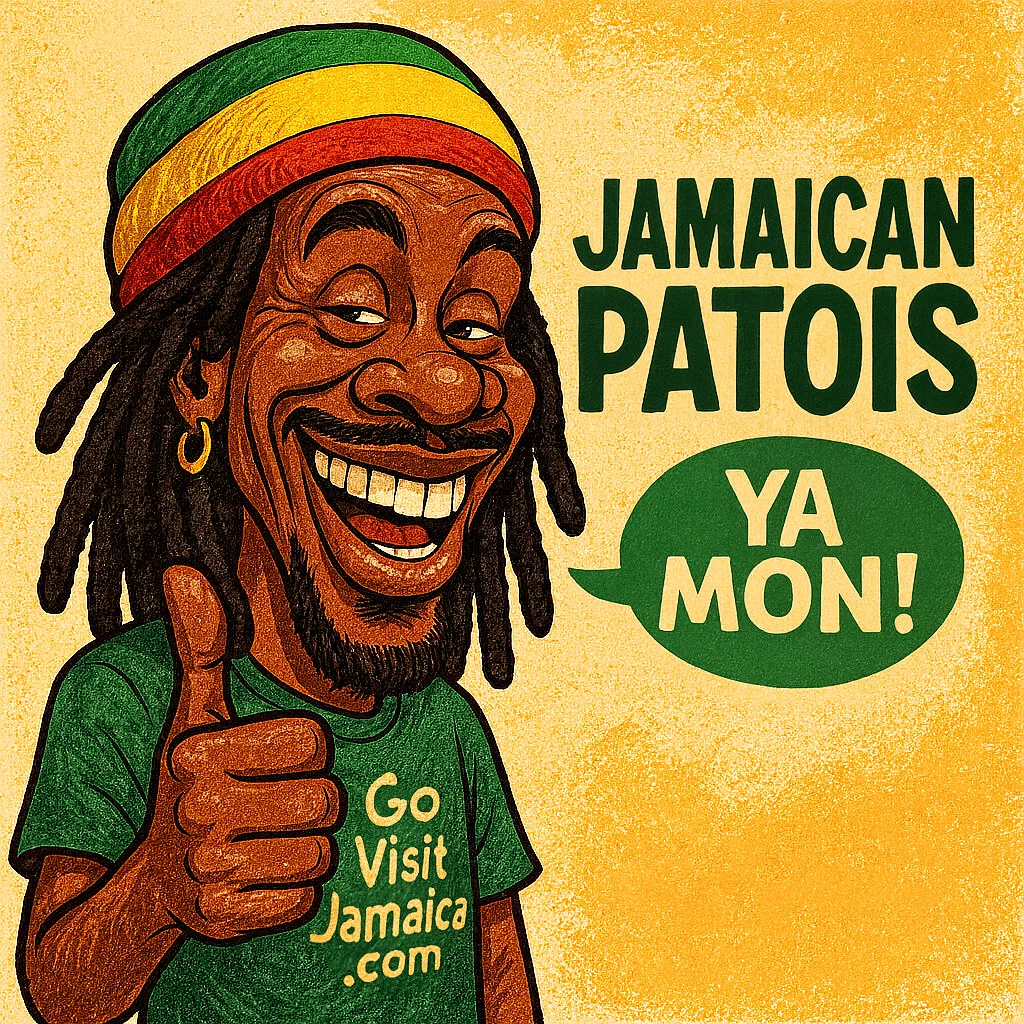
That reaction makes sense in context. Creole languages like Patois have long been stigmatised as low-prestige, so watching outsiders turn the island’s everyday speech into a cartoon can sting.
The takeaway: use it, but use it like a person, not a mascot. Said naturally in the right moment, it is a friendly nod. Performed at every opportunity, it reads as caricature.
A Little Background on Patois
English is Jamaica’s official language, but Patois is the language of daily life. It took shape in the 17th and 18th centuries among enslaved Africans on colonial plantations, drawing on African languages along with English, Spanish, Portuguese and Arawakan.
The African influence runs deeper than vocabulary, shaping the rhythm, tone and syntax that give the language its musical bounce.
With roughly 3.2 million native speakers, Patois has travelled far beyond the island. It is heard in New York, Miami and Toronto, and in London it has heavily shaped Multicultural London English.
Much of that spread owes a debt to the sound systems, reggae and dancehall records that carried Jamaican voices around the world.
Related Patois Phrases to Know
- Wah gwaan? What’s going on, what’s up, how are you?
- Irie: good, alright, at peace.
- Respect: a greeting and a mark of regard.
- Bredda: brother, a close male friend.
- Tank yuh: thank you.
- Likkle more: see you later.
- Walk good: take care.
One warning: “bomboclat” is a strong profanity, not a casual greeting, no matter how often it turns up in memes.
Why “Ya Mon” Still Matters
On paper, “ya mon” is just “yeah, man.” In the mouth of a Jamaican, it is something richer: an easy yes, a gesture of goodwill, a small window into a language built by people who turned hardship into one of the most expressive tongues in the Caribbean. That is why it has outlived its life as a tourist slogan.
Treat it with the same respect you would give any language, listen for how locals use it, and let it come out naturally.
Get that right and the next time someone asks if you are good, you will know exactly what to say.