
The most valuable reggae records are not simply old records that happen to be Jamaican.
They are specific pressings, on specific labels, in specific conditions, backed by a global collector community that has pushed verified sale prices into the thousands of dollars.
Whether you stumbled on a crate at an estate sale or are actively building a collection, understanding which reggae records command premium prices, and why, is the essential first step.
This guide walks through the confirmed highest-selling titles in the genre and gives you the practical knowledge to spot, authenticate, and value them yourself.
Why Reggae Records Become So Valuable
Before looking at individual records, it helps to understand the structural reasons that make this genre so fertile for high-value finds.
Original Jamaican pressings from the 1960s and early 1970s were manufactured in quantities that make the average Record Store Day limited edition look enormous by comparison, and they were pressed on vinyl that was recycled so often that half of it “probably wasn’t even vinyl any longer.”
These records were made for playing, usually on the most rudimentary turntable imaginable, with a needle that had long lost its point, and in a room full of people jumping up and down.
The result is that finding an original pressing in excellent condition is genuinely difficult, which is precisely what drives values upward.
The most valuable records are generally those in low supply and high demand among collectors, making private press releases, original pressings by iconic artists, rare promos, and local scene records the most sought after.
Many great authentic Studio 1, Treasure Isle, and Island Records issues from the 1970s can command anywhere from $50 to $500 for an album. The truly exceptional pieces, the ones covered in this guide, go far beyond that ceiling.
The 20 Most Valuable Reggae Records: Confirmed Sale Prices
The prices below are drawn from verified auction databases including ValueYourMusic, Popsike, and Goldmine Magazine. All figures represent actual completed sales, not asking prices.
1. Bob Marley and the Wailers – Acetate (Various)
Bob Marley acetates have reached a maximum recorded price of $3,000 across 87 auctions tracked by Popsike.
Acetates, one-sided test recordings cut directly to lacquer discs, represent the earliest physical form of a recording and exist in quantities of one to a handful. They are effectively irreplaceable.
2. Al and the Vibrators – “We Need Love” (Dr Bird, UK)
A copy of Al and the Vibrators’ “We Need Love,” on the British Dr Bird label, sold for more than $2,000 in 2012.
Dr Bird was an influential UK imprint that licensed Jamaican material throughout the 1960s, and clean original copies of its most obscure singles are exceptionally hard to locate.
3. Chosen Few / Vin Gordon – “Babylon / Red Blood” (FAB Records, Promo)
A promo copy of Chosen Few and Vin Gordon’s “Babylon / Red Blood” on FAB Records (FAB 14) sold for $1,982.46 on April 8, 2025.
Vin Gordon, the legendary trombonist who played on countless Studio One and Treasure Isle sessions, is a name that sends collectors’ pulses racing. Promotional pressings, made in smaller runs than retail copies, add a further layer of scarcity.
4. Bob Marley and the Wailers – Catch a Fire (Island, Zippo Sleeve)
The first 20,000 copies of the original 1973 vinyl release of Catch a Fire were encased in a sleeve designed to function like a Zippo lighter case, opening at a side hinge to reveal the record within.
Producers soon realized the operation required hand manufacture, as the machinery available was not sufficient to rivet the upper and lower halves of the sleeve together.
That production complexity makes surviving copies precious. Verified Zippo sleeve copies have sold repeatedly in the $321 to $341 range on Popsike, with rarer near-mint examples commanding significantly more.
The album is listed at number 123 on Rolling Stone’s 500 Greatest Albums of All Time, the second highest placement of the four Bob Marley albums on the list.
5. Jackie Mittoo and Soul Vendors – “Sure Shot / Octaves / The Bottle” (Coxsone, UK)
A copy of Jackie Mittoo and Soul Vendors’ “Sure Shot” on Coxsone UK sold for $1,869.86 on August 10, 2025, attracting six bids.
Jackie Mittoo, the keyboard architect of the Studio One sound, is among the most collected artists in reggae and rocksteady. Original UK Coxsone pressings of his rarer material trade at a consistent premium.
6. Raving Ravers / Movers – “Rock, Rock and Cry” (JB 003/004, Blank Label)
A copy of Raving Ravers and Movers’ “Rock, Rock and Cry” on a blank JB 003/004 label sold for $1,801.87 on June 16, 2025, drawing 23 bids.
Blank label singles, pressed without printed identification, were often made for sound system use and exist in extremely limited quantities.
7. Owen Gray – “Give Me a Little Sign / It Isn’t So” (Coxsone, Blank)
A copy of Owen Gray’s “Give Me a Little Sign” on a Coxsone blank sold for $1,705.00 on November 10, 2025, with 49 bidders competing for it.
The volume of bidders here signals broad collector demand for this title, not a single motivated buyer.
Owen Gray was one of the first Jamaican artists to record at Studio One, and original blank pressings of his work are among the most contested in the ska-to-reggae continuum.
8. Ken Parker – Ska Singles (“Before and After / Honey Baby Listen”)
A collection catalogued as ultra-rare Ken Parker ska singles including “Before and After / Honey Baby Listen” sold for $1,675.00 on September 11, 2015, across four bids.
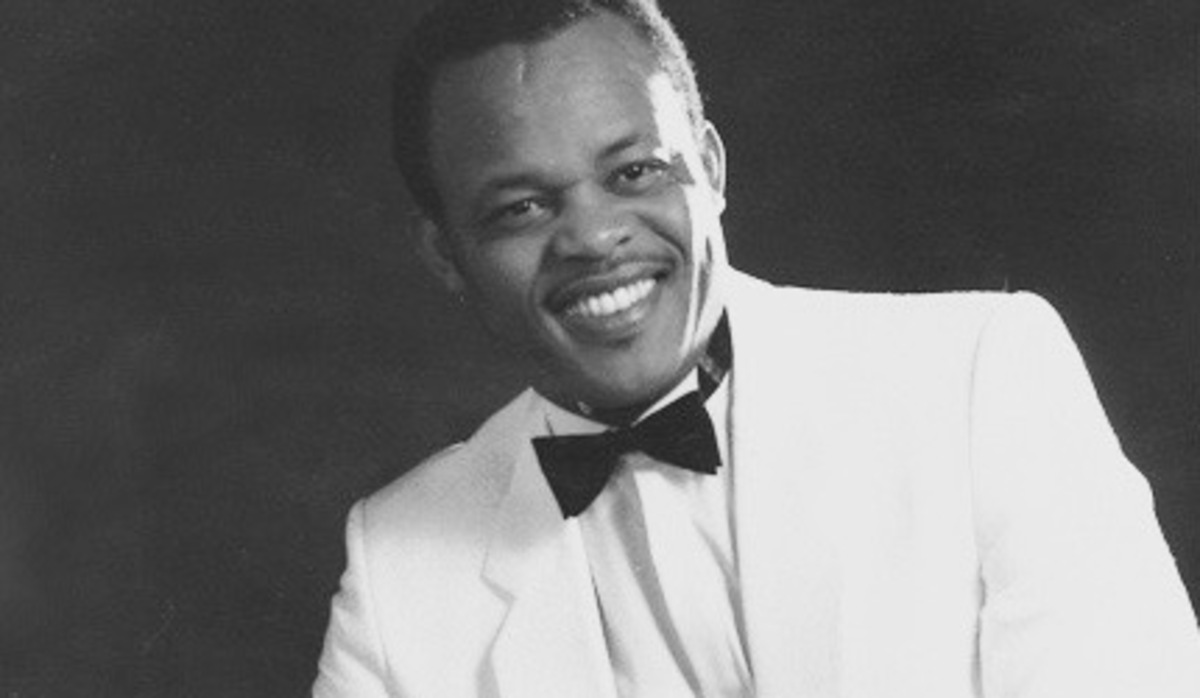
Ken Parker’s ska-era output, pressed in minuscule quantities for the Jamaican and UK markets, sits at the intersection of collector scarcity and historic musical importance.
9. The Movers – “Rock Rock” (Junior Records, JR109)
A near-mint copy of The Movers’ “Rock Rock” on Junior Records (JR109) sold for $1,651.58 on June 8, 2025, drawing 13 bids.
10. Azie Lawrence – “Pemplem” (Blue Beat, BB222)
An original 1964 first pressing of Azie Lawrence’s “Pemplem” on Blue Beat (BB222), graded near-mint, sold for $1,625.63 on June 22, 2025, with 26 bids.
Blue Beat was the dominant UK ska imprint of the early 1960s and gave its name to the genre in British slang.
Its rarest 45s, especially in high-grade condition, are considered blue-chip holdings in any serious collection.
11. Termites – “Mama Didn’t Know / I Made a Mistake” (Coxsone, UK)
A copy of The Termites’ “Mama Didn’t Know / I Made a Mistake” on Coxsone UK, graded EX+, sold for $1,622.20 on August 10, 2025, drawing 13 bids.
12. Bob Marley and the Wailers – Catch a Fire (Burlap Sleeve Variant)
The burlap-sleeve variant of Catch a Fire, a further limited packaging edition, has reached a maximum tracked sale price of $1,200 according to Popsike’s archive of 38 completed auctions.
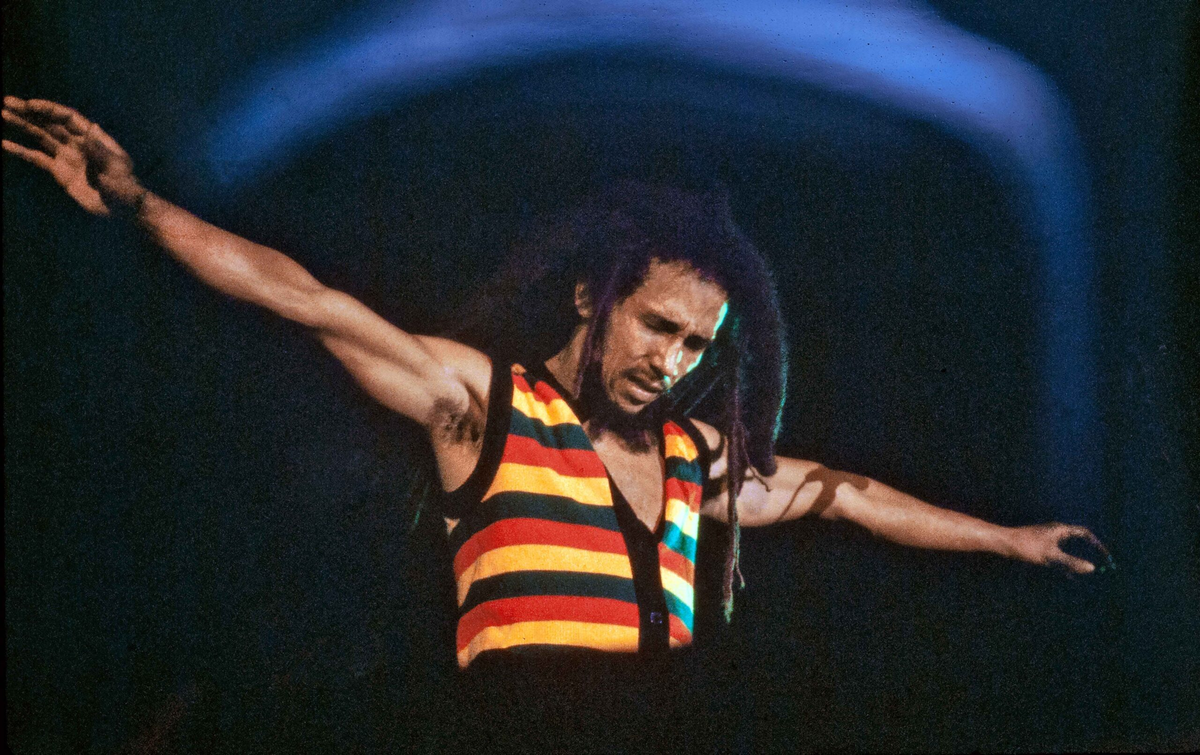
Island Records produced several physical formats for this landmark debut; any original 1973 packaging variant is considered essential.
13. Bob Marley and the Wailers – Test Press
Bob Marley test presses have reached a maximum recorded price of $699, across 69 auctions tracked by Popsike.
Test pressings, produced in handfuls for quality control before a full run, carry the provenance of the studio itself.
14. V/A – “ABC Rocksteady” (Gay Feet, LP)
A copy of the Various Artists “ABC Rocksteady” LP on Gay Feet sold for $1,075.00 on October 27, 2025, drawing 20 bids.
Compilations issued on Jamaican imprints like Gay Feet during the rocksteady era are among the least reprinted records in the genre, making original copies near-impossible to source in collectible condition.
15. King Cannon Ball – “Thunderstorm / Burt Walters / Honey Love” (Trojan, UK)
A copy of King Cannon Ball’s “Thunderstorm” on Trojan UK sold for $1,068.53 on August 10, 2025, drawing five bids.
Trojan Records, the primary UK reggae imprint of the late 1960s and early 1970s, produced several ultra-obscure A-sides that have only recently attracted serious collector attention.
16. The Rudies – “Brixton Rocket / Brixton Paperbag” (FAB104)
A near-mint 1969 original 7-inch of The Rudies’ “Brixton Rocket / Brixton Paperbag” on FAB (FAB104) sold for $1,063.36 on February 10, 2026, drawing 42 bids.
The 42-bid count on this single is one of the highest bid volumes in recent reggae auction history, confirming deep collector appetite for early Trojan-era skinhead reggae.
17. Lee Perry and the Upsetters – Rhythm Shower (Original Jamaican LP, 1973)
The original Jamaican pressing of Lee Perry and the Upsetters’ Rhythm Shower is cited as one of the rarest reggae LPs ever tracked online, with probably only one copy having sold online before it appeared in records.
Lee Perry’s Black Ark recordings are among the most documented in reggae history, but his early Jamaican-pressed LPs are genuinely scarce.
18. Prince Buster – Unreleased Dubplate (Count Suckle 10-inch)
A Prince Buster Workman Ska unreleased original Count Suckle 10-inch dubplate appears in the all-time most valuable reggae records tracked by ValueYourMusic.
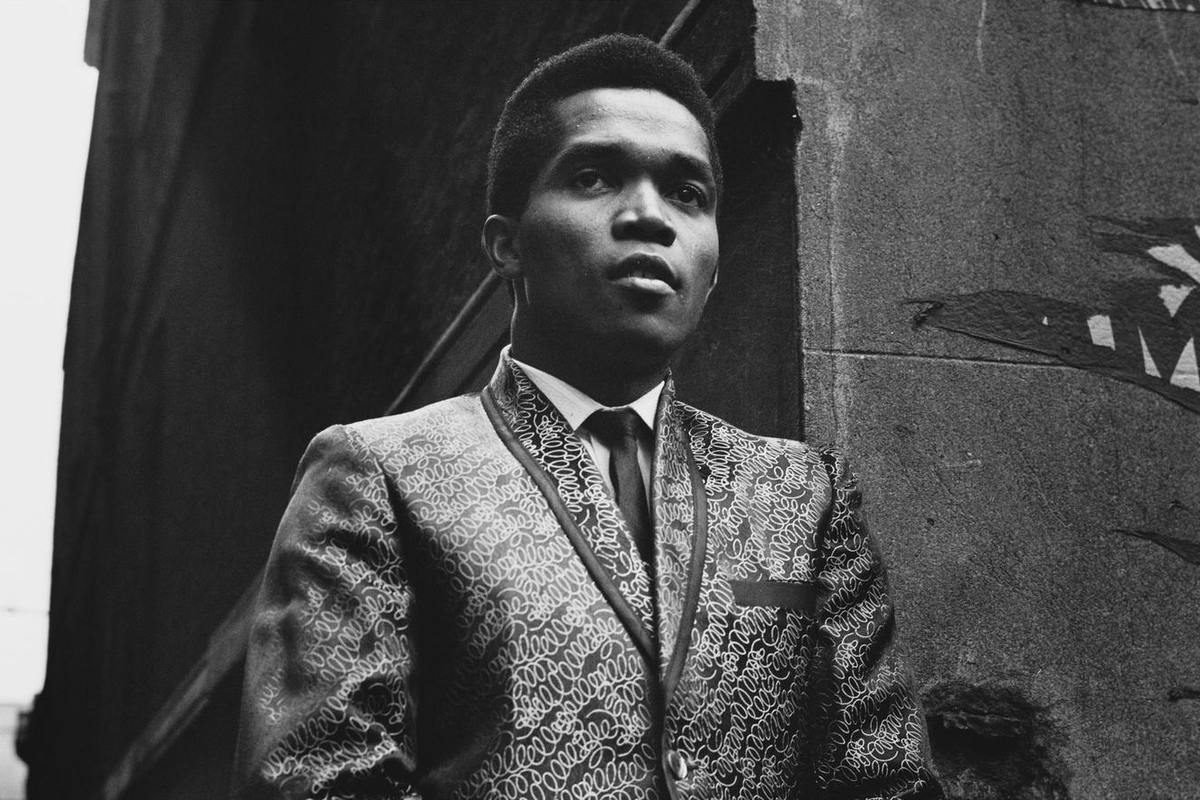
Dubplates, whether cut as sound system exclusives or unreleased studio sessions, represent the rarest physical format in Jamaican music.
A Count Suckle-associated dubplate from the ska era is, for practical purposes, a one-of-a-kind artifact.
19. Desmond Dekker – Rare Singles (Including “Foo Manchu”)
Desmond Dekker’s rarest 45s, including “Foo Manchu,” have reached a maximum tracked price of $530 across 60 Popsike auctions, while the “Fu” variant has reached a remarkable $2,001 across 37 auctions.
Dekker was the first Jamaican artist to score a significant US hit with “Israelites” in 1969, and his pre-fame Jamaican and UK singles are prized for both their rarity and historical significance.
20. Lennie Hibbert – More Creation (Rare LP)
Lennie Hibbert’s More Creation has reached a maximum tracked price of $565 across 74 Popsike auctions.
Hibbert was a pivotal figure in the development of Jamaican jazz and mento in the years before ska solidified, making his LP work some of the earliest and least-documented material in the island’s recorded history.
How to Identify the Most Valuable Reggae Records
Knowing which titles are valuable is only half the work. Being able to authenticate what you are holding is the other half.
Step 1: Read the Label and Catalog Number First
Check the catalog numbers on the sleeve and label first, then check the runout groove for matrix number details and other markings.
For Wailers material, for example, Island Records first pressings from 1973 to 1977 feature the pink “i” label with “Made in England” text. Key original catalog numbers include ILPS 9241 for Catch a Fire, ILPS 9256 for Burnin’, and ILPS 9281 for Natty Dread.
Jamaican pressings carry Tuff Gong, Studio One, or Coxsone labels with “Made in Jamaica” and often hand-etched matrix codes.
Step 2: Inspect the Dead Wax
The best place to start authenticating any pressing is the dead wax, the smooth ring between the last groove and the label.
Every record has information etched or stamped there, and matrix numbers found in that space tell you about the specific stamper used. Stampers wear down over time.
The first records off a stamper are sharp and clean; later ones show subtle imperfections as the stamper degrades.
Step 3: Examine the Sleeve for Era Markers
Barcodes are a key authentication point. Barcodes were not standard on records until the late 1970s, and some labels did not adopt them until the 1980s. If you are looking at a supposedly 1960s pressing with a barcode on the sleeve, it is not original.
Printing quality matters as well. Original sleeves were often laminated with a particular sheen that later reprints lack, and the paper stock might be heavier or have a different texture.
Step 4: Watch for Promotional Pressings and Blank Labels
White labels and DJ copies were often made in smaller numbers than the retail release, and some of them become highly valuable records as collector demand increases.
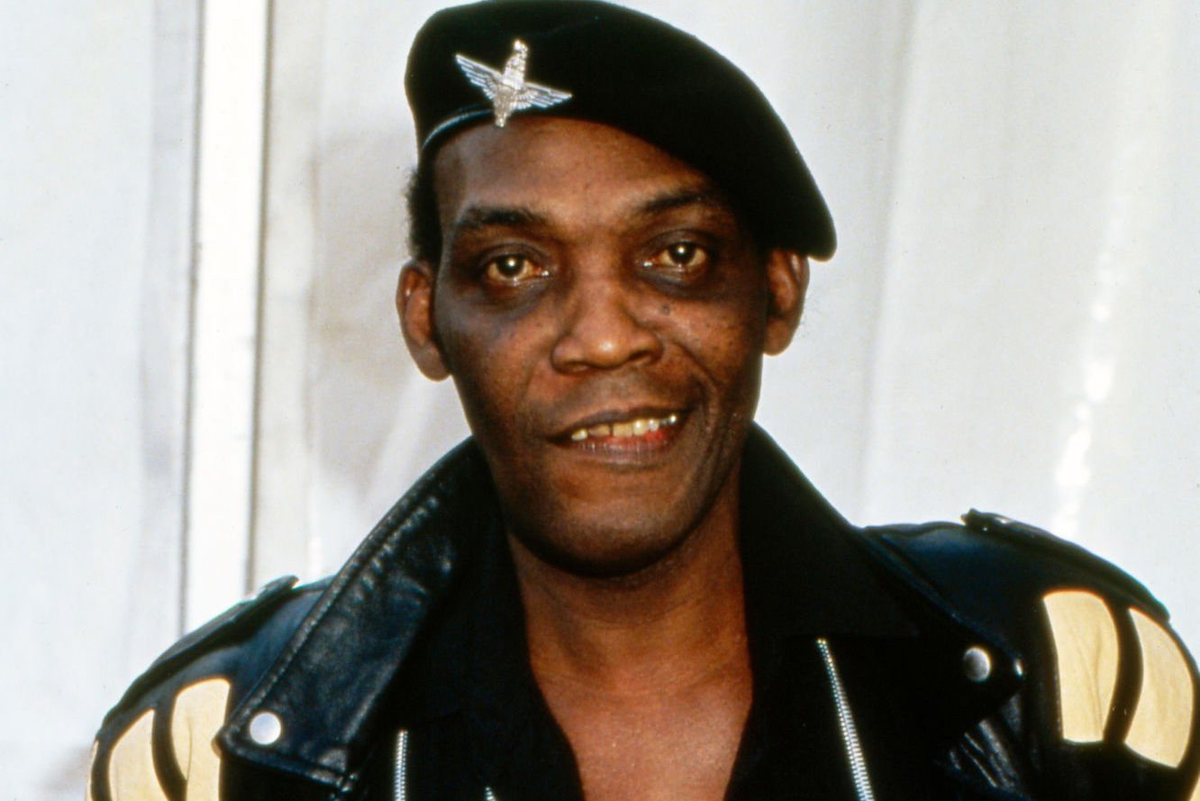
In the reggae market specifically, blank label 45s pressed for sound system operators often predate or bypass any commercial pressing run entirely, making them one-of-a-kind items.
Step 5: Cross-Reference Prices on Verified Databases
Popsike is a comprehensive database that archives completed eBay auction results for vinyl records, showing what collectors actually paid for specific pressings rather than relying on estimate-based pricing.
Combining Popsike’s auction history with Discogs marketplace data gives the most accurate picture of current vinyl record values across different selling platforms.
ValueYourMusic is a further resource that draws on a combined archive of tens of millions of completed auctions.
Step 6: Verify Condition Using the Standard Grading Scale
Mint condition and Near Mint copies are what make a record genuinely valuable. The condition of a vinyl record impacts its sound quality significantly.
Collectors look for records graded as Mint or Near Mint for the best audio experience, as records graded lower can have surface noise and scratches that detract from the listening experience.
In the reggae market, where the world is one where “mint” effectively means a bag of Lifesavers and “rare” is so common it is all but meaningless in conversation, adherence to the formal Goldmine or Discogs grading scale is non-negotiable before any transaction.
Step 7: Source from Trusted Specialists
As demand for original vinyl pressings increases, so does the presence of misleading listings and unofficial copies.
Buying from a trusted seller ensures that pressing details are accurately represented and that records are sourced responsibly.
Specialist reggae record stores and dealers often have authenticated copies and expert knowledge.
Estate sales and record fairs, particularly in areas with Caribbean communities, can also yield genuine finds.
What Drives Future Value: What Collectors Are Watching
The data from recent auction cycles shows that the market for the most valuable reggae records is not static.
The top-selling records in the reggae genre encompass a few different styles, with heavy emphasis on earlier ones like rocksteady and ska. However, collector interest is broadening.
Roots reggae LPs from independent Jamaican labels, dub LPs cut in tiny quantities for specialist sound systems, and early-1980s dancehall singles are all attracting new buyer attention.
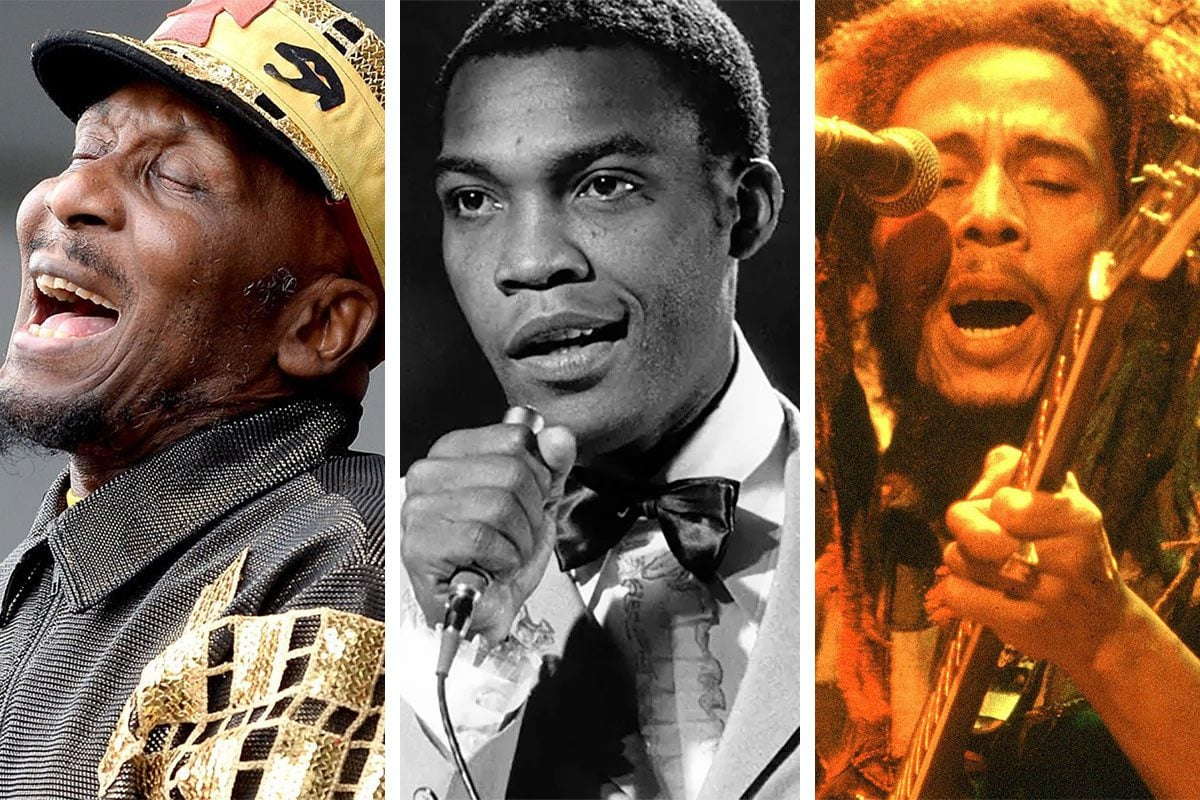
Serious collectors view rare reggae vinyl not only as collectible items but as investments, since rare vinyl tends to appreciate in value and can pay significant dividends for those wishing to sell or trade.
The fundamental rule remains unchanged: an original vinyl pressing is more than a record. It is a physical snapshot of music history, created at the time an album first entered the world.
These records carry the sound, materials, and production choices of their era, making them deeply meaningful to collectors and often far more valuable than later reissues.
Final Checklist Before You Buy or Sell
- Confirm the pressing country and label design against Discogs database entries
- Read the matrix numbers in the dead wax and cross-reference with Popsike’s completed auction archive
- Grade the record under strong direct light before assigning a condition rating
- Check the sleeve for barcodes, lamination quality, and paper weight as era markers
- Obtain provenance information from the seller wherever possible
- For high-value records (above $500), consider getting a second opinion from a specialist reggae dealer
The most valuable reggae records reward patience, education, and methodical authentication. The titles listed here represent confirmed sale data as of 2026. Prices will shift as collections change hands and new examples surface.
Check the databases listed in the Sources section regularly, and build relationships with reputable specialist sellers who operate transparently within the collector community.