

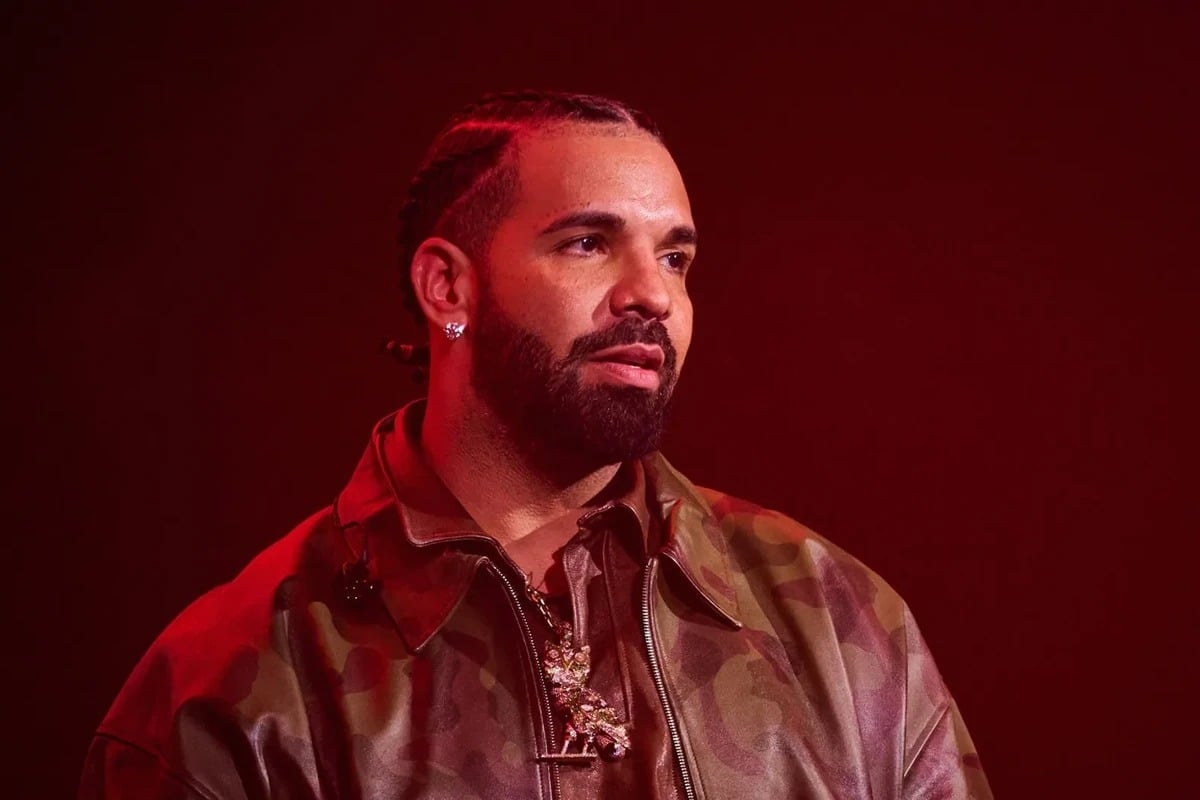
Drake’s fight over “Not Like Us” has picked up some unexpected opponents along the way. Outside legal scholars and social scientists have filed briefs backing Universal Music Group, weighing in on artistic expression and how rap lyrics should be read. Now the whole thing lands in front of a federal appeals court this winter.
The U.S. Court of Appeals for the Second Circuit has scheduled oral arguments for Dec. 4. Attorneys for Drake and UMG will appear before a panel of three judges as the rapper tries to revive a lawsuit a federal judge threw out last year.
For anyone who has lost track, Drake filed the suit in January 2025. He accused UMG of defamation, harassment and deceptive business practices over the release and promotion of Kendrick Lamar’s 2024 diss track. Lamar himself is not a defendant, which has always been one of the stranger details of the case.
Drake’s argument has stayed consistent from day one. He says UMG knowingly amplified allegations in the song that he considers false and damaging. In his view, this was never just two rappers trading shots but a label pushing claims it should have known better than to promote.
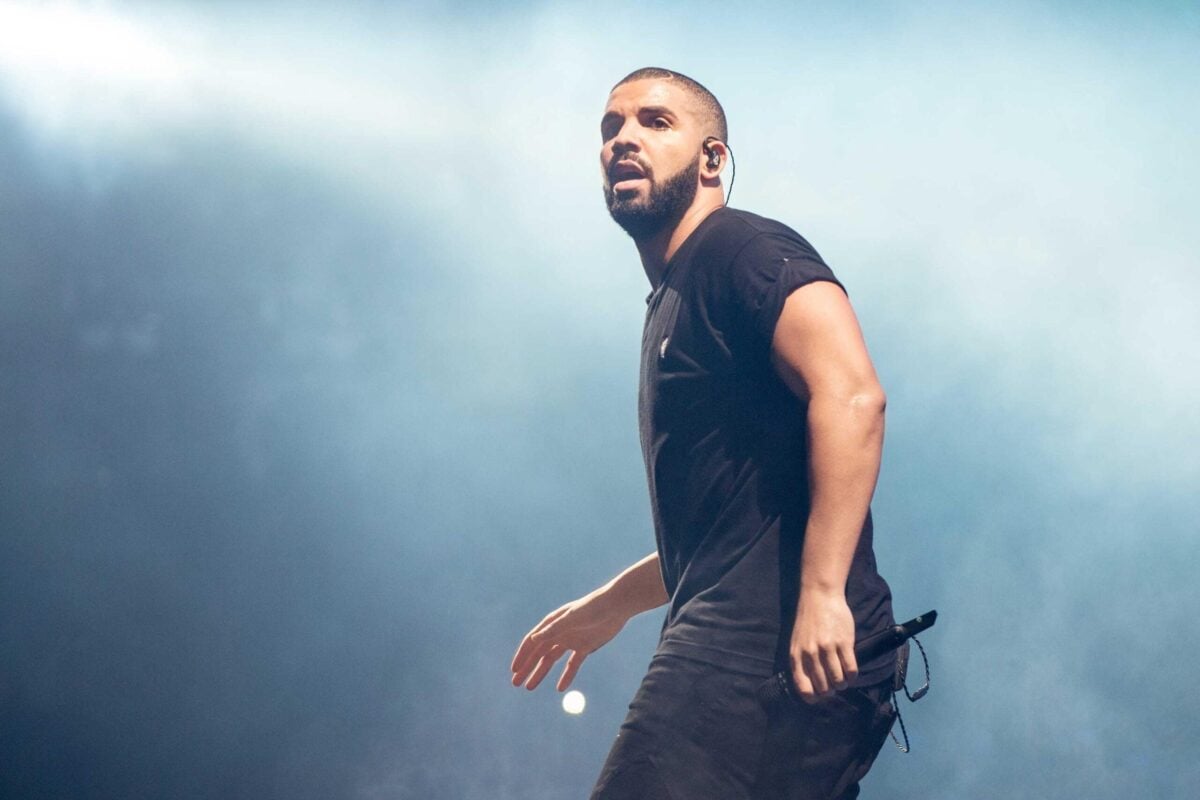
UMG sees it completely differently. The label argues the track has to be understood within the context of a rap battle, a format built on exaggeration and insult, and that it counts as protected artistic expression.
That argument won the first round. U.S. District Judge Jeannette Vargas dismissed Drake’s claims on Oct. 9, 2025, ruling that the challenged statements in “Not Like Us” were nonactionable opinion.
Her decision said a reasonable listener could not have taken the song as presenting the allegations about Drake as objective facts.
Drake’s team pushed back hard on that reasoning in its appeal. They argue the lower court set an overly broad rule for statements made in rap diss tracks.
If that rule holds, the thinking goes, almost anything said in a battle record could be shielded from a defamation claim.
That’s where the outside briefs come in. The scholars and social scientists siding with UMG are addressing exactly that question of interpretation, which suggests the case has grown into something bigger than one feud. How courts read rap lyrics has been a live debate for years, and this appeal puts it squarely on the table.
The backdrop is hard to ignore. “Not Like Us” became the defining record of the 2024 beef, then swept five Grammys in February 2025, including Record and Song of the Year.
Lamar performed it during his Super Bowl LIX halftime show that same month, just weeks after Drake filed suit.
Both sides have already submitted extensive written arguments, and UMG has asked the court to uphold the dismissal. The Dec. 4 hearing gives the judges their chance to grill both legal teams directly.
Don’t expect a ruling on the spot, though, since a decision isn’t expected right after arguments wrap.