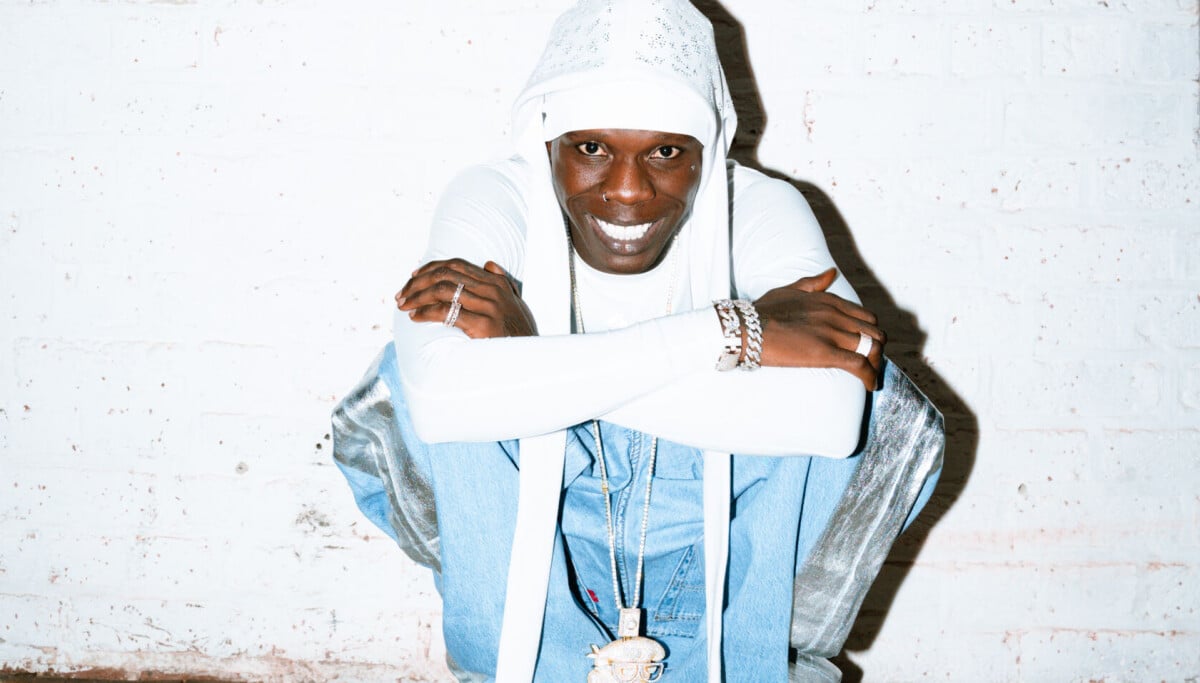


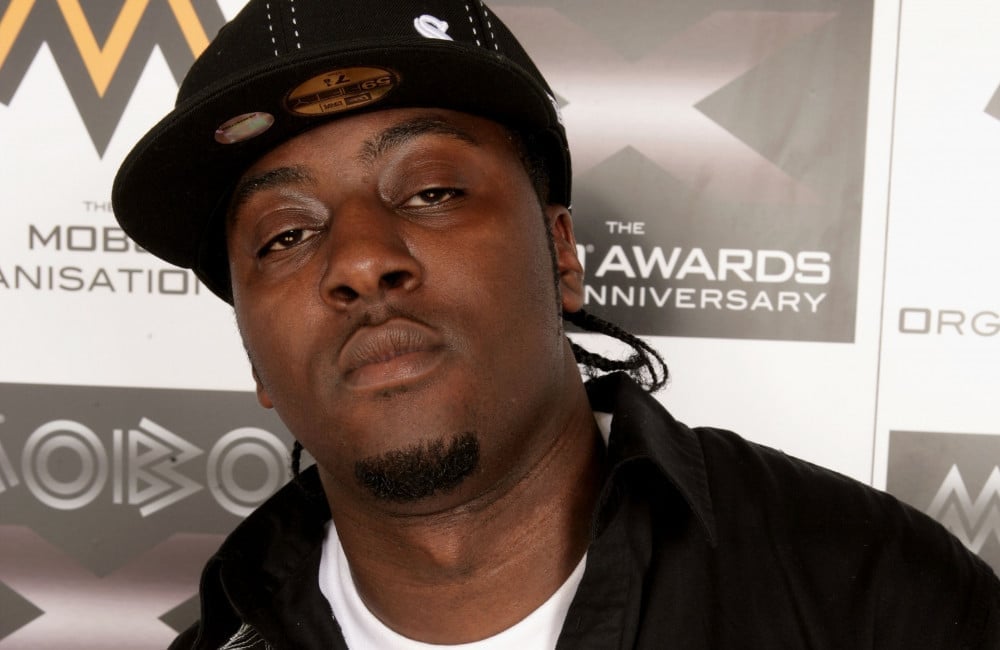
The detail that still hits hardest about Sway DaSafo’s legacy is that he beat 50 Cent and The Game to win Best Hip-Hop Act at the 2005 MOBO Awards, without a debut album out, without a major label behind him. He was unsigned, unsigned, and he still walked away with the prize that year.
Sway DaSafo, born Derek Safo in North London to Ghanaian parents, died on Thursday, September 17, at his home in Ghana. He was 44.
A cause of death has not been announced, with his passing confirmed by the MOBO Awards and a close friend who spoke to The Guardian.
MOBO released a statement describing the 2005 win as a moment that went far beyond one artist’s career. “
At a time when British rappers were still fighting to be recognised alongside their US counterparts, his win made a real statement about the talent, creativity and potential coming out of the UK,” the organisation wrote.
That context matters, because 2005 was not a moment when British Hip-Hop was being handed anything by the wider industry.
His debut album, “This Is My Demo,” arrived in 2006 and earned a Mercury Prize nomination, which placed him in serious artistic company across all genres, not just rap.
The single “Little Derek” reached No. 30 on the UK Singles Chart, and the project showed a rapper who could operate with real commercial instinct while keeping his independent footing.
Sway kept releasing music through his own Dcypha Productions label, which he also used to develop other artists coming up behind him. He eventually linked with Akon’s Konvict Music, with Akon appearing on his 2008 album “The Signature LP,” a pairing that showed how far his reach had extended internationally.
The commercial runs kept coming into the next decade. “Still Speedin'” went UK Top 20 in 2011, and “Level Up” climbed all the way to No. 8 in 2012, proving that his early momentum was not a one-time thing. He had built something that lasted.
His collaborator list reads like a cross-section of UK culture at different stages of its rise. Ed Sheeran, Kano, Riz Ahmed, and Akon all worked with him at various points, and he played an early role in the music career of KSI, who has since become one of the most-watched figures in British entertainment. That kind of influence rarely gets measured properly while someone is still alive.
Sway also moved into acting, appearing in the 2011 premiere of “Top Boy,” the Channel 4 drama that went on to become one of the most respected British TV exports of the past fifteen years.
He also appeared in the 2012 film “The Grind,” adding another dimension to a career that was never just about staying in one lane.
He grew up in North London, started out with Phynix Crew and One, and then built his solo career brick by brick without waiting for permission from the mainstream.
The fact that he was doing all of this while also rooted in Ghana, where he was living at the time of his death, says something about how he moved through the world on his own terms.
MOBO closed their statement with a message to his family and to everyone who grew up listening to him. Tributes from across the UK music community have been building since the news broke, and the conversation about where Sway sits in British Hip-Hop history is very much still happening.