

Kingston, Jamaica is not simply a capital city. It is arguably the most concentrated source of popular music innovation on earth, and any serious music tour of Kingston will make that case without effort.
Kingston is recognized by UNESCO as a Creative City of Music and is officially noted as the birthplace of six musical genres, including dancehall, a designation that places it in the company of cities like Nashville, Seville, and Bogota.
From the government yards of Trenchtown where reggae was born in poverty and brilliance, to the vinyl presses still spinning on Marcus Garvey Drive, to the open-air street dances that pulse every week through the city’s neighborhoods, Kingston rewards the musically curious traveler in ways that no beach resort ever could.
This guide maps out the essential stops, the honest practical details, and the cultural context you need to plan a meaningful music tour of Kingston in 2026.
Why Kingston Is the Definitive Music Pilgrimage
What began as a practical solution to poverty and limited entertainment access in post-war Kingston has grown into a global force that directly seeded reggae, dancehall, dub, hip-hop, jungle, drum and bass, grime, and dubstep. No other city of Kingston’s size can make a comparable claim.
Born in the sound systems, open-air sessions, dance spaces, and neighborhoods of Kingston, dancehall alone evolved from a physical place into a fully developed cultural force that would transform music production, nightlife, street fashion, deejay performance, dance, and global popular culture.
That history is not abstract here. It is embedded in specific streets, specific buildings, and specific communities, all of which are accessible to the visitor who comes prepared.
The Essential Music Tour of Kingston: Site by Site
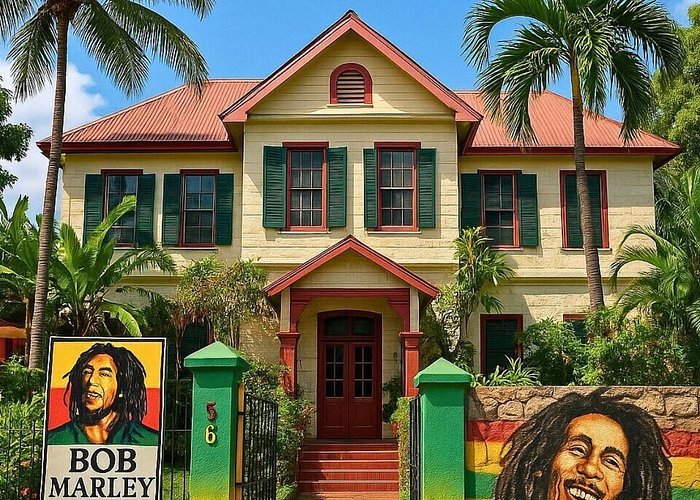
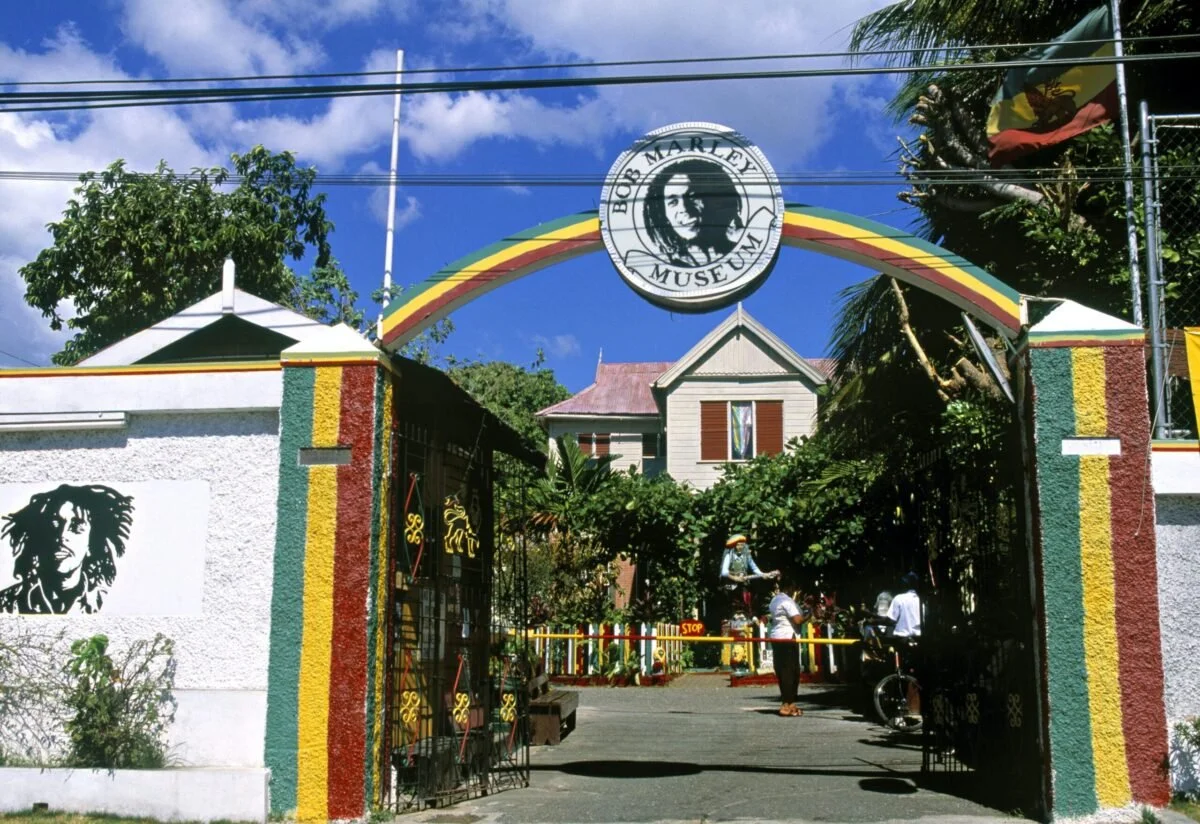
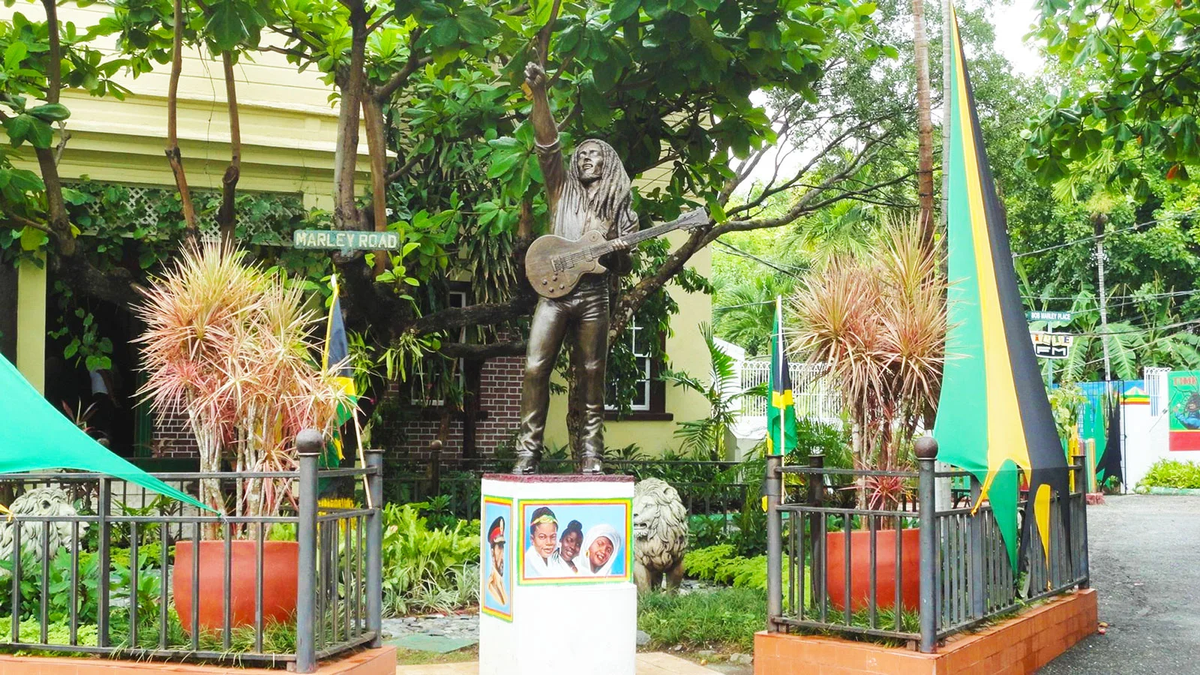
No music tour of Kingston begins anywhere else. The Bob Marley Museum is located at 56 Hope Road, Kingston 6, and is Bob Marley’s former place of residence. It was also home to the Tuff Gong reggae record label, which was founded by The Wailers in 1970.
The museum is situated on the site of the legendary musician’s home, which he purchased in 1975. This house, featuring 19th-century architecture, was Marley’s home until his transition in 1981. It was converted into a museum six years later by his wife, Mrs. Rita Marley.
This is an Official Grammy Affiliate and National Jamaican Heritage Site. The guided experience takes approximately 75 minutes and is structured to move visitors through the full compound.
On this tour, you explore the Main House, Recording Studio, Bedroom, Exhibition Hall, Theatre, Gift Shop, and the One Love Cafe.
The highlights inside are genuinely remarkable. The displays include a life-size three-dimensional hologram of Bob from the One Love Peace Concert in 1978, his Grammy Lifetime Achievement award, his personal recording studio, his bedroom, favourite clothing, a vast array of gold and platinum records received from all around the world, as well as the costumes of his back-up singers, the I-Threes.
The property also features a well-equipped 80-seat theatre, a photographic gallery, a record shop and a gift shop filled with a wide array of Bob Marley memorabilia.
Practical notes: Tours are offered Monday through Saturday every thirty minutes, from 9:30 am up until 4:30 pm. Visitors are not allowed to take pictures inside the museum. Book tickets in advance through the official website to avoid disappointment, and be alert to scam phone numbers: a number of recent visitors have reported that the museum’s website has been hacked, with phone numbers redirected. Go directly to the museum in person to buy tickets, or you may get scammed.
A short ride from Hope Road, Tuff Gong International is the recording facility that Bob Marley built into one of the Caribbean’s premier studios, and it remains in active operation today.
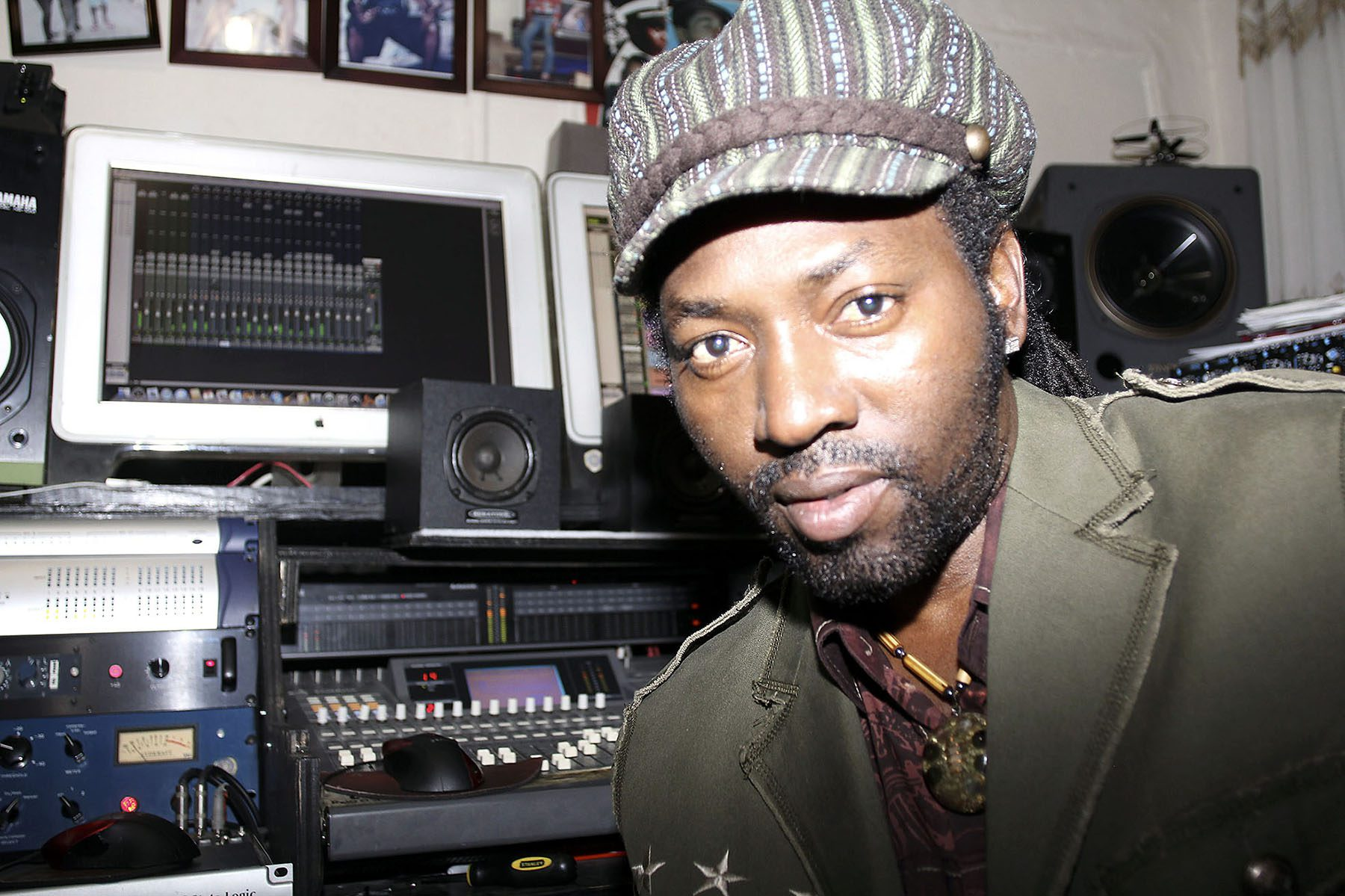
The world-renowned Tuff Gong Studio, founded by Bob Marley in Kingston, Jamaica, is one of the largest audio recording facilities in the Caribbean, with state-of-the-art equipment and an atmosphere that is conducive to creativity.
The studio is the iconic recording complex founded by Bob Marley and later expanded by his wife Rita Marley.
The guided “Making of the Music” tour lasts approximately 60 minutes and is genuinely interactive.
It offers an “edutaining,” 60-minute interactive behind-the-scenes look at the record-making process, from rehearsal to album.
The rehearsal room, the first stop on the tour, is the springboard for understanding how an artiste’s performance and recording is prepared and perfected.
The rehearsal room is replete with stage, microphones, keyboards, drums, control board and other instruments, including one of Bob’s very own grand pianos, and has been the ideal honing space for many of the greatest names in the world’s music industry.
One of the most singular experiences available on any music tour of Kingston is the vinyl plant. You will learn how compact discs are made, duplicated and labeled for worldwide distribution as you walk through one of the planet’s few remaining operational vinyl record manufacturing plants, and discover firsthand how records are made, from the original acetate disc and vinyl pebbles, to the final pressed 45 or LP.
Bob Marley’s motorcycle, his three-quarter-ton truck, and original recording equipment remain carefully preserved, while the studios continue to produce music for artists from Jamaica and around the world.
Practical notes: Starting at $20 USD, tours are offered Monday through Saturday, every half hour from 9:30 AM until 4:00 PM. Tuff Gong is closed on Sundays and some major public holidays.
Trench Town Culture Yard, First Street
If Hope Road is where Bob Marley achieved global fame, then Trench Town is where he was forged. The Trench Town Culture Yard Museum is more than just an exhibition space; it is a protected national heritage site located in the heart of the neighborhood that became the cradle for many musical geniuses. This unique complex in Kingston consists of restored 1940s housing blocks built for communal living.
The Trench Town Culture Yard is the “government yard” where Bob Marley and the Wailers lived and composed many of their best-known songs.
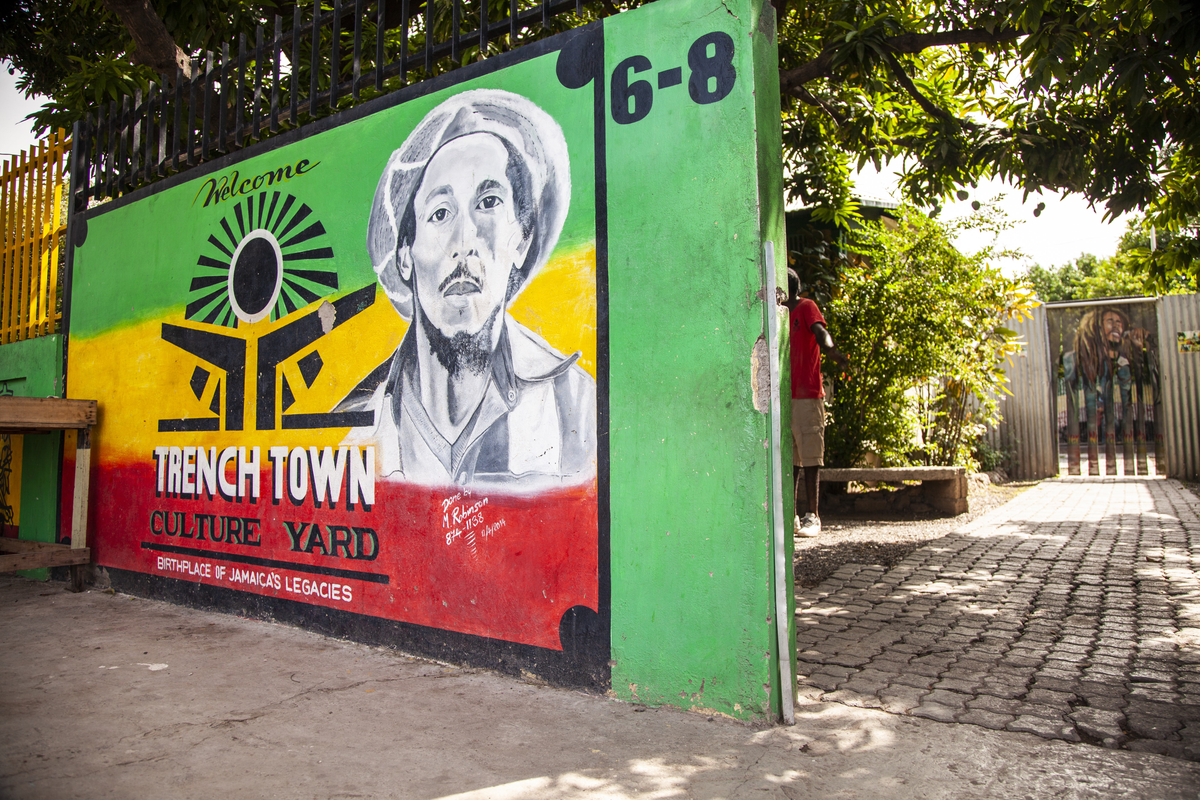
These “government yards” consisted of blocks of around 10 to 20 rooms surrounding a common cooking and washing area. In 2007, the yard was declared a national heritage site.
The site has preserved the authentic lifestyle and instruments belonging to icons such as Bob Marley, Peter Tosh, and Bunny Wailer.
At the culture yard you can see Marley’s old bedroom with bed, his first guitar and the shell of his Volkswagen camper van.
The museum also includes a gallery of photographs, artefacts and documents telling the story of Trench Town.
After strolling through the historic blocks, stop by the Lion of Judah Courtyard, a cozy space for relaxation where live music often plays.
At the local Casbah Cafe, you can sample traditional Jamaican dishes, while the craft shops offer unique handmade souvenirs created by Trench Town artisans.
The Culture Yard is owned and operated by neighborhood residents, organized to provide an engaging experience, authentic to life in this West Kingston district.
Practical notes: The culture yard is open daily from around 9 a.m. to 6 p.m. Travelers can tour the Culture Yard for $20, visit the yard and Marley’s mother’s house for $28, or take a guided tour of the neighborhood for $40. It is advisable to visit the Trench Town Culture Yard with a guide who knows the area and not to visit at night time.
Orange Street, known locally as “Beat Street,” is the birthplace of Dennis Brown and was home to Studio One Records. Walking this single street is like reading a compressed encyclopedia of Jamaican popular music.
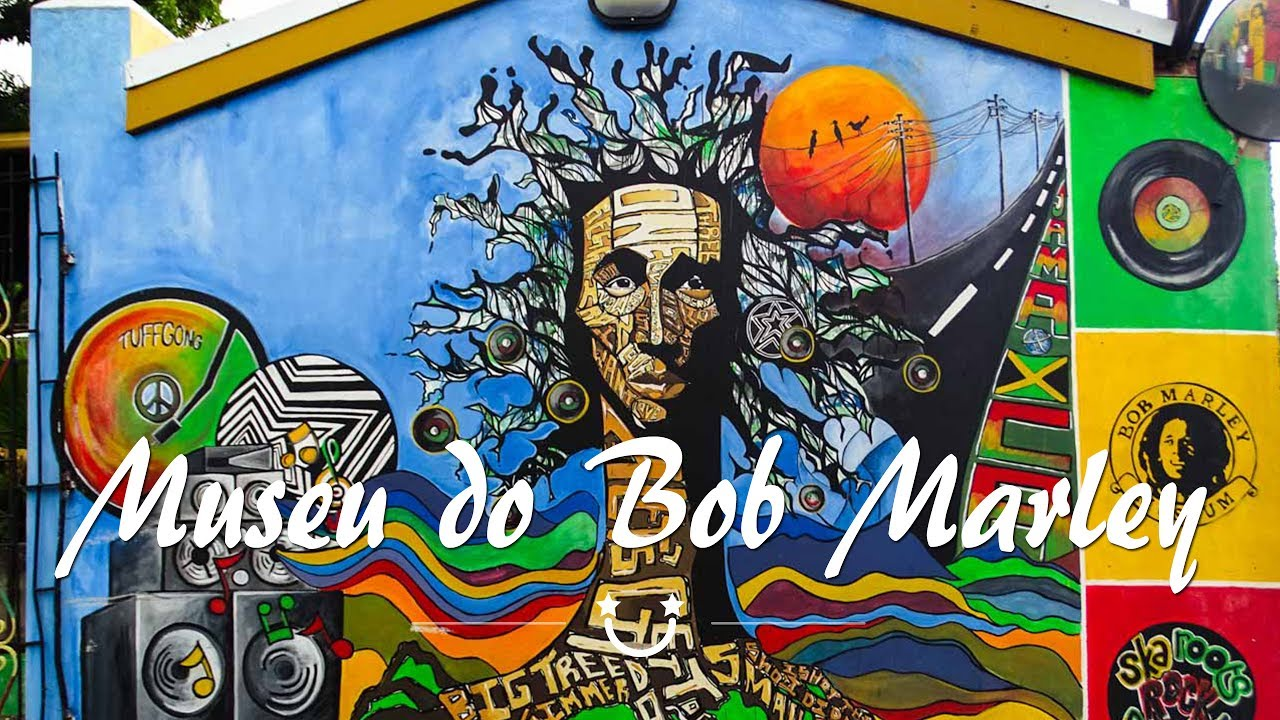
The street showcases historic studios of producers like Clement ‘Coxsone’ Dodd, Lee ‘Scratch’ Perry, and Cecil ‘Prince Buster’ Campbell, with murals celebrating Reggae, Ska, and Rocksteady that embellish the walls of Beat Street.
Studio One itself is one of the foundational institutions in all of popular music. Studio One is one of Jamaica’s most renowned record labels and recording studios, described as the Motown of Jamaica.
The label was involved with most of the major music movements in Jamaica during the 1960s and 1970s, including ska, rocksteady, reggae, dub, and dancehall.
Also on the tour route is Rockers International, the last recording studio on “Beat Street.” The record shop attached to Rockers International is one of the finest places in the world to dig for vintage Jamaican vinyl, a fact that independent music travelers have known for decades.
Music lovers should take a slow and relaxed walking tour through Kingston Town on the iconic Orange Street to learn how Reggae was born, visit record shops and recording studios.
Most organized music tours of Kingston include Orange Street as a stop, and it is equally rewarding to walk independently during daylight hours.
Structured Tour Options in 2026
For first-time visitors, a guided music tour of Kingston makes practical and historical sense. Several well-regarded operators have been consistently reviewed by travelers.
Jamaica Cultural Tours is one of the most frequently mentioned operators. A two-day Kingston itinerary with this operator has included visits to Trench Town, the Bob Marley Museum, a cultural wall art tour, the University of the West Indies at Mona, a recording session at Tuff Gong Studios, and lunch at Terra Nova.
One Stop Cultural Tours Jamaica is another operator with strong recent reviews. A day spent with One Stop Cultural Tours Jamaica immersed in music and culture receives high praise, with one notable highlight being the Bunny “Striker” Lee museum and studio.
The Sounds of the City Tour offered in Downtown Kingston is a dedicated music history experience. This three-hour bus tour immerses guests in Jamaican music history, visiting Orange Street and the historic studios of producers like Clement ‘Coxsone’ Dodd, Lee ‘Scratch’ Perry, and Cecil ‘Prince Buster’ Campbell.
A combined “One Love” ticket through the Bob Marley Museum bundles the Hope Road house tour with the Tuff Gong studio experience.
The Combo “One Love” Tour includes a 75-minute tour of the house where Bob Marley and his family lived, followed by a 60-minute tour of the studio.
Street Dances and Sound System Culture: Kingston After Dark
No music tour of Kingston is complete without encountering its living nightlife tradition. Kingston’s street dance culture is not a performance arranged for tourists; it is a genuinely functioning community institution with roots stretching back decades.
Early sound systems consisted of a turntable, amplifiers, and towering speaker boxes, custom built to establish an identifiable, far-reaching sound. Because very few people had the money to buy records, the main way people were introduced to new music was either in dancehalls or at street parties.
Whoever owned and operated the portable sound systems was therefore in a position of influence when it came to setting musical trends.
The earliest sound clashes reportedly took place between Tom Wong’s Tom the Great Sebastian sound and Duke Reid’s Trojan sound in 1952. That competitive tradition survives today in regular clashes throughout the city.
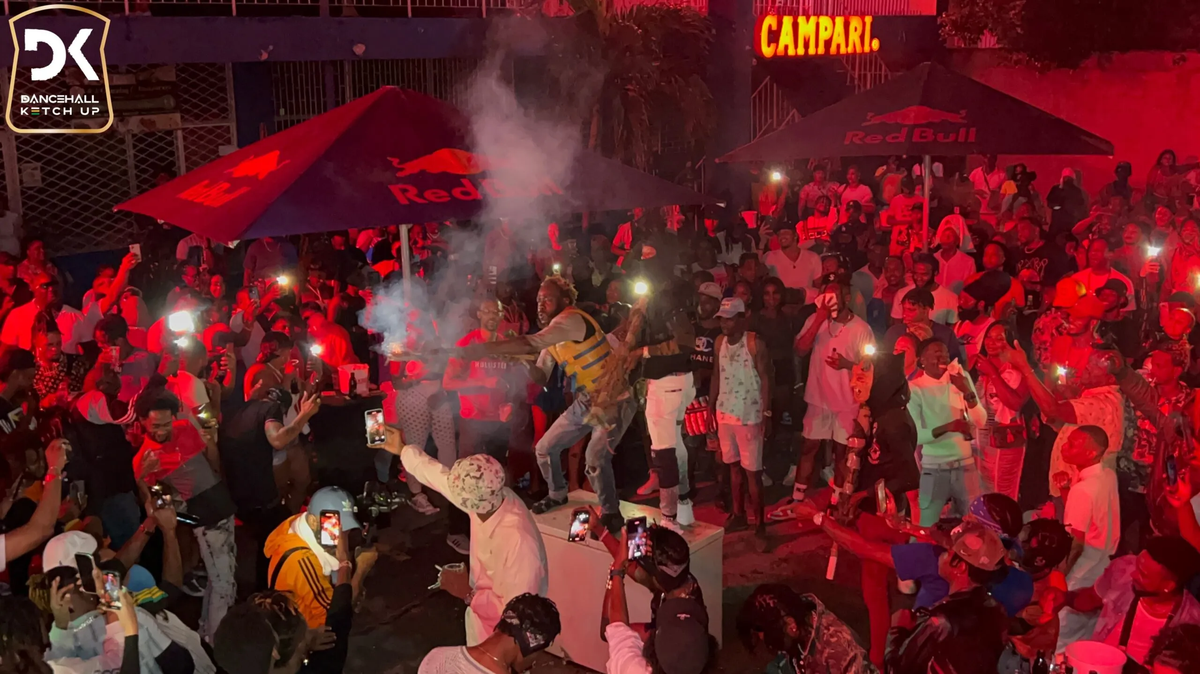
Street dances fill an important role in providing entertainment and an expressive outlet for Kingston’s poorest. Dances are held for special occasions, including birthdays, funerals, and holidays.
Many started as one-off parties but were so popular they became established as regular weekly events. Typically, a section of street is blocked off to traffic and huge towers of speakers are set up.
Long before dancehall reached international audiences through music videos, streaming platforms, and social media, it lived in the streets of Kingston.
Local communities gathered around powerful sound systems, selectors introduced new riddims, dancers created original moves, and artists tested songs in front of live crowds.
These street dances became the foundation of a culture that continues to influence music, fashion, language, and entertainment around the world.
The Kingston Dancehall Party Calendar is your go-to guide for weekly street dances, sound system clashes, and authentic Jamaican nightlife.
Whether you are a local or visiting Jamaica, the calendar keeps you in the loop with the biggest and most exclusive parties, from Weddy Wednesdays to Boom Sundays and everything in between. Resources like streetsofjamaica.com publish updated weekly schedules.
Practical Planning for Your Kingston Music Tour
Getting around: Kingston’s music landmarks are spread across the city. The Bob Marley Museum sits on Hope Road in uptown Kingston, while Trench Town and Orange Street are in the downtown and western parts of the city. Use licensed taxis, ride-share apps, or tour shuttles to safely get to and from attractions. Avoid unmarked taxis.
Safety: Kingston has a reputation that can intimidate first-time visitors, but the primary music heritage sites are well-trafficked and manageable with common sense. Kingston is busy, so keep your phone, wallet, and bag secure and avoid flashing valuables. The Bob Marley Museum area is a safe area, but it is best not to wander off alone into unfamiliar streets. For Trench Town specifically, a local guide is strongly recommended.
When to go: Tours at the Bob Marley Museum and Tuff Gong run Monday through Saturday. Both sites are closed on Sundays and public holidays, so plan accordingly. The dry season, roughly December through April, offers the most comfortable walking conditions.
What to wear: International guests should wear comfortable clothing including walking shoes. As with all tropical climes, insect repellent, sunscreen and attention to hydration are encouraged.
Combining sites: The most efficient approach is to book the Bob Marley Museum and Tuff Gong as a combined tour in the morning, then use the afternoon for Orange Street, Rockers International, and a walk through the downtown mural district. Reserve a separate day, ideally with a structured cultural tour operator, for Trench Town and a street dance in the evening.
Beyond the Big Three: Additional Music Stops Worth Your Time
The Bunny “Striker” Lee Museum: A lesser-known gem on the Kingston music circuit, the Bunny “Striker” Lee museum and studio stands out on music tour itineraries, with guides providing a hands-on experience for visitors. Bunny “Striker” Lee was one of the most prolific producers of the reggae and dancehall era and his archive is a treasure for serious students of the music.
The National Gallery of Jamaica: The National Gallery is situated in the art district near the waterfront. For a very modest fee you can spend at least an hour or two viewing the delights of Jamaican art, with a vast spectrum of paintings and objects to see, both old and new, colonial and indigenous. The gallery has hosted exhibitions directly tied to reggae culture.
The Downtown Mural District: A walking tour of the Downtown Art District along Orange Street, with stops at Rockers International Record Shop, Trench Town Culture Yard, and Tuff Gong Studios, can be combined into one extended day. The murals that cover the walls of Beat Street and the surrounding blocks function as a free, open-air museum of Jamaican music history.
The Deeper Story: Why Kingston’s Music Scene Matters
The music born in Kingston did not stay in Kingston. What began as a practical solution to poverty and limited entertainment access in post-war Kingston has grown into a global force that directly seeded reggae, dancehall, dub, hip-hop, jungle, drum and bass, grime, and dubstep.
Today, dancehall can be heard in reggaeton, hip-hop, Afrobeats, UK bass music, Caribbean club culture, and global pop.
Understanding that lineage, standing in the yard where the Wailers rehearsed, putting your hands on the same mixing desk descendants of those early engineers still operate, is precisely what makes a music tour of Kingston unlike any other travel experience in the world.
The city does not simply preserve its musical past. It continues to generate new music at a rate that defies its size. Come with open ears and the itinerary above, and Kingston will exceed every expectation.