

If you are searching for artists like Bob Marley, you are looking for something very specific: music that fuses irresistible rhythm with spiritual depth, social consciousness, and a sense of hard-won joy.
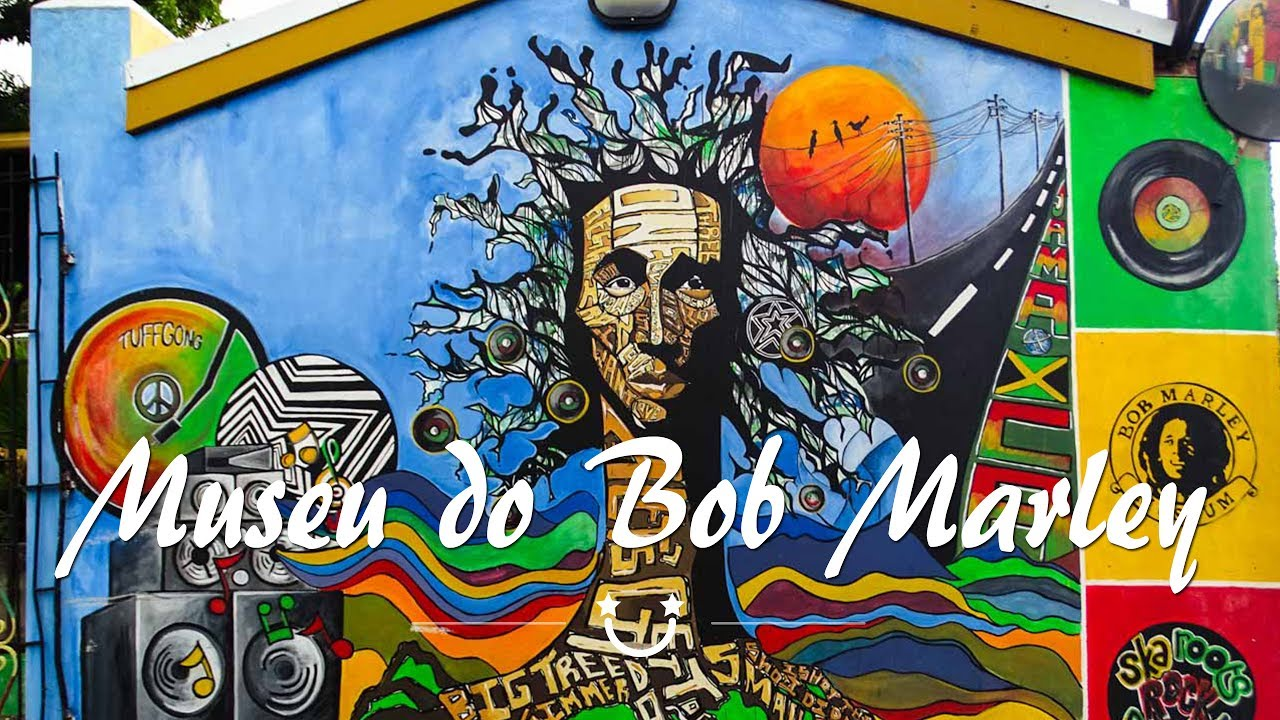
Jamaican singer-songwriter Bob Marley helped introduce reggae music to the world and remains one of the genre’s most beloved artists, having sold more than 75 million records.
He was posthumously inducted into the Rock and Roll Hall of Fame in 1994, and in December 1999 his 1977 album Exodus was named Album of the Century by Time Magazine, while his song “One Love” was designated Song of the Millennium by the BBC.
Even decades after his passing, his retrospective Legend has spent more than 570 weeks on the Billboard Top 200 chart since its 1984 debut.
No artist can truly replicate what Marley created. But the ten artists below share his essential qualities: roots reggae rhythms, Rastafari spirituality, politically charged lyricism, and a commitment to music as a vehicle for change.
Whether you want to dig into the original Wailers era or discover the genre’s vibrant new generation, this list has a starting point for you.
1. Peter Tosh
If you want to hear the other voice that built the sound you love, start with Peter Tosh. A core member of the original Wailers alongside Bob Marley, Peter Tosh carved his path with his revolutionary spirit and unwavering demand for justice.
Born Winston Hubert McIntosh in 1944 in Westmoreland, Jamaica, Peter Tosh was a founding member of the Wailers, a popular reggae band of the 1960s and early 1970s.
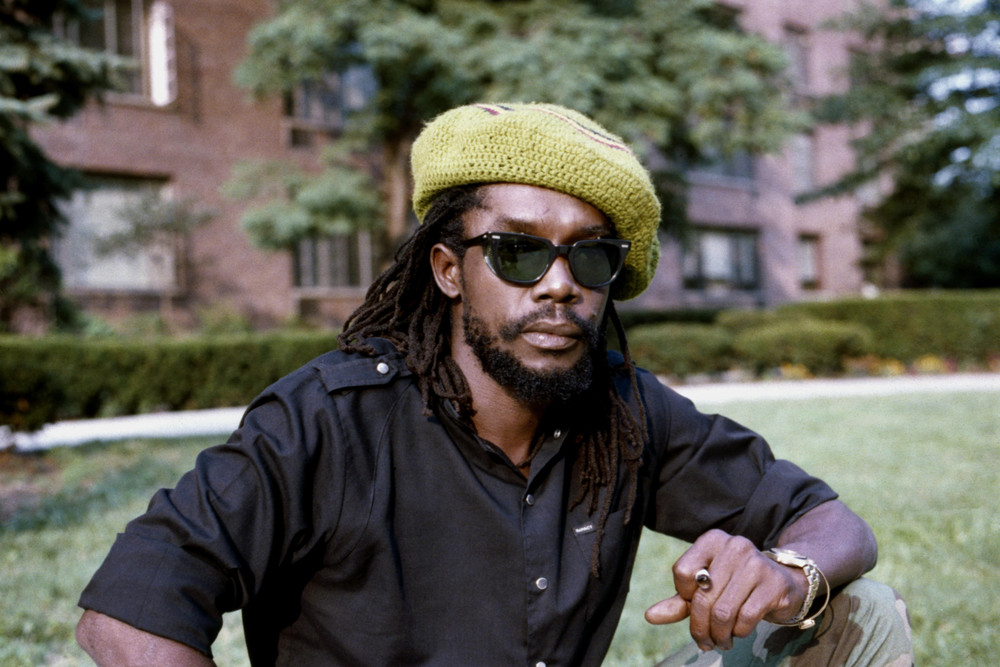
After going solo with the campaigning record Legalize It (1976), he signed to the Rolling Stones’ label and collaborated with Mick Jagger and Keith Richards on the album Bush Doctor (1978).
While Marley sang “One Love,” Tosh took a more direct political approach, calling for equality on Equal Rights (1977) and becoming the first artist to rage against the injustice of apartheid. He won the Grammy Award for Best Reggae Performance for his final album No Nuclear War.
Start with: Equal Rights (1977) and Legalize It (1976)
2. Bunny Wailer
The third founding member of the original Wailers, Bunny Wailer is the most direct link to Marley’s earliest creative world.
He was an original member of reggae group The Wailers along with Bob Marley and Peter Tosh, and is considered, as a three-time Grammy Award winner, one of the longtime standard-bearers of reggae music.
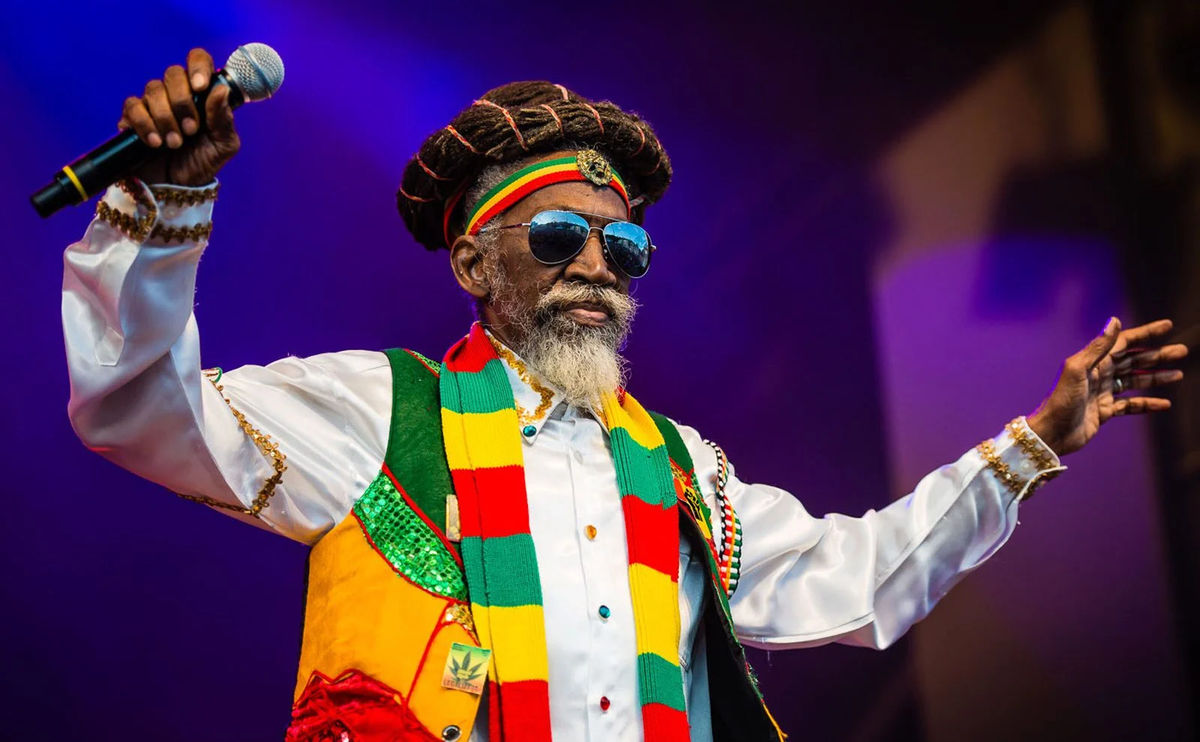
After committing years to the development of the Wailers, he left the band in 1973 and spent the rest of his life in an active and shifting solo career that produced roots reggae masterpieces like 1976’s Blackheart Man and a slew of Grammy-winning records throughout the 1990s. His tenor was, as AllMusic noted, “the perfect high-harmony foil” for Marley and Tosh.
Start with: Blackheart Man (1976)
3. Jimmy Cliff
A shining star of reggae beginning in the early 1960s, Jimmy Cliff was one of the most powerful factors in bringing Jamaican music to worldwide popularity with both his powerful songs of peace and unity and his lead role in the 1972 film The Harder They Come.
With his hit “Wonderful World, Beautiful People” (1970) and the landmark film The Harder They Come (1972), Cliff became reggae’s biggest star in the years before Marley’s international breakthrough.
He earned a Grammy for Cliff Hanger in 1985, collaborated with the Rolling Stones, Rancid, and Elvis Costello, and received a 2009 induction into the Rock and Roll Hall of Fame.
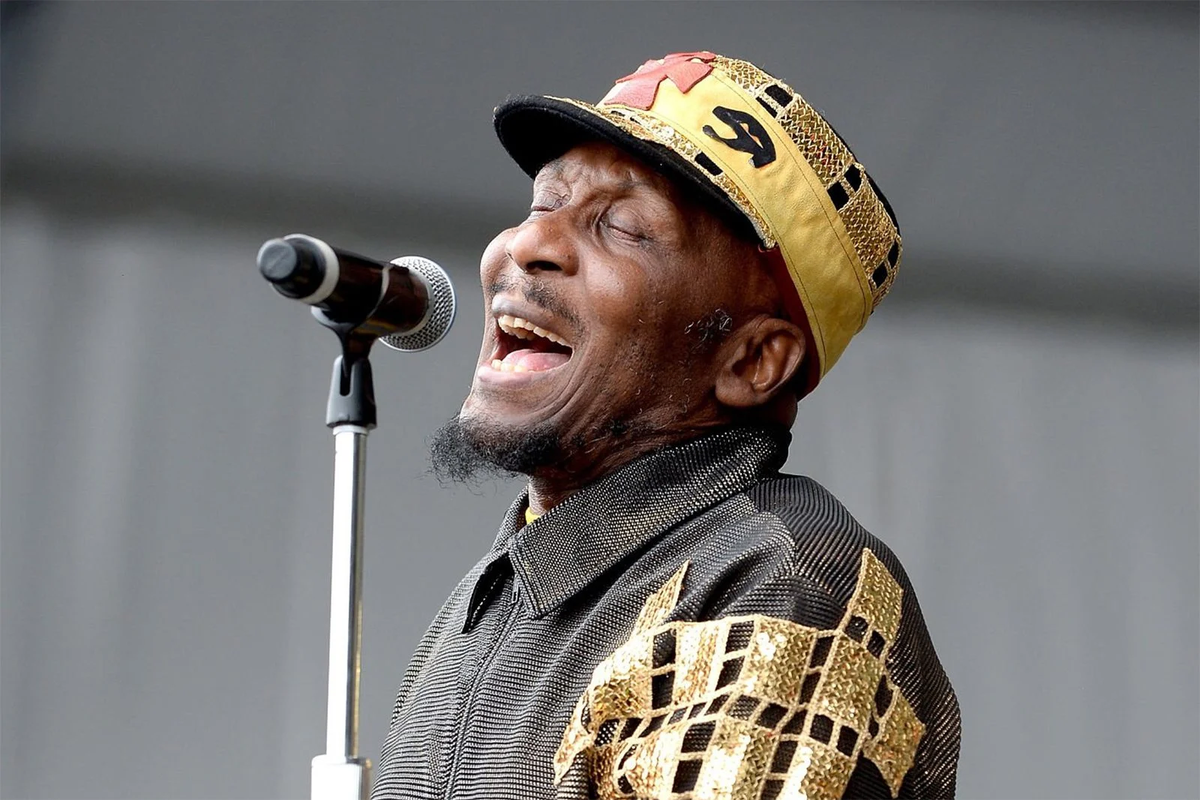
Jimmy Cliff passed away on November 24, 2025, at the age of 81; he was remembered for songs like “Sittin’ in Limbo,” “You Can Get It If You Really Want,” and “Many Rivers to Cross,” and at the time of his death was the only living reggae musician to hold the Order of Merit, the highest honour that can be granted by the Jamaican government for achievements in the arts and sciences.
Start with: The Harder They Come soundtrack (1972)
4. Toots and the Maytals
Before most people had even heard the word “reggae,” Toots Hibbert was inventing it. It was actually Toots Hibbert of The Maytals who coined the term “reggae” for the first time on the 1968 song “Do The Reggay.”
That alone earns him a permanent place in the music’s history, but his output is equally essential listening for any Marley fan.
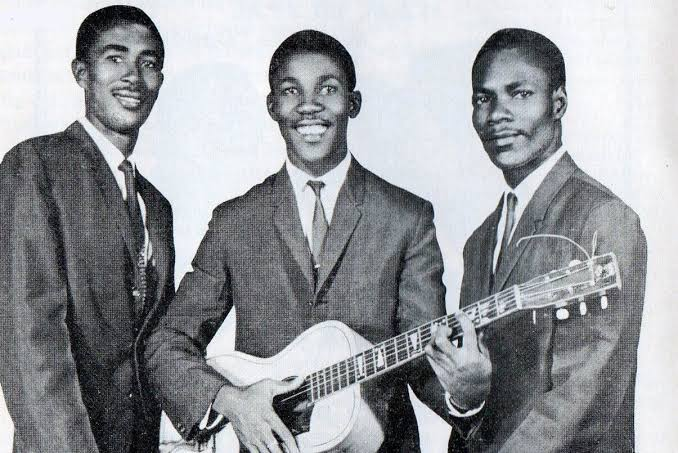
Third World is a Jamaican band that blends reggae with elements of soul, funk, and disco, with hits like “Now That We Found Love” and “96 Degrees in the Shade.” Toots and the Maytals pushed in a similar direction, mixing Jamaican rhythms with American soul and gospel in a way that gave the genre an immediate emotional charge.
The Maytals’ catalog spans ska, rocksteady, and reggae, making them the perfect artist to hear the full evolutionary arc of the music Marley mastered.
Start with: Funky Kingston (1973) and Toots Live (1980)
5. Burning Spear
Where Marley offered uplift, Burning Spear delivers a more meditative, almost ceremonial weight. Burning Spear, also known as Winston Rodney, has a deep, spiritual sound, and tracks like “Marcus Garvey” and “Slavery Days” from his album Marcus Garvey are essential reggae listening.
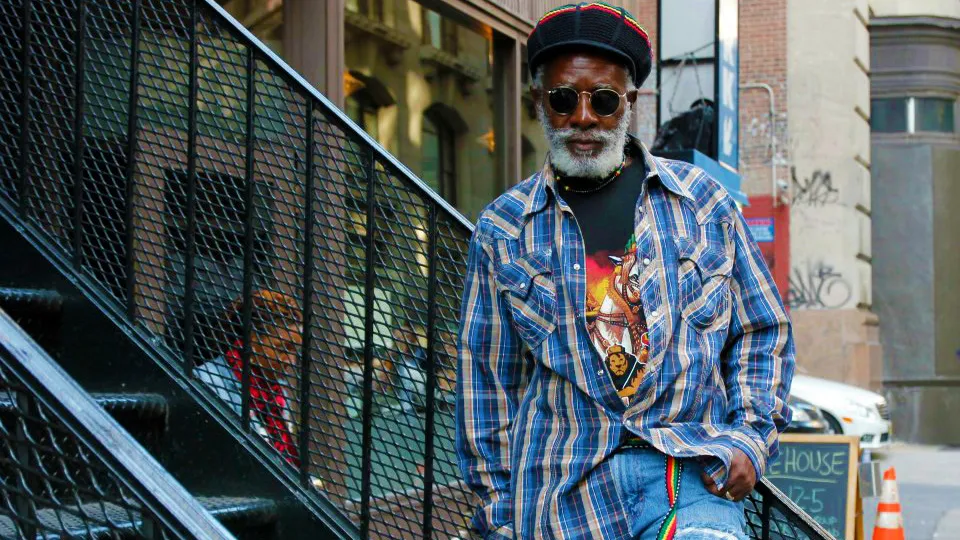
Burning Spear is one of the most decorated artists in Grammy history for the reggae category. He won the Grammy Award for Best Reggae Album in 1999 for Calling Rastafari and again in 2008 for Jah Is Real.
His work is deeply rooted in Pan-African consciousness and Rastafari philosophy, making his music a natural companion to Marley’s most spiritually ambitious recordings, such as Exodus and Survival.
Start with: Marcus Garvey (1975) and Hail H.I.M. (1980)
6. Alpha Blondy
For listeners who love the way Marley carried reggae beyond Jamaica to speak to listeners across the globe, Alpha Blondy is a revelation. Alpha Blondy is an Ivorian reggae artist whose music often addresses social and political issues.
Like Bob Marley, Alpha Blondy brings a distinctive fusion of reggae with African influences into the musical landscape.
Both artists share the roots of reggae style, with Blondy’s music incorporating elements of Ivorian and West African rhythms.
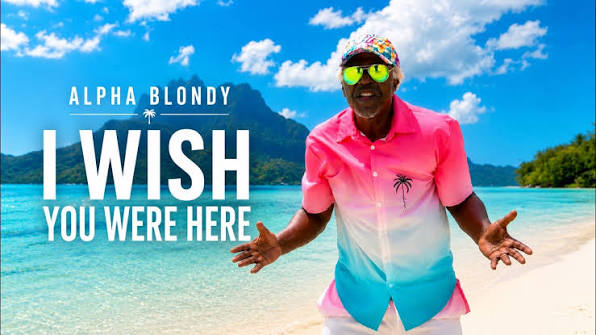
Their lyrics touch on universal themes such as love, peace, and unity and address the socio-political issues in their respective regions.
Blondy sings in Dioula, French, English, and Arabic, turning reggae into a genuinely multilingual, continental force.
He is one of the best-selling African artists of all time, though specific sales figures vary by source and are not confirmed here.
Start with: Jerusalem (1986) and Cocody Rock (1984)
7. Steel Pulse
Steel Pulse proved that Marley’s message could take root far from the Caribbean. Formed in Birmingham, England, in 1975, the band became one of the most important voices in British roots reggae.
Steel Pulse won the Grammy Award for Best Reggae Album in 1986 for Babylon the Bandit. Their sound combines the rolling rhythms of Jamaican roots music with a lyrical focus on the Black British experience, racism, and global injustice, covering the same moral terrain that Marley navigated from Kingston.
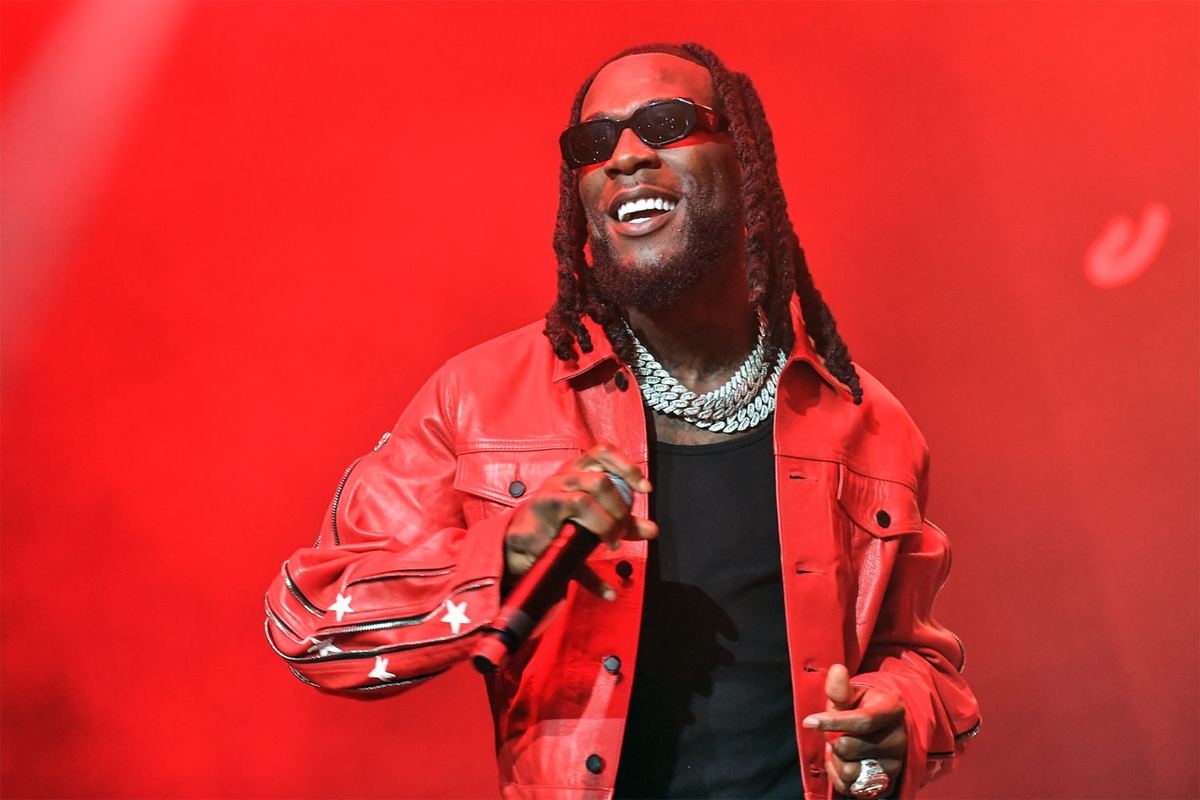
Steel Pulse aligned themselves with the early British punk scene, sharing stages with The Clash and building an audience that saw no contradiction between reggae and rock rebellion.
Their debut album Handsworth Revolution (1978) remains a landmark in the British reggae canon.
Start with: Handsworth Revolution (1978) and Babylon the Bandit (1985)
8. Ziggy Marley
The most direct artistic heir to his father’s legacy, Ziggy Marley has never simply coasted on his surname.
Born October 17, 1968, in Jamaica, Ziggy Marley is a multiple Grammy-winning musician known for songs like “Tomorrow People” and “Love Is My Religion.”
Ziggy has won more Grammy awards than any other reggae artist in the Best Reggae Album category, taking home a total of six Grammys for Best Reggae Album (three as a member of the Melody Makers, three as a solo act), plus a Grammy for Best Musical Album for Children for his disc Family Time.
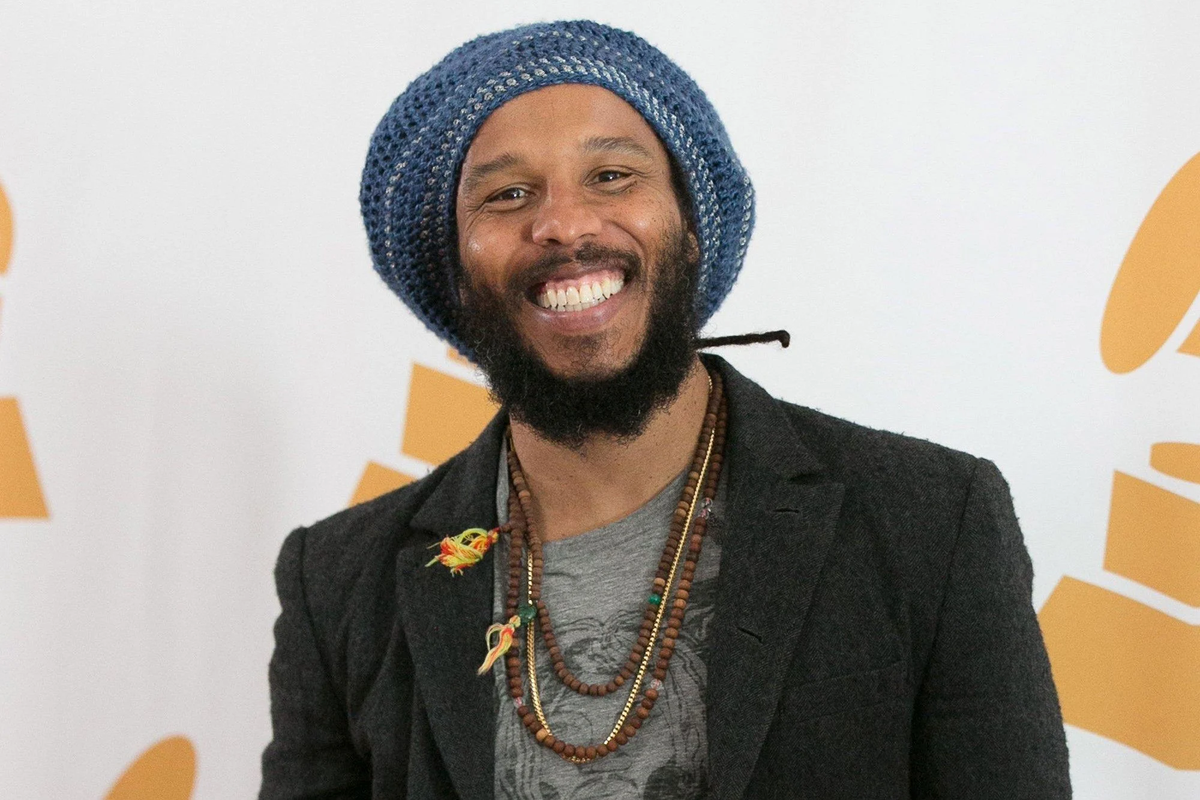
His debut album Conscious Party (1988), recorded with his siblings as Ziggy Marley and The Melody Makers, won the Grammy Award for Best Reggae Album in 1988.
His solo work from the 2000s onward shows a musician stepping fully into his own identity, incorporating rock, pop, and folk textures while keeping roots reggae at the core.
Start with: Conscious Party (1988) and Love Is My Religion (2006)
9. Damian Marley
Where Ziggy Marley embodies the rootsy, melodic side of his father’s work, Damian “Jr. Gong” Marley fuses the legacy with hip-hop and dancehall with bracingly modern results.
Five golden gramophones grace Damian Marley’s shelf, including three recognizing his solo albums in the Best Reggae Album category.
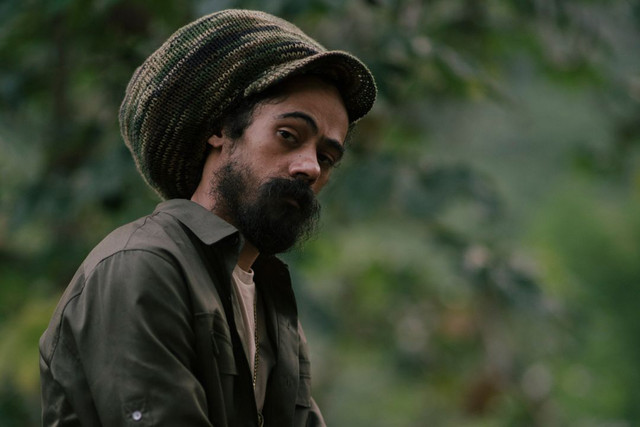
His executive producer credit on Kabaka Pyramid’s The Kalling landed him another, and he also took home the Best Urban/Alternative Performance award for the iconic song “Welcome to Jamrock.”
This is Damian’s third Grammy as a solo artist; he previously won Grammy Best Reggae Album trophies for Half Way Tree and Welcome to Jamrock.
His 2017 album Stony Hill, a layered meditation on spirituality, ambition, and street survival, is among the most critically acclaimed reggae records of the past decade, winning the Grammy for Best Reggae Album at the 2023 ceremony.
Start with: Welcome to Jamrock (2005) and Stony Hill (2017)
10. Protoje
For the Marley listener who wants to explore what roots reggae sounds like in the twenty-first century, Protoje is the essential guide.
The Jamaican singer-songwriter and producer helped lead the roots reggae revival in Jamaica in the 2010s, earning international recognition for bringing conscious, Rastafari-rooted lyricism back to the forefront of the island’s music scene.
Protoje received his first Grammy nomination for Best Reggae Album at the 61st Annual Grammy Awards in 2019, nominated for his album A Matter of Time.
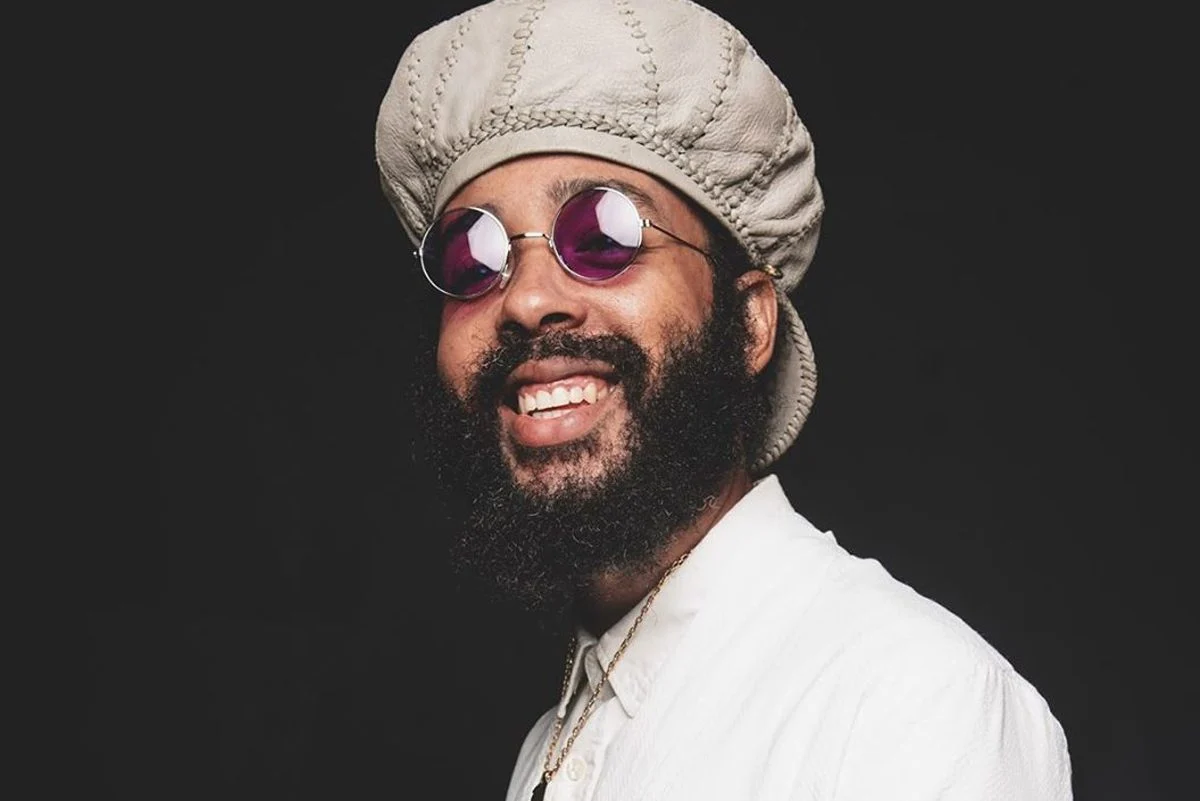
Jamaica’s then-Minister of Culture praised Protoje as “another young reggae artiste making a significant mark on the music,” with the nomination seen as broad recognition of his achievements.
His InDiggNation Collective label has become a hub for the new wave of Jamaican roots artists, including Chronixx and Lila Ike, ensuring that the spirit Marley embodied continues to move through new generations.
Start with: Ancient Future (2015) and A Matter of Time (2018)
Where to Go From Here
The artists listed above represent only the most obvious entry points into a rich and sprawling genre. With laid-back vibes and plucky instrumentation that contrast soulful lyrical content otherwise laced with political and social commentary, reggae has had a worldwide diffusion since its creation, from the “Punky Reggae Party” that took over early British punk in the 1970s to the popularization of reggae en espanol in countries like Panama and Venezuela.
Marley’s musical legacy can be seen in the continuing popularity of reggae and its pervasive influence on mainstream music.
The artists covered here, from the original Wailers to Jamaica’s new-generation conscious artists, all carry a piece of that flame. Start with one, follow the thread, and the music will take you the rest of the way.