
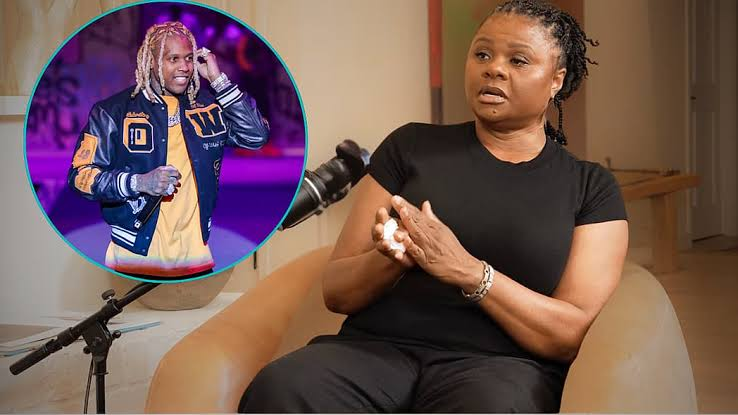
LaShawnda Woodard did not hold back. Lil Durk’s mother sat down on “If You Knew Better with Amber Grimes” and said something that most parents in her position would keep private, that she blames herself for everything that has happened to her family.
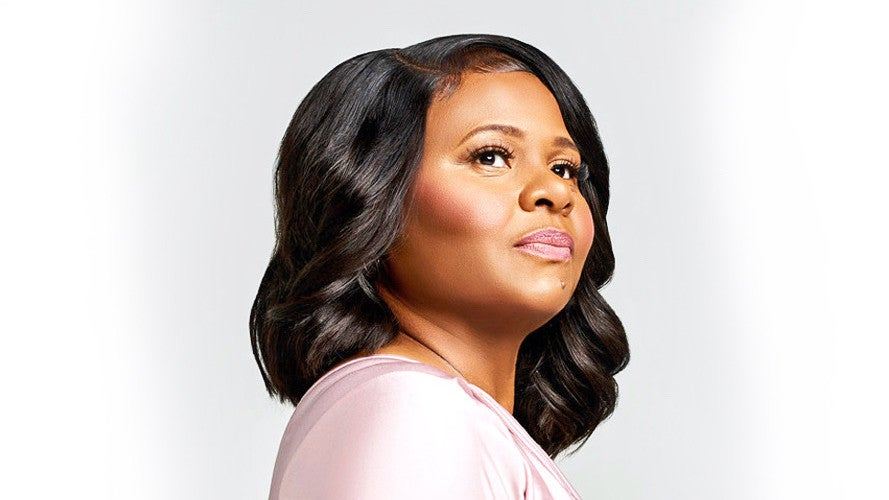
“I feel like everything that has happened is my fault,” Woodard said plainly. I blame myself for my son getting killed and I blame myself for my son being locked up.” That is a staggering amount of weight for one person to carry, and she was not speaking in abstractions.
Woodard traced it all the way back to a decision she made years ago, or more accurately, a decision she did not make.
She said her own mother gave her clear guidance about finishing school and building a career that could move the family out of the neighborhood, and she did not follow it.
“If I would have listened like I was supposed to, we would have been somewhere totally different,” she said. “They would have been raised different, and I felt like everything would have been better.” It is the kind of regret that does not fade, the kind that replays in the quiet moments.
Her son D-Thang, Durk’s older brother, was shot and killed in June 2021 outside a party in Chicago. The loss hit the family publicly and privately, and Woodard has clearly never stopped processing it. Grief and guilt have a way of becoming the same feeling when you are a parent.
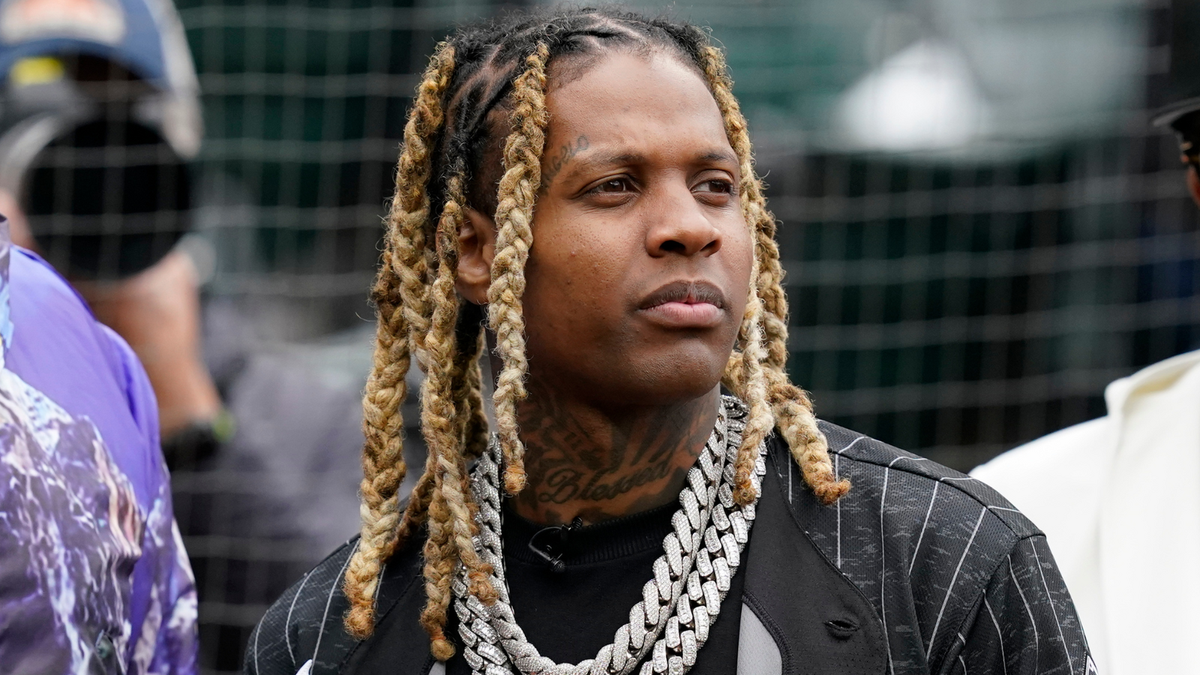
Lil Durk, whose real name is Durk Derrick Banks, has been facing serious federal charges tied to a murder-for-hire case, a situation that has kept him out of the public eye and away from his family.
For Woodard, watching that unfold from the outside while also grieving D-Thang is a particular kind of pain that she described with honesty rather than performance.
She said she tries to push through it for the sake of the people around her. “I try to blank out my pain and like be there for them,” she said, describing how she shows up now despite everything. That line alone says a lot about what she is living with day to day.
What makes this interview land differently is that Woodard is not asking for sympathy or positioning herself as a victim.
She is doing something harder, which is holding herself accountable in a public way for choices she made decades ago, even when the outcomes were shaped by far more than just her decisions.
There is a conversation worth having here about how much responsibility a parent can realistically carry for the direction a child’s life takes, especially when poverty, environment, and systemic pressure are all part of the equation. Woodard does not seem interested in those nuances right now. She is sitting with the guilt as it is.
The interview has been circulating widely since it dropped, with people responding to her candor in real time.
Some are moved by her honesty, others are questioning whether she is being too hard on herself, and the conversation around it is still very much alive.