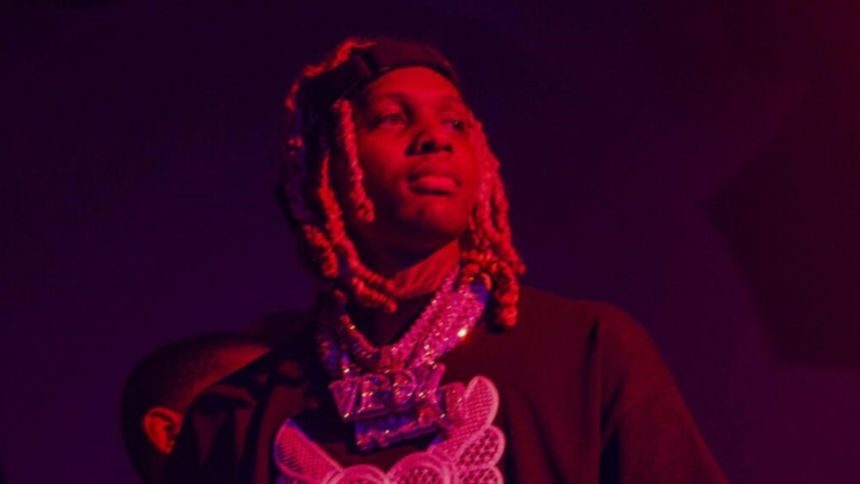

The sharpest moment in Lil Durk’s federal trial so far did not come from a witness. It came from the judge, who told lawyers that plane tickets and hotel rooms cannot, on their own, prove a murder bounty.
U.S. District Judge Michael Fitzgerald drew that line on Friday as both sides were finalizing the jury instructions ahead of closing statements on Tuesday, September 8. His words hand the defense a clean, simple argument to take into the room where it matters most.
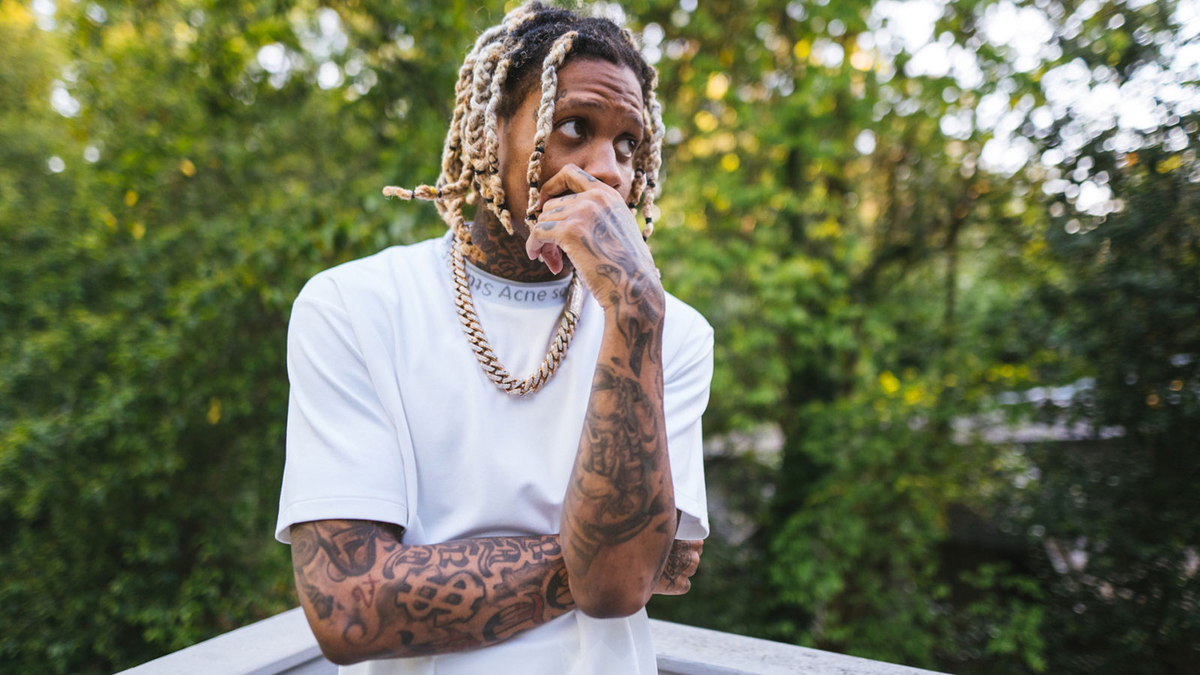
The government has built much of its case around a money trail. Prosecutors tracked flights, phones, cars, ski masks and hotel bills, arguing those purchases helped a crew travel to Los Angeles and hunt down Tyquian “Quando Rondo” Bowman in August 2022.
Some men flew into San Diego first and then drove north, tracking Quando Rondo around the city.
The chase ended near the Beverly Center on August 19, 2022, when gunmen missed Quando Rondo but shot and killed his cousin, Saviay’a “Lul Pab” Robinson.
Fitzgerald was direct about what those expenses can and cannot prove. “The jury is already told that, specifically, in unambiguous English language, that paying for those sorts of instrumentalities are not enough,” he said. “It has to be a bounty beyond the actual fact of those things.”
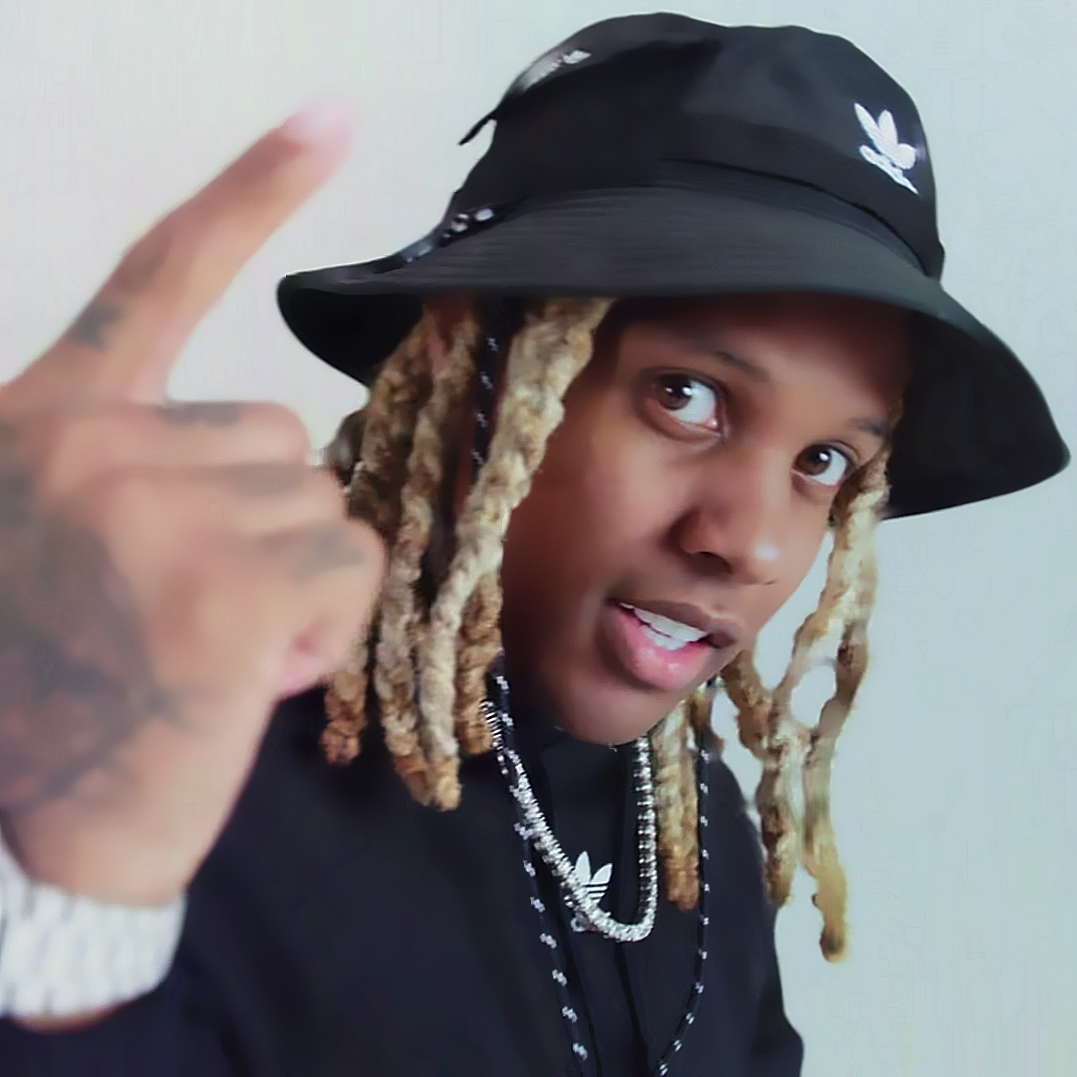
That distinction cuts to the core of the murder-for-hire charge. Federal law requires proof of an actual deal, a killing sought in exchange for money or some other gain, and a promise can satisfy that, even if no cash ever changed hands.
Defense attorney Christy O’Connor raised exactly that concern in court. She argued jurors could find that Lil Durk paid for travel without having backed a hit, and the judge’s ruling gives that argument real legal weight going into closing statements.
The government is not without its own footing, though. Two cooperating witnesses have made direct claims about a bounty.
Kacey Hester, known as OTF Jam, told jurors Lil Durk said he would “make anybody straight” for killing Quando Rondo. Keith Jones, known as Flacka, went further and described a $1 million offer.
Flacka said Deondre “DeDe” Wilson made that offer and identified Lil Durk as the source. He also claimed that when he later asked Lil Durk about his payment, the rapper directed him to Boonie Moe, who spoke of $10,000. Flacka said he never received that money.
Kavon Grant, known as OTF Vonni, also testified that Lil Durk ordered the plot and approved the costs tied to it.
But the defense has spent considerable time picking apart his credibility, pointing out that OTF Vonni held Lil Durk’s wallet, bank cards, PINs, account logins and Social Security number.
He also kept fake ID records on his phone and admitted to committing fraud unrelated to the shooting.
That gives the defense a clear line to argue that a bank record showing which card paid a bill does not prove who gave the order to use it.
The backstory behind all of this goes back to November 2020, when King Von was killed in a confrontation involving Quando Rondo’s group. The Justice Department says the alleged plot was built around revenge for that death.
Lil Durk, DeDe and David “Browneyez” Lindsey have all pleaded not guilty.
The five counts against them include stalking conspiracy, stalking with a dangerous weapon, stalking resulting in Lul Pab’s death, murder-for-hire conspiracy and a murder-for-hire count tied to her death.
Both sides rested Thursday, and jurors return Tuesday for final instructions and closing arguments. The question left hanging is what those payments actually prove, routine expenses, logistical support for a crime, or the down payment on a promised bounty.