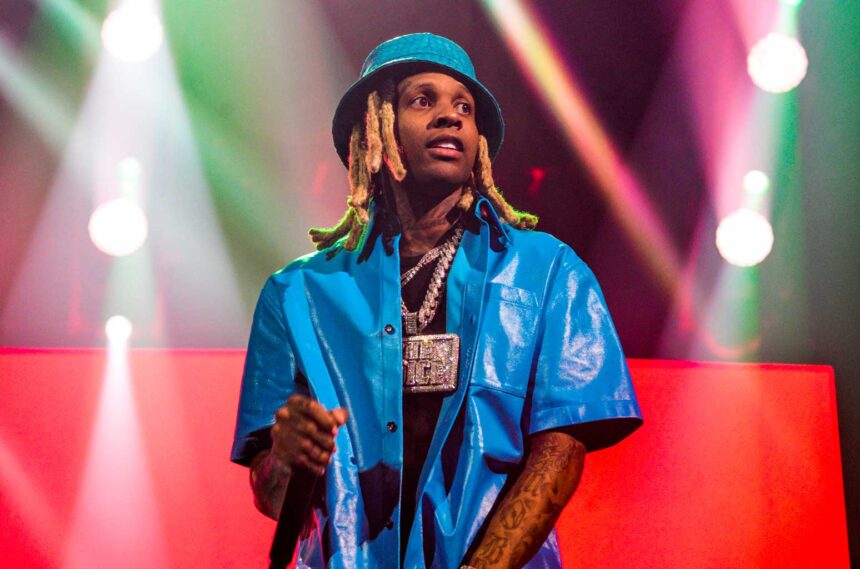

The most striking moment in Lil Durk’s federal trial this week had nothing to do with the alleged murder-for-hire plot at its center.
It came when a former Alamo Records executive sat down and told jurors, plainly, that violence sells, and that his job was to make sure it did.
Sanchay Jain, who served as Alamo’s senior vice president of marketing and worked as Lil Durk’s product manager from 2019, testified that provocative content was not incidental to the business.
It was the business. “It pays to be provocative,” he told the court. “All news is good news when it comes to creating interest.”
To make the point concrete, Jain described a fake Chicago Bulls story that Alamo pushed through the sports platform Overtime. After footage of Lil Durk playing basketball went around, the label promoted a claim that he had signed a 10-day contract with the Bulls.
No such contract existed. Jain acknowledged it was false, and said thousands of people shared it anyway, driving streams up in the process.
That admission carries real weight in the context of the trial. Prosecutors have been asking jurors to read Lil Durk’s public image and creative output as evidence of real-world intent.
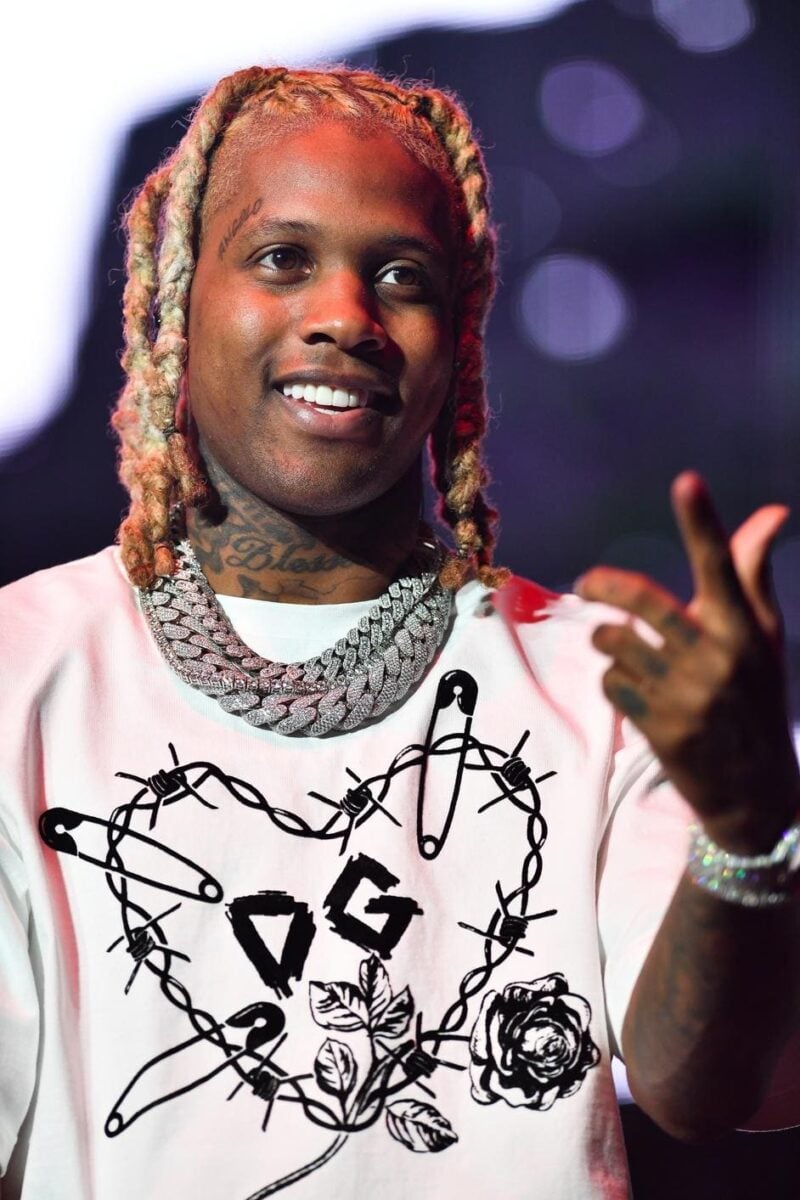
Jain’s testimony gives the defense a ready counter: if a fake NBA contract could be attached to Durk’s name for clicks, why would a violent music video mean anything different?
The video at the center of that argument is “Redman,” an unreleased clip that shows Lil Durk pursuing and shooting a man prosecutors have likened to rival rapper Tyquian “Quando Rondo” Bowman.
The footage was shot after the November 2020 death of Dayvon “King Von” Bennett, who died in a confrontation involving Quando Rondo’s entourage. The government has used it to argue Durk was fixated on retaliation.
Jain gave jurors a different read. Alamo had a strict policy against guns and overt violence in videos meant for official release, and Jain said he flagged the “Redman” treatment before filming even began.
When director JerryPHD delivered the finished version with the shooting scene still in it, Jain told management again that the label could never put it out.
“Anyone familiar with the policy would know that we were never going to release that video to the public,” he testified.
Defense attorney Christy O’Connor then asked whether the FBI or any other law enforcement agency had ever contacted Jain about how the video was conceived and produced. His answer was a flat no.
To his knowledge, investigators never reached out to anyone at Alamo or Sony about the creative process behind the clip. The defense can now argue that prosecutors built a case around a video without ever talking to the executive who rejected it.
Jain also addressed the timeline around King Von’s death directly. He said Lil Durk went completely dark after the shooting, deactivating his social media and going unreachable for roughly four weeks. Management told Alamo he was grieving and would be unavailable indefinitely.
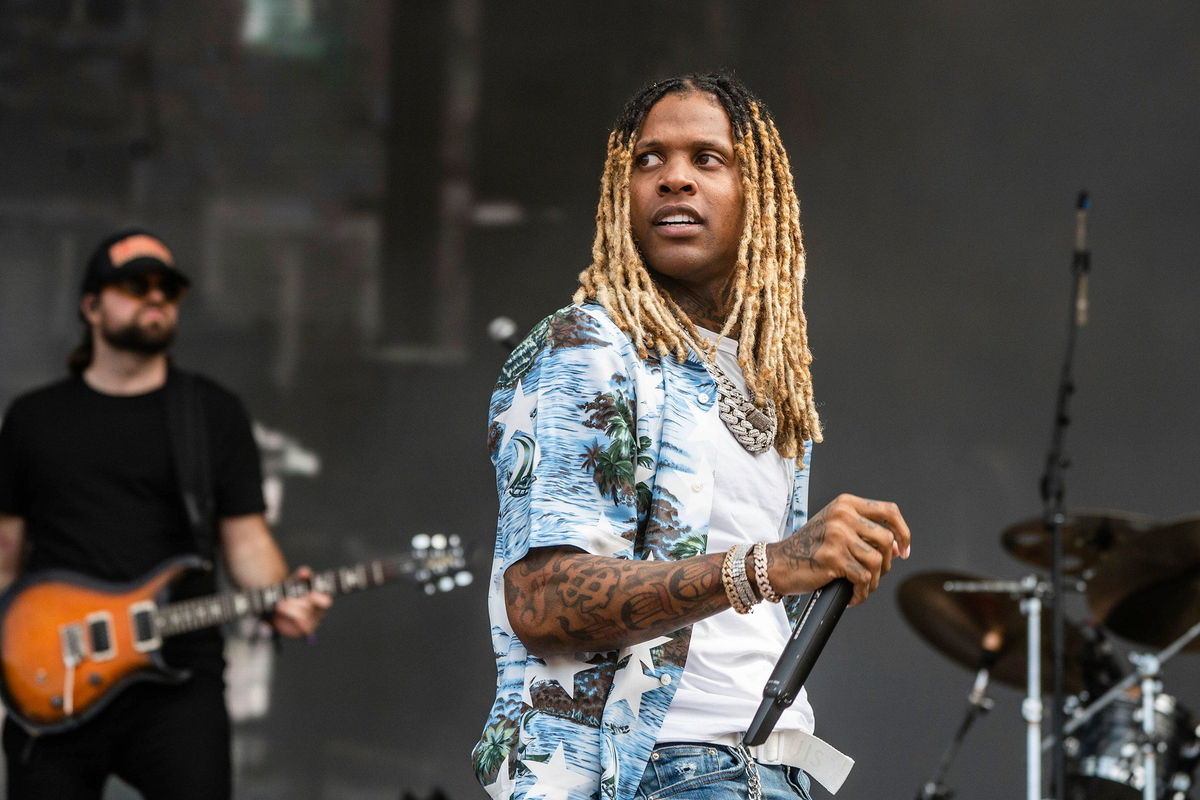
The rapper only returned to public activity earlier than planned because his album “The Voice” leaked, and the label needed to push an official release before the unauthorized version ate into their numbers.
Prosecutors have suggested that Durk’s quick return to music reflected something darker, a momentum building toward revenge. Jain’s account frames it as a label scrambling to protect a commercial asset.
The government’s case goes well beyond creative output, though. Three cooperating witnesses have directly tied Lil Durk to an alleged plot against Quando Rondo.
Kavon “OTF Vonni” Grant testified that Durk ordered the operation. Kacey “OTF Jam” Hester and Keith “Flacka” Jones also implicated him after pleading guilty to related charges.
Prosecutors say the crew tracked Quando Rondo across Los Angeles before opening fire near the Beverly Center on August 19, 2022. Quando Rondo survived, but his cousin Saviay’a “Lul Pab” Robinson was killed.
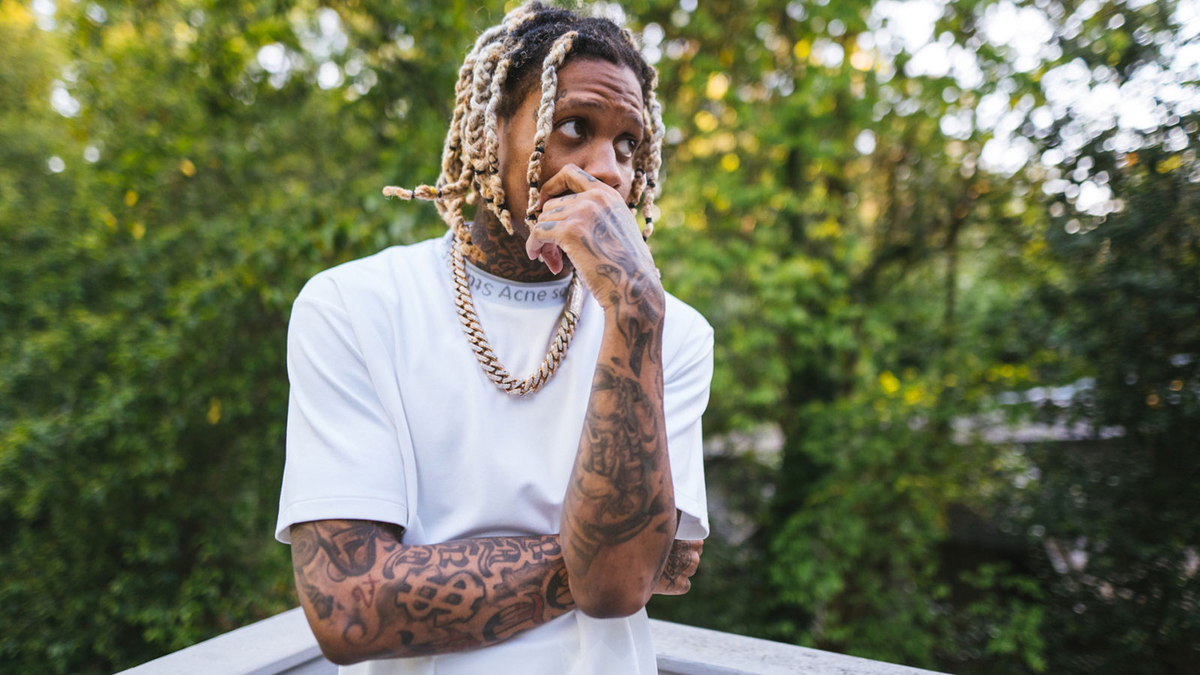
Lil Durk’s lawyers have pushed back hard on the cooperators, arguing they pointed the finger at their former employer to avoid life sentences themselves.
The defense got a boost when OTF Vonni admitted he controlled Lil Durk’s financial identity, including his bank cards, PINs, and Social Security number, which complicates the government’s use of financial records as evidence against Durk specifically.
Lil Durk, Deandre “DeDe” Wilson, and David “Browneyez” Lindsey all face five federal charges, including conspiracy to commit stalking, stalking, and two murder-for-hire counts related to Lul Pab’s death. All three have pleaded not guilty and face the possibility of life in prison if convicted.
Closing arguments are scheduled for Tuesday, and the jury will then decide which version of events they believe.