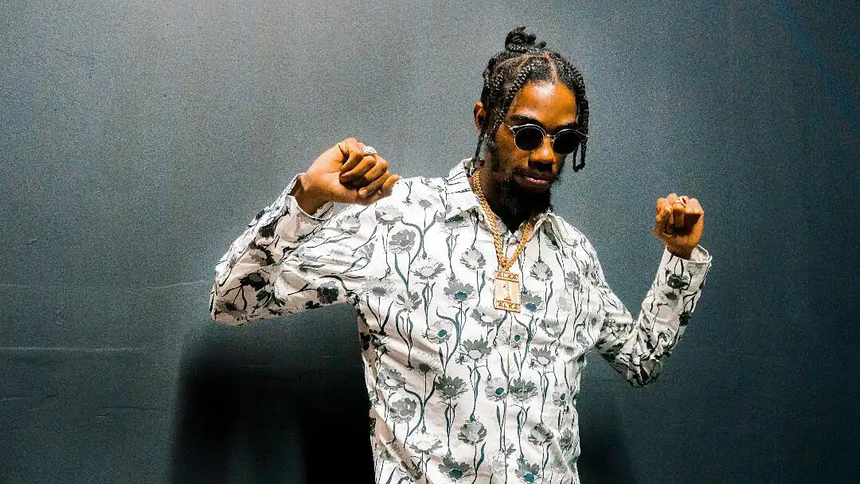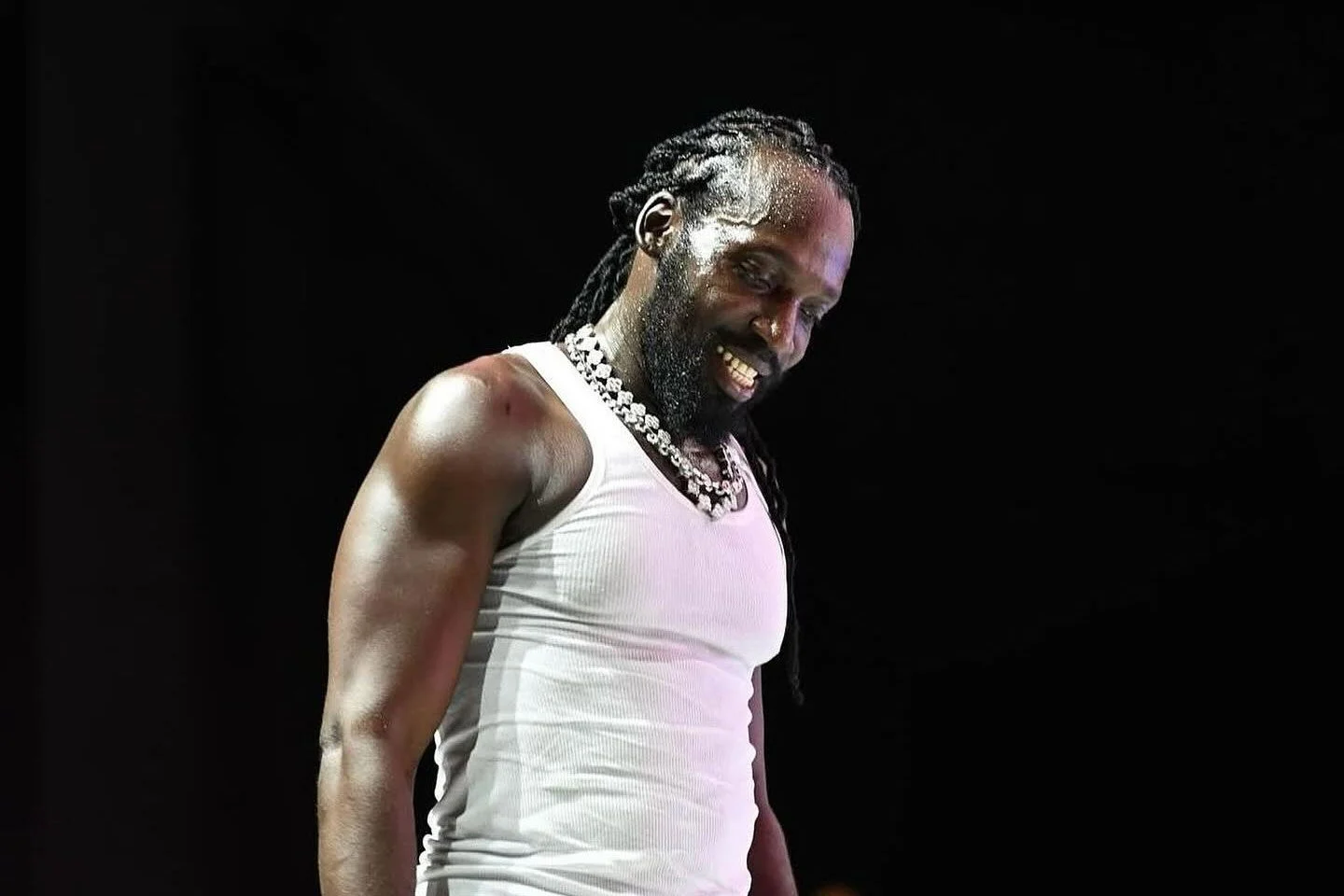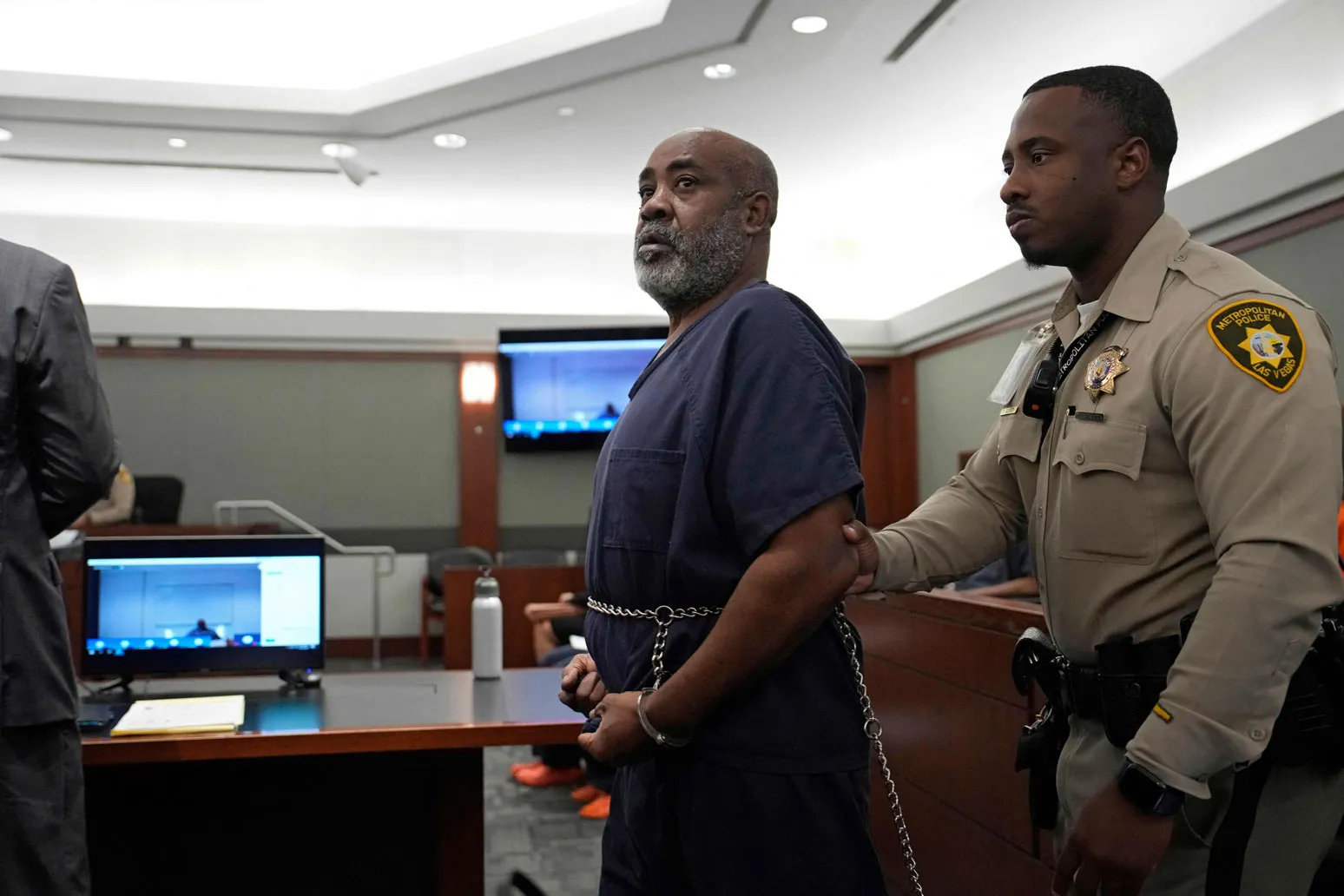

The detail that keeps standing out here is not just that a gun was found in MO3’s car, but that federal investigators had already searched that same vehicle at least three times before finding it.
Court proceedings in the MO3 murder case revealed the discovery, nearly three years after the Dallas rapper was shot and killed in November 2020.
That gap between the murder and the find is the kind of thing that makes people question how thorough those earlier searches actually were.
MO3, born Melvin Noble, was killed in a brazen highway ambush that was captured on surveillance footage.

The attack happened in broad daylight on I-35 in Dallas, and the footage showed him being chased down on foot before being shot.
The case has remained a serious federal matter, with investigators building out what appears to be a much larger picture around the circumstances of his death.
Finding a weapon in the vehicle this late into the investigation raises two very different readings depending on who you ask.
One angle is that this is a genuine investigative failure, a critical piece of potential evidence sitting in a car that trained federal agents walked away from three separate times.
The other is that this discovery, however delayed, could still factor into the case in a meaningful way, especially if the weapon connects to someone involved in the murder.
People who followed the case closely have been vocal about the timeline not adding up. Three searches of the same car, none of which turned up a firearm, and then suddenly one does years later, that is the kind of inconsistency that defense attorneys and skeptics tend to pull apart in court.
It also puts a spotlight on the handling of physical evidence in high-profile cases where the pressure to close things quickly can sometimes work against getting things right.
MO3 had been building serious momentum before his death. His collaboration with Boosie Badazz and his track “Errybody” had pushed him into a wider lane, and his fanbase in Dallas was deeply loyal.
His death hit the city hard, and the years since have kept his name circulating both because of the music he left behind and because the case itself has never fully faded from public attention.
The surveillance footage from the highway has always been the most haunting piece of this story. Watching someone get chased down on a public road in the middle of the day made the killing feel especially ruthless, and it also meant there was always going to be scrutiny on how investigators handled everything that followed.
A gun surfacing in the car after three prior searches only adds another uncomfortable layer to that scrutiny.
Federal cases move slowly by design, and sometimes evidence does emerge in later stages that was not caught earlier.
But the optics here are difficult to shake, and with court proceedings still active, this discovery is likely to be examined closely by everyone with a stake in the outcome.