


A senior aide to Edo State Governor Monday Okpebholo has told Davido, flat out, that he is not welcome to perform in the state.
The warning came from Apostle Kassy Chukwu, the Governor’s Special Assistant on Digital Media, who made the position public on August 21, 2026.
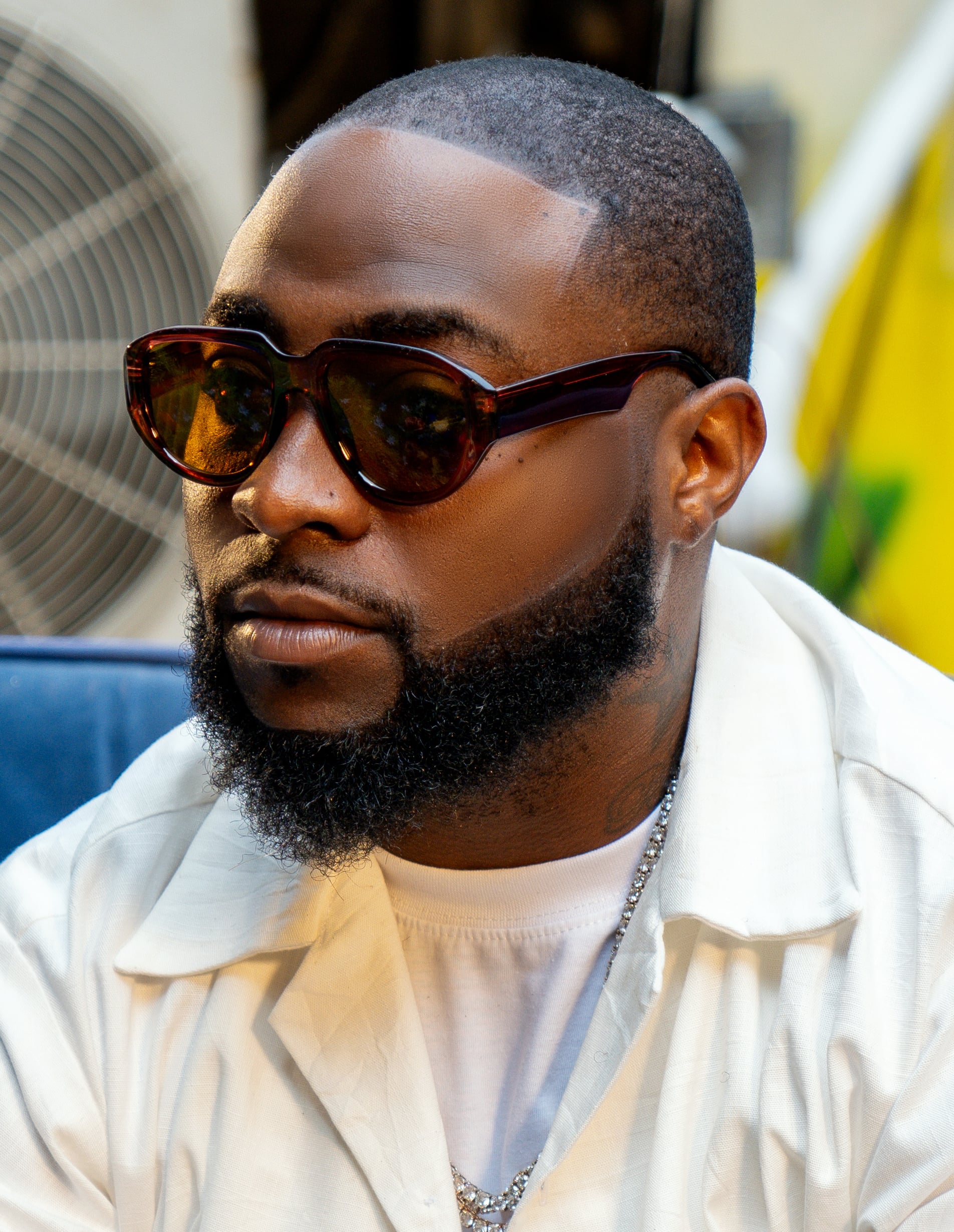
Chukwu’s message was blunt: “We don’t want to see you in Edo.” It followed a public clash between Davido and Governor Okpebholo that had already been making noise across Nigerian social media before the official warning dropped.
This is not a quiet, behind-the-scenes dispute. The fact that the Governor’s office chose to go public through a digital media aide suggests the administration wants this stance widely known, not just communicated privately to the artist or his team.
For Davido, one of the biggest names in Afrobeats globally, being effectively barred from an entire Nigerian state is a genuinely unusual situation.
Artists of his profile rarely face this kind of direct, government-level pushback at home, and the move has sparked a wave of reactions across Nigerian Twitter and entertainment circles.
Supporters of Davido have pushed back hard, arguing that banning an artist from performing in a state over a personal or political disagreement sets a troubling precedent.
Critics of the singer, on the other hand, have pointed to the original clash with the Governor as something Davido brought on himself, with some suggesting he should have handled the dispute through quieter channels rather than letting it spill into public view.
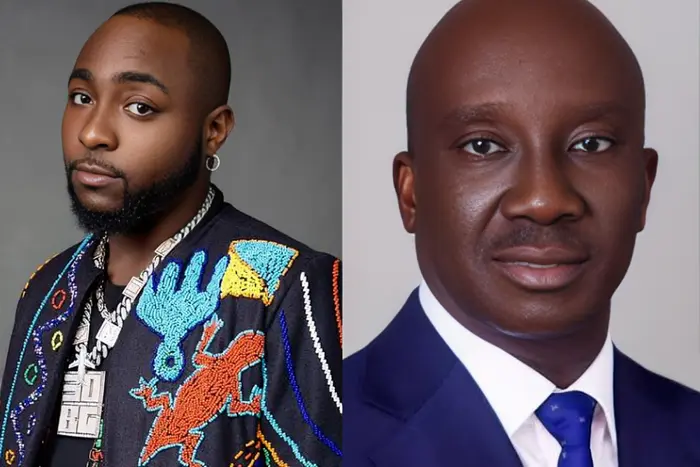
What exactly triggered the falling out between Davido and Governor Okpebholo has not been fully detailed in official statements, but the tension clearly runs deep enough for the Governor’s office to take the extraordinary step of issuing a public ban.
In Nigerian political culture, where music and politics frequently intersect, this kind of standoff carries weight beyond just one artist and one state.
Davido has not yet made a formal public response to the ban, and his team has stayed quiet since Chukwu’s warning went viral.
Whether the singer addresses it directly, challenges it, or simply lets it sit is a question a lot of people in the Nigerian music space are waiting to see answered.
Edo State has historically been a significant market for live entertainment in southern Nigeria, and Benin City, its capital, has a deeply rooted music culture.
A ban of this nature, if enforced, would have real practical consequences for any future tours or events Davido might plan in the region.
The situation puts a spotlight on the broader relationship between Nigerian artists and state governments, a dynamic that has always been complicated but rarely plays out this publicly.
With both sides having dug in, at least publicly, there is no obvious off-ramp in sight right now.


Agbor road bypass are the state federal roads are taking lives and you’re banning an artiste from performing in the state as part of the work of a government, illiterate govt
Artiste that the youth loves so much,touch him and know the heart of edosians towards you Mr governor,go and do your job as the governor and stop behaving as a child you and your aid