
The “It wasn’t me” meaning that millions of listeners have debated for over two decades is both simpler and more nuanced than most people realize.
On its surface, the song is a comedy sketch set to a reggae beat, built around the most absurd legal defense in pop music history.
Dig deeper, however, and the track’s creator insists it delivers a moral that most fans have been missing since the night they first heard it blasting from a car radio in early 2001.
Here is everything you need to know about the song’s origin, its structure, its true intended message, and the outsized cultural footprint it has left behind.
Who Made “It Wasn’t Me” and When Was It Released?
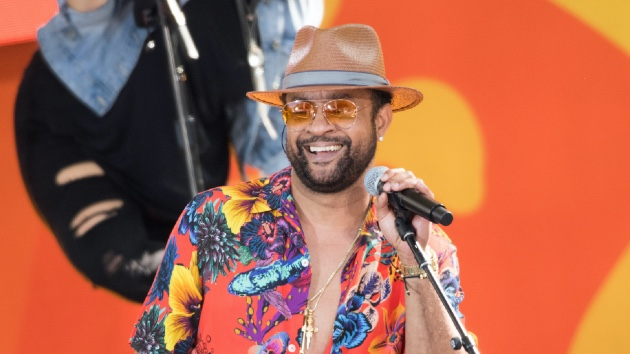
“It Wasn’t Me” is the lead single from Jamaican-American reggae musician Shaggy’s fifth studio album, Hot Shot (2000). It runs three minutes and forty-seven seconds and was released on the MCA label.
The songwriting credits are shared between Orville Burrell (Shaggy), Rickardo Ducent (RikRok), Shaun Pizzonia, and Brian Thompson.
“It Wasn’t Me” was serviced to American contemporary hit radio on 7 November 2000 and has been regarded as Shaggy’s breakthrough in the pop market.
The song features vocals from British-Jamaican singer RikRok, credited as Ricardo “RikRok” Ducent. Born Ricardo Ducent, RikRok began his musical career as a backing vocalist and songwriter in Jamaica before gaining international recognition through the collaboration.
Production was handled by Shaun “Sting International” Pizzonia, who built a laid-back reggae beat infused with elements of pop and R&B. The track includes an interpolation of the War song “Smile Happy.”
The Inspiration: Eddie Murphy and a Comedy Bit
Before a single lyric was written, the conceptual seed for “It wasn’t me” was planted by a stand-up comedian, not a songwriter.
The song was inspired by a bit called “No Loyal Men,” performed by Eddie Murphy in his comedy special Raw (1987).
Murphy said that no matter what your girlfriend accuses you of, never admit to anything, just say “It wasn’t me” and don’t offer details.
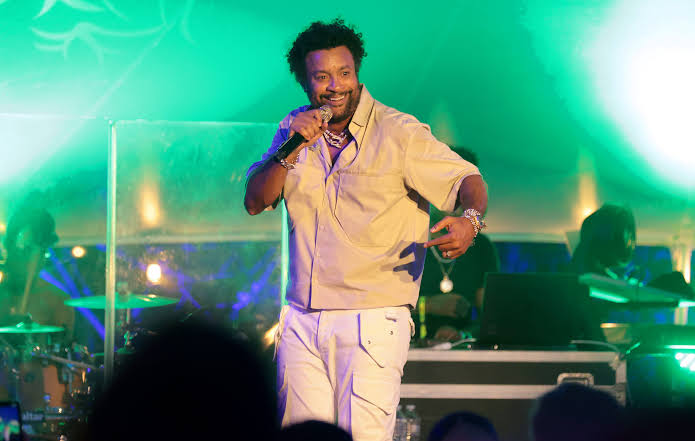
None of what happens in “It Wasn’t Me” came from Shaggy’s own experience; the scenarios are a collection of hypothetical situations he made up. That comedic distance was intentional.
Shaggy’s stage persona, which he described as “Mr. Boombastic,” was comically big-headed and a bit of a male chauvinist, which made for entertaining songs, but it wasn’t him.
How the Song Was Written and Almost Never Released
The idea for “It Wasn’t Me” came about during a casual conversation between Shaggy and his long-time collaborator RikRok, in which they discussed various scenarios of infidelity and the excuses people come up with when caught in the act. That humorous take on a serious subject formed the basis of the song’s concept.
Shaggy first heard producer Shaun Pizzonia’s instrumental for “It Wasn’t Me” when he had just finished a tour and was dropping by Pizzonia’s place. Shaggy later described how “this beat just spoke to me.”
RikRok wrote the chorus for “It Wasn’t Me,” while Shaggy wrote the verses. When they recorded the demo, RikRok sang the hook even though he was not really a singer at the time.
Though RikRok had never previously written a hit, Shaggy took a shine to the young songwriter because of his work ethic. “He was quick,” Shaggy said in a VICE documentary about the making of the track.
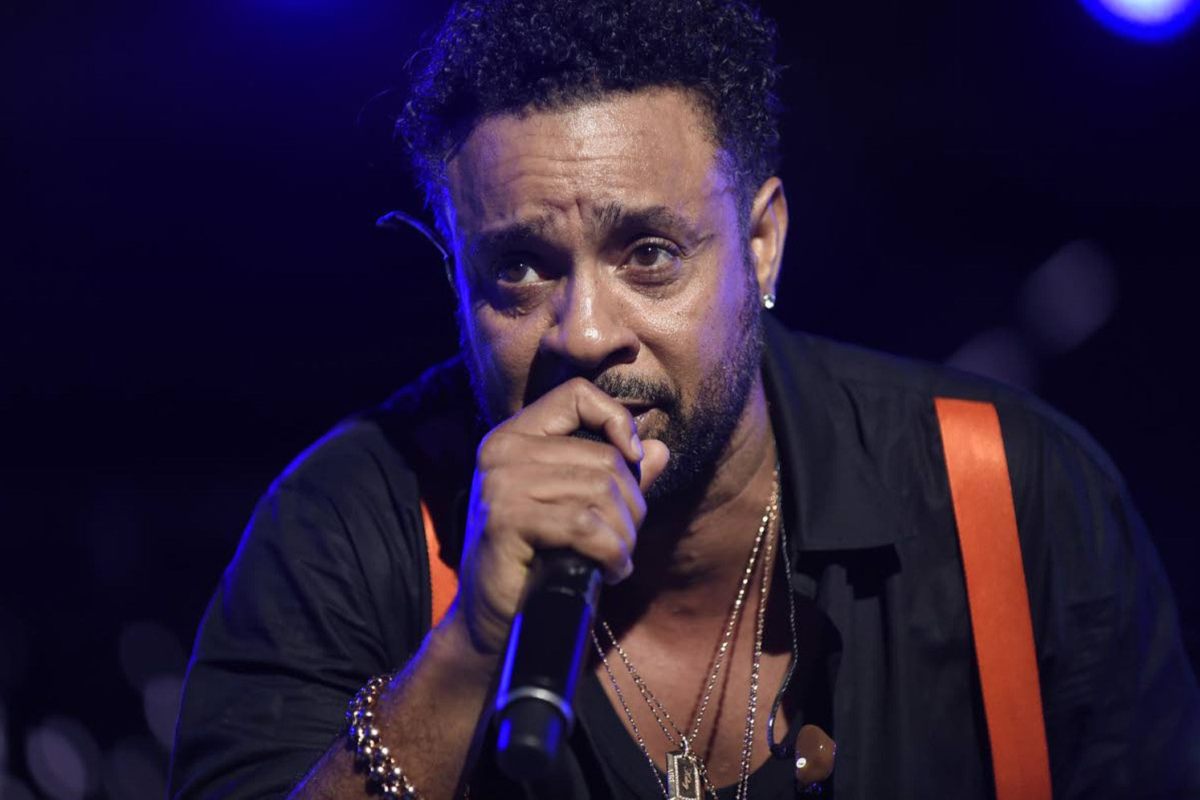
The song’s path from the studio to the public was far from straightforward. Despite Shaggy recalling how they knew they “had something special,” having been “laughing while they were writing it,” neither Shaggy’s manager nor the label heads at MCA Records were convinced of the track’s commercial viability.
Shaggy and producer Pizzonia were persuaded to include the song on Hot Shot at the last minute by MCA’s Senior Director of A&R Hans Haedelt, who had accidentally been shown the song while dropping by the studio.
When Shaggy finished making “It Wasn’t Me,” he thought the song was good, but his manager hated it. Shaggy tried to give the song to a few other dancehall artists, but they all turned it down. His A&R representative at MCA liked it, so it made the cut for Hot Shot.
Shaggy and RikRok came up with the melodies, and Sting International brought in the idea of the intro being a little skit and the last verse, which formed the apology, to appease female listeners.
Breaking Down the Lyrics and Structure
The lyrics depict one man, portrayed by RikRok, asking his friend, played by Shaggy, what to do after his girlfriend caught him cheating with “the girl next door.” His friend’s advice is to deny everything with the phrase “it wasn’t me,” despite clear evidence to the contrary.
The scenario is undoubtedly memorable: the narrator’s girlfriend catches him in a compromising position on the bathroom floor, on the sofa, in the shower, and various other household locations with another woman. His friend’s answer is to deny all charges, despite clear evidence otherwise, with the repetitive phrase “it wasn’t me.”
The song features RikRok, whose real name is Ricardo Ducent, singing most of the verses and the hook, while Shaggy sings the refrain “It Wasn’t Me.” The comedy-reggae piece features RikRok singing the song’s hook and bridge.
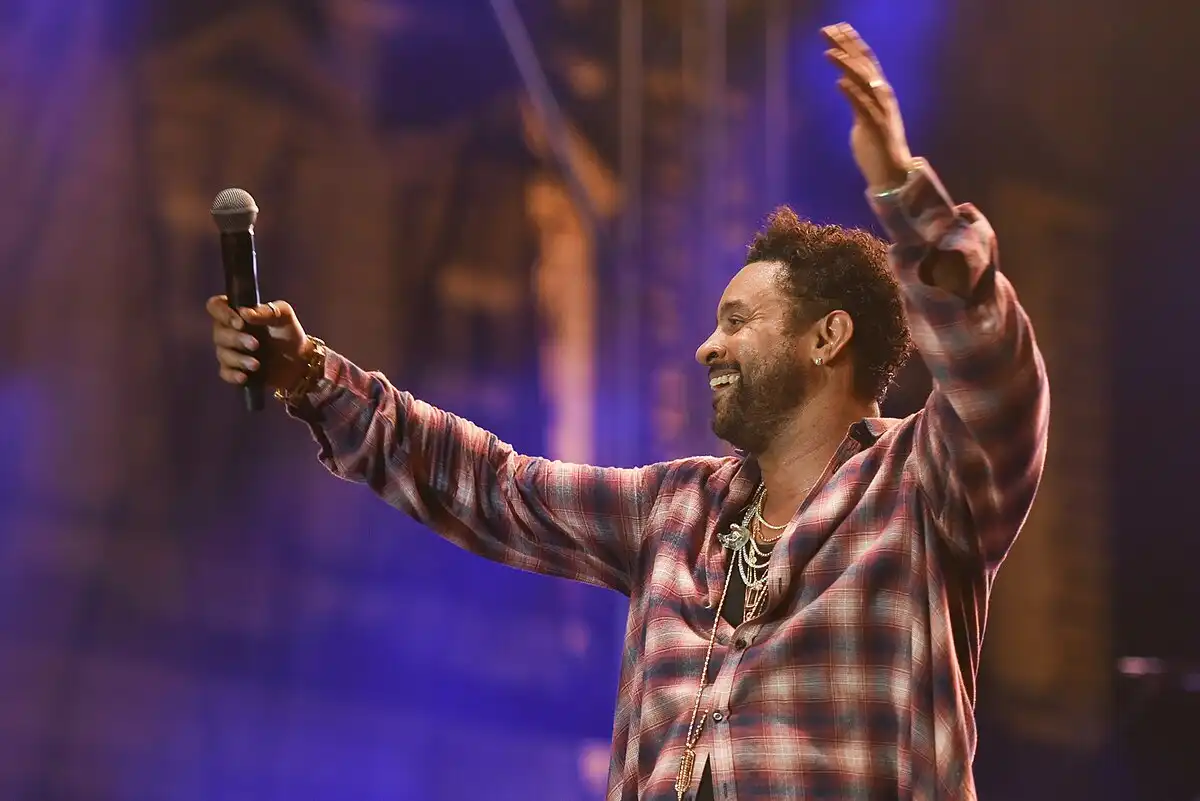
Their vocal dynamic is central to the song’s appeal: RikRok’s smooth, searching delivery as the hapless narrator contrasts sharply with Shaggy’s cool, almost deadpan refrain.
This is the detail that Shaggy has spent years trying to get people to notice. Ultimately, the narrator says that the advice “makes no sense at all” and decides to confess and apologize.
In a 2023 interview with People, Shaggy addressed the “it wasn’t me” meaning head-on. “It was a big misconception with that song because that song is not a cheating song,” he said. “It’s an anti-cheating song. It’s just that nobody listened to the record to the end.”
He pointed out that there is a crucial part in the song where a conversation takes place between two individuals.
In this dialogue, Shaggy’s character initially offers misguided advice, urging his friend to deny the cheating allegations.
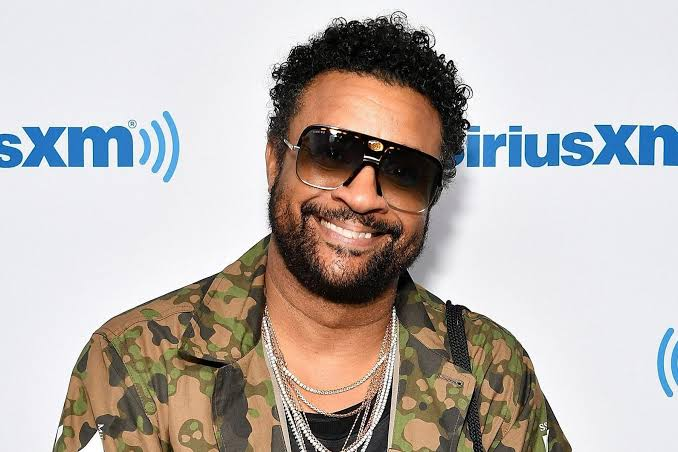
But Shaggy stressed that the overlooked second half of the conversation holds the key to understanding the song’s true meaning.
Shaggy noted that fans normally get “caught up” in the melody and love to sing the hook without realizing that the man in the story ultimately learns his lesson.
Despite the misconception, Shaggy believes fans relate to the lyrics, and that is why it remains relevant. “What’s so good about that song is that it was relatable throughout the years,” he explained.
Shaggy added, “People do have this whole situation with cheating, and the thing about that is that you could be young, old, Black, white, straight, gay, whatever it is, it’s still relatable.”
Chart Performance and Commercial Impact
Few singles in the early 2000s matched the commercial sweep of “It Wasn’t Me.” The song dominated the Billboard Hot 100 chart, holding the number one spot for two weeks in February 2001 and remaining on the chart for 25 weeks.
The track ended the eleven-week reign at the top by Destiny’s Child’s “Independent Women Part I.
It additionally topped the U.S. Billboard Hot Rap Songs, Mainstream Top 40, and Rhythmic charts. The song also reached number one in eleven other regions, including Australia, Belgium (Flanders), Croatia, Europe, France, Ireland, the Netherlands, Poland, Scotland, and the UK.
It was the UK’s best-selling single of 2001 and, of the 180 singles in UK chart history to have surpassed one million sales, “It Wasn’t Me” is the 49th best-selling single in the UK of all time, currently certified quadruple platinum by the British Phonographic Industry for 2.4 million combined sales and streams as measured by the Official Charts Company as of April 2023.
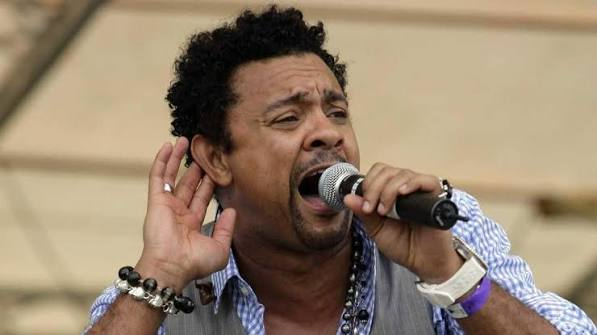
“It Wasn’t Me” was also a Grammy nominee for Best Pop Collaboration with Vocals.
The single dragged the parent album to extraordinary heights. In 2000, Shaggy released Hot Shot, which was certified 6x Platinum in the U.S. Fuelled by “It Wasn’t Me,” Hot Shot climbed to the top of the Billboard 200 and went on to reign for six non-consecutive weeks, flip-flopping with the Dave Matthews Band’s Everyday.
The single was a spectacular return for Shaggy, who had been dropped by his label after disappointing sales of his 1997 album Midnite Lover.
The Music Video
The accompanying music video, directed by Stephen Scott, depicts the song’s narrative, featuring RikRok seeking Shaggy’s advice and subsequent escape antics.
The video’s broad, cartoonish energy matched the tone of the lyric perfectly and became a constant fixture on music television channels through 2001.
Cultural Legacy: The “Shaggy Defense” and Beyond
“It wasn’t me” entered language far beyond the pop charts. A “Shaggy defense” is now an informal phrase used to describe a legal defense strategy in which the defendant categorically denies any accusations despite overwhelming evidence to the contrary.
The phrase was coined by Slate writer Josh Levin in 2008 to describe the defense tactics used by R. Kelly while on trial for child pornography charges.
Levin repeated the term on NPR, and “Shaggy defense” entered common use to describe a defendant flatly denying guilt despite overwhelming evidence against them.
The song has also been a durable sample source and cultural reference point. “It Wasn’t Me” was interpolated on Liam Payne’s 2017 hit “Strip That Down,” sampled on Anuel AA’s “China” in 2019, and most recently reimagined for a Cheetos Super Bowl LV commercial starring Ashton Kutcher, Mila Kunis, and Shaggy himself.
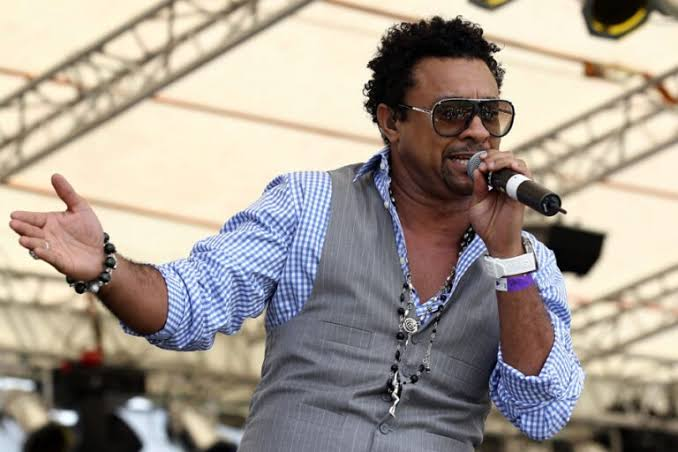
The release of Hot Shot and its lead single marked a pivotal mainstream breakthrough for dancehall music, introducing the genre’s rhythmic style and humorous lyrics to non-traditional audiences.
In the years following, Hot Shot has been reevaluated as a pivotal work in popularizing dancehall music within mainstream circles, credited with bridging Jamaican genres to global pop sensibilities and paving the way for subsequent artists like Sean Paul.
On streaming platforms, the track’s longevity has only grown. On May 18, 2024, “It Wasn’t Me” surpassed 1 billion streams on Spotify, prompting Shaggy to receive a commemorative plaque from the service. The official music video on YouTube has amassed over 240 million views as of recent counts.
Why the “It Wasn’t Me” Meaning Still Resonates in 2026
Twenty-five years on, the conversation around the “it wasn’t me” meaning has not closed. Part of the song’s staying power is exactly the tension Shaggy described: an irresistibly catchy hook delivers advice that the track itself ultimately condemns.
Most listeners catch the joke and move on. Fewer catch the moral. That gap between surface reading and intended meaning is exactly what has kept the record alive across generational turnovers in taste, giving it new life on streaming playlists, social media clips, and Super Bowl ad campaigns alike.
In 2025, Billboard ranked Hot Shot as the highest-charting album by a Caribbean artist on its Top 200 Albums of the 21st Century list, at number 61, a late-arriving acknowledgment of just how far that beat, that hook, and that denial traveled.