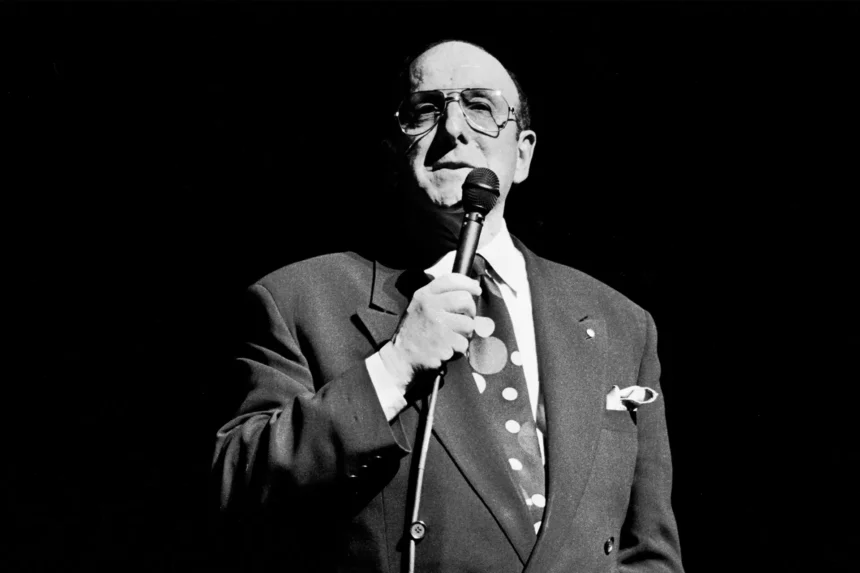

The Grateful Dead used to change a lyric mid-show just for him. “We used to play for acid,” Bob Weir would sing. “Now we play for Clive.” That kind of reverence — half joke, half genuine tribute — tells you everything about how the industry felt about Clive Davis, who died Monday at 94 after being recently hospitalised with respiratory problems.
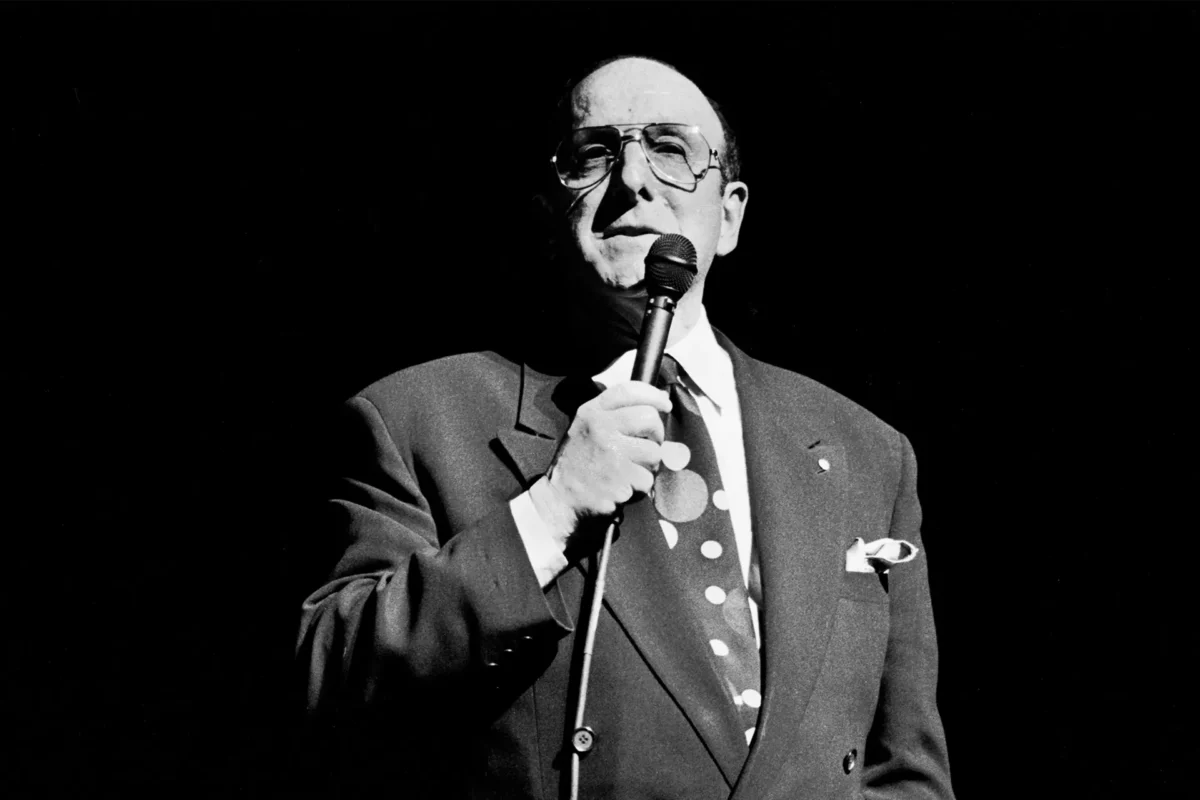
Davis didn’t start out as a music guy. He grew up in Brooklyn, lost both parents while studying at NYU, pushed through Harvard Law School, and landed at Columbia Records purely as legal counsel. “I knew nothing about music. I knew nothing about what awaited me,” he later said. CBS executives had to talk him out of law entirely before he ever touched an A&R decision.
Once he made the switch, though, the instincts were undeniable. He attended the Monterey Pop Festival and signed Janis Joplin the same night he saw her perform, awestruck by what she represented. He talked Simon and Garfunkel into releasing Bridge Over Troubled Water as a single when nothing like it was on the radio. He sent a young Bruce Springsteen’s demo back and told him it needed a hit — so Springsteen went to the beach and wrote Blinded by the Light and Spirit in the Night in one sitting. “That was a good call,” Springsteen has joked since.
Davis also played a quieter but real role in the story of hip-hop. He forged the deal with Sean Combs to launch Bad Boy Records, one of the genre’s foundational labels, at a time when the major label world wasn’t exactly rushing toward rap. That context matters now more than ever — Bad Boy shaped the sound of ’90s hip-hop in ways that are still felt, and Davis was the executive who made the infrastructure possible.
His influence on Miles Davis is another angle that doesn’t get enough attention. The jazz legend came to him furious that young white artists were profiting off styles pioneered by Black musicians. Rather than dismiss the concern, Davis encouraged him to play rock venues. Miles Davis released Bitches Brew shortly after — a record that rewired what jazz could even be.
Aretha Franklin once called him “the greatest record man of all time.” Barry Manilow, one of his protégés, put it differently: “Clive has the mind of a bank executive and the ears of a teenager.” Those two descriptions together probably capture him better than any single take could.
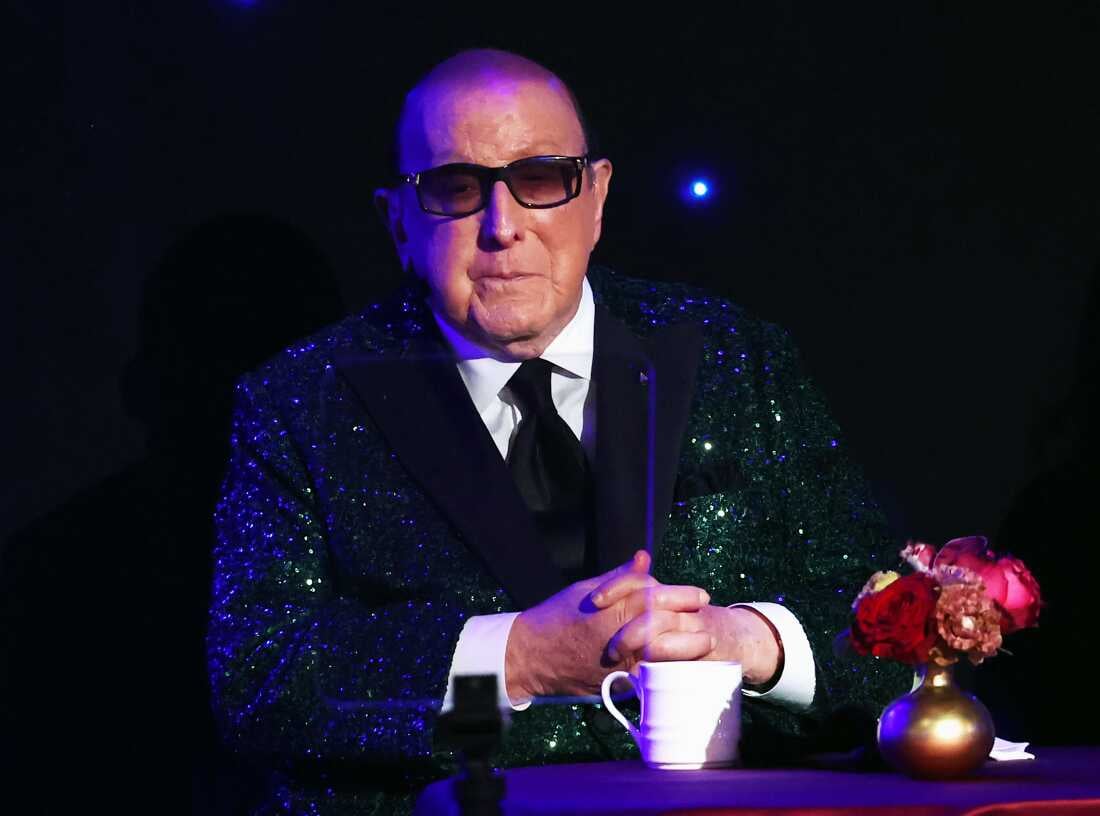
His career wasn’t without friction. CBS fired him in 1973 over expense charges he denied, including allegedly billing the company for his son’s bar mitzvah. An industry joke circulated for years that his ego was so large he thought CDs were named after him. Davis brushed most of it off and just kept working, founding Arista in 1974 and eventually landing as chief creative officer at Sony Music, a title he held well into his later years.
The relationship with Whitney Houston loomed largest in his personal legacy. She became one of the best-selling artists of all time under his guidance, and her death — on the evening of one of his signature pre-Grammy galas — hit him like the loss of family. “The loss of Whitney came about as suddenly as the loss of my parents,” he said. “And profoundly reminded me how quickly and immediately vitally important people in your life can just disappear.”
Those pre-Grammy parties became their own institution. Berry Gordy, the founder of Motown, described them as “kind of a historical event” rather than just a party. The invite list read like a who’s-who of five decades of popular music, and Davis hosted them right up until the end of his active career.
He told Rolling Stone in 2021 that he wasn’t staying in the game to prove anything. I just do what I always did.” His Rock and Roll Hall of Fame plaque and stack of Grammys suggest that was more than enough.